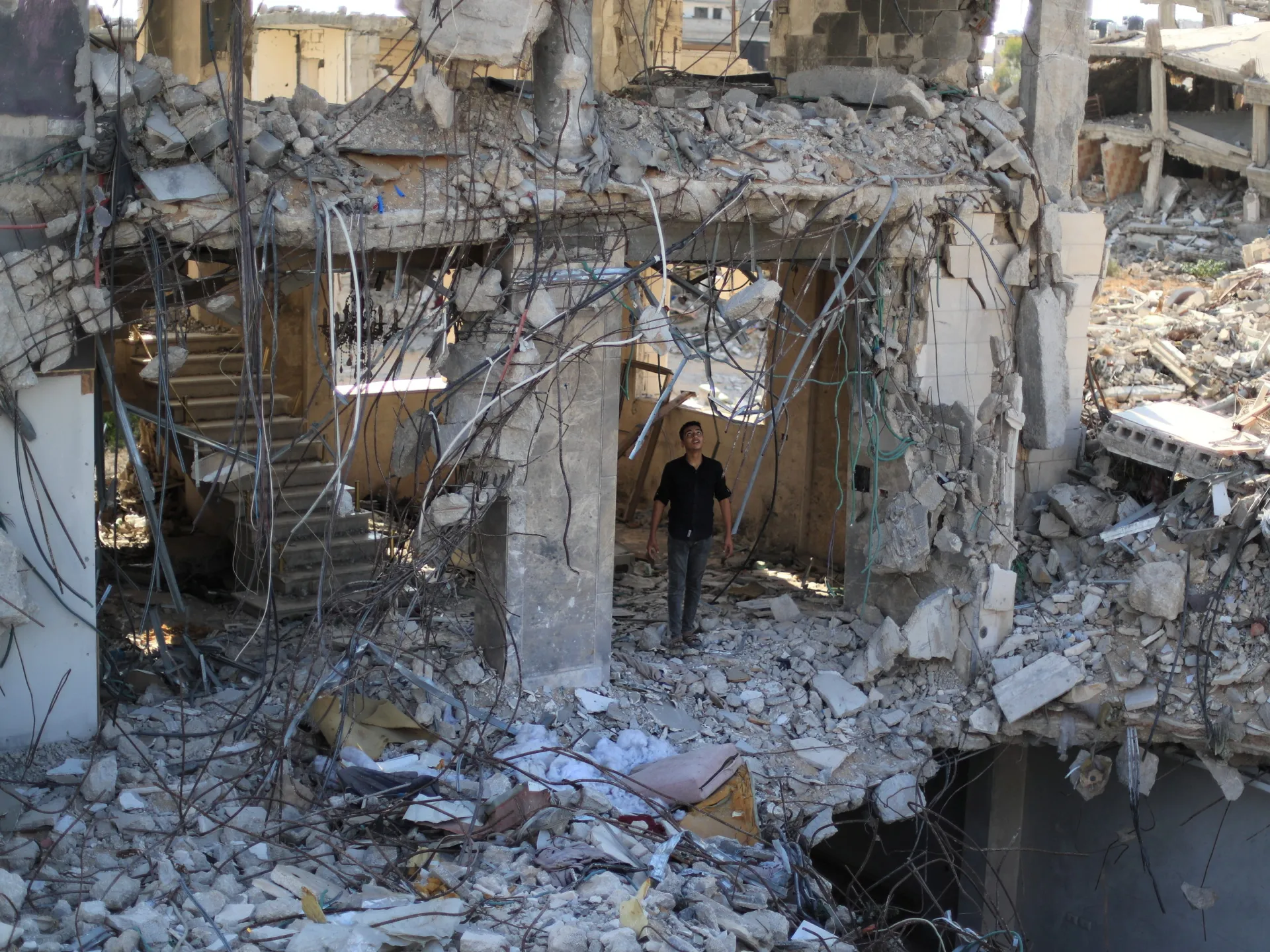
加沙的种族灭绝恐怖已经过去三年了。三年的死亡、破坏、绝望和厄运。
It has been three years of the genocidal horror in Gaza. Three years of death, destruction, despair and doom.
自去年10月所谓的“停火”生效以来,已有超过74,000人死亡,其中1,400人死亡。由于缺乏医疗保健,无数人也死于本可预防的死亡。
More than 74,000 people have been killed, including more than 1,400 since the so-called “ceasefire” took effect in October last year. Countless others have died preventable deaths due to lack of healthcare.
我们其余的幸存者生活在永久性的创伤中--我们无法开始从这种创伤中恢复过来,因为种族灭绝尚未停止。
The rest of us survivors live in permanent trauma – a trauma we can’t begin to recover from because the genocide has not stopped.
心理破坏的规模很难用言语来形容。国际组织已开始利用一些数字呼吁紧急关注“心理健康危机”。
The scale of the psychological devastation is difficult to put into words. There are some numbers that international organisations have started to use to call for urgent attention to the “mental health crisis”.
联合国人口基金的分析得出的结论是,加沙有超过一百万儿童需要心理社会支持,其中96%的儿童感到死亡迫在眉睫。
Analysis by the United Nations Population Fund has concluded that more than one million children in Gaza require psychosocial support, and 96 percent of them feel that death is imminent.
在青少年和年轻人中,约61%患有创伤后应激障碍(PTSD),38%患有抑郁症,41%患有焦虑症。一项研究估计,加沙约88%的成年人患有创伤后应激障碍。
Among adolescents and young adults, approximately 61 percent suffer from post-traumatic stress disorder (PTSD), 38 percent from depression and 41 percent from anxiety. One study estimated that some 88 percent of adults in Gaza have PTSD.
这些儿童和成年人以前已经因多次战争而受到创伤。到2020年,经过三个月的战争,加沙一半的儿童出现了创伤后应激障碍的症状。到2022年,71%的成年人患有抑郁症。
These are children and adults who had already been traumatised by repeated wars before. By 2020 – after three months-long wars – half of Gaza’s children displayed symptoms of PTSD. By 2022, 71 percent of adults had depression.
这些数字并没有说明,当康复的机会甚至还没有出现时,忍受创伤是什么感觉。我们以前经历过战争,但不是彻底的种族灭绝战争。
What these numbers do not say is what it is like to live with trauma when the chance of recovery is not even on the horizon. We had known war before, but not total genocidal war.
我们没有为此做好准备。2008年以色列军队入侵时,我们没有逃离家园。2012年、2014年和2021年以色列轰炸夷为平地时,没有采取掩护。
Nothing prepared us for it. Not running from our homes when the Israeli army invaded in 2008. Not taking cover when Israeli bombardment levelled homes in 2012, 2014 and 2021.
全面的、永无休止的战争是不同的。它压倒一切;它崩溃是因为它消除了生存的希望。我在书中读到过这件事。我想起了海明威的《告别,武器》。
Total, never-ending war is different. It overpowers; it crushes because it eliminates the hope of survival. I had read about it in books. Hemingway’s A Farewell to Arms comes to mind.
我记得对炮击和枪声的详细描述,对残缺的四肢、用担架抬走的尸体、像“屠夫”一样浑身是血的医生的详细描述。
I remember the detailed descriptions of shelling and gunfire, of mangled limbs, dead bodies carried away on stretchers, doctors covered in blood like “butchers”.
加沙的死亡并非如此。它有一种气味:火药味、燃烧的瓦砾味、腐烂的东西味。它有一种声音:导弹的呼啸声和废墟下传来的低沉尖叫声。它有一种纯粹的恐惧的身体感觉。
Death in Gaza is nothing like that. It has a smell: of gunpowder, of burning rubble, of something rotten. It has a sound: a whoosh of a missile and the muffled screams from under the rubble. It has a bodily feeling of pure terror.
我读到的战争散文中没有任何东西让我为我所看到和经历的事情做好准备。
Nothing in the war prose I read prepared me for what I have seen and experienced.
在战争的头两个月里,我附近的六所房屋遭到轰炸,我的60名邻居被杀。一枚炸弹离我们很近,炸破了我们家的墙壁和窗户,打伤了我的妹妹、我的母亲和我。
In the first two months of the war, six houses in my immediate neighbourhood were bombed, and 60 of my neighbours were killed. One bomb fell so close that it burst a wall and windows of our house, injuring my younger sister, my mother and me.
轰炸日夜不停。白天,烟雾会充满空气,遮住天空的蓝色。到了晚上,黑暗和灰尘会被手机手电筒刺穿,我们会冲着从废墟中挖出来。
The bombing was incessant – day and night. During the day, the smoke would fill up the air and hide the blue of the sky. At night, the dark and dust would be pierced by phone torches, as we would rush to dig our neighbours out of the rubble.
我看到一个孩子的尸体卡在一堵破碎的墙上,旁边是一名男子的断臂。我从废墟下挖出一具婴儿的尸体。
I saw a child’s body lodged in a shattered wall next to a man’s severed hand. I lifted the corpse of a baby from under the ruins.
我看到一位母亲从倒塌的房屋下爬出来,血从她的脸颊上流下来,而烟雾弥漫的脸尖叫着,惊恐的邻居们在粉碎的混凝土墙里寻找他们的家人。
I watched a mother get out from under a collapsed home, blood streaming down her cheeks, while smoke-filled faces screamed and terror-stricken neighbours rummaged through pulverised concrete walls looking for their families.
在一个可怕的日子里,我发现我八岁的学生穆罕默德脸朝下倒在废墟里。我把他翻过来,检查他的脉搏。没有脉搏,没有呼吸。他一直和他姐姐来我家上英语课。爆炸夺去了他无辜的生命,却放过了他的妹妹。我把她活着救了出来。经典是温柔的。加沙不是。
And one horrific day, I found my own eight-year-old student Mohammed face down in the rubble. I rolled him onto his back to check for a pulse. No pulse, no breath. He had been coming to my house for English lessons with his sister. The bombing took his innocent life, but spared his sister. I pulled her out alive. The classics are gentle. Gaza is not.
我的创伤就像弹片一样卡在我的身体里。一架无人机从我头顶飞过我的胸口就绷紧了。当我听到附近的枪声时,它和我握手。我觉得麻木了。我无法集中注意力。我几乎从不微笑。
My trauma is stuck in my body like shrapnel. It tightens my chest when a drone passes overhead. It shakes my hands when I hear the crack of gunfire nearby. I feel numb. I cannot concentrate. I almost never smile.
“世界打破了每个人,之后许多人在破碎的地方变得坚强。但那些不打破它的人会杀人。它公正地杀死了非常善良、非常温柔和非常勇敢的人,”海明威写道。
“The world breaks everyone and afterward many are strong at the broken places. But those that will not break it kills. It kills the very good and the very gentle and the very brave impartially,” Hemingway wrote.
事实上,战胜我们这些破碎的人民的不仅仅是创伤。这也是幸存者的内疚。最优秀和最高尚的人已经从我们身边夺走了。我失去了亲戚、朋友、学生:最聪明、最慷慨、最善良的人。
Indeed, it is not just the trauma that has overcome us, the broken people. It is also the survivor’s guilt. The very best and the most noble have been taken away from us. I have lost relatives, friends, students: the brightest, the most generous, the kindest.
我不再为了学习和充实自己而读书。我读书是为了忘记。我一直读书,直到我的视力变得模糊,昏昏欲睡,因为我试图将死亡的画面从我的脑海中抹去。
I no longer read to learn and enrich myself. I read to forget. I read until my vision gets blurry and sleep overcomes me, as I try to keep images of death out of my head.
小说不再能感动我、震惊我。我看到人性消亡,世界其他人却冷漠地看着。还有什么比这更虚构的呢?
Fiction can no longer move me, shock me. I saw humanity die and the rest of the world watch on, indifferently. What could be more fictional than this?