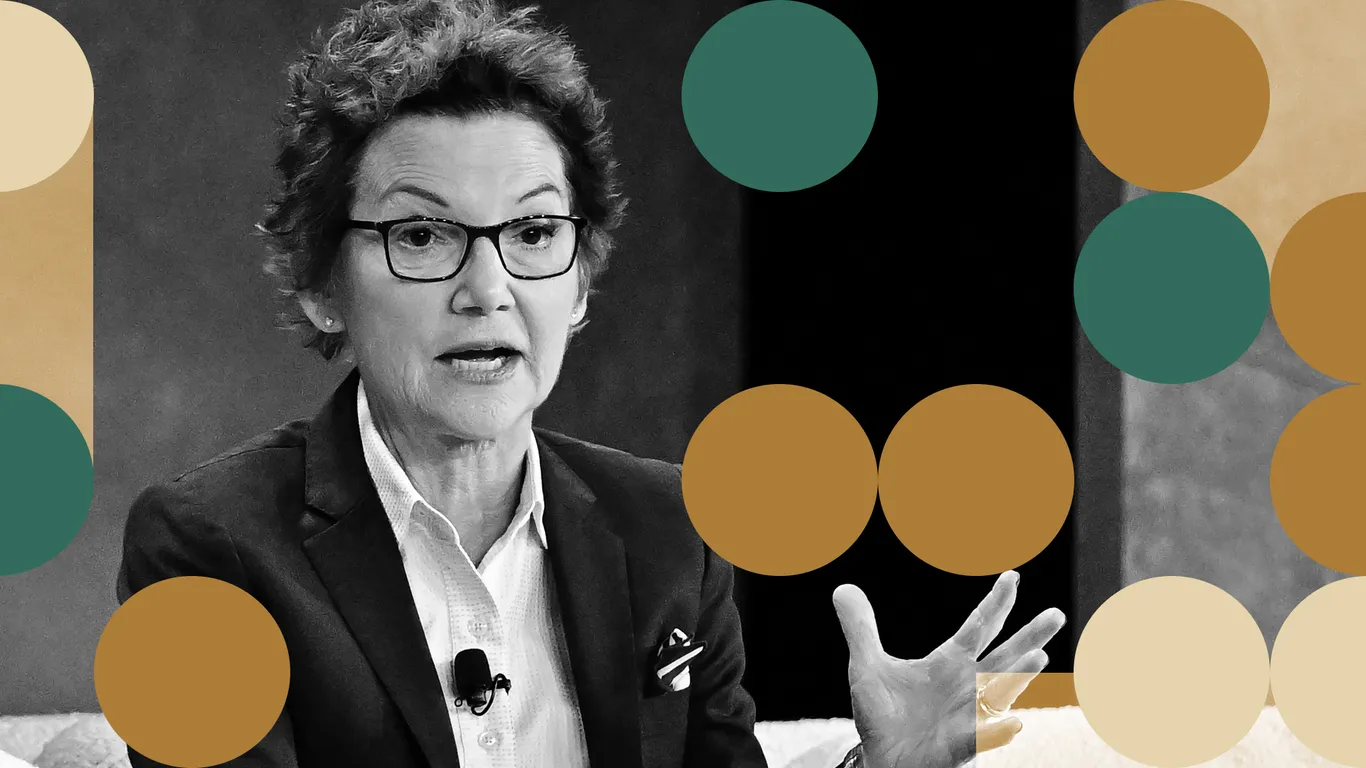
美国旧金山联邦储备银行行长玛丽·达利在接受Axios采访时表示,一些公司正为可能超越数据中心热潮本身推高价格的AI驱动的芯片紧张局面做准备。
Some companies are preparing for an AI-fueled chip squeeze that could push up prices far beyond the data center boom alone, Mary Daly, president of the Federal Reserve Bank of San Francisco, tells Axios.
为什么重要:通常来说,美联储可以忽视那些来去如风的供应冲击。但达利的担忧在于,人工智能、关税以及更高的能源成本可能会比预期持续更久或相互叠加,从而使通胀居高不下,并可能需要更加紧缩的政策。
Why it matters: The Fed can usually look through supply shocks that come and go. Daly's concern is that AI, tariffs and higher energy costs could last longer than expected or compound each other — keeping inflation elevated and requiring more tightening.
当前态势:达利表示,人工智能的需求可能会在供应赶上之前扩展到高端芯片之外的领域,从而延长冲击期,超过美联储通常预期的可忽视时间范围。
State of play: Daly says AI demand could spread beyond high-end chips before supply catches up, extending the shock beyond the period the Fed would normally expect to look through.
- 她说:“我认为这更像不是一次性事件。”她在谈到人工智能推动的芯片及其他科技价格上涨的压力时这样说道。
• "I see it less as a one-off," she says, referring to AI-driven pressure on chip and other technology prices.
- 达利表示,美联储通常认为这些冲击会在一到三年内消退。“这可能需要更久的时间才能得到缓解。”
• Daly says the Fed typically thinks in terms of shocks fading within one to three years. "This is probably further out before we get relief."
- “人工智能的需求似乎并没有下降,反而似乎在上升。”
• "It doesn't seem like the demand for AI is going down. If anything, it seems like it's going up."
聚焦分析:达利管辖的区域包括硅谷以及许多推动人工智能热潮的公司。在与商业联系的对话中,她表示,她开始听到一些迹象,表明公司正在为更紧张的芯片供应做准备——这表明人工智能热潮正开始改变数据中心部门以外的采购和产品设计决策。
Zoom in: Daly's district includes Silicon Valley and many of the companies driving the AI boom. In conversations with business contacts, she says, she's starting to hear signs that companies are bracing for tighter chip supplies — suggesting that the AI boom is beginning to alter purchasing and product-design decisions outside the data center sector.
- 达利表示,一些公司正在寻求签订内存芯片的提前采购合同“这样他们就知道自己有供应商。”
• Daly says that some firms are seeking forward contracts for memory chips "so that they know they have a supplier."
- 这些合同可以为公司提供对未来供应的更多确定性——这是内存芯片领域的一个值得注意的发展,因为这是一个快速贬值的市场,公司通常没有太大的理由提前锁定芯片。
• Those contracts can give companies more certainty about future supply — a notable development in the memory sector, a fast-depreciating market where firms typically have less reason to lock in chips ahead of time.
- 达利表示,一些公司也开始“对其产品进行重新设计”,以减少对芯片的依赖,从而在供应紧张时有更多的应对空间。
• Daly says some companies are also beginning to "reengineer their products" to rely less on chips, giving them more room to maneuver in case supplies tighten.
- 她说:“我看到这是一个信号,表明人们对此可能存在一些担忧。”
• "I see that as a signal that there is a little bit of concern this is going to sp What to
令人担忧的是,对人工智能硬件的抢购可能会与汽车、家电及其他产品所需的芯片需求产生竞争,从而重现疫情后导致物价上涨的那些供应瓶颈,戴利说道。
The fear is that the scramble for AI hardware begins competing with the chips used in cars, appliances and other goods — recreating some of the bottlenecks that drove prices higher after the pandemic, Daly says.
- 她以疫情后的汽车行业为例:当时芯片短缺致使制造商无法完成整车生产,进而推高了汽车价格。
• She points to autos after the pandemic, when chip shortages left manufacturers unable to finish vehicles and pushed prices higher.
- 目前的风险在于,对人工智能专用设备的需求可能波及整个半导体市场,导致那些与数据中心关联不大的企业成本上升。
• The risk now is that demand for AI-specific equipment spills into the broader semiconductor market, raising costs for companies with little connection to data centers.
矛盾点:随着人工智能引发的物价压力不断扩散,美联储可能面临一个棘手难题。那些推动人工智能产业繁荣的企业,恰恰是对利率变动最不敏感的群体。
Friction point: The Fed could face an awkward problem as AI-driven price pressures spread. The companies fueling the boom are also among the least sensitive to higher interest rates.
- “这些大型科技企业受利率变动的影响不大,”戴利说道。不过她也指出,随着这些企业日益依赖借贷来推进人工智能相关建设,其对利率的敏感度可能会随之提高。
• "These hyperscalers aren't very interest rate-sensitive," Daly says, though she notes they could become more so as they increasingly rely on borrowing to finance the AI buildout.
- 戴利表示,人工智能领域的巨额支出主要集中在大型科技企业身上,但也有大量其他投资该技术的企业对借贷成本更为敏感。
• Daly says the biggest AI spending numbers are concentrated among hyperscalers, but plenty of other companies investing in the technology are more sensitive to borrowing costs.
- 这意味着,即便利率上调对处于产业繁荣核心的企业影响有限,仍有可能抑制整体经济及通胀走势。
• That means higher rates can still restrain the broader economy and inflation outlook, even if they do less to slow the firms at the center of the boom.
- “我认为紧缩的货币政策确实会对通胀前景产生影响,”戴利说道。
• "I do think tightening policy has an effect on the outlook for inflation," Daly says.
总结:人工智能产业的蓬勃发展正成为美联储面临的新一轮通胀风险:这一风险可能沿着供应链扩散,持续多年,且单纯依靠加息手段难以有效缓解。
The bottom line: The AI boom is emerging as a fresh inflation risk for the Fed — one that could spread through supply chains, linger for years and prove more difficult to cool with higher interest rates.
戴利重申对加息的支持三周前,戴利明确表示支持美联储加息。与多数美联储高层官员的做法一致,她并未透露自己是否主张进一步采取紧缩措施。
Daly affirmed her support for the Fed's interest rate hike three weeks ago, and, as has become the norm among top officials, declined to say much about whether she advocates further action.
- 不过她也透露了影响自身判断的关键因素:今年推高通胀的能源、贸易及其他各类冲击是否出现缓和迹象。
• But she did give a sense of what will shape her view: whether the energy, trade and other shocks that have pushed up inflation this year show signs of abating.
各方观点:“我对我们在9月份实施的加息举措感到非常满意,也全力支持这一决定,”戴利说道。“在当前阶段,为应对通胀风险上升的局面,加息显然十分必要。”
“未来是否还需要进一步加息,则取决于我刚才提到的那些条件,”她补充道。
What they're saying: "I was very pleased, very supportive of the rate hike we took in September," Daly says. "It seemed completely necessary at this juncture to respond to the fact that inflation risks have gone up." • "Whether more will be needed depends on the same set of conditions ... that I mentioned," she says.
“倘若我们所经历的这些冲击——关税政策、中东冲突引发的油价波动以及人工智能带来的影响——最终都只是暂时性的常规冲击,那么我们或许就无需再加息了。目前来看,这种可能性依然存在。”
• "If the shocks that we've experienced — tariffs, oil prices from the Middle East conflict, and then AI — if they prove to be conventional shocks where they come, they go, and they have temporary effects, then we may not need more. And I still have some probability on that."
“不过,如果这些冲击相互叠加,或者持续的时间超出预期……倘若第二轮关税谈判又导致更多关税出台,那就意味着在原有冲击基础上又出现了新的冲击,从而延长这些冲击产生影响的时间周期。”
• "But if they either compound each other or they just simply last longer than we had forecast that they would ... if we have a second round of tariff negotiations that result in more tariffs, then that would be a second shock on top of a first shock. That would extend the period of time over which those shocks would play out."
随后她又补充道:美联储政策委员会(FOMC)“绝不会忽视劳动力市场的变化。我们会继续审慎决策,仔细研判这些冲击是会逐渐消退还是会相互叠加,同时也要判断基础通胀水平是否正在加速上升。”
She later added that the Fed's policy committee, the FOMC, is "not going to lose track of the labor market, and we're going to continue to be careful in our deliberations so that we can really dissect whether those shocks are going to roll off or whether they're going to compound, and whether we think that underlying inflation is gaining momentum or it's not."
值得注意的一点是:这种观点与委员会中部分立场更为强硬的成员所持观点有所不同。后者认为当前货币政策与整体经济状况脱节,亟需作出调整。
Of note: This framing differs from a view that monetary policy is out of whack with the broader state of the economy and needs adjustment, as heard from some of the more hawkish voices on the committee.
- 戴利的论述表明:只要未来几周或几个月内地缘政治局势趋于平稳,她并不排斥停止加息的可能性。
• Daly's argument implies openness to being done with rate hikes if geopolitical events cooperate in the coming weeks and months.
相比之下,她的部分同僚则认为当前经济环境中存在多种推高通胀的因素,因此有必要对货币政策作出相应调整。
By contrast, some of her colleagues see an economy with broader inflationary forces at play that compel an adjustment to the monetary dials.
- “在我看来,鉴于经济形势的变化,我们此前的政策立场已不合时宜,因此我们做出了正确方向的调整,”美联储理事迈克尔·巴尔上个月说道。
• "In my view, given changes to the economy, we were out of position, and we made an adjustment in the right direction," Fed governor Michael Barr said last month.