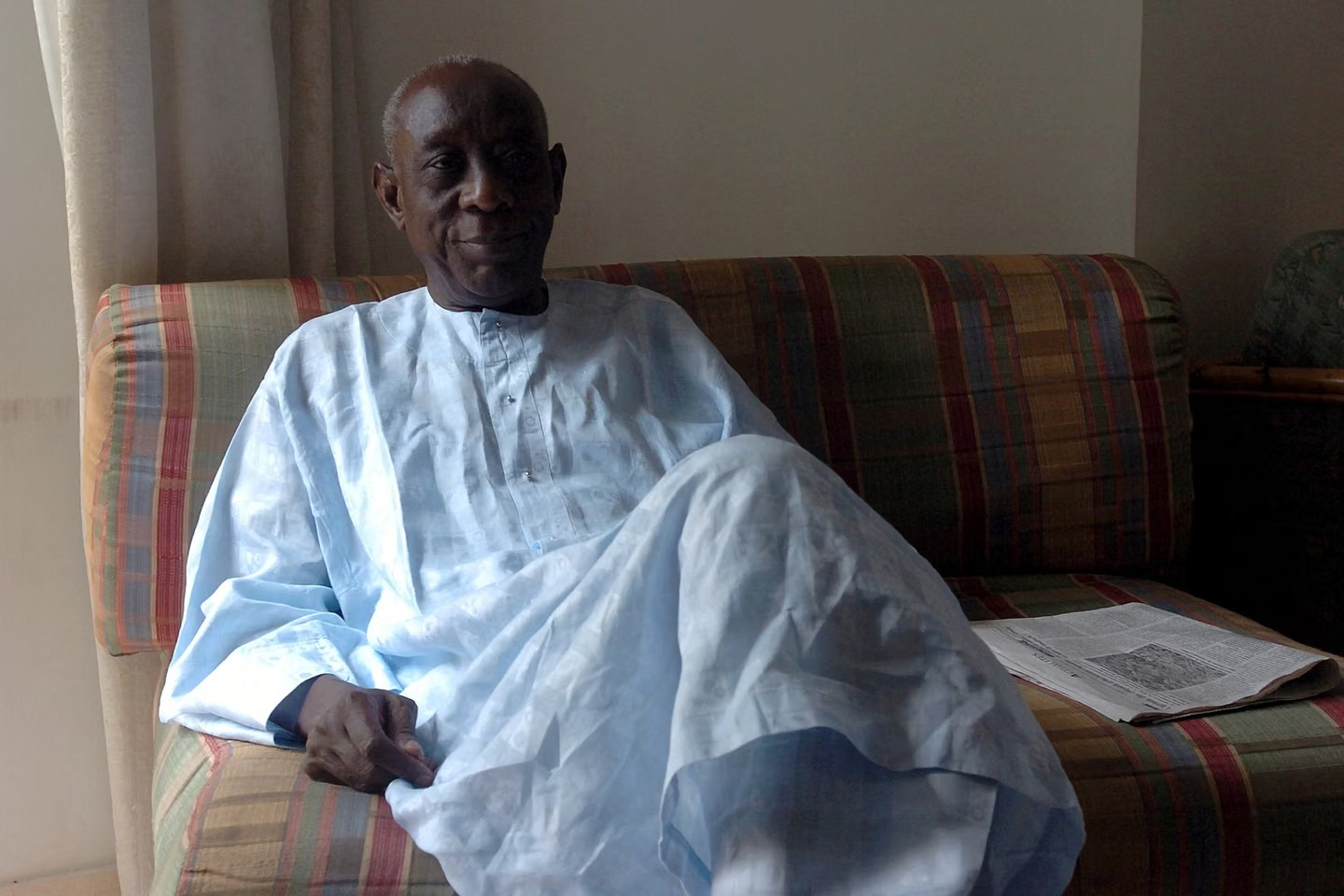
谢赫·哈米杜·凯恩堪称塞内加尔的标志性人物,他的一生与国家的命运紧密相连。这位塞内加尔作家终生勤勉,即便年事已高仍对知识抱有无限渴求。2018年4月,在他90岁生日刚过几天时,这位虔诚的穆斯林依然满怀憧憬。在接受《世界报》采访时,他透露自己正着手创作一部关于曼丁卡帝国创立者松迪亚塔·凯塔(1190-1255)的动画电影。
Cheikh Hamidou Kane was one of those iconic figures, a leading light whose life story became intertwined with that of his nation. The Senegalese author was tireless, driven by an insatiable thirst for knowledge, even well into his old age. In April 2018, just days after his 90th birthday, the devout Muslim was still looking ahead. Speaking with Le Monde, he had mentioned his latest project: Writing an animated film about Sundiata Keita (1190-1255), the founder of the Mandinka Empire.
塞内加尔民众早已将凯恩视为国家历史叙述中不可或缺的声音。作为从殖民时期到现代国家建立全过程的亲历者与见证者,他承载着这个国家鲜活的历史记忆。2019年10月3日,这位98岁的老人在达喀尔与世长辞。
Senegalese people had come to see Kane's presence as immutable, so key was his voice in shaping the narrative of their past. As a witness and participant in Senegal's contemporary history, from colonization to the modern state, Kane embodied part of the country's living memory. He died in Dakar on October 3, at 98.
凯恩1928年4月2日生于塞内加尔北部的马塔姆,是独立后塞内加尔最重要的作家与政治领袖。他最著名的作品是小说《暧昧的冒险》,这部充满哲学思辨的作品堪称非洲文学的经典之作。自20世纪60年代起,这部跨越时代的作品便成为非洲各国院校的必读教材,并被翻译成40种语言。该书由朱利亚尔出版社与非洲存在出版社于1961年联合出版,正值众多非洲国家相继独立之际,小说深刻反映了新独立国家所面临的迷茫与身份认同困境。
Born in Matam, northern Senegal, on April 2, 1928, Kane was a major writer and leading statesman of independent Senegal. He is best known for his novel L'Aventure Ambiguë (Ambiguous Adventure), a philosophical account and classic of Africa's literary heritage. Since the 1960s, the transgenerational book has been studied in countless schools and universities across the continent and translated into 40 languages. First published by Julliard/Présence Africaine in 1961, a year after a wave of African countries gained independence, the novel powerfully captures the newly born nations' doubts and disoriented identities.
通过主人公桑巴·迪亚洛这一文学化身,凯恩引发了关于“他者性”这一核心命题的广泛讨论。
本文尚有78.29%的内容尚未展示,剩余部分仅限付费用户阅读。
Through the character Samba Diallo, his literary alter ego, Kane opened up a debate central to the idea of otherness.