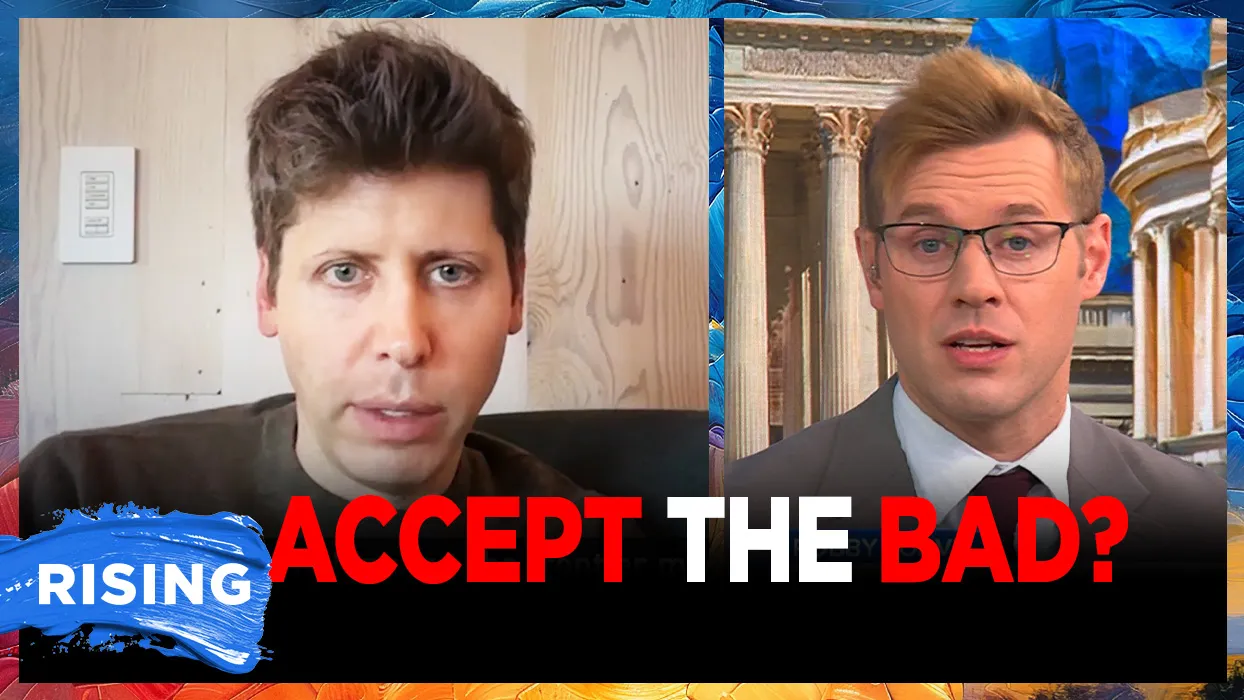
OpenAI首席执行官萨姆·奥特曼表示,为了推动人工智能的发展并收获技术进步的益处,我们应该做好准备,接受由此可能带来的一些负面后果。而且你猜怎么着?他说得没错!只要花几秒钟想一想,就会明显意识到他的观点是正确的。然而,这句话却被描绘成一种近乎黑暗的坦白,仿佛奥特曼愿意为了追逐自己鲁莽的梦想而毁掉整个世界——这与他的竞争对手Anthropic公司的达里奥·阿莫迪截然不同,后者更倾向于让AI缓慢发展,并接受政府的明确监管。
OpenAI CEO Sam Altman says that in order to advance artificial intelligence and reap the benefits from technological growth, we should be prepared to accept some bad things happening as a consequence. And guess what? He’s right! He’s obviously right, if you think about it for just a few seconds. However, this line is being portrayed as some kind of dark confession that Altman is willing to burn the world in order to pursue his reckless dream — unlike his rival, Anthropic’s Dario Amodei, who is much more in favor of growing AI slowly and with the government’s explicit regulatory policing.
现在,我必须承认,我认为AI确实开始面临一些形象问题,我也希望这些CEO在措辞上能更加谨慎,不要再给所有人造成一种他们不关心技术可能带来巨大危害的错误印象。但最终,奥特曼的观点是正确的:即使新技术会带来一些负面影响,只要它总体上能为人类带来显著进步,就值得去发展。
Now look, I definitely think AI is starting to develop a bit of an image problem, and I wish the CEOs would be a bit more careful with their words, and stop giving everybody the wrongful impression that they don’t care if technology causes some massive harm. But ultimately, Altman is right that new technology is worth it, even if there are some associated harms, if overall the improvements for humanity are significant.
汽车每年都与数千起死亡事故相关,也就是说,这项技术确实造成了危害——甚至导致了真实生命的丧失。但我们依然接受它,因为汽车让交通变得前所未有的便利,是一项巨大的进步。我们接受了这种权衡。事实上,我们总是这样做。
The automobile is associated with thousands of deaths every year, so there’s a technology that causes some harm — some real loss of life. But we accept that, because cars have made transportation far easier and are just simply a massive improvement. We accept the tradeoff. We do this all the time.
对于AI,或者任何事物而言,人们很容易“只见树木,不见森林”。人们很容易注意到其中的危害——比如一定程度的失业——却忽略了巨大的益处:例如,更精准、更早的医疗诊断将极大改善医疗服务,拯救成千上万甚至数百万人的生命。
With AI, or really anything else, it’s easy to miss the forest for the trees. It’s easy to notice the harm — some amount of job loss, for instance — and miss the huge benefit: say, vastly more accurate and earlier medical diagnoses leading to huge improvements in medical care and thousands or millions of lives saved.
再拿汽车来说:自动驾驶汽车实际上在安全性方面是一项巨大的进步,每年可能拯救数千条生命。但没错,在某个时刻,自动驾驶汽车终究会发生事故,而人们会将这视为一种危害。
Or just take cars again: Driverless cars are actually a huge improvement on safety and could save thousands of lives every year. But yes, somewhere, at some point, a driverless car is going to be in an accident, and people are going to identify that as a harm.
我们评判的标准不应该是“危害”本身,而应该是“在权衡利弊之后,这种危害是否值得”。
The standard shouldn’t be harm itself, but harm when measured against benefits.
阿尔特曼似乎明白这一点;而他的竞争对手——Anthropic公司——却并不理解这一点。Anthropic公司希望国会或总统能够对人工智能的发展速度设定严格的限制。阿莫迪(Amodei)认为政客们有能力做出这样的决定,但我对此持怀疑态度;我非常怀疑政府能否制定出合适的限制措施。虽然我不赞成大家互相起诉,但要想制定出真正能够解决人们所面临问题的法律,最好的办法就是让技术自然发展。
Altman appears to understand this; it’s his rival at Anthropic who does not. Anthropic wants Congress or the president to set strict limitations on how fast AI is allowed to grow. Amodei thinks politicians are qualified to make those determinations. I do not. I am very skeptical that the government is going to set the correct limits. And while I’m not a fan of everybody suing everybody else, one way you can get laws that are responsive to actual harms people encounter is to just let things develop.
如果技术确实造成了伤害,有人会提起诉讼,然后法官或陪审团会作出裁决,从而明确技术的使用范围并对其进行约束。例如,目前并没有法律规定麦当劳咖啡的加热温度;但曾有一位女性因为咖啡烫伤而起诉麦当劳,最终获得了数百万美元的赔偿,麦当劳也因此降低了咖啡的加热温度。有些人可能会认为这种诉讼很荒谬,但实际上这是市场机制在发挥作用,从而促使法律得以制定的一个例子——而政府并没有直接介入。
If there’s some harm created by the technology, somebody sues, and then you get a decision from a judge or a jury that actually helps clarify the limits of the technology, reining it in. There’s no law, for instance, that tells McDonald’s how hot it’s allowed to brew its coffee, but at one point, a woman spilled the coffee on her lap and came away with serious burns all over her body. She sued, won millions of dollars, and McDonald’s turned down the heat. People often call out this lawsuit as ridiculous in some way, but actually it’s an example of market mechanisms resulting in a kind of legislation without the government doing a thing.
如果最终人工智能的监管是通过这种方式实现的(而不是由国会制定随意的法规,或者更糟糕的是政府直接控制人工智能的发展),我也不会感到惊讶。需要记住的是,阿莫迪曾表示愿意将人工智能的控制权交给政府机构……但我们不希望这样:我们需要竞争机制;这是我们作为美国人、受益于自由市场体系的优势所在。
It wouldn’t surprise me if that’s ultimately going to be how we get good regulation on AI, rather than Congress setting some completely arbitrary regulation, or worse, simply taking over the product itself. Remember that Amodei said he’d be willing to hand over control of AI to a group of governments. We don’t want that: We want competition. That’s the edge we have as Americans who benefit from a free market system.
当然,当阿尔特曼暗示“无辜的谎言”可能会被牺牲时,他的言辞听起来确实有些令人不安(我希望他不要这么说!),但事实是:随着人工智能技术的不断发展,我们必须学会接受一些负面后果,以换取巨大的繁荣以及健康、财富和预期寿命的显著提升。
Now I know Altman can sound a bit sinister when he implies that innocent lies can and will be sacrificed, and I wish he wouldn’t do that! But the point stands: As AI gets better and better, we’re going to have to learn to stomach some negative outcomes in exchange for vast prosperity and improvements in our overall health, wealth and life expectancy.
罗比·索阿夫(Robby Soave)是《国会山报》评论节目《崛起》(Rising)的联合主持人,也是《理性》杂志的高级编辑。本专栏是他每日评论的编辑版文字记录。
Robby Soave is co-host of The Hill’s commentary show “Rising” and a senior editor for Reason Magazine. This column is an edited transcription of his daily commentary.