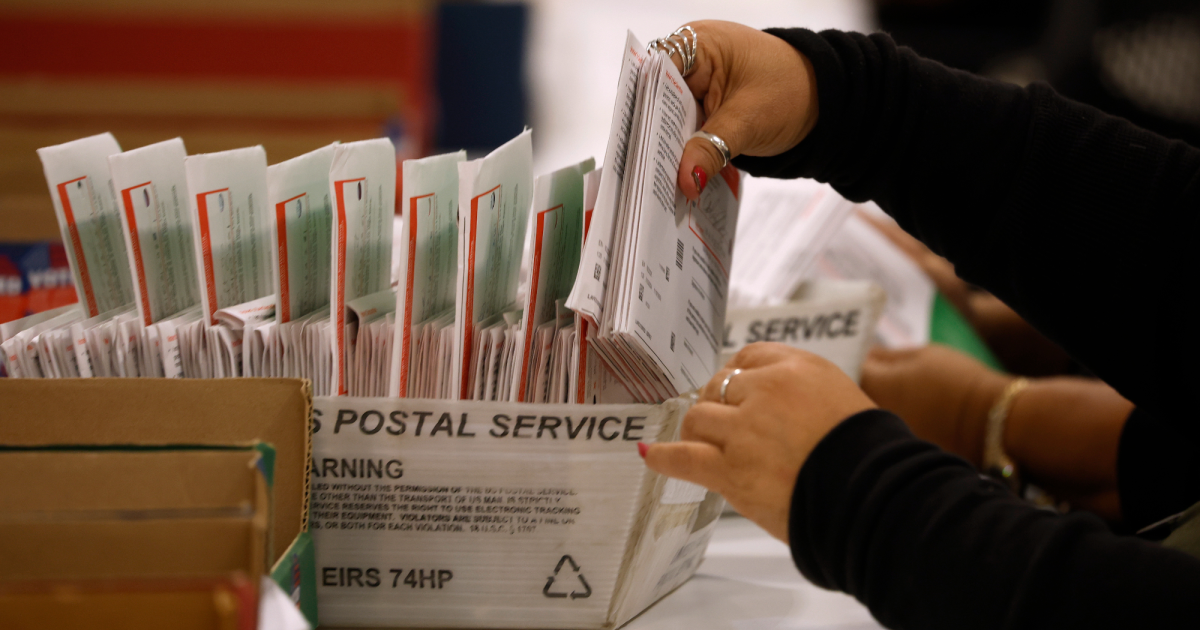
联邦法院推翻了一项加利福尼亚州的规则,该规则要求选民在邮寄选票时必须在纸上签署并返回选票,而不是通过电子方式完成。该裁决于10月3日宣布,对残疾选民来说是一次胜利,但在下一次选举周期之前可能不会对情况产生太大改变。
A federal courtstruck down a California rule that required voters to sign and return vote-by-mail ballots on paper, rather than doing so electronically. The ruling in , announced October 3, is a victory for disabled voters—but it probably won’t change things much until the next election cycle.
自2021年以来,加利福尼亚州为所有选民邮寄选票,适用于所有州级和地方选举。拥有打印障碍的选民——包括失明或视力低下的人士,或是由于身体残疾无法在纸上作标记的人士——可以请求链接以电子方式投票。他们在计算机上填写选票后,必须将其打印出来,放入信封,封好信封,并通过非电子方式返回。然而,由于许多失明人士没有打印机(因为他们没有使用打印机的需求),这一过程变得更加复杂。这仅仅是他们在当前邮寄选票规则下可能面临的众多障碍之一。
Since 2021, California has mailed ballots to alled voters for all statewide and local elections. Voters with print disabilities—those who are blind or low-vision, or whose physical disabilities prevent them from marking a paper ballot—can request a link to vote electronically. After filling out their ballot on a computer, they must print it, put it in an envelope, seal the envelope, and return it “through non-electronic means.”This is complicated by the fact that many blind people don’t own printers, because they have no use for them. And that’s only one of the obstacles they might face under the current vote-by-mail rules.
克里斯托弗·格雷,居住在旧金山县,是这起诉讼的原告之一,他失明。在当前的系统下,正如他在2024年向法庭提交的声明中所写的那样,他无法在没有帮助的情况下完成投票。
Christopher Gray, a resident of San Francisco County and a plaintiff in the lawsuit, is blind. Under the current system, as he wrote in a 2024 court declaration, he is unable to vote without assistance.
理论上,他可以使用虚拟邮寄选票,通过自己的辅助技术(包括配备盲文功能的计算机)独立填写选票。
He could theoretically vote using a virtual vote-by-mail ballot, which he can fill out unassisted using his own assistive technology, including a Braille-equipped computer.
但是,对于他来说,打印选票、找到签名的位置、将其放入信封、封好信封并在没有帮助的情况下寄回,这都是不可能的。格雷写道:“由于缺乏一种便于我通过邮件返回选票的无障碍方法,当我投票时,我不得不放弃我私密和 confidential 投票的权利。”
But printing the ballot, finding where to sign it,g it, putting it in an envelope, sealing it, and returning it without assistance is not possible for him. “Because of the lack of an accessible method of returning my ballot by mail, when I vote I must forgo my right to vote confidentially and privately,” Gray wrote.
2022年大选期间,格雷最终聘请了一名助手来帮助他填写选票,但在这样做的过程中,他被迫放弃了这种隐私和独立性。他还放弃了对选票是否已提交的确定性。他说:“虽然我信任我的读者,但我无法独立确认他们准确标记了我的选票并代表我邮寄了。”
During the 2022 general elections, Gray ended up paying an assistant to help him fill out his ballot—but in doing so, he was forced to give up that privacy and independence. He also gave up his certainty that his ballot had been submitted at all. “Though I trusted my reader, I could not independently confirm they accurately marked my ballot and mailed it on my behalf,” he said.
他和其他原告认为,目前的邮寄投票计划歧视那些在没有帮助的情况下无法退回选票的选民。格雷写道:“我希望以私人和独立的方式投票,就像没有印刷障碍的选民在我的州所能做的那样。”“只有当我有邮寄选票返回的替代可访问选项时,我才能这样做。”法院裁定,目前的邮寄投票系统确实排除了一些残疾选民,并“剥夺了他们有效地使用邮寄投票计划”,正如治安法官萨利·金(Sallie Kim)所写的那样。
The vote-by-mail program, as it stands, discriminates against voters who cannot return their ballots without assistance, he and the other plaintiffs argued. “I want to vote in a private and independent manner just as voters without print disabilities are able to do in my state,” Gray wrote. “I will be able to do so only if alternative accessible options for returning a vote-by-mail ballot are available to me.”The court ruled that the current vote-by-mail system does exclude some disabled voters, and “denies them meaningful access to the vote by mail program,” as Magistrate Judge Sallie Kim wrote.
然而,法院没有具体说明解决方案。加州州现在必须在10月19日之前提出新的邮寄投票协议,由于加州选票已经寄出,任何可能做出的改变都不会在下一个选举周期之前生效。
The court, however, did not specify a resolution. The state of California now has until October 19 to propose a new vote-by-mail protocol, and since California ballots have already been mailed out, any changes made likely will not take effect until the next election cycle.
正如民主档案报道的那样,“32个州允许某些选民进行电子缺席选票返回,其中13个州为残疾选民提供了特定的例外。”
As Democracy Docket has reported, “32 states allow for electronic absentee ballot return for certain voters, with 13 of these states providing a specific carveout for voters with disabilities.”