前,一场席卷南澳大利亚州的风暴似乎给能源转型造成了致命的打击。
Just over 10 years ago, a wind storm sweeping through the state of South Australia appeared to deal a death blow for the energy transition.
暴风中的龙卷风风速接近每小时300公里(186英里),对两条输电线的损坏逐渐演变成一次紧急情况,导致该州电网关闭了八个小时,随着夜幕降临,85万人陷入了黑暗。该州唯一的一座煤电厂刚刚在四个月前关闭。风能和太阳能占电力的42%,这一水平当时仅被丹麦追上。正如去年西班牙发生的类似事件一样,评论人士得出了显而易见但错误的结论:清洁能源是罪魁祸首。
With tornado winds gusting to nearly 300 kilometers (186 miles) per hour, damage to two transmission lines cascaded into an emergency that shut down the state’s grid for eight hours, plunging 850,000 people into darkness as night drew in. Its only coal power plant had closed just four months earlier. Wind and solar supplied 42% of electricity, a level only matched at the time by Denmark. As with a similar incident in Spain last year, commentators drew the obvious, false conclusion: Clean energy was to blame.
该国最大的钢铁制造商首席执行官警告称将面临能源灾难。前澳大利亚总理托尼·阿伯特警告道:“依赖可再生能源是疯狂的行为。”经济学家阿兰·莫兰引用所称澳大利亚一位顶尖电力市场监管者的私人言论做出了一项令人绝望的预测:“最终,整个系统将崩溃。”面对这样的危言耸听,我们几乎无法不笑。十年过去了,除了2019年一次事件外,再没有发生过停电事故——那次是由于维多利亚州邻州热浪期间煤电机组停运溢出到该州所致。
The chief executive officer of the country’s biggest steelmaker warned of an energy catastrophe. “Trying to rely on renewables is mad,” warned former Prime Minister Tony Abbott. Quoting what he said were the private comments of one of Australia’s leading power market regulators, economist Alan Moran had a grim prediction: “In the end the system must collapse.”It’s hard not to laugh at the alarmism. A decade on, there’s been no repeat of the blackout, barring an incident in 2019 when the shutdown of coal generators during a heatwave in neighboring Victoria spilled over the state border.
电力生成量几乎增加了一 quarters。可再生能源现在已占总电力的三 quarters,并有望明年达到100%。
Electricity generation has increased by nearly a quarter. Renewables now provide three-quarters of the total, and are on track to hit 100% next year.
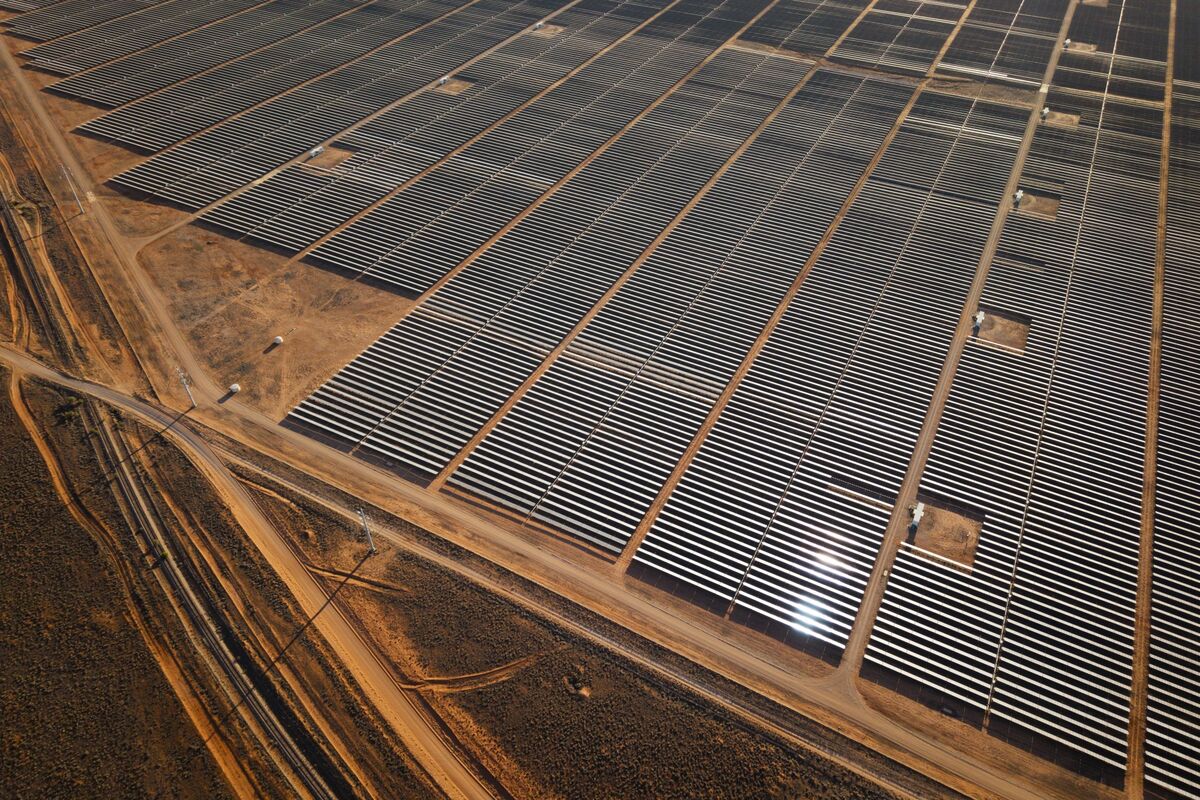
光伏发电实在是太丰富了,以至于近几个月来,电价在近三分之一的白天时间里甚至出现了负值。家户可以选择签订电费方案,每天获得三小时免费用电。那么,一个完全脱碳的电网是什么样子?你无需猜测——它已经在发生了。
Photovoltaic electricity is so abundant that prices in recent months have been negative for almost a third of daylight hours. Households are entitled to sign up to tariffs giving them three hours of free electricity a day. If you’re wondering what a fully decarbonized grid looks like, you don’t need to speculate — it’s already happening.
这次能源转型最引人注目的特点,就是它的平淡无奇。与那些悲观的预测恰恰相反,南澳大利亚的经济并未因化石能源产业的衰退而受损。事实上,过去十年里,按人均计算,该州的经济增速在全澳大利亚都名列前茅。我本希望能报道说这些免费的电力让电费大幅下跌,但实际情况却平淡得令人安心:由于太阳能仅能在白天起到压低电价的作用,批发电力价格总体上仍保持稳定。
The most striking thing about this transition is how mundane it has been. In contrast to the forecasts of doom, South Australia’s economy hasn’t lost out from the decline of fossil power. Indeed, on a per-capita basis the state has been among the fastest-growing in Australia over the past decade. I’d like to be able to report that all that free electricity has sent power bills tumbling, but the result is reassuringly boring: With solar only holding down costs during daylight hours, wholesale electricity prices have remained roughly stable.
不过其他国家仍应予以重视,因为南澳大利亚的先行之举往往会引领全球趋势。2016年大停电事件引发广泛讨论后,最具深远影响的一项举措竟出自一个出人意料的源头——埃隆·马斯克那些博人眼球的网络行为。
Other countries should nonetheless be paying attention, because where South Australia leads, the rest of the world follows. Amid the debate in the wake of the 2016 blackout, one of the most consequential moves came from an unlikely source: The attention-seeking online habits of Elon Musk.
当时他在推特上向同为科技界亿万富翁的迈克·坎农-布鲁克斯打赌:自己能在100天内建成一座100兆瓦的电网储能电站。这看似是马斯克一贯的夸夸其谈——不久之后他还在营救泰国少年足球队的事件中信口开河、出言不逊。然而这次豪言竟成真了。
On Twitter, he bet fellow tech billionaire Mike Cannon-Brookes that he could install a 100-megawatt grid battery within 100 days. It seemed a typical piece of grandiosity from Musk, who would soon switch to making wild promises and insults around the rescue of a Thai football team. But the boast turned out to be prophetic.
霍恩斯代尔储能电站不仅如期建成,其所代表的技术也从此成为能源转型的核心要素。如今全球电网上的此类储能容量已超30万兆瓦,相当于每天新增三座霍恩斯代尔电站的储能能力。其中规模最大的电站储能能力更是达到霍恩斯代尔电站的50倍以上。这类储能技术还能有效消纳过剩的太阳能,并在日落后释放电能,从而通过价格优势抑制天然气价格、降低用电高峰期的电价。预计在今后两年内,仅南澳大利亚州接入电网的储能容量就有望超过当地所有化石能源发电厂的发电能力。
Not only was the Hornsdale battery installed on schedule: The technology it represented has since become fundamental to the energy transition. Worldwide, there’s now more than 300,000 megawatts of such battery capacity on the grid, with the equivalent of three Hornsdales added every day. The biggest holds more than 50 times as much energy. Storage of this sort is even helping to mop up all that excess solar power and send it out after sunset, helping reduce peak prices by undercutting gas. As some point in the next two years, the amount of batteries connected in South Australia alone is likely to overtake the capacity of the state’s remaining fossil-fuel plants.
那些传统的发电设备如今数量与发电量都在迅速减少。现存的燃气轮机几乎全部被用作备用机组,仅在可再生能源发电量下降时才会短暂启动。去年,南澳大利亚州仅存的一座所谓“基荷电厂”将其两台涡轮机中的一台改为备用模式,并新增了一组200兆瓦的蓄电池组。
Those conventional generators are now rapidly dwindling in number and output. The gas turbines that remain exist almost entirely as a backup fleet, which can be switched on briefly when renewable sources dip. The sole remaining so-called baseload power station last year switched one of its two turbines so it can operate as back-up instead of always-on generation, and added a 200MW battery as well.
并非所有地区都能像南澳大利亚州这样顺利实现能源转型。作为澳大利亚主电网中规模较小的区域,该州可以依靠周边地区——自身发电不足时从邻州购电,电力过剩时则向外输送。这里拥有广袤的阳光充足、风力强劲的内陆地区,因此可再生能源资源远比孟加拉国、新加坡等国丰富。
Not every place will find the transition as South Australia. As a relatively small corner of Australia’s main electricity grid, the state can lean on its neighbors — importing power when its own generation falls and exporting it when there’s a surplus. Blessed with vast expanses of sunbaked, windswept outback, it’s naturally richer in renewable resources than the likes of Bangladesh and Singapore.
不过,南澳大利亚州的成功恰恰证明了那些呼吁放缓清洁能源转型的声音并不值得听从。短短二十年时间,可再生能源在该州发电结构中的占比便从1%跃升至100%以上。尽管此前有诸多关于能源转型将引发灾难的预言,但实际结果却平淡无奇,甚至几乎未引起公众注意。至少在这里,能源转型已然完成——并非因为失败,而是因为取得了超出所有人预期的成果。
Still, its success in proving the doubters wrong should be evidence that similar calls to slow down the switch to clean power shouldn’t be heeded. By the end of next year, renewables will have taken just two decades to go from 1% of South Australia’s generation to more than 100%. For all the predictions of catastrophe, the result has been so humdrum as to have almost escaped notice. Here, at least, the energy transition is over — not because it failed, but because it succeeded beyond anyone’s expectations.
意见反馈:
OPIN