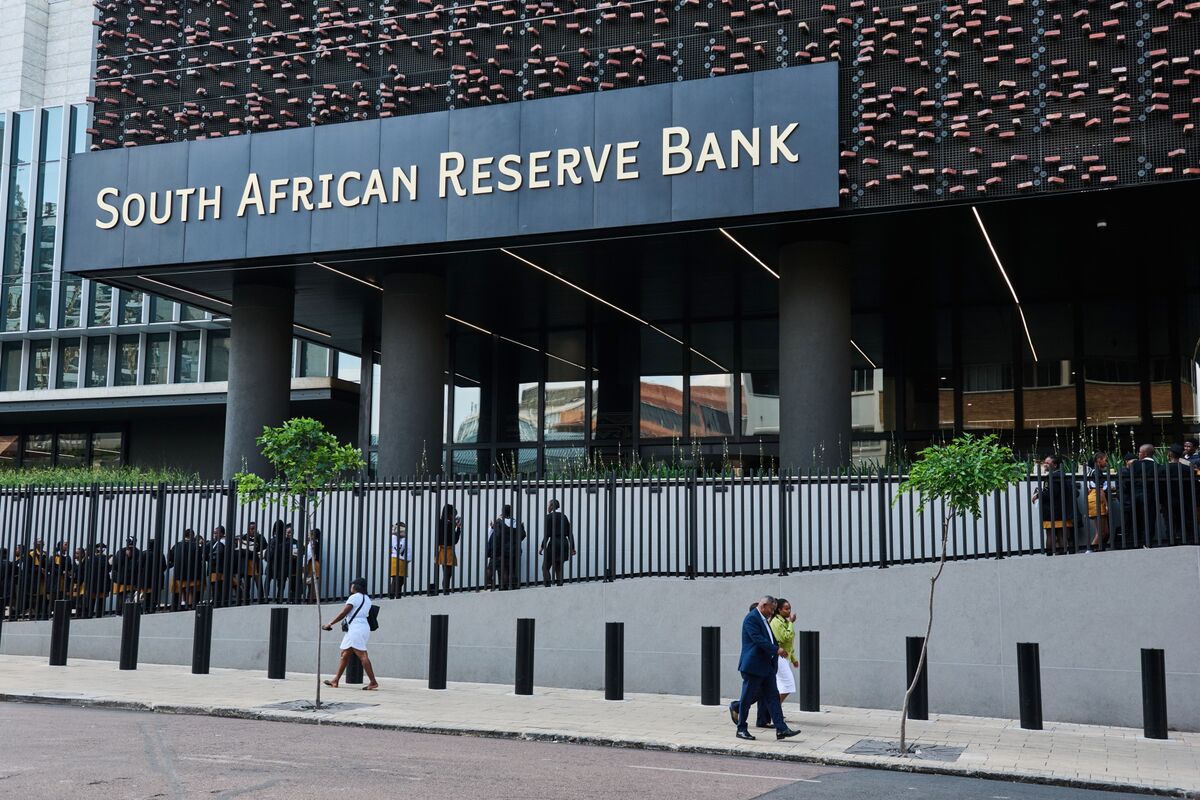
南非储备银行已开始利用企业的直接反馈来更好地衡量经济活动并帮助指导货币政策。
The South African Reserve Bank has begun using direct feedback from businesses to better gauge economic activity and help guide monetary policy.
SARB在周二发布的两年一度的货币政策评论中表示:“行业参与是主要央行的标准做法。”“它提供了经济活动和定价压力的及时指标,支持对官方数据的解释,并且在不确定性加剧的时期或数据发布滞后很长的时期(例如国内生产总值)特别有价值。”报告称,继2025年8月进行试点采访后,该计划已扩大到大多数主要经济领域。
“Industry engagement is standard practice among leading central banks,” the SARB said in its biannual Monetary Policy Review published Tuesday. “It provides timely indicators of economic activity and pricing pressures, supports interpretation of official data and is particularly valuable during periods of heightened uncertainty or when data are published with long lags — such as gross domestic product.”Following pilot interviews in August 2025, the program has broadened to most major economic sectors, it said.
央行政策发展部门主管Witness Simbanegavi表示,这次参与类似于经济研究局的通胀预期调查,但考虑了更多变量,并在每次利率制定会议之间进行,使其更加频繁、更加及时。
The engagement is similar to the Bureau for Economic Research’s inflation expectations survey but takes into consideration more variables and is conducted between each rate-setting meeting, making it more frequent and more timely, Witness Simbanegavi, divisional head of policy development at the central bank, said.
他说:“我们必须考虑投资、需求、成本、工资压力和一系列因素。”
“We have to look at investment, we look at demand, we look at cost, wage pressures, and a host of things,” he said.
该银行表示,自二月底伊朗战争爆发以来,参与者报告经济势头减弱,扭转了他们在年初表达的乐观情绪。
Since the Iran war erupted in late February, participants have reported weakening economic momentum, reversing the optimism they expressed at the start of the year, the bank said.
这场冲突推高了油价,推高了当地汽油成本,并加剧了通胀,自3月份以来通胀率一直高于央行3%的目标。
The conflict has driven up oil prices, pushing up local gasoline costs and fueling inflation, which has remained above the central bank’s 3% target since March.
辛巴内卡维说,初步结果表明,企业担心自己能承受多久战争带来的冲击。“现在的另一个问题是,如果价格仍然居高不下,它们在开始转嫁之前还能吸收这些成本多久,因为一旦它们开始转嫁价格,通货膨胀就会上升。”该银行表示,结合其他高频指标,反馈使政策制定者更清楚地了解了中东战争对国内的影响,特别是燃料价格冲击如何迅速和广泛地影响消费者价格。
Initial outcomes indicate worries by firms on how long they can absorb the shocks stemming from the war, Simbanegavi said. “The other question now is, if the prices remain elevated, how long can they absorb these costs before they start passing on, because once they start passing on the prices, inflation goes up.”Combined with other high-frequency indicators, the feedback gave policymakers a clearer picture of the domestic impact of the Middle East war, particularly how quickly and extensively the fuel-price shock was feeding through to consumer prices, the bank said.
政策制定者在9月份将利率上调四分之一个百分点至7.25%,市场预计未来六个月内还会再加息两次。
Policymakers hiked interest rates by a quarter point in September to 7.25% and markets anticipate two more increases over the next six months.