纽约讯——据《日经新闻》获悉,本田汽车将把下一代混动车型在北美地区的大规模生产时间推迟数月。
NEW YORK -- Honda Motor will push back mass production of its next-generation hybrid vehicles in North America by several months, Nikkei has learned.
原本计划于2月在加拿大启动的生产工作,现预计要推迟到4月甚至更晚。而原定3月在俄亥俄州和印第安纳州工厂开始生产的计划,也将至少推迟至5月。目前尚不清楚推迟的具体原因。
Production that was slated to begin as early as February in Canada is now expected to be postponed to April or later. Plants in the U.S. states of Ohio and Indiana that were to start production in March face a delay to at least May. The reason for the delay is unclear.
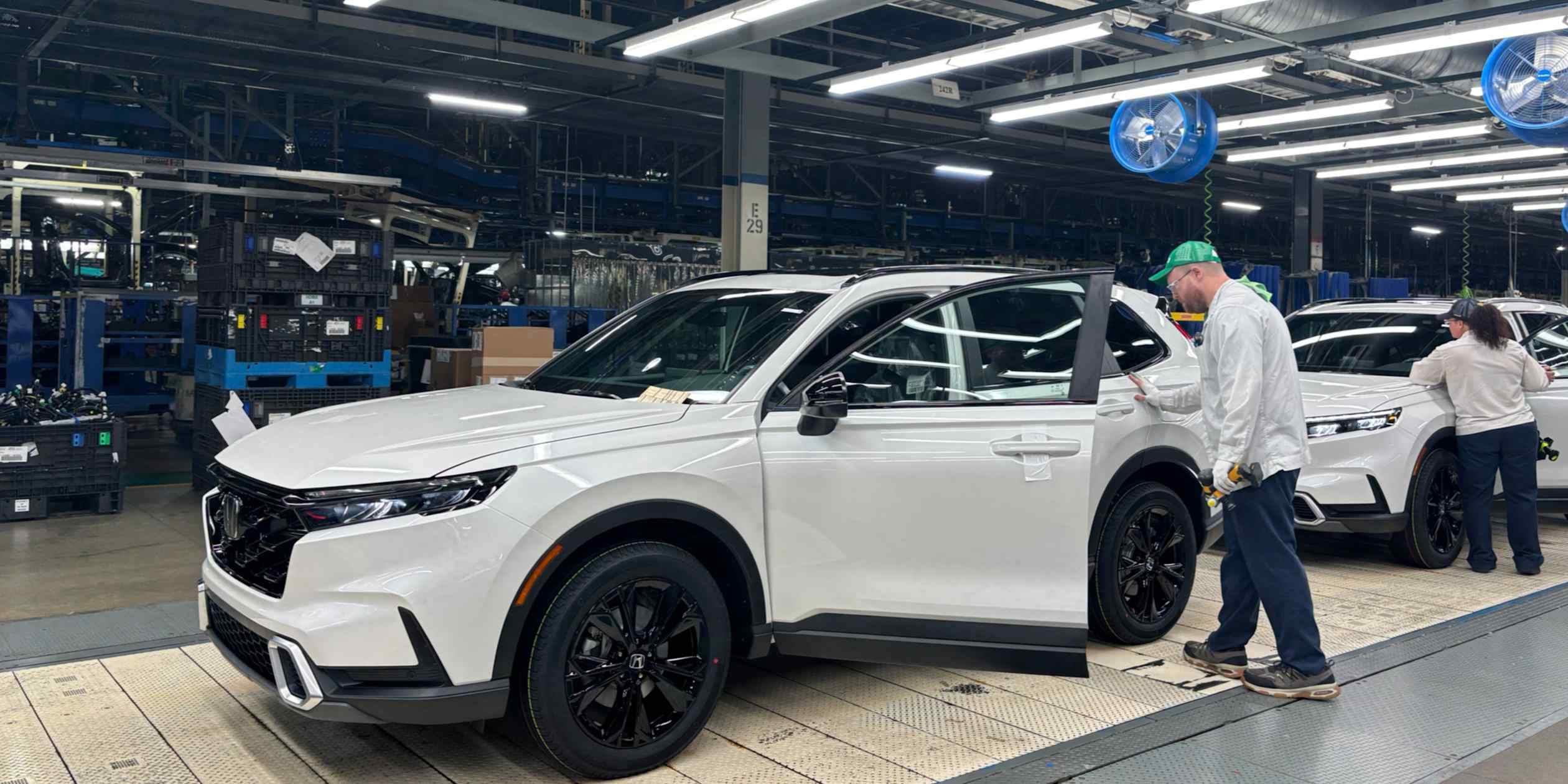
本田近期已将这一变动通知各大供应商,此次调整主要涉及CR-V SUV的混动版本。这款车型原本计划进行五年来的首次全面改款,并搭载本田先进的混动技术。
Honda recently informed major suppliers of the change, which affects the hybrid version of the CR-V sport utility vehicle. The CR-V was set to undergo its first full redesign in five years and feature Honda's advanced hybrid technology.
由于中东地区冲突持续,汽油价格居高不下,美国市场对混动车型的需求正不断上升。在混动车型需求的强劲拉动下,今年7月至9月本田在美的新车销量同比增长9.3%。
U.S. demand for hybrids is growing as gasoline prices remain elevated amid the prolonged conflict in the Middle East. Honda's U.S. new-vehicle sales rose 9.3% on the year in the July-September quarter, supported by strong hybrid demand.
美国本田汽车销售副总裁兰斯·沃尔弗在10月1日的一份声明中表示:"由于市场需求持续旺盛,我们目前正面临一定的库存压力。"
"We are experiencing some inventory issues due to sustained strong demand," Lance Woelfer, vice president of auto sales at American Honda Motor, said in a statement on Oct. 1.
本田一位发言人周二称,公司目前无法对生产计划置评,并表示此类计划通常取决于零部件供应及市场需求等多种因素。至于库存压力是否是导致混动版生产推迟的原因,本田并未作出说明。
A company representative said Tuesday that the automaker cannot comment on production plans, adding that such plans generally are determined by factors such as parts supply and demand. Honda did not say whether inventory issues were behind the delayed start in hybrid production.
今年3月,本田曾宣布取消包括两款原定年内上市车型在内的三款面向北美市场的电动汽车的研发工作。由于直到2027年春季前均无新款电动车推出计划,本田原本打算加快混动车型的生产步伐。
In March, Honda said it would cancel development of three electric vehicles for North America, including two models that were set to launch this year. With no plans for new EVs through spring 2027, the automaker had planned to accelerate hybrid production.