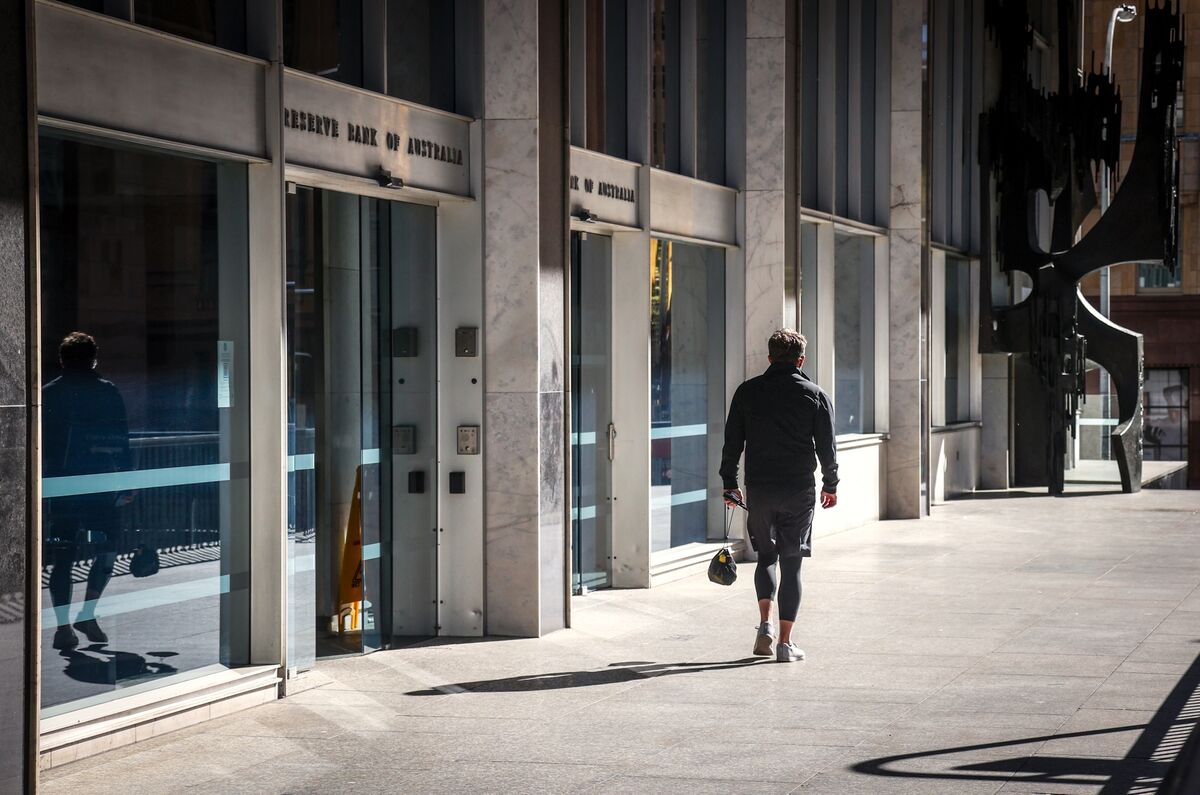
迈克尔·希思(Michael Heath)根据储备银行内部文件,澳大利亚家庭对人工智能股票的敞口很大,这使得消费者支出和更广泛的经济容易受到大幅调整的影响。
Australian households have significant exposure to artificial-intelligence stocks, leaving consumer spending and the broader economy vulnerable to a sharp correction, according to internal Reserve Bank documents.
据9月报道,风险敞口远远超出了对人工智能相关公司的直接投资,养老金基金为该行业提供了最大的联系,而且大部分集中在海外。澳大利亚央行国内市场部门向彭博社发布了1篇论文。
The exposure extends well beyond direct investment in AI-related firms, with superannuation funds providing the biggest link to the sector and most of it concentrated overseas, according to a Sept. 1 paper from the RBA’s domestic markets division released to Bloomberg.
澳大利亚央行警告称,这意味着全球人工智能股票的抛售可能会侵蚀家庭财富并拖累国内消费,可能会放大市场回调,引发更广泛的经济冲击。
That means a selloff in global AI stocks could erode household wealth and weigh on consumption at home, potentially amplifying a market correction into a broader economic shock, the RBA warned.
报告称,粗略计算表明,澳大利亚家庭5.4%的金融财富持有人工智能股票,其中1.7%是直接持有股票,3.7%是通过养老基金持有的。央行表示,外国投资占家庭人工智能持有量的近90%。
It said back-of-the-envelope calculations suggest 5.4% of Australian households’ financial wealth is held in AI stocks, with 1.7 percentage points of that direct equity holdings and 3.7 percentage points via pension funds. Foreign exposure accounts for almost 90% of households’ AI holdings, the central bank said.
将早期对股市持有量产生的财富影响的研究与新的估计相结合,澳大利亚央行的论文发现,人工智能股票价格永久下跌20%将导致长期消费下降0.7%。
Combining earlier research on wealth effects derived from stock market holdings with the new estimates, the RBA paper found a permanent 20% decrease in the price of AI stocks would lead consumption to be 0.7% lower in the long run.
报告称:“如果这蔓延到其他股票,消费量将大幅下降2.4%。”
“Should that spill over to other equities, consumption would fall by a much larger 2.4%,” it said.
澳大利亚储备银行警告说,这些估计可能夸大了影响,因为他们假设家庭对直接持有的股票和通过养老金持有的股票的变化做出了同样的反应,而消费者在接近退休之前可能会不太密切地对这些变化进行监控。
The RBA cautioned that the estimates may overstate the impact because they assume households respond equally to changes in directly held shares and equities held through superannuation, which consumers may monitor less closely until they approach retirement.
随着数十亿美元涌入该技术,人们对人工智能相关风险的紧张情绪加剧,引发了关于估值是否已变得捉襟见肘以及市场大幅回调对全球经济意味着什么的争论。
Nervousness over AI-related risks has intensified as billions of dollars pour into the technology, fueling debate over whether valuations have become stretched and what a sharp market correction could mean for the global economy.
澳大利亚央行的调查结果指出,在澳大利亚人已经因房价下跌而遭受严重损失之际,家庭财富可能会受到第二次打击。
The RBA’s findings point to a potential second hit to household wealth at a time when Australians are already nursing heavy losses from falling property prices.
澳大利亚央行经济小组8月20日发表的另一篇论文估计,住房财富增加1%会使家庭支出的长期水平提高0.16%,其中约一半的影响在两个季度内实现。
A separate Aug. 20 paper by the RBA’s Economic Group, estimated a 1% increase in housing wealth lifted the long-run level of household spending by 0.16%, with about half of the effect arriving within two quarters.
在当前的经济衰退中,这些计算是反向应用的,彭博经济学估计,在3月31日至10月6日的经济衰退期间,房地产领域损失了5,090亿澳元(3,560亿美元)的财富。
In the current downturn, these calculations are applied in reverse, and Bloomberg Economics reckons A$509 billion ($356 billion) in wealth has been shed in housing during the downturn between March 31 and Oct. 6.
彭博经济学(Bloomberg Economics)报道澳大利亚的詹姆斯·麦金泰尔(James McIntyre)表示:“澳大利亚央行决定在9月份第四次加息后,房价可能会进一步下跌。”“这表明到今年最后一个季度和2027年初,家庭支出将面临400亿至500亿澳元的阻力。”在另一份标有“高度限制”的文件中,澳大利亚央行估计澳大利亚的实际中性利率--经通胀调整后既不刺激也不抑制经济的水平--在0.4%到1.2%之间。
“Further declines in house prices are likely following the RBA’s decision to deliver a fourth rate hike in September,” said James McIntyre, who covers Australia for Bloomberg Economics. “This suggest a A$40-A$50 billion headwind to household spending through the final quarter of this year and into early 2027.”In another document marked “highly restricted,” the RBA estimated Australia’s real neutral interest rate — the inflation-adjusted level that neither stimulates nor restrains the economy — at between 0.4% and 1.2%.
澳大利亚央行曾公开表示,近期对实际中性利率的估计有所上升,但它强调,这些估计具有高度不确定性。
The RBA has publicly said estimates of the real neutral rate have risen in recent times, though it has stressed they are highly uncertain.
澳大利亚央行上周将关键利率上调至4.6%的15年高点,而8月份的整体通胀率为4%,远高于澳大利亚央行2%至3%的目标区间。
The central bank last week lifted its key rate to a 15-year high of 4.6% while in August, headline inflation came in at 4%, well above the RBA’s 2% to 3% target band.
澳大利亚央行今年已四次提高借贷成本,总计提高1个百分点,因为美伊战争引发的能源冲击加剧了当地产能限制,推动消费者价格不断上涨。
The RBA has now boosted borrowing costs four times this year for a total increase of 1 percentage point, as local capacity constraints have been exacerbated by the energy shock unleashed by the US-Iran war, driving consumer prices ever higher.
几位经济学家,包括前澳大利亚央行助理行长、现任西太平洋银行公司首席经济学家露西·埃利斯,预计利率制定委员会将在11月再次将借贷成本提高至4.85%。
Several economists, including former RBA Assistant Governor Luci Ellis, now chief economist at Westpac Banking Corp., reckon the rate-setting board will boost borrowing costs again in November to 4.85%.
澳大利亚央行的模型将所谓的NAIRU(与稳定通胀一致的失业率)设定在5%左右。但文件显示,政策制定者根据判断将假设降低至4.6%。这是8月份失业率的水平。
The RBA’s models put the so-called NAIRU — the unemployment rate consistent with stable inflation — at around 5%. But policymakers apply judgment to lower the assumption to 4.6%, according to the documents. That’s the level unemployment stood at in August.
澳储行员工在文件中表示,他们计划“密切关注”对核心NAIRU假设的上行风险。
RBA staff said in the documents that they plan “to stay attentive to upside risks” to their central NAIRU assumption.
布尔洛克最近将全国劳动市场描述为“有些紧张”,并称,失业率在4.5%至5%之间可能会足够消除就业市场的紧张情绪并缓解通胀。
Bullock recently described the nation’s labor market as “a bit tight” and said an unemployment rate of between 4.5% and 5% would likely take enough heat out of the jobs market and ease inflation.