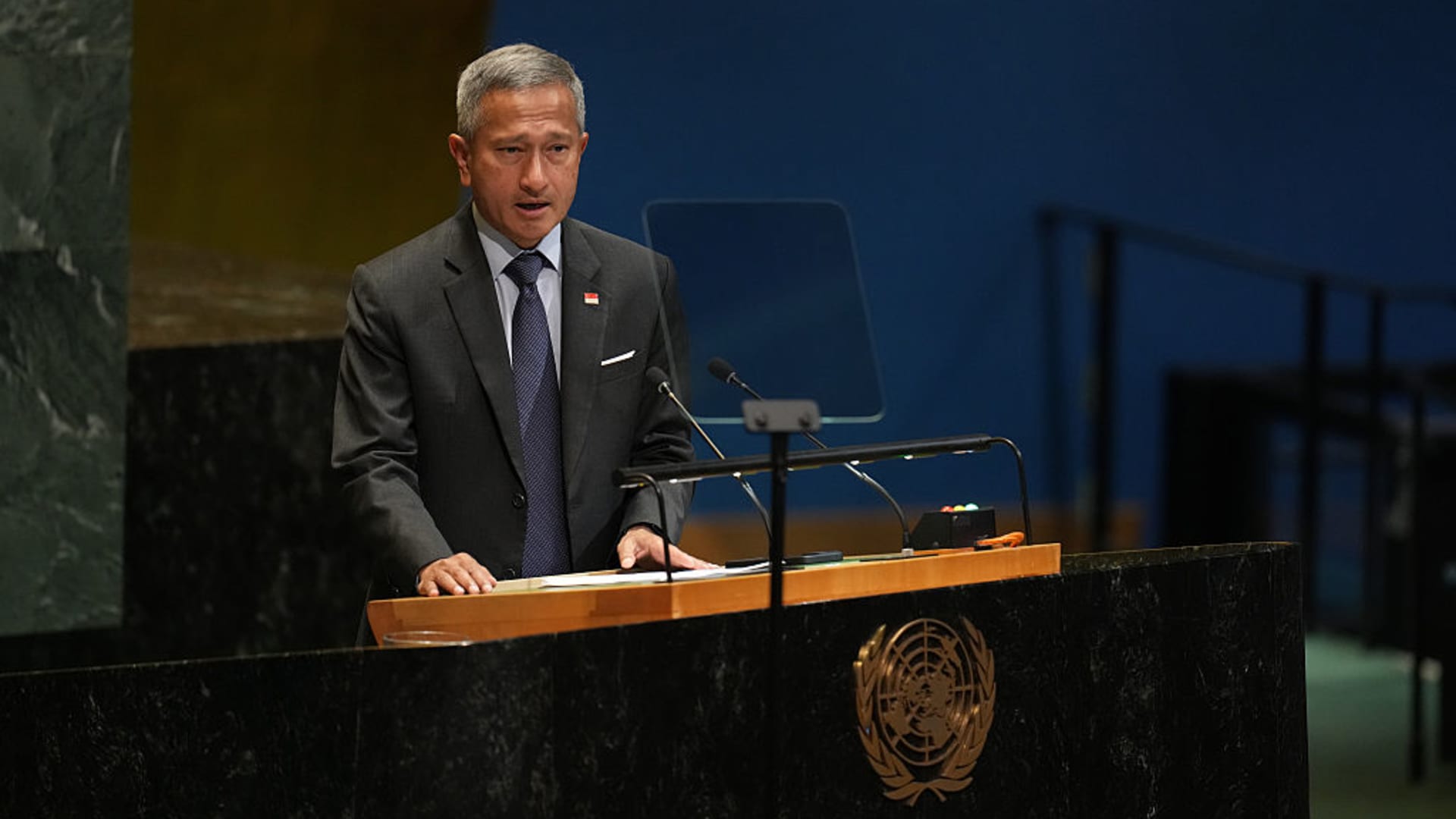
新加坡——新加坡外交部长维文表示,美国总统唐纳德·特朗普称霍尔木兹海峡能源运输受阻是亚洲的问题,这一说法“并非完全错误”。
SINGAPORE — U.S. President Donald Trump isn’t “completely wrong” in suggesting that the disruption to energy flows via the Strait of Hormuz is Asia's problem, Singapore Foreign Minister Vivian Balakrishnan said.
霍尔木兹海峡是连接波斯湾与阿拉伯海的狭窄水道,亚洲各国经济体正是通过该海峡进口大量能源,因此任何长期性的运输中断都会对该地区产生深远影响。
Asian economies are among the biggest customers of energy shipped through the Strait of Hormuz, the narrow waterway connecting the Persian Gulf with the Arabian Sea, making any prolonged disruption particularly consequential for the region.
特朗普曾指出,亚洲各国应承担更多维护该航道畅通的责任,而不应一味依赖美国的保护。他今年早些时候说道:“我们并不使用这条海峡,也不需要它。需要它的是欧洲、韩国、日本、中国以及其他许多国家。”
Trump has said that Asian economies should shoulder more of the burden of keeping the waterway open rather than relying predominantly on U.S. protection. "We don't use the strait. We don't need it. Europe needs it. Korea, Japan, China, [and] a lot of other people," he said earlier this year.
不过,维文提醒说,不应仅从石油购买方的角度来看待这一问题,维护国际航道的通航自由同样至关重要。周三,他在新加坡举行的米尔肯研究所亚洲峰会上接受CNBC采访时作出了上述表述。
Balakrishnan, however, cautioned against viewing the issue simply through the lens of who buys the oil, stressing the importance of maintaining freedom of navigation through international waterways. He made the remarks to CNBC on Wednesday at Milken Institute's Asia Summit in Singapore.
维文强调,对新加坡而言,这一原则“不可妥协”。他援引《联合国海洋法公约》以及过境通行权与航行自由的相关规定指出:“对我们来说,这是关乎国家存亡的问题,也是原则问题、国际法问题。”
For Singapore, that principle is “non-negotiable,” Balakrishnan said, citing the United Nations Convention on the Law of the Sea and the rights of transit passage and freedom of navigation. “This, for us, is an existential question, and it's a matter of principle, matter of international law,” Balakrishnan said.
他还指出,伊朗试图加强对霍尔木兹海峡航运的控制,其目的并不仅仅是为了获取通行费或相关收入。
Iran’s attempts to assert greater control over traffic through Hormuz also go beyond the revenues it could generate from tolls and fees, he said.
从德黑兰的角度来看,对过往船只征收费用的能力实际上能确立其决定哪些船只可以通行的权力,这相当于赋予了伊朗一种维文所称的对霍尔木兹海峡的“否决权”。
From Tehran’s perspective, the ability to charge vessels could effectively establish its right to determine which ships are allowed through, giving Iran what Balakrishnan described as a potential “veto right” over Hormuz.
他表示,从伊朗的角度而言,这种权力目前能为其带来的影响力甚至超过核武器。
That power could provide Tehran with “greater leverage right now than even a potential nuclear weapon from an Iranian point of view,” he said.
巴拉克里希南表示,他预计美国及海湾国家都不会容忍伊朗对这条航道拥有如此大的否决权,这意味着即便石油运输得以继续,紧张局势仍可能持续。
Balakrishnan said he does not expect the U.S. or Gulf states to tolerate a situation in which Iran had such a veto over the waterway, suggesting tensions could persist even if oil continues flowing.
“我认为未来几个月各方将会展开激烈的博弈,”他说道,并补充称目前看不到能迅速化解这场冲突的外交途径。
“I think there will be a lot of pushing and shoving the next few months,” he said, adding that he did not see “a quick diplomatic off-ramp” to the conflict.
今年4月,巴拉克里希南曾警告称,若美中两国在太平洋地区爆发冲突,霍尔木兹海峡出现的航运中断现象恐怕只能算是“预演”,这凸显了全球贸易对关键海上通道的高度依赖性。
In April, Balakrishnan had warned that a U.S.-China conflict in the Pacific could make the disruption seen in the Strait of Hormuz look like a "dry run," underscoring the vulnerability of global trade to critical maritime chokepoints.
巴拉克里希南始终强调,新加坡不会在华盛顿与北京之间“选边站队”,而是会依据自身的长期国家利益行事;同时该国也会坚决维护马六甲海峡的通航自由,不会参与任何试图封锁、阻断或向过往船只征收通行费的行为。
Balakrishnan has maintained that Singapore would “refuse to choose” between Washington and Beijing, instead acting according to its own long-term national interests, while stressing that the city-state would uphold freedom of navigation through the Strait of Malacca and would not participate in efforts to close, interdict or impose tolls on the waterway.