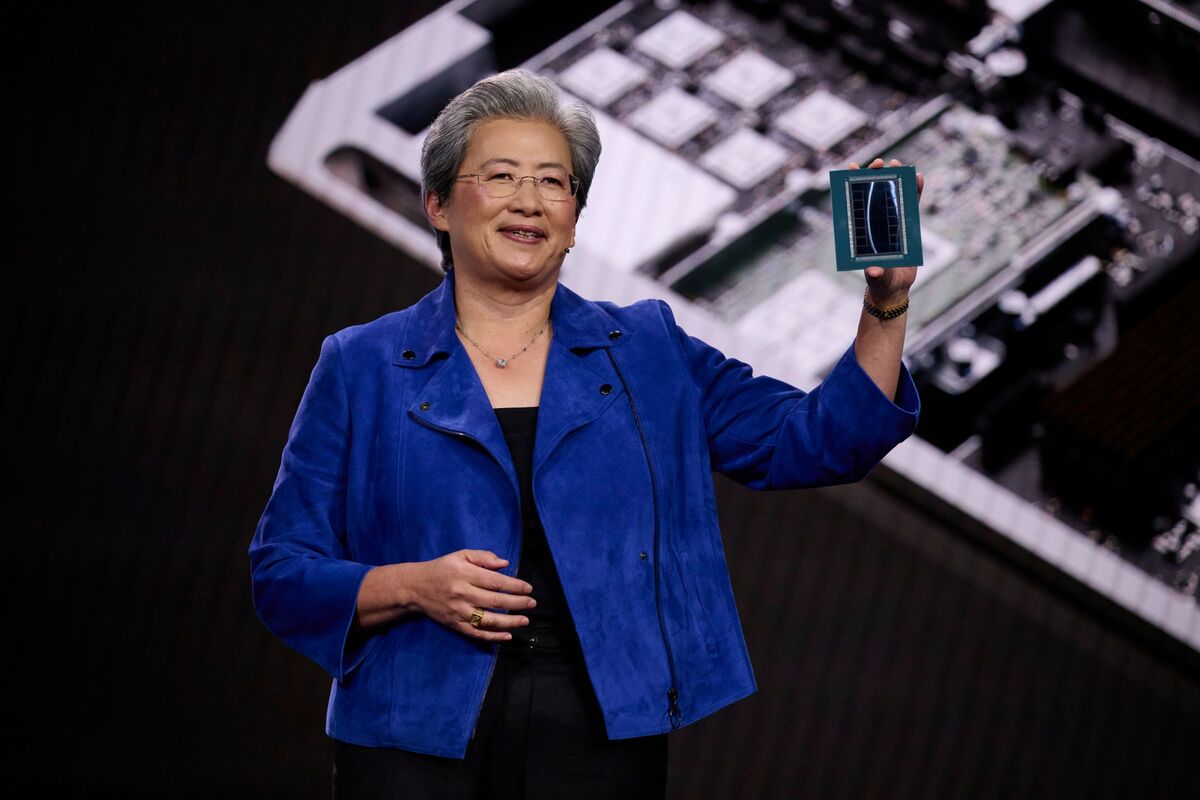
据Yoolim Lee报道,超微半导体公司首席执行官苏姿丰计划于周三与三星电子半导体业务负责人会面,这是人工智能行业两位关键人物之间的最新一次面对面交流。
Micro Devices Inc.’s chief executive officer plans to meet with the head of Samsung Electronics Co.’s semiconductor business on Wednesday, the latest in-person catchup between two of the AI industry’s key figures.
据一位知情人士透露,苏姿丰在访问韩国期间将与负责半导体业务的三星副会长兼首席运营官李在镕会面。由于涉及企业机密,该人士要求匿名且未提供更多细节。三星与AMD双方均拒绝对此发表评论。
Lisa Su will meet with Samsung Vice Chairman Jun Young-hyun, who leads the pivotal chip division, during her visit to South Korea, a person familiar with the matter said. The person, who asked not to be named discussing private matters, did not elaborate further. Representatives of Samsung and AMD declined to comment.
此次会面正值全球各类内存产品供应持续紧张之际,这一状况正严重制约电子产业的发展,也给人工智能基础设施与服务的扩张带来巨大挑战。目前内存价格大幅上涨,已成为数据中心运营商面临的最大成本压力之一。今年3月,AMD与三星曾达成协议,约定由后者为前者供应下一代高带宽内存及其他先进存储芯片。
The meeting comes as shortages in a broad array of memory products strain the global electronics industry and challenge the expansion of AI infrastructure and services. Memory prices are surging, becoming one of the biggest costs for data-center operators. In March, AMD and Samsung agreed to a supply deal for next-generation high-bandwidth memory as well as advanced memory chips.
这是苏姿丰在七个月内第二次访问首尔。韩国在全球科技生态体系中占据举足轻重的地位,既是人工智能硬件的重要供应国,也是主要消费国。目前韩国正积极推动包括三星、本土企业SK海力士在内的多家企业向人工智能时代的数字基础设施与数据中心领域投入总计8800亿美元的资金。
The visit marks the AMD CEO’s second trip to Seoul in seven months. South Korea occupies a critical position in the global tech ecosystem as both a major supplier and a consumer of artificial intelligence hardware. The country is orchestrating investments worth $880 billion from companies including Samsung and local peer SK Hynix Inc. into digital infrastructure and data centers for the AI era.
三星与SK海力士为全球众多先进人工智能加速器的运行提供所需的高带宽内存。与此同时,韩国各大电信运营商、制造业巨头及互联网平台企业也正在大力加码对人工智能数据中心及下一代企业级服务的投资。
Samsung and SK Hynix supply the HBM required for many of the world’s advanced AI accelerators. At the same time, Korea’s top telecommunications, and manufacturing and internet platform companies are aggressively ramping up investments in AI data centers and next-generation enterprise services.