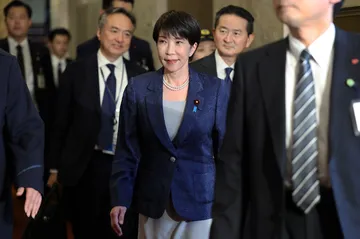
日本首相高市早苗表示,如果政府债券的收益率出现意外变动,她的政府准备重新审视支出和收入计划。她正在寻求议会的支持,以暂时降低食品销售税。
Prime Minister Sanae Takaichi said her administration is prepared to review spending and revenue plans if government bond yields move unexpectedly, as she seeks parliamentary support for a temporary cut to the tax on food sales.
“如果市场状况(如债券收益率)发生意外变化,我们将采取政策措施,比如调整各项计划并重新评估支出和收入情况,”她在周三的议会会议上回答提问时说道。
“Should market conditions such as yields move unexpectedly, we will take policy measures such as restructuring various initiatives and reviewing expenditures and revenues,” she said on Wednesday in response to questions during a parliamentary session.
“如果出现严重影响日本经济的情况(例如全球经济动荡),我们将灵活利用储备资金来应对,”她补充道。她拒绝就具体的货币汇率或收益率水平发表评论。
“If situations arise that significantly impact Japan’s economy, such as disruptions in the global economy, we will respond flexibly by utilizing reserve funds,” she added. She declined to comment on specific currency or yield levels.
由于议会正在召开会议,高市早苗计划推动一项法案的通过——该法案将把食品和非酒精饮料的销售税从目前的8%降至1%,这一政策将于4月生效,实施期限为两年。她希望通过此举减轻家庭面临的成本压力,同时向市场证明政府的财政状况是稳健的。
With parliament in session, Takaichi is set to see through a bill that will cut the sales tax on food items and non-alcoholic beverages to 1% from 8% for two years starting in April. She is seeking to alleviate the burden of rising costs on households while trying to convince markets that government finances are sound.
高市早苗的政府将在未来几个月内编制4月开始的年度预算。这份预算将有助于判断她是否能够实现提振日本经济的同时控制支出的目标。在此期间,她还需要有效地与市场进行沟通,因为日元持续疲软,全球长期债券收益率也在上升。
Takaichi’s government is set to compile the budget for the year starting April over the next few months. The budget will likely offer insight into whether she can deliver on plans to grow Japan’s economy while keeping spending in check. In that time, she will also be tasked with communicating with markets effectively as the yen remains weak and long-term yields trend higher around the globe.
此外,高市早苗还计划在今年年底之前修订日本的安保政策文件,这些文件将透露未来几年国防开支的增长速度和规模。实际上,她已经将国防开支提升到了国内生产总值的2%左右,比原计划提前了两年。
By year-end, Takaichi is also set to overhaul Japan’s security documents, which will give hints on the pace and extent to which defense spending may rise over the next several years. Takaichi has already accelerated defense spending to almost 2% of gross domestic product in the financial year that ended in March this year, two years ahead of schedule.
此后,她并未设定任何国防开支的数值目标,但官员们正在考虑一种情景,即日本可能会效仿韩国的承诺,在未来十年内将国防开支增至占GDP的3.5%。
She has not set any numerical targets for defense outlays since, but officials are considering a scenario in which Japan could match the commitment made by South Korea to increase spending to 3.5% of GDP over the next decade.
“我们将根据独立判断,深化具体且切实可行的讨论,并据此推进进程,”她说。
“We will deepen concrete and realistic deliberations in accordance with our independent judgment, and build up the process accordingly,” she said.