联合国引用的数据显示,91%的家庭面临中度至高度水资源不安全状况。另一份联合国报告称,88%的地上水、环境卫生和个人卫生设施受损,76%的地下管网遭到破坏。联合国数据显示,90%的能源基础设施被摧毁。在加沙,获取足够的水已不再是日常生活的一部分。
相反,家庭必须提着水桶、等待运水车,并决定能省出多少水用于饮用、做饭、洗澡或洗衣。
91% of households experience moderate-to-high water insecurity, according to figures cited by the UN 88% of above-ground WASH assets, 76% of underground networks damaged, a separate UN report says 90% of energy infrastructure destroyed, UN figures say In Gaza, getting enough water is no longer a routine part of daily life. Instead, families must carry buckets, wait for water trucks and decide how much they can spare for drinking, cooking, bathing or washing clothes.
对儿童而言,这意味着他们要花数小时帮家里取水,而不是去上学。
For children, it means spending hours helping their families collect water instead of going to school.
“战前,我们没有这样的挣扎,”哈纳迪·阿法夫今年6月对红十字国际委员会说。
“Before the war, we did not have this struggle,” Hanadi Al Aff told the International Committee of the Red Cross in June.
阿法夫是众多流离失所的巴勒斯坦人之一,她带着五个孩子住在加沙城一座修复后的海水淡化厂对面。
Al Aff, one of the many displaced Palestinians, lives with her five children opposite a rehabilitated desalination plant in Gaza City.
“我们现在用水桶提水。这已成为孩子们的负担。他们不去上学读书,而是去提水,”她说。阿法夫说,她家的水不够满足所有需求。
“We now carry water in buckets. It has become a burden on our children. Instead of going to school and studying, they carry water,” she said. Al Aff said her family did not have enough water for all their needs.
“我们省着用水,留给最重要的事情,就是喝、做饭和给孩子洗澡。如果有多的,就用来洗碗和洗衣服。”以色列于2023年10月开始对加沙发动种族灭绝战争,三年后,该地区的供水、卫生和电力系统仍严重受损,数百万巴勒斯坦人依赖应急措施和远低于原有产能的基础设施。
“We save water and keep it for the most important thing, which is drinking, cooking and bathing the children. If there is extra, we use it for washing the dishes and doing the laundry.”Three years after Israel began its genocidal war on Gaza in Oct 2023, the territory's water, sanitation and electricity systems remain severely damaged, leaving millions of Palestinians dependent on emergency measures and infrastructure operating far below its former capacity.
大多数家庭仍面临水资源不安全。据联合国人道主义事务协调厅9月引用的一项调查,91%的家庭面临中度至高度水资源不安全状况。
Most households remain water insecure According to a survey cited by the UN Office for the Coordination of Humanitarian Affairs (OCHA) in September, 91% of households experienced moderate-to-high water insecurity.
近三分之一(31%)的家庭总用水量低于最低人道主义标准,而57%的家庭仅饮用水一项就低于最低标准。与此同时,88%的家庭报告称难以获得安全清洁的卫生设施。
Nearly one-third, 31% of households, had total water access below minimum humanitarian standards, while 57% fell below minimum standards specifically for drinking water. Meanwhile, 88% households reported difficulties accessing safe and clean sanitation facilities.
这些供水短缺问题因加沙地区供水基础设施遭到破坏而变得更加严重。
The shortages are compounded by damage to the infrastructure on which Gaza's water supply depends.
联合国在9月份引用的一份报告显示,88%的地面供水、卫生设施以及相关基础设施遭到损坏;76%的地下供水系统也受到了破坏。
Another report cited by the UN in September, showed that 88% of above-ground Water, Sanitation and Hygiene (WASH) assets and 76% of underground networks had been damaged.
红十字会也在6月份指出,加沙地区的供水量已降至2023年10月之前的40%左右,而来自地下井的独立供水量则不到战前的三分之一。加沙地区剩余的供水系统仍然容易受到进一步破坏。
Red Cross also said in June that water production in Gaza had fallen to around 40% of pre-October 2023 levels, while independent production from wells was less than a third of what it had been before the war. Gaza's remaining water supply also remains vulnerable to disruptions.
根据联合国9月底发布的人道主义状况报告,由于海藻影响了以色列的海水淡化厂,来自以色列的“Mekorot”供水线路的供水量仅为合同规定的40%。
According to a UN humanitarian situation report issued in late September, the three Mekorot water lines from Israel supplied about 40% below contracted quantities during the reporting period because marine algae affected desalination plants in Israel.
在代尔巴拉(Deir al-Balah)地区,由于盐水抽取系统出现故障以及发电机过度使用,当地的“Al Basa”海水淡化厂无法满负荷运行。
In Deir al-Balah, the Al Basa Desalination Plant was operating below capacity because of a brine-pumping failure and overuse of generators.
相关人道主义机构正在努力通过钻井来增加地下水供应,以部分弥补供水缺口。
Humanitarian partners were working to increase groundwater production through wells to partially offset the shortfall.
8月份,联合国儿童基金会(UNICEF)支持建设的供水井和海水淡化设施在袭击中遭到严重破坏,导致超过4000人(其中包括约2000名儿童)无法获得安全的饮用水。
In August, a UNICEF-supported water well and desalination facility in Deir al-Balah was also severely damaged by a strike, disrupting access to safe drinking water for more than 4,000 people, including about 2,000 children.
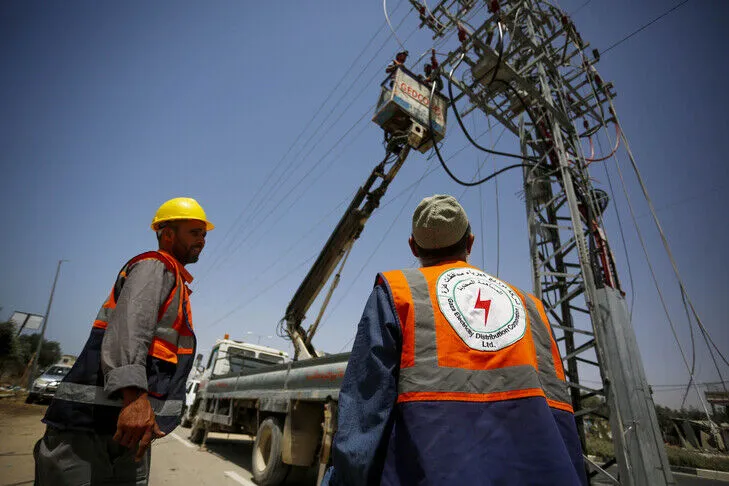
电力问题依然是制约加沙地区供水系统的关键因素:井、海水淡化厂以及污水处理站都需要电力才能正常运行。
Electricity remains critical missing link The water crisis cannot be separated from Gaza's electricity shortage. Wells, desalination plants and sewage pumping stations all require electricity to operate.
然而,联合国9月份的数据显示,包括电力分配网络在内的90%的能源基础设施已被摧毁。
Yet September UN figures indicate that 90% of energy infrastructure, including the electricity distribution network and associated assets, has been destroyed.
由于电力系统几乎无法正常运行,发电机已成为维持现有供水和卫生设施运行的关键设备;但发电机本身也需要燃料才能持续运转。
With the electricity system largely unavailable, generators have become essential for keeping remaining water and sanitation infrastructure operating. But generators themselves depend on fuel.
红十字会报告称,加沙地带已经超过两年半没有稳定的电力供应,人们不得不依赖发电机来获取电力。
The Red Cross reported that Gaza has gone for more than two-and-a-half years without a regular electricity supply, leaving people dependent on generators.
根据巴勒斯坦水资源正义联盟(Alliance for Water Justice in Palestine)6月份提供的信息,即使重建材料能够立即运抵加沙,重建电力系统也可能需要三到五年的时间。
Officials cited by the Alliance for Water Justice in Palestine in June estimated that rebuilding the electricity system could take three to five years, even if reconstruction materials were allowed to enter immediately.
重建工作需要数千根电线杆、数百公里的电力电缆、变压器以及各种重型设备和专业机械,才能恢复基本的电力服务。
The work would require thousands of utility poles, hundreds of kilometers of power cables, transformers, heavy equipment and specialized machinery simply to restore basic services.
即便有水可用,水质也不一定安全。问题不仅在于巴勒斯坦人能获得多少水,还在于这些水是否适合饮用。
Even available water not always safe The question is not only how much water Palestinians can obtain, but whether it is safe to drink.
8月份,相关卫生机构在加沙各地采集了938个水样,并在仍能正常运行的7个水质监测实验室中对这些水样进行了检测。结果显示:超过73%的水样中的余氯含量未达到世界卫生组织(WHO)的建议标准;18%的水样存在微生物污染。
In August, health partners collected 938 water samples across Gaza and tested them at the seven water-quality monitoring laboratories that remain functional despite severe operational constraints. More than 73% of the samples did not meet WHO-recommended free residual chlorine levels, while 18% showed microbiological contamination.
世界卫生组织驻巴勒斯坦的代表莱因希尔德·范德韦尔德(Reinhilde Van De Weerdt)在9月份的新闻发布会上表示,从1月到8月期间,共有6,700多个水样接受了检测。在此期间,水样的微生物污染率几乎增加了两倍——从1月份的不到6%上升到了8月份的18%以上。同时,急性水泻病例的数量也几乎翻了一番。
Reinhilde Van De Weerdt, the WHO representative in Palestine, said at a September press briefing that over 6,700 water samples had been tested between January and August. Microbiological contamination nearly tripled during that period, rising from below 6% in January to more than 18% in August. She said cases of acute watery diarrhea nearly doubled over the same period.
卫生系统面临严重压力:卫生条件的恶化与水资源危机密切相关。调查显示,39%的受访家庭表示其住所周围堆积着固体废物;36%的家庭发现污水或污泥出现在他们的居住区域附近。特别是在流离失所者聚居地,情况尤为严峻——这些家庭大多居住在拥挤且条件简陋的临时避难所中。
Sanitation systems under severe strain The deterioration of sanitation is closely linked to the water crisis. Thirty-nine percent of assessed households reported solid waste accumulating around their shelters, while 36% observed sewage or sludge near where they were living. The situation is particularly difficult in displacement sites, where families live in overcrowded and makeshift shelters.
据报道,针对约230个临时安置点的安全审计发现:这些安置点至少容纳了187,400名难民,存在卫生设施不安全(如厕所条件恶劣、使用露天坑作为厕所)、废水处理问题严重、低洼地区排水系统不足等问题;同时,这些安置点的照明条件也很差,且人口过于拥挤。随着雨季的临近,安全隐患进一步加剧。
Site safety audits covering about 230 displacement sites hosting at least 187,400 people reportedly found unsafe latrines, open pits, wastewater hazards and poor drainage in low-lying areas, alongside inadequate lighting and overcrowding. The approaching rainy season adds another layer of danger.
人道主义机构警告称,受损的污水和雨水排水系统将增加洪水和疾病的风险。根据无国界医生组织(MSF)的调查,在2025年5月至8月期间接受采访的难民中,几乎四分之一的人在过去一个月内出现过腹泻症状。2025年,皮肤病占MSF提供的初级医疗服务的病例总数的近18%;糟糕的水源和卫生条件还导致了疥疮和虱子的传播。
Humanitarian agencies warn that damaged sewage and stormwater drainage systems will increase the risk of flooding and disease. According to a Doctors Without Borders (MSF) survey, almost one in four people interviewed between May and August 2025 had experienced diarrhoea in the previous month. Skin diseases accounted for nearly 18% of MSF primary healthcare consultations in 2025, while poor water and sanitation conditions have also contributed to the spread of scabies and lice.
这些问题的影响不仅限于人们的身体健康。无国界医生组织指出,由于难以获得足够的水源和卫生用品,当地居民的心理压力非常大,尤其是儿童承担了沉重的负担。该组织表示:“无法维持基本的卫生条件已成为人们痛苦的根源,也严重损害了他们的尊严。”“水被用作武器”无国界医生组织在4月份指出:“以色列当局将水资源控制作为对付巴勒斯坦人的手段,系统性地剥夺加沙地带巴勒斯坦人的用水权,这种行为属于集体惩罚。”
The effects extend beyond physical health. MSF said its mental health professionals observed high levels of distress linked to the struggle to obtain sufficient water and hygiene supplies, with children carrying heavy responsibilities. “The inability to maintain hygiene has become a source of distress and undermined people’s sense of dignity,” it wrote. ‘Water as a weapon’“Israeli authorities have used access to water as a weapon against Palestinians, systematically depriving people in Gaza, Palestine, of water in a campaign of collective punishment,” MSF said in April.
该组织强调,以色列故意拒绝向巴勒斯坦人提供水源,这是其种族灭绝政策的重要组成部分,属于一种“反复出现、系统性且具有累积效应的恶行”。此外,以色列还通过破坏基础设施、强制驱逐难民以阻碍人道主义援助的进入、限制人员流动以及阻挠或延迟关键物资的运送等方式,将水资源控制作为其实施惩罚的工具。无国界医生组织还记录了多起针对其供水车辆和取水井的枪击或破坏事件。
It noted that the “deliberate denial” of water from Palestinians was an integral part of Israel’s genocide and was part of a “recurrent, systematic and cumulative pattern” rather than being isolated acts. The organization stressed that the destruction and attacks on infrastructure, obstruction of humanitarian access through forced displacement and denial of movement, and the blocking or delay of essential supplies were the main mechanisms Israel’s weaponization of WASH access. MSF said it had documented several incidents involving the shooting at or destruction of its clearly identified water trucks and boreholes.
“自2026年1月1日起,所有由无国界医生组织(MSF)通过专门系统提出的物资进口申请均被以色列当局拒绝,”无国界医生组织表示。哪些方面还能得到改善?
“Since 1 January 2026, all MSF requests for the entry of any supplies through the dedicated system, where approval is determined by the Israeli authorities, were denied,” MSF said. What can be restored?
部分水利基础设施已经得到修复,人道主义合作伙伴仍在继续使用其他替代水源。
Some water infrastructure has been repaired and humanitarian partners continue to use alternative sources.
然而,对设备、发电机、备用零件、氯等必需物资的限制,以及燃料短缺的问题,仍然威胁着剩余基础设施的正常运行。
Yet restrictions on equipment, generators, spare parts, chlorine and other essential supplies, alongside fuel shortages, continue to threaten the operation of remaining systems.
联合国儿童基金会(UNICEF)表示,在其为被占领的巴勒斯坦地区提供的7.468亿美元人道主义援助资金中,有19.4%被用于供水、卫生设施和公共卫生方面的改善。
UNICEF says 19.4% of its $746.8 million humanitarian funding requirement for the occupied Palestinian territory is allocated to water, sanitation and hygiene. For Palestinians living through the crisis, recovery starts with what should never have become a struggle.
对于正在经历这场危机的巴勒斯坦人来说,恢复正常生活的前提是那些本不应成为他们负担的基本需求:一个能正常使用的自来水龙头、安全可饮用的水、功能正常的卫生设施以及可靠的电力供应。
A tap that works. Water that is safe to drink. Functioning sanitation and reliable electricity.
对于像Aff家这样的家庭来说,这意味着他们终于可以放下用来取水的桶,拿起课本去上学了。
And for children like those in Aff's family, it is the possibility of putting down the water bucket and picking up a schoolbook instead.