据RWE AG称,数据中心电力需求的激增引发了关于谁应承担为其服务所需的电网和可靠发电成本的疑问。
The surge in electricity demand from data centers is raising questions over who should bear the cost of the grids and reliable generation needed to serve them, according to RWE AG.
欧洲迫切需要扩建电网,以实现去碳化并应对不断增长的电力需求。挑战在于如何为这项投资提供资金,而不让家庭和企业承担更多成本,尤其是在耗电大户数据中心增加了对新基础设施的需求之际。
Europe urgently needs to expand its power grids to decarbonize and cope with rising electricity demand. The challenge is how to fund that investment without saddling households and businesses with more of the cost, particularly as power-hungry data centers increase the need for new infrastructure.
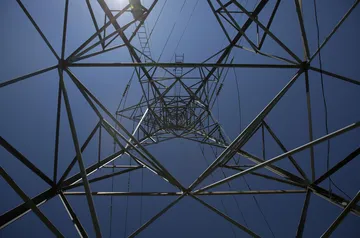
德国能源公司RWE首席执行官Markus Krebber周三在接受彭博社采访时表示:“如果需求增加,你就需要更多的电网建设,也需要更多的稳定产能。目前,这些成本并非由造成问题的人买单。” Krebber说:“这就是为什么我们需要审视谁来承担满足这一额外需求所需的电网建设成本,而不是将这些成本分摊给所有消费者。”
“If you have more demand, you need more grid build out and you need more firm capacity,” Markus Krebber, chief executive officer of German energy firm RWE, said in a Bloomberg interview on Wednesday. “This is currently not paid by those who are causing the problem.”“That is why we need to look at who bears the cost of the grid build out required to meet this additional demand, rather than spreading those costs across all consumers,” Krebber said.
随着欧洲寻求吸引人工智能和数据中心投资,同时又在大力支出以改造其电力系统,这一问题变得更加迫切。
The issue is becoming more pressing as Europe seeks to attract investment in artificial intelligence and data centers while simultaneously spending heavily to overhaul its electricity system.
加在消费者账单上的电网费,用于支付物理电网的建设和维护、升级基础设施以接入可再生能源,以及管理日常运营和政策成本。
Grid fees, which are added to consumer bills, pay for building and maintaining the physical power network, upgrading infrastructure to connect renewable energy sources, and managing day-to-day operational and policy costs.
数据中心开发更为先进的美国,展示了可能出现的紧张局势。那里的繁荣引发了反对声浪,因为人们担心家庭和企业正通过更高的电费,为为AI供电所需的基础设施提供补贴。
The US, where data-center development is far more advanced, offers a glimpse of the tensions that could emerge. The boom there has drawn opposition amid concerns that households and businesses are subsidizing the infrastructure required to power AI through higher electricity bills.
Krebber表示,还有可能对批发电价产生影响。数据中心愿意为电力支付更高价格,这可能会给争夺同一电力供应的消费者和高耗能行业带来压力。
There is also a potential impact on wholesale electricity prices. Data centers are willing to pay more for power which could put pressure on consumers and energy-intensive industries competing for the same supply, Krebber said.
Alphabet Inc.旗下谷歌与北欧能源公司Fortum Oyj最近达成的一项协议表明,科技公司愿意支付溢价以确保长期稳定的电力供应。据研究机构Inderes称,根据该协议,谷歌预计将支付每兆瓦时80欧元,比2030年每兆瓦时51欧元的电力期货价格高出约57%。
A recent deal between between Alphabet Inc.’s Google and Nordic utility Fortum Oyj, shows how tech companies are willing to pay a premium to secure long-term power supplies. Google is estimated to be paying €80 per megawatt-hour under the agreement, about 57% above 2030 electricity futures of €51 per megawatt-hour, according to research firm Inderes.
欧洲尚未经历与美国相同的电力价格冲击,而在美国,人们对数据中心需求迅速增长所带来的影响日益担忧。
Europe has yet to experience the same impact on power prices as the US, where concerns over the effect of rapidly growing data-center demand have intensified.
RWE也试图从这一热潮中获益。去年,该公司将英国一处前燃煤发电厂场地出售给了Amazon.com Inc.,并已在全欧洲确定了超过10处可开发并出售的地点。
RWE has also sought to capitalize on the boom. Last year it sold a former coal-fired power plant site in the UK to Amazon.com Inc. and has identified more than 10 sites across Europe that could be developed and sold.