尽管马来西亚坚称其长期的不结盟政策已延伸至网络空间,但分析人士表示,该国对美国和中国技术的依赖,可能使得在两个超级大国的竞争中维持这一立场变得困难。
Despite Malaysia’s insistence that its long-standing non-alignment policy extends to cyberspace, analysts say the country’s reliance on American and Chinese technology could make such a stance difficult to sustain amid the rivalry between the two superpowers.
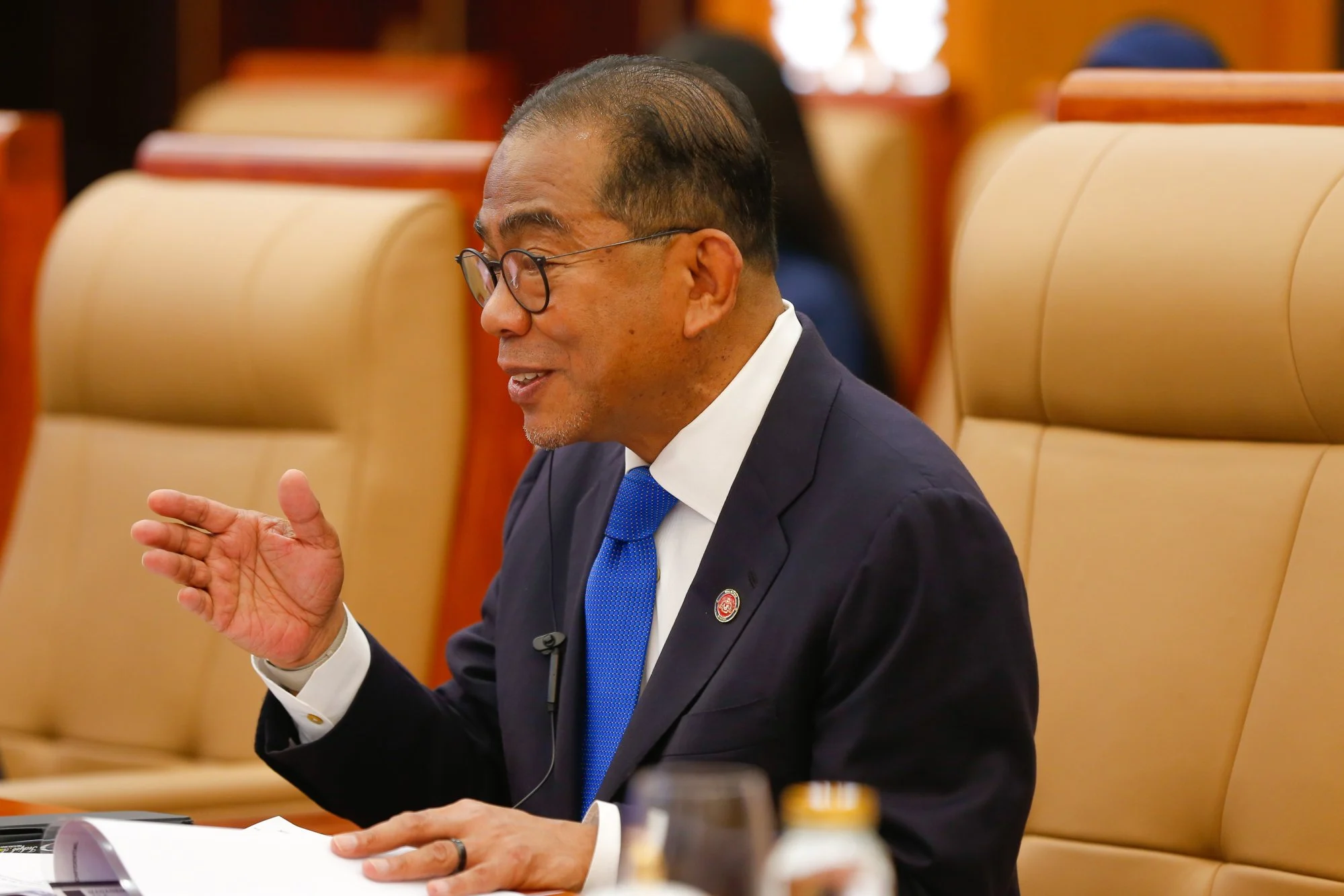
国防部长莫哈末卡立诺丁于周一表示,马来西亚在网络空间将“始终保持中立”,并辩称网络威胁可能来自非国家行为体,不应仅仅通过地缘政治竞争的视角来看待。
Defence Minister Mohamed Khaled Nordin said on Monday that Malaysia would “always remain neutral” in cyberspace, arguing that cyber threats could come from non-state actors and should not be viewed solely through the lens of geopolitical contestation.
诺丁在“2026年亚洲网络数字服务、国防与安全”活动上对记者表示:“作为国家的一项原则,我们是不结盟的。我们是中立的,这延伸到每一个领域。网络攻击可能来自任何人的任何地方,而且它可能并非来自国家行为体。”
“As a principle of the country, we are non-aligned. We are neutral, and it goes into every domain,” Nordin told reporters at the Cyber Digital Services, Defence & Security Asia 2026 event. “Cyberattacks can come from anybody from anywhere, and it may not come from a state actor.”Analysts warn, however, that Malaysia’s reliance on foreign technology could leave critical systems exposed to disruptions if a major power confrontation were to result in sanctions, export controls and other curbs.
然而,分析人士警告称,如果大国对抗导致制裁、出口管制和其他限制措施,马来西亚对外国技术的依赖可能会使关键系统暴露在中断的风险之中。
“Neutrality in foreign policy does not make our digital systems neutral,” said Murugason R. Thangaratnam, a cybersecurity consultant and adjunct professor at the University Malaysia of Computer Science and Engineering.
马来西亚计算机科学与工程大学的网络安全顾问兼兼职教授穆鲁加森·R·汤加拉特纳姆表示:“外交政策的中立并不意味着我们的数字系统也是中立的。”
He cited Malaysia’s telecommunications networks, cloud services and defence systems, as well as other critical infrastructure that relied on technology from the US, China and elsewhere.
他列举了马来西亚的电信网络、云服务和国防系统,以及依赖美国、中国和其他地方技术的其他关键基础设施。
“Malaysia need not take a side to be pushed towards one,” he said. “Malaysia can remain politically non-aligned, but in cyberspace non-alignment is a policy aspiration, not a technical reality.”Malaysia has previously faced the ripple effects of the superpower tech rivalry.
他说:“马来西亚无需选边站队就会被推向某一方。马来西亚可以保持政治上的不结盟,但在网络空间中,不结盟只是一种政策诉求,而非技术现实。”马来西亚此前曾面临超级大国科技竞争的连锁反应。
In March last year, then investment, trade and industry minister Tengku Zafrul Abdul Aziz said the US had asked Malaysia to closely track high-end Nvidia chips entering the country amid concerns that some could be diverted to China in violation of Washington’s export controls.
去年3月,时任投资、贸易及工业部长东姑扎夫尔表示,美国曾要求马来西亚密切追踪进入该国的尖端英伟达芯片,原因是担心其中一些芯片可能会被转运至中国,从而违反华盛顿的出口管制。
In July, Malaysia introduced a Strategic Trade Permit requirement for the export, transhipment and transit of high-performance AI chips of US origin, including those not listed as strategic items. The Investment, Trade and Industry Ministry said the measure was intended to close regulatory gaps as it reviewed whether chips should be added to Malaysia’s Strategic Items List.
7月,马来西亚针对美国原产的高性能人工智能芯片(包括未被列为战略物资的芯片)的出口、转运和过境,引入了战略贸易许可证要求。投资、贸易和工业部表示,此举旨在堵住监管漏洞,同时评估是否应将这些芯片增列至马来西亚的战略物资清单中。近年来,马来西亚一直力求避免依赖任何单一的技术供应商。
In recent years, Malaysia has sought to avoid dependence on any single tech supplier.
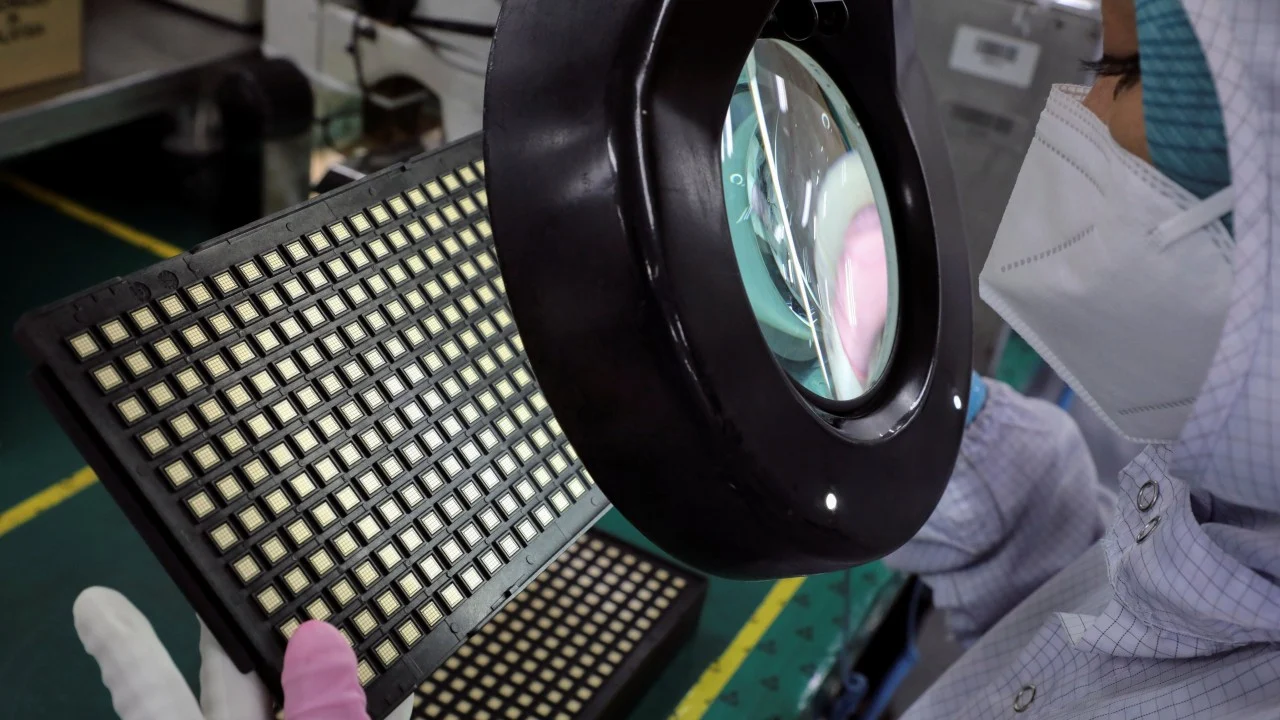
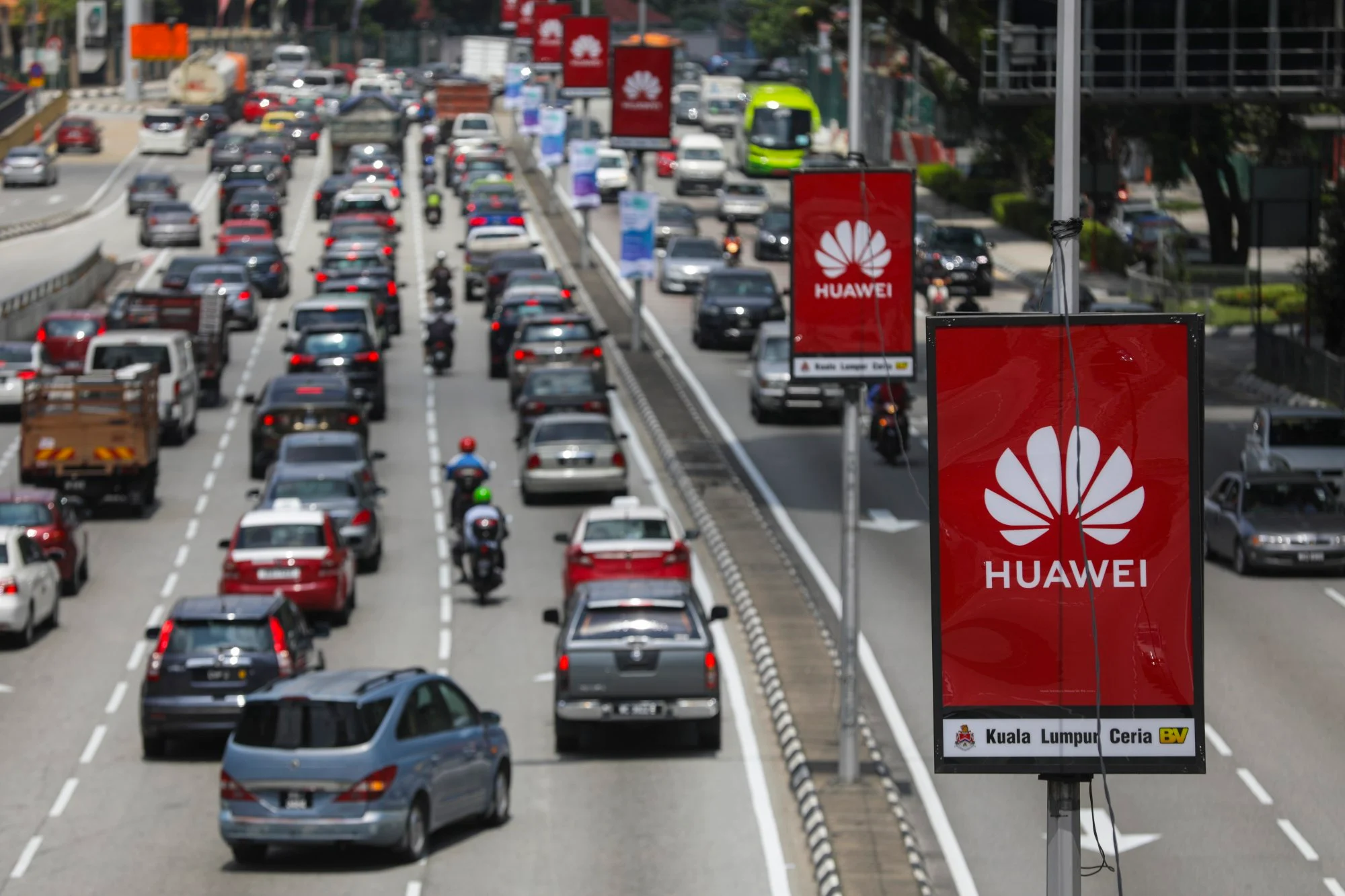
该国由Digital Nasional运营的首个5G网络采用了瑞典科技巨头爱立信的设备,而其第二个5G网络则是与部分国有的中国科技公司中兴通讯合作开发的。马来西亚移动电信服务提供商U Mobile也选择与中国跨国公司华为技术有限公司合作部署第二个5G网络。
The country’s first 5G network, operated by Digital Nasional, was built using equipment from Swedish tech giant Ericsson, while its second 5G network was developed in partnership with ZTE, a partially state-owned Chinese tech company. Malaysian mobile telecoms services provider U Mobile also opted to partner with Chinese multinational corporation Huawei Technologies to deploy the second 5G network.
马来西亚战略与国际研究所网络与技术政策主任法尔利纳·赛义德表示,该国可以被视为在技术上不结盟,其5G网络等基础设施汲取了来自东西方的创新成果。
Farlina Said, director of cyber and technology policy at the Institute of Strategic and International Studies Malaysia, said the country could be considered technologically non-aligned, with infrastructure such as its 5G networks drawing on innovation from East and West.
法尔利纳说:“如果我们着眼于军事应用,情况可能会有所不同。”她解释说,在敏感的安全领域,马来西亚必须考虑其合作伙伴所用系统的兼容性。
“The landscape may differ if we are looking at military applications,” Farlina said, explaining that in the sensitive security domain, Malaysia must consider the compatibility of systems used by its partners.
她补充说,多元化对于防止出现单点故障以及让国际投资者对其在马来西亚的系统感到安全和放心至关重要。
Diversification was important to prevent a single point of failure, and for international investors to feel safe and secure about their systems in Malaysia, she added.
马来亚大学计算机系统与技术系教授艾尼穆丁·瓦希德·阿卜杜勒·瓦哈卜表示,拥有多元化的技术供应链并不意味着马来西亚不会面临任何风险。
Ainiuddin Wahid Abdul Wahab, a professor from the Department of Computer Systems and Technology at Universiti Malaya, said that having a diversified tech supply chain did not mean that Malaysia would not face any risks.
瓦哈卜指出,任何大国冲突、制裁和出口管制都可能影响操作系统、安全补丁和云服务,迫使机构转向其他技术生态系统,否则将面临严重的业务中断。
Any major power conflict, sanctions and export controls could affect operating systems, security patches and cloud services, forcing organisations to move to other technological ecosystems or face serious disruptions, Wahab said.
“最大的风险并非硬件本身,而是维持其运行的‘生命线’,比如云服务、软件更新以及专有技术标准,”他补充道。
“The biggest risk is not the hardware but the lifeline that keeps it running, such as cloud services, software updates and proprietary standards,” he added.
“防范之道在于及早梳理出自身的依赖环节并制定备用方案。”2021年,马来西亚政府宣布在公共部门大力推广云服务。其政府云计划选用了四家商业服务商:微软Azure、谷歌云、TM Cloud Alpha以及亚马逊云服务。
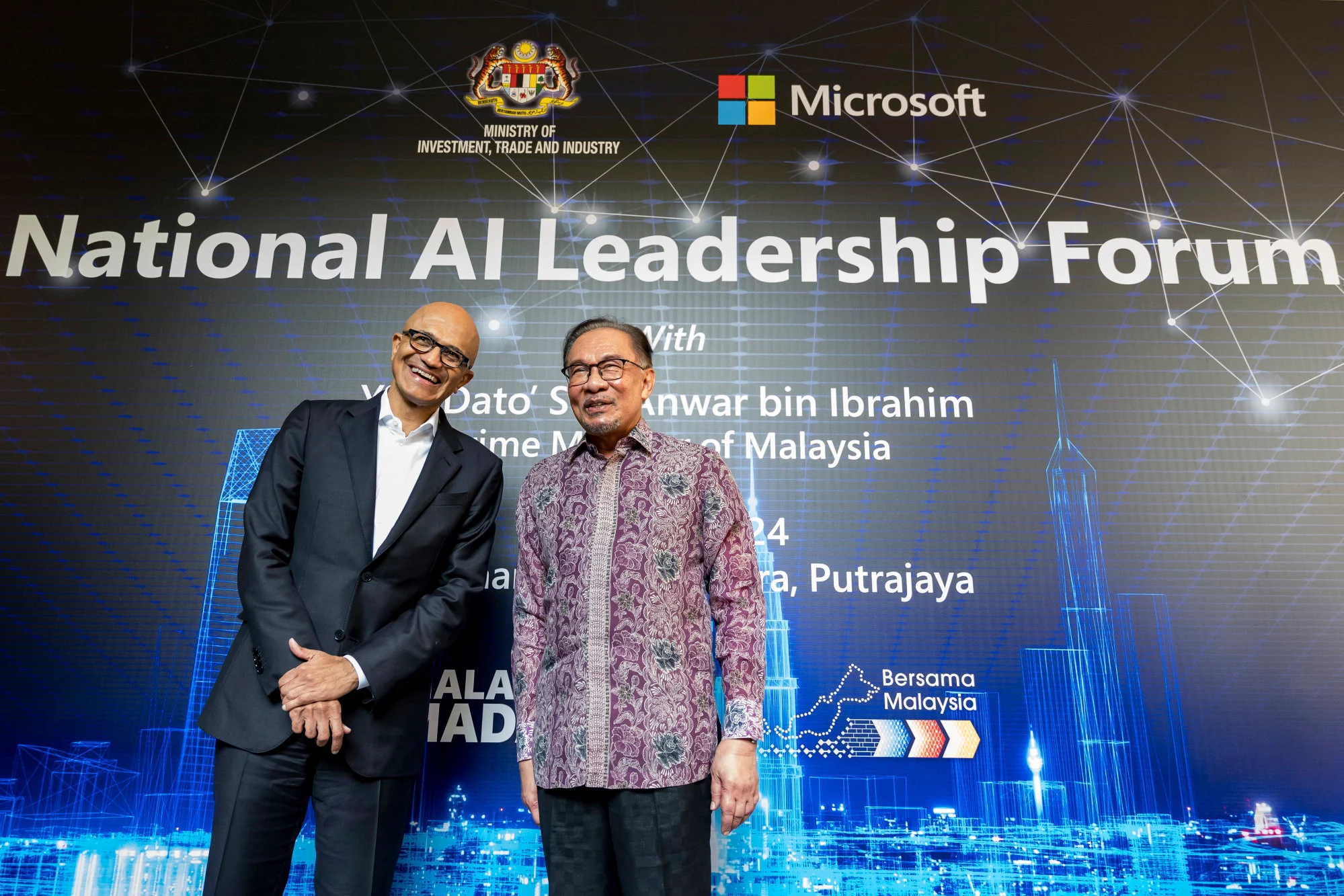
“The safeguard is to map our dependencies and prepare backup plans early.”In 2021, the Malaysian government announced a push to expand cloud services across the public sector. Its government cloud programme uses four commercial providers: Microsoft Azure, Google Cloud, TM Cloud Alpha and Amazon Web Services.
法莉娜指出,根据美国《云法案》,华盛顿可要求外国实体交出相关数据,这在地缘政治危机时期引发了关于数字主权的诸多疑问。
Farlina noted that under the US CLOUD Act, Washington could require foreign entities to hand over data, raising questions over digital sovereignty during a geopolitical crisis.
“有不少案例表明,法律命令依然可能跨境生效,尤其是当相关企业的总部位于美国特定州份时,”她说道。
“There are incidents which illustrate how legal orders could still apply across borders, especially if companies are headquartered in the specific [US] state,” she said.
去年,微软法国公司的一名高管在巴黎的参议院听证会上表示,他无法保证法国公民的数据绝不会在未经法国政府许可的情况下被移交给外国当局。
Last year, a Microsoft France executive told a Senate inquiry in Paris that he could not guarantee that data belonging to citizens of France would never be handed to a foreign authority without the approval of the French government.
另一个体现技术边界日益模糊的例子是:今年7月,马来西亚国家网络安全局与华为技术马来西亚公司签署了合作协议,内容涵盖密码学及人工智能安全等多个领域,此举引发了华盛顿方面可能提出异议的担忧。
In a further example of the blurred tech boundaries, theg of a partnership agreement in July between Malaysia’s National Cyber Security Agency and Huawei Technologies Malaysia covering areas ranging from cryptology to AI security has prompted concerns of Washington’s possible objection.
2023年,美国和欧盟曾就马来西亚的5G网络建设及华为可能发挥的作用,向其发出有关国家安全与投资风险的警告。时任美国驻马大使布赖恩·麦克菲特斯警告称,“不可信的供应商”可能使这个东南亚国家的基础设施面临安全风险。
In 2023, the US and European Union warned Malaysia of national security and investment risks over its 5G roll-out and Huawei’s potential role in the network, with US ambassador Brian McFeeters warning that “untrusted suppliers” could expose the Southeast Asian country’s infrastructure to security risks.
穆鲁加森认为,归根结底,马来西亚必须确保即便在大国间爆发政治危机时,其关键数字基础设施仍能正常运转。
Ultimately, Malaysia has to ensure that its critical digital infrastructure can continue to function even during a political crisis between the major powers, according to Murugason.
“马来西亚无需在华盛顿与北京之间做出选择,”他说道,“它需要确保的是,在危机时刻,没有任何人能替我们做出这种选择。”
“Malaysia does not need to choose between Washington and Beijing,” he said. “It needs to ensure that, in a crisis, no one else can make that choice for us.”