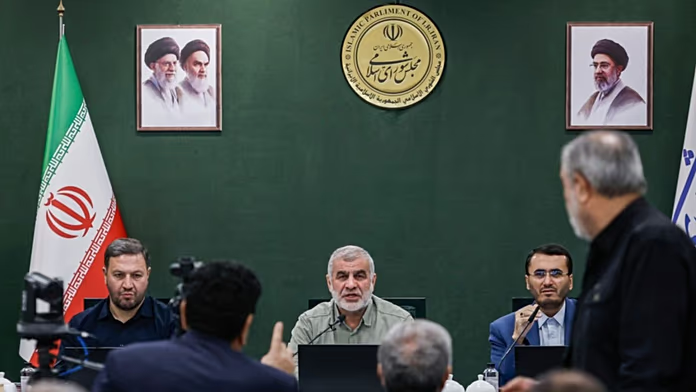
伊朗议会周二以174票赞成、6票反对的结果,通过了一项条款,禁止伊朗国民接受被情报部指定为“敌对”的媒体机构的采访,或参与其讨论,也禁止与由与该伊斯兰共和国敌对国家相关的情演人员拥有、管理或资助的媒体进行此类合作。
Iran's parliament voted 174 to six on Tuesday to pass an article banning Iranian nationals from giving interviews to or participating in discussions with media outlets designated as "hostile" by the Intelligence Ministry, or with outlets owned, managed or funded by operatives connected to countries classified as adversaries of the Islamic Republic.
根据关于“打击情报机构以及外国政府或实体渗透”法案的第22条,违反者将根据《伊斯兰刑法典》受到第六级惩罚,包括判处六个月以上至两年以下监禁、罚款、31至74记鞭刑、剥夺社会权利以及其他限制。
Violations of Article 22 of the bill on "countering the penetration of intelligence services and foreign governments or entities" carry sixth-degree penalties under the Islamic Penal Code, including imprisonment of more than six months up to two years, fines, 31 to 74 lashes, deprivation of social rights and other restrictions.
该法案将外国政府分为两个级别:“一级政府”是指根据伊朗法律或经最高国家安全委员会决定被正式指定为敌对的国家。
The bill classifies foreign governments into two tiers: a "level 1 government" is a state formally designated as hostile under Iranian law or by decision of the Supreme National Security Council."
“二级政府”被定义为曾策划或实施旨在损害德黑兰政治、国防、安全、经济、社会或文化利益的行动的国家。
Level 2" is defined as a state that has planned or carried out actions aimed at damaging Tehran's political, defence, security, economic, social or cultural interests.
二级政府名单将由情报部和伊斯兰革命卫队情报组织拟定,然后提交最高国家安全委员会批准。
The list of level two governments is to be drawn up by the Intelligence Ministry and the IRGC intelligence organisation, then approved by the Supreme National Security Council.A proposal by Tehran MP Alireza Salimi to exempt government officials from the scope of Article 22 was also approved at the same sitting.
德黑兰议员阿里雷扎·萨利米(Alireza Salimi)提出的一项将政府官员豁免于第22条适用范围的提案也在同一次会议上获得通过。
President Masoud Pezeshkian's cabinet had formally opposed the bill.
总统马苏德·佩泽希齐扬(Masoud Pezeshkian)内阁此前曾正式反对该法案。内阁在8月22日的会议上表示,该立法存在“严重缺陷”,包括限制科学活动、加速精英外流以及在国家和国际层面产生负面影响。
At its 22 August meeting, the cabinet said the legislation had "serious flaws," including restrictions on scientific activity, the acceleration of elite emigration and negative consequences at national and international level. First Vice-President Mohammad Reza Aref had warned of consequences for science and technology.
第一副总统穆罕默德·礼萨·阿雷夫(Mohammad Reza Aref)曾警告该法案将对科学和技术产生不良后果。
Presidential legal deputy Majid Ansari said "criminalising broad and general categories in this bill could harm citizens' rights."
总统的法律事务代表马吉德·安萨里表示:“该法案中将某些广泛、笼统的条款定为犯罪行为,可能会损害公民的权利。”议会还通过了该法案的第20条:任何因职务关系而获取未公开官方信息的人,未经事先授权不得将这些信息泄露给外国机构;违者将被判处4至10年监禁,并被永久禁止担任曾接触过这些信息的职务。
Parliament also passed Article 20 of the same bill, under which anyone who accesses unpublished official information by virtue of their job may not share it with a foreign agent without prior authorisation. The penalty is four to 10 years in prison and a permanent bar from the post through which the information was accessed.
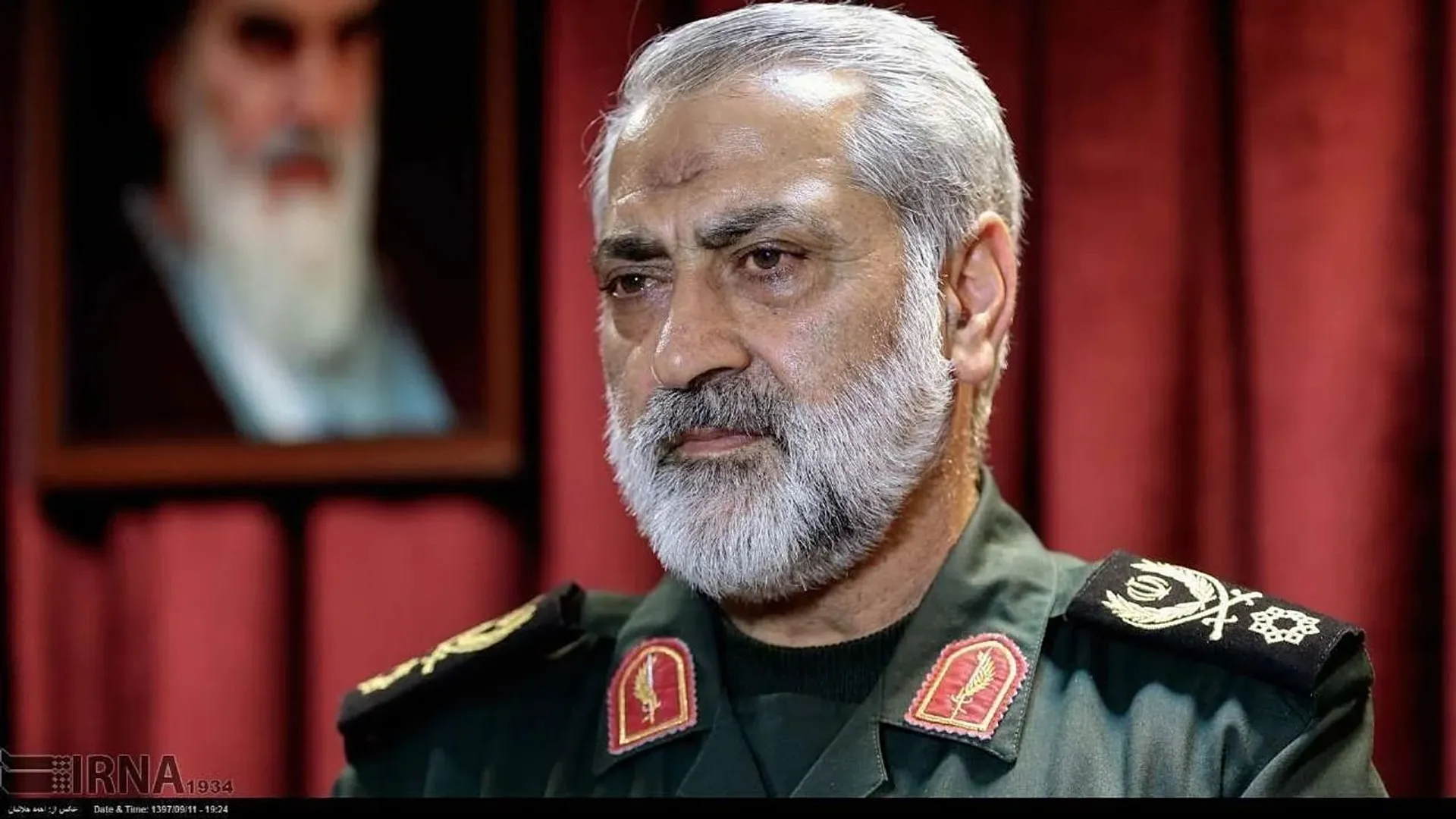
这项立法的出台,源于伊朗官员数月来对伊朗境外波斯语广播机构的强硬言论。8月26日,伊朗武装部队发言人阿博尔法兹尔·谢卡奇指责BBC波斯语频道、伊朗国际电视台和法尔达电台与美国及以色列情报机构有联系,并称这些机构的员工可能成为伊朗伊斯兰共和国的“军事打击目标”。尽管该法案已在议会获得通过,但仍需进一步批准才能正式成为法律。
The legislation follows months of hardline rhetoric from Iranian officials against Persian-language broadcasters outside Iran. On 26 August, armed forces spokesman Abolfazl Shekarchi accused BBC Persian, Iran International and Radio Farda of links to US and Israeli intelligence organisations and said their staff could be placed in the Islamic Republic's "military targets bank".Following the parliamentary vote, the bill still needs further approval to become law. The Majlis must complete its examination of remaining articles before sending the text to the Guardian Council, which reviews legislation for compatibility with Sharia and the constitution.
议会必须完成对剩余条款的审议,随后将法案提交给监护委员会(Guardian Council),该委员会负责审查法案是否符合伊斯兰教法及宪法的规定。如果监护委员会提出异议而议会坚持原有立场,最终裁决将由紧急事务委员会(Expediency Council)作出。此次通过该法案的议会是由选举产生的,据报道此次选举的投票率为41%,是自1979年伊斯兰革命以来的最低投票率;德黑兰地区的投票率仅为24%。
If the Guardian Council raises objections and the Majlis insists on its position, the Expediency Council makes a final ruling. The parliament that passed the article emerged from elections in which turnout was reportedly at around 41%, the lowest since the 1979 Islamic Revolution. Turnout in Tehran was around 24%.
首都地区的领先候选人获得了约59.8万张选票,而2016年德黑兰地区领先候选人的得票数超过了160万张。
The leading candidate in the capital won some 598,000 votes, compared with more than 1.6 million for the leading Tehran candidate in the 2016 elections.