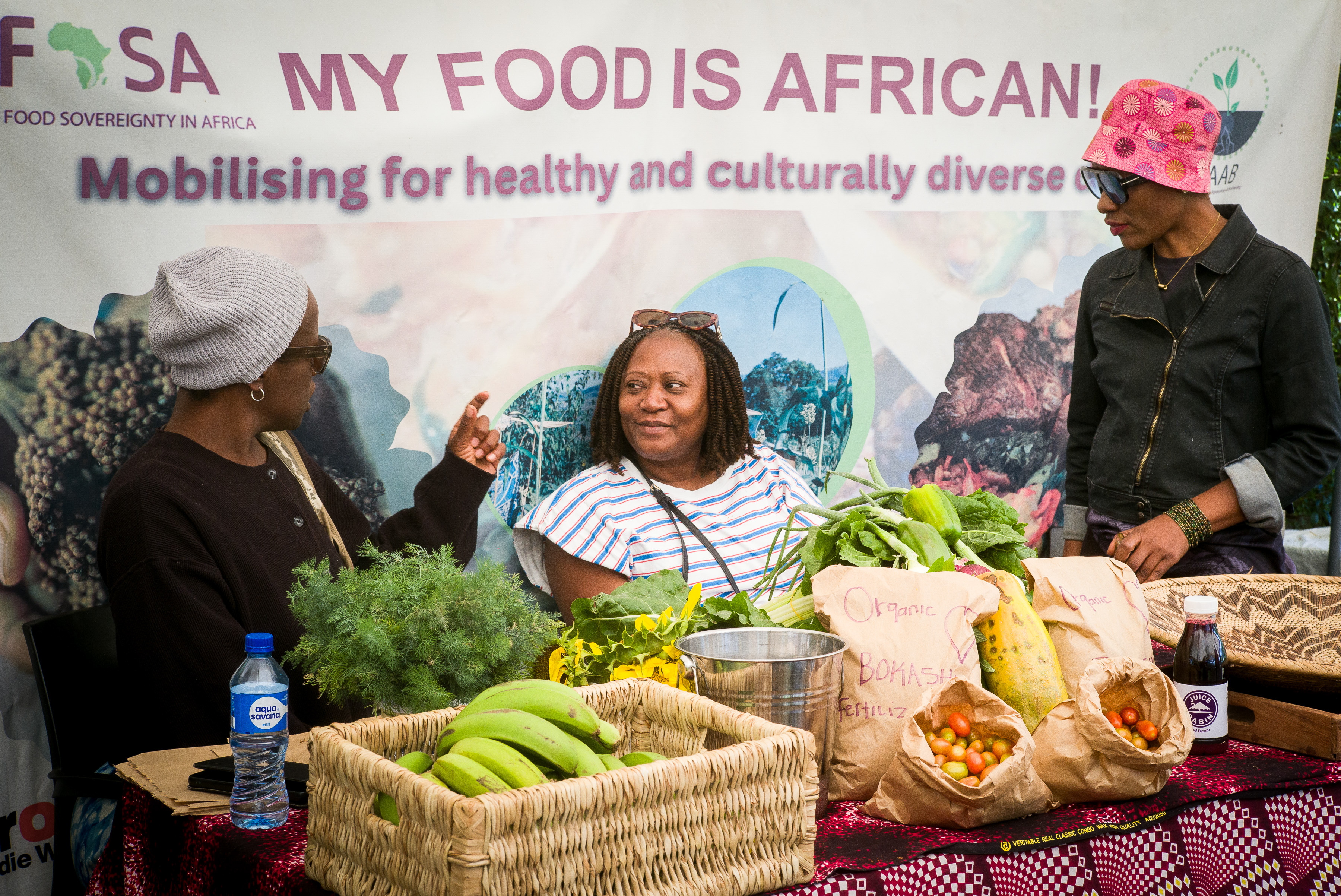
在赞比亚的一个市场上,有机蔬菜与一袋袋自制的“博卡希”肥料比肩陈列,这种肥料的售价约为2.50美元一袋。
At a market in Zambia, organic vegetables share table space with bags of homemade bokashi fertilizer that sell for about $2.50 each.
NPR记者安迪·希金斯报道:在卢萨卡郊外12英亩的土地上,卡南瓜·纽洛夫打造出了一片田园乐土。
Andy Higgins for NPR On 12 acres outside of Lusaka, Kanangwa Newlove has built a paradise.
成排的果树为田地带来荫凉;在作物生长季,长长的番茄藤蔓攀附在棚架上。田间还整齐地种着玉米、南瓜,以及一种名为“布莱克杰克”的本地绿叶蔬菜,此外还有11个品种的生菜。
Shady fruit trees dot her fields. During the growing season, long tomato vines drape over trellises. There are tidy rows of corn, pumpkins and a local leafy green called blackjack. Eleven varieties of lettuce.
“起初我只是把蔬菜带给同事们,不知不觉间就开始向超市供货了,”纽洛夫说道,“生意越做越大。”
"I started taking vegetables to my workmates, and before I knew it I was supplying the supermarket," Newlove says. "It went on and on."
对许多农民而言,2026年是充满挑战的一年。伊朗战争导致霍尔木兹海峡交通受阻,国际贸易运输陷入停滞,化肥供应也受到严重影响,全球化肥价格随之飙升。这种影响迅速波及非洲各国,当地的小农群体往往极易受到化肥成本剧烈波动的冲击。不过,纽洛夫并未受到波及——多年来,她一直使用一种名为“博卡希”的自制发酵堆肥来为作物施肥。
For many farmers, 2026 has been a challenging year. The Iran war choked off the Strait of Hormuz and dramatically halted international trade shipments —including fertilizers Prices spiked globally. The effects were quickly felt in African countries, where smallholder farmers are often vulnerable to rapid changes in fertilizer costs.'' Newlove, however, didn't feel the pinch. For years, she's fertilized her plants with a homemade, fermented compost known as bokashi.
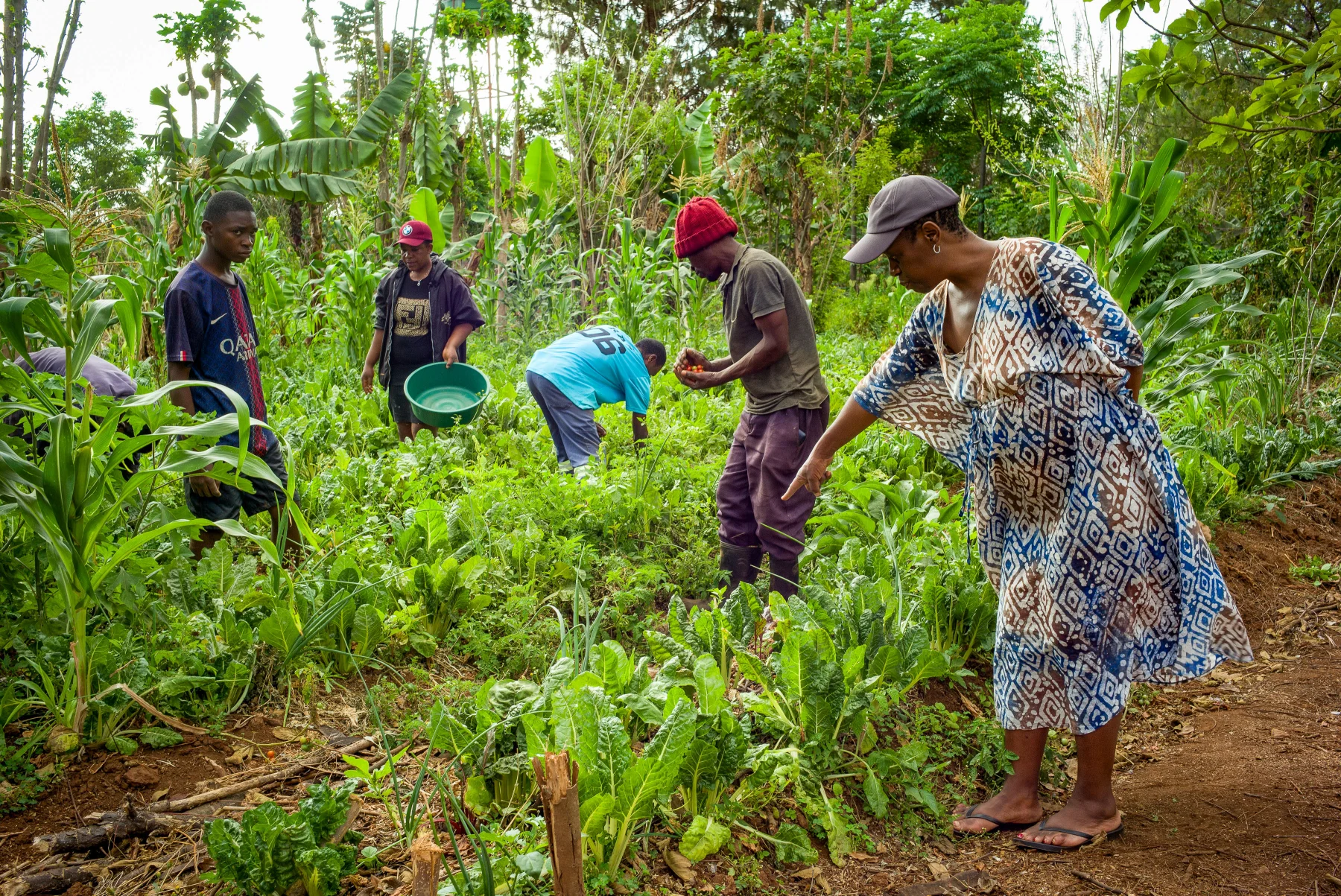
作为“洛克塔古纳有机农场”的创始人,卡南瓜·纽洛夫(右)正和团队一起采摘有机蔬菜,她还负责制作博卡希肥料。
Kanangwa Newlove (right), the founder of Loctaguna Organics, and her team harvest organic vegetables. She also makes fertilizer known as bokashi.
源自古代亚洲的解决方案:博卡希起源于韩国古老的农耕传统,后经日本推广而广为人知,制作过程也相对简单。据纽洛夫介绍,这种肥料的肥效极佳。
A solution from ancient Asia With roots in ancient Korean farming traditions and popularized in Japan, bokashi is relatively easy to make. According to Newlove, it's also highly effective.
“如今我们能在短短几周内制成高效且纯天然的肥料,这对我们来说简直太棒了,”纽洛夫说道,“说实话,这彻底改变了我们的种植方式。”她说,如今博卡希在赞比亚大受欢迎,农民们纷纷在市场上售卖自制的博卡希堆肥,还会在社交媒体上交流相关经验。卡西西农业培训中心也开设了博卡希制作培训课程,还经常组织学生到她的农场实地观摩。
"We could now have a potent fertilizer —– organic —– which is ready in [weeks]. For us that was amazing," Newlove says. "It was a game changer, to be honest." Bokashi has become so popular in Zambia, she says, that farmers now sell homemade bokashi compost at markets and swap tips on social media. The Kasisi Agricultural Training Centre offers bokashi training and often sends students to her farm to see it in action.
“赞比亚的农民们一直在寻找替代方案——如何在降低成本的同时种植粮食,”非洲有机农业与农业生态学知识平台的拉贝卡·姆维拉说道,“像‘博卡希’这样的技术正好为他们提供了帮助。”以下是具体的制作方法:对于家庭堆肥者而言,博卡希是一种在无氧环境下发酵食物残渣的方法——绝对不能让氧气进入!不过许多农民会在户外制作博卡希。
"[Zambian farmers] have been looking for alternatives — how to grow food but reduce costs," says Rabecca Mwila of the Knowledge Platform for Organic Agriculture and Agroecology in Africa "Inputs such as bokashi have come in to provide a cushion for them." Here's the recipe For home composters, bokashi is a method of fermenting food scraps in an anaerobic environment — no oxygen allowed! But many farmers make a version of bokashi outdoors Ingredients are often easy to find on a farm: leaves or crop residues, animal dung, charcoal and ash from a fireplace.
所需的原料在农场里很容易找到:树叶或农作物残茬、动物粪便、木炭以及炉灰。接着加入酵母和含糖物质(如糖蜜,实在没有的话用香蕉也可),以启动发酵过程。在微生物的作用下,混合物会逐渐升温。
Then, they add yeast and a source of sugar (molasses or bananas, in a pinch) to jump start the fermentation process. The mixture heats up as microbes break it down.
经过几周的发酵后,这种混合物会被埋在纽洛夫的作物附近,以便彻底分解。
After a couple of weeks of fermentation, the concoction is buried underground near Newlove's crops, so it can break down completely.
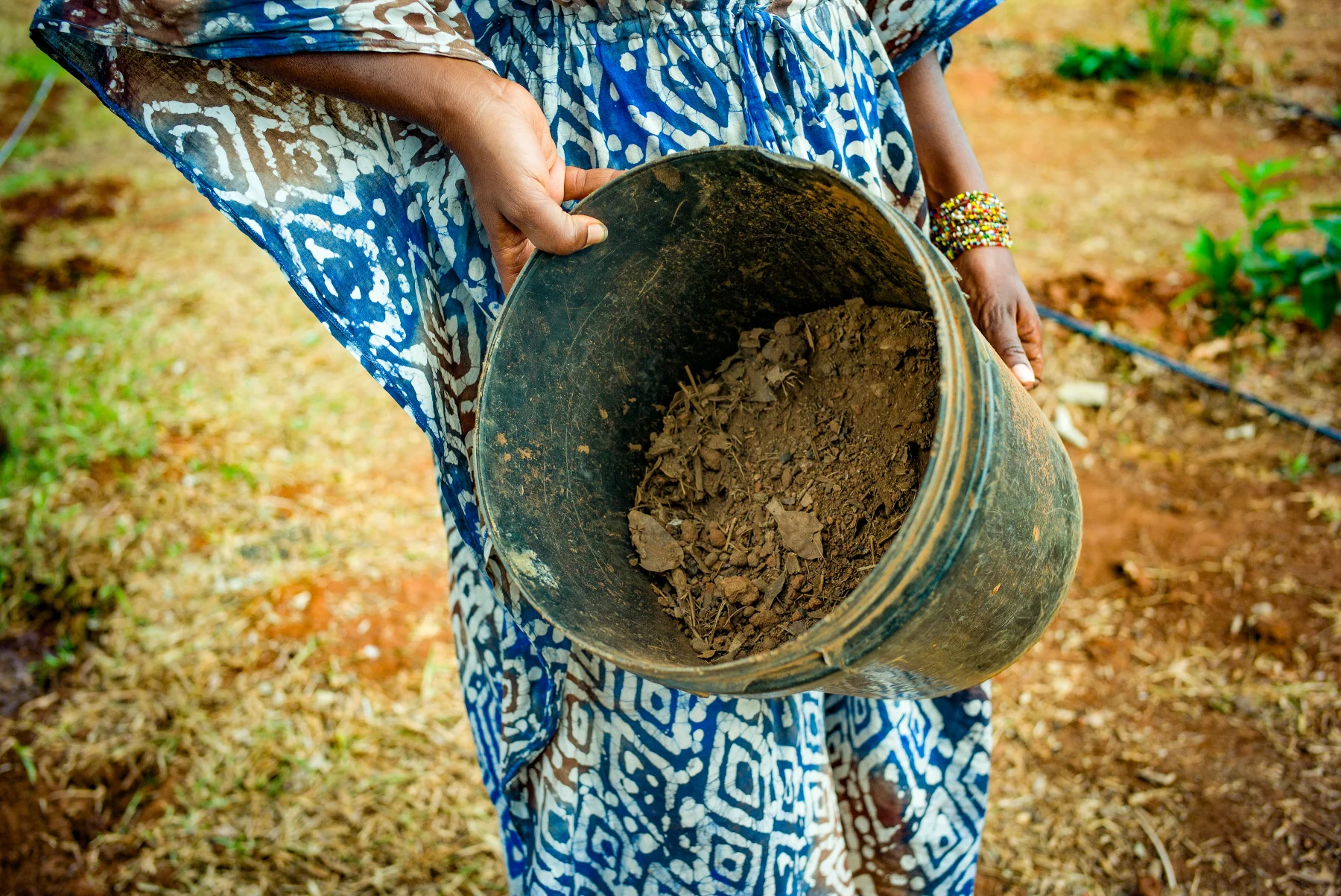
植物残体、动物粪便、炉灰、糖蜜或香蕉,再加上少量酵母,这些材料经过发酵后就能制成一桶博卡希肥料。
Plant matter, animal dung, ash, molasses or a banana and a pinch of yeast are ingredients that ferment to yield a bucket of bokashi fertilizer.
“农民们对此兴奋不已,因为他们证实这种方法成本更低,还能改善土壤质量,”姆维拉说,“他们甚至能看到蚯蚓出现了。”随着气候变化导致降雨变得难以预测且旱季愈发漫长,姆维拉指出,农民们对那些成本低廉且可持续的种植方式越来越感兴趣。
"There's a lot of excitement from farmers because they've been able to testify that it's cheaper for them, and their soil is rebuilding," Mwila says. "They're able to see earthworms." As climate change makes rainfall less predictable and dry seasons longer, Mwila says farmers are increasingly interested in inexpensive, sustainable options.
不少农民也担心商业化肥的长期影响。“由于过度使用合成化肥、农药和除草剂,土壤已经严重退化,”姆维拉说道。
Many voice concerns about the longer-term impact of commercial fertilizers. "Because of the overuse of synthetic fertilizers and pesticides and herbicides, the soil is completely depleted," says Mwila.
过去,赞比亚几乎所有的化肥都依赖进口。新冠疫情以及俄罗斯入侵乌克兰后,全球化肥价格暴涨了两倍,寻找替代方案便成了保障粮食安全的关键。
Zambia once imported nearly all of its fertilizer. After global prices tripled following the COVID-19 pandemic and the Russian invasion of Ukraine, finding alternatives became a matter of food security.
除了推广博卡希技术外,赞比亚政府还致力于发展本土化肥产业。上周,一家中赞合资企业宣布计划在赞比亚投资15亿美元兴建一座化肥厂。
In addition to bokashi, the Zambian government has promoted the growth of its domestic fertilizer industry. Last week, a Chinese-Zambian conglomerate announced its intention to build a $1.5 billion fertilizer plant in the country.
尽管整个夏季全球化肥价格普遍下跌,赞比亚也不例外,但在马拉维、坦桑尼亚和南非等南部非洲国家,部分化肥依然价格高昂。
Although global fertilizer prices largely dropped over the summer, including in Zambia, some fertilizers remain expensive in southern African countries, including Malawi, Tanzania and South Africa.
虽然政府为化肥提供补贴,但补贴额度往往供不应求。赞比亚北部铜带大学的讲师兼研究员唐纳德·祖鲁指出,若没有补贴,农民要种植2.5英亩的玉米,需花费约400美元购买化肥。“化肥价格实在太高,许多小农户根本负担不起,”祖鲁说道。有没有更便宜的替代品呢?
While the government subsidizes fertilizer, there isn't always enough to go around. Donald Zulu, a lecturer and researcher at Copperbelt University in northern Zambia, says that without subsidies — a farmer will pay about $400 USD to buy enough fertilizer to grow 2.5 acres of corn. "It's quite expensive and out of reach for many smallholder farmers," Zulu says. Do veggies like it?
为寻找替代方案,他于2024年与WeForest组织及当地农民合作,研究“博卡希”堆肥对玉米和卷心菜的生长效果。
Seeking an alternative, he started working with WeForest and local farmers to study how well bokashi worked on corn and cabbage in 2024.
“实验结果十分令人鼓舞,”祖鲁说,“使用博卡希后作物的产量与施用化学化肥的效果相当。”这一结果意味着小农户可以选用价格更低的博卡希来种植作物,获得相近的产量。但令他意外的是,那些同时使用了少量博卡希与化学化肥的作物,长势反而最好。
"The results were very encouraging," Zulu says. "Bokashi echoed the yields of mineral fertilizer." This suggested that small-scale farmers could use bokashi — which is cheaper — and grow a comparable amount of food. But to his surprise, the best-performing crops were planted with smaller amounts of both bokashi and mineral fertilizers.
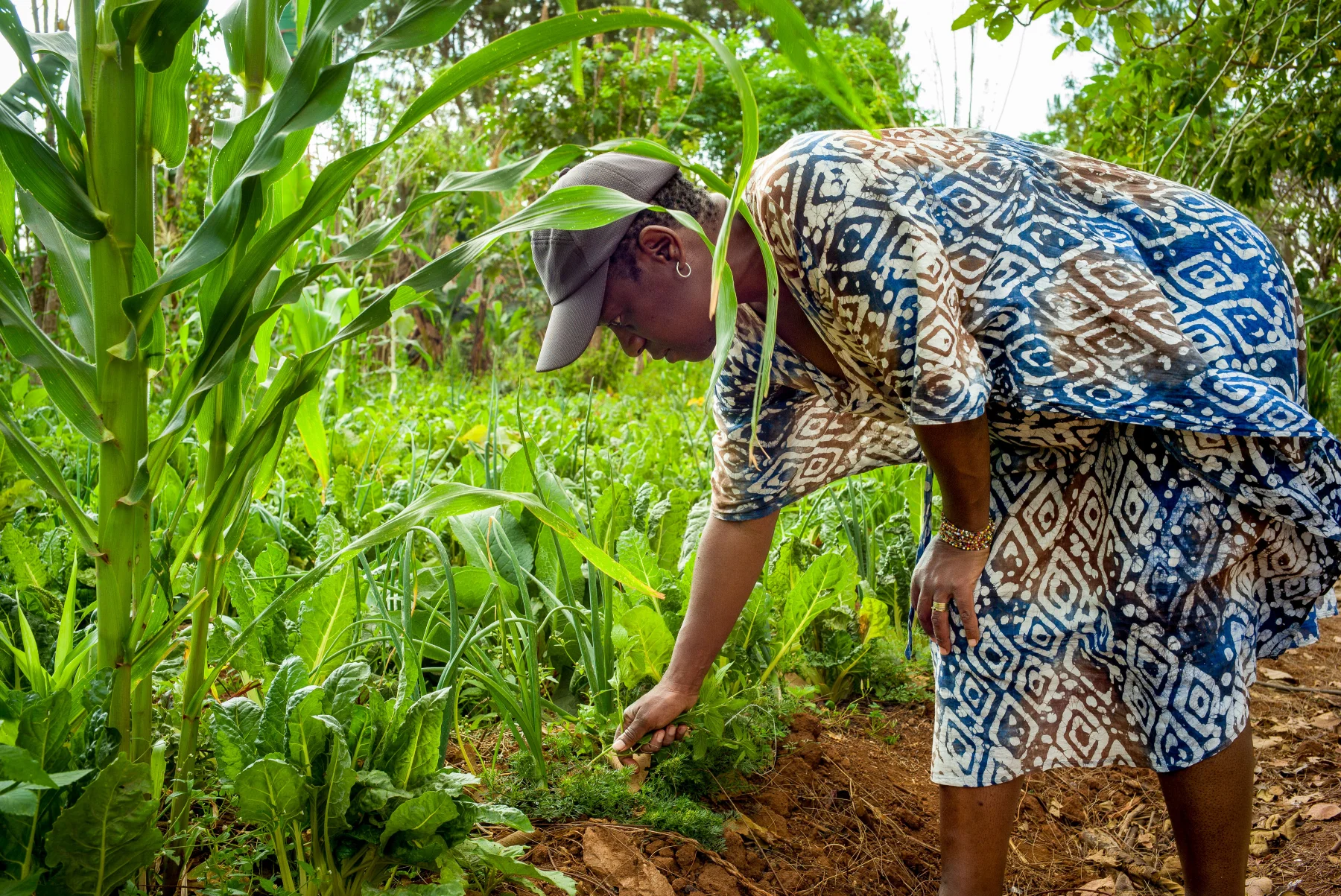
卡南瓜·纽洛夫也自行制作这种名为“博卡希”的堆肥。“制作过程中甚至无需佩戴口罩,因为它无毒无害,不含任何有害化学物质,”纽洛夫说道,“这完全就是一份充满爱心的劳动成果。”祖鲁补充道:“正因如此,博卡希对帮助农民实现粮食安全发挥着至关重要的作用。”
Kanangwa Newlove makes her own fertilizer, called bokashi. "Even when you're making it, you don't need to wear a mask because it's not toxic. There's no harmful chemicals," Newlove says. "So it's all just like a labor of love." "That's where bokashi becomes key in terms of helping farmers to be food secure," he said.
对像卡南瓜·纽洛夫这样的农民而言,使用博卡希并非单纯为了节省成本,更重要的是借此建立一种能保护土地的可持续耕作方式。
For farmers like Kanangwa Newlove, bokashi is less about the cost, and more about building a sustainable farming practice that preserves the land.
欲了解我们这个不断变化的世界中的各类生活故事,
For stories about life in our changing world, to NPR's Global Health newsletter. fertilizer farmers compost