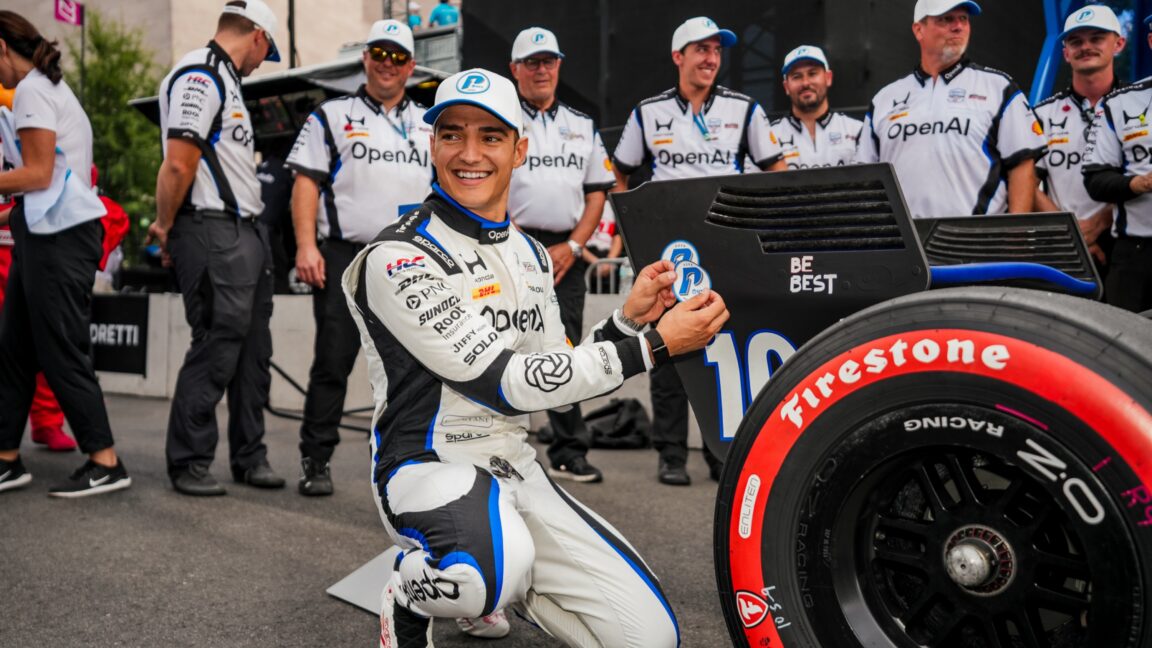
过去几年里,赛车运动世界发生了一些变化,这与资金来源有关。过去,资金主要来自烟草,其次是酒类。如今这些赞助大都已被禁止,当你看到一辆贴满赞助商标志的赛车时,上面往往会出现加密货币、网络安全或人工智能相关的标志。
There’s been something of a change in the world of motorsport over the past few years. It has to do with where the money comes from. In the old days, it was tobacco, and to a lesser extent booze. Today such things are mostly banned, and when you look at a racecar covered in sponsor logos, you’re likely to see something crypto-, cyber-, or AI-related.
这合情合理——我们的国内生产总值(GDP)中有越来越大的比例包含在这些领域中。它们拥有丰厚的资金,而赛车运动需要资金。因此在业余级别中,我们看到科技公司高管取代牙医成为了私人车手的主流:上周末的小勒芒(Petit Le Mans)耐力赛就迎来了 GitHub、Crowdstrike、Shopify 的联合创始人以及 Ruby on Rails 的创造者等人。
This makes sense—a larger and larger proportion of our GDP is wrapped up in those segments. They’re the ones with all the money, and it takes money to go racing. So at the amateur level, we’ve seen tech CEOs replace dentists as the privateer of choice: This past weekend’s Petit Le Mans included co-founders of GitHub, Crowdstrike, Shopify, and the creator of Ruby on Rails, to name a few.
但这不仅限于资金注入,赞助商还能为其赛车运动合作伙伴提供切实的利益,正如奇普·加纳西车队(CGR)和 OpenAI 今年在印地赛车(IndyCar)中所展示的那样。
But this is an instance where a sponsor can provide tangible benefits to their motorsports partner beyond a bank transfer, as Chip Ganassi Racing (CGR) and OpenAI have been showing in IndyCar this year.