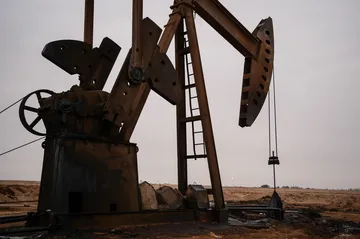
据奥尔加·塔纳斯报道,叙利亚国家石油公司首席执行官尤瑟夫·基布拉维表示,随着外国企业重新进入市场,该公司计划将原油产量提高一倍以上,并提升石油炼制能力。
Syrian Petroleum Co. plans to more than double crude production and ramp up oil refining as foreign operators return, according to Chief Executive Officer Yousef Qiblawy.
基布拉维在接受采访时称,通过加大对现有油田的投资,预计到2027年底,叙利亚的石油日产量将从目前的约11万桶提升至25万桶左右。他还表示,如果勘探工作顺利,未来十年内产量有望进一步增长。
The company expects oil output to increase to about 250,000 barrels a day by the end of 2027 from about 110,000 barrels a day now by investing in existing fields, Qiblawy said in an interview. It’s aiming for further expansion by the end of the decade if exploration efforts are successful, he said.
不过,这些目标的实现取决于叙利亚能否筹集到足够的资金、设备和技术力量,以修复历经十多年战乱后受损的油田与基础设施。目前,该国的石油天然气产业正逐步复苏,政府也在积极吸引康菲石油、雪佛龙以及道达尔能源等国际企业投资。
Those ambitions depend on Syria’s ability to mobilize the money, equipment and expertise needed to rehabilitate its fields and infrastructure after more than a decade of war. The country’s oil and gas industry, which collapsed during the conflict, is slowly recovering, and the government is courting international investors including ConocoPhillips, Chevron Corp. and TotalEnergies SE.
叙利亚目前拥有两座炼油厂,分别位于巴尼亚斯和霍姆斯,二者均因长期战乱与投资不足而受损严重。基布拉维在本周伦敦举行的能源情报论坛上透露,巴尼亚斯炼油厂正在进行大规模维修,预计本月底完工后,其日加工能力将从8万桶提升至13万桶。霍姆斯炼油厂的维修工作将于明年1至2月启动,完成后日加工能力也将从目前的约4.5万桶增至7万桶左右。此外,政府还计划新建数座小型炼油厂。现阶段,叙利亚仍需依靠进口原油及石油制品来满足国内需求。
Syria has two oil refineries, at Baniyas and Homs, both of which have suffered years of war damage and underinvestment. The Baniyas plant is undergoing extensive maintenance and will be able to process 130,000 barrels a day, up from 80,000 a day, once it’s completed later this month, Qiblawy said on the sidelines of the Energy Intelligence Forum in London this week. Maintenance at the Homs facility will start in January or February and is set to raise processing capacity to about 70,000 barrels a day from roughly 45,000 barrels currently, the CEO said. The government is also aiming to build several more small refineries. For now, Syria is relying on foreign shipments of crude and petroleum products to meet demand.