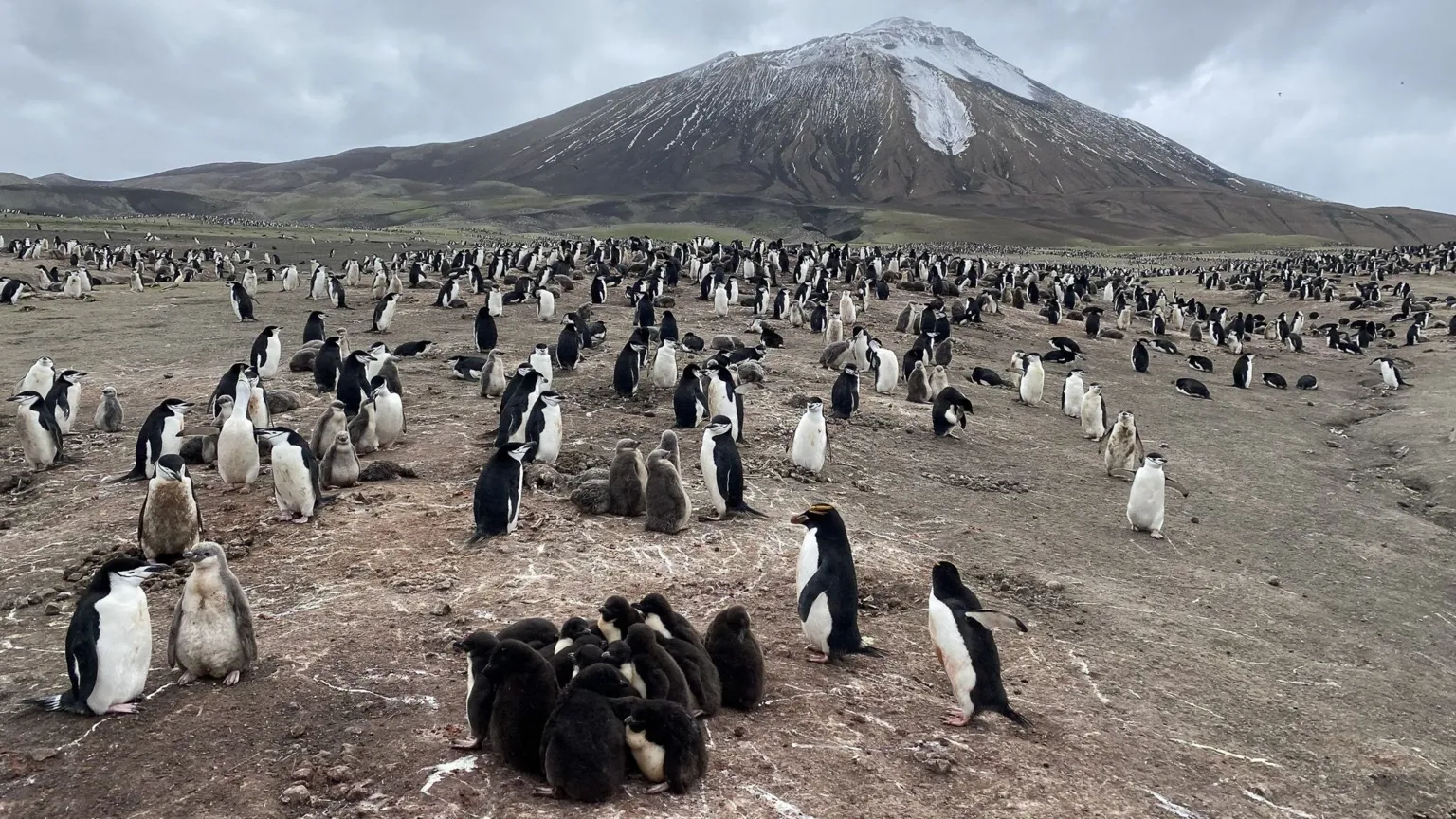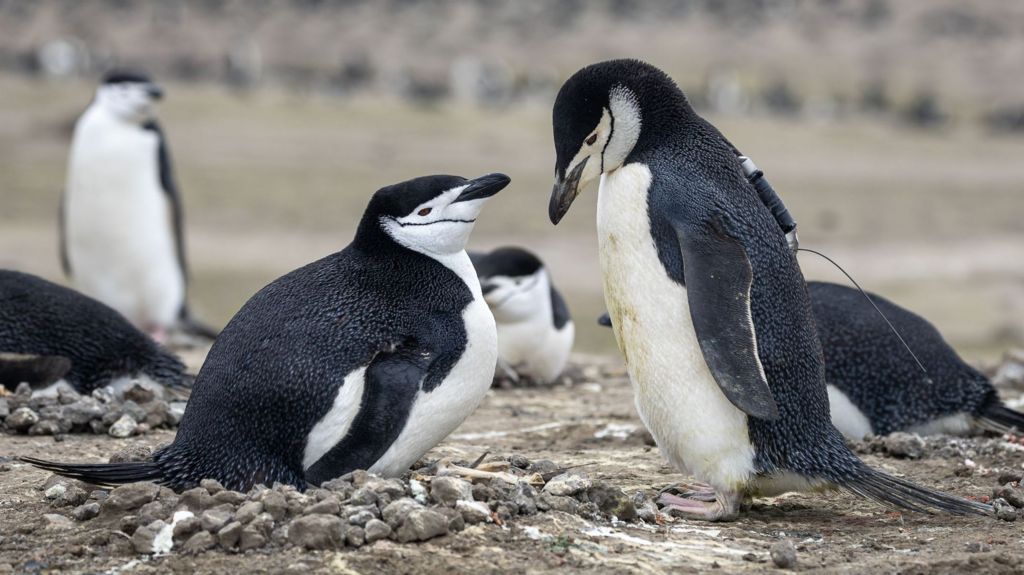
示,在南极洲附近的一座偏远火山岛上,近三分之二的帽带企鹅已经消失不见。
Almost two-thirds of the population of chinstrap penguins have disappeared from a remote volcanic island near Antarctica, aerial surveys suggest.
扎沃多夫斯基岛曾是世界上最大的企鹅聚居地,但参与此次调查的研究人员表示,如今它已不再拥有这一称号。
Zavodovski Island was home to the largest penguin colony in the world, but researchers who carried out the surveys say it has now lost that accolade.
研究显示,2025年该岛上帽带企鹅的筑巢数量较2011年同期减少了63%。
According to the study, there were 63% fewer occuplied nests of chinstrap penguins in 2025 than at the same time in 2011.
研究团队指出,气候变化正在影响这些企鹅的食物来源及其生存状况,它们很可能已被正式列为濒危物种。
The research team say climate change is affecting the birds' food supply and survival, and the penguins may now be officially endangered.
另一种名为长冠企鹅的物种同样在该岛筑巢,且种群数量增长迅速;科学家认为这与它们更为多样化的饮食结构有关。
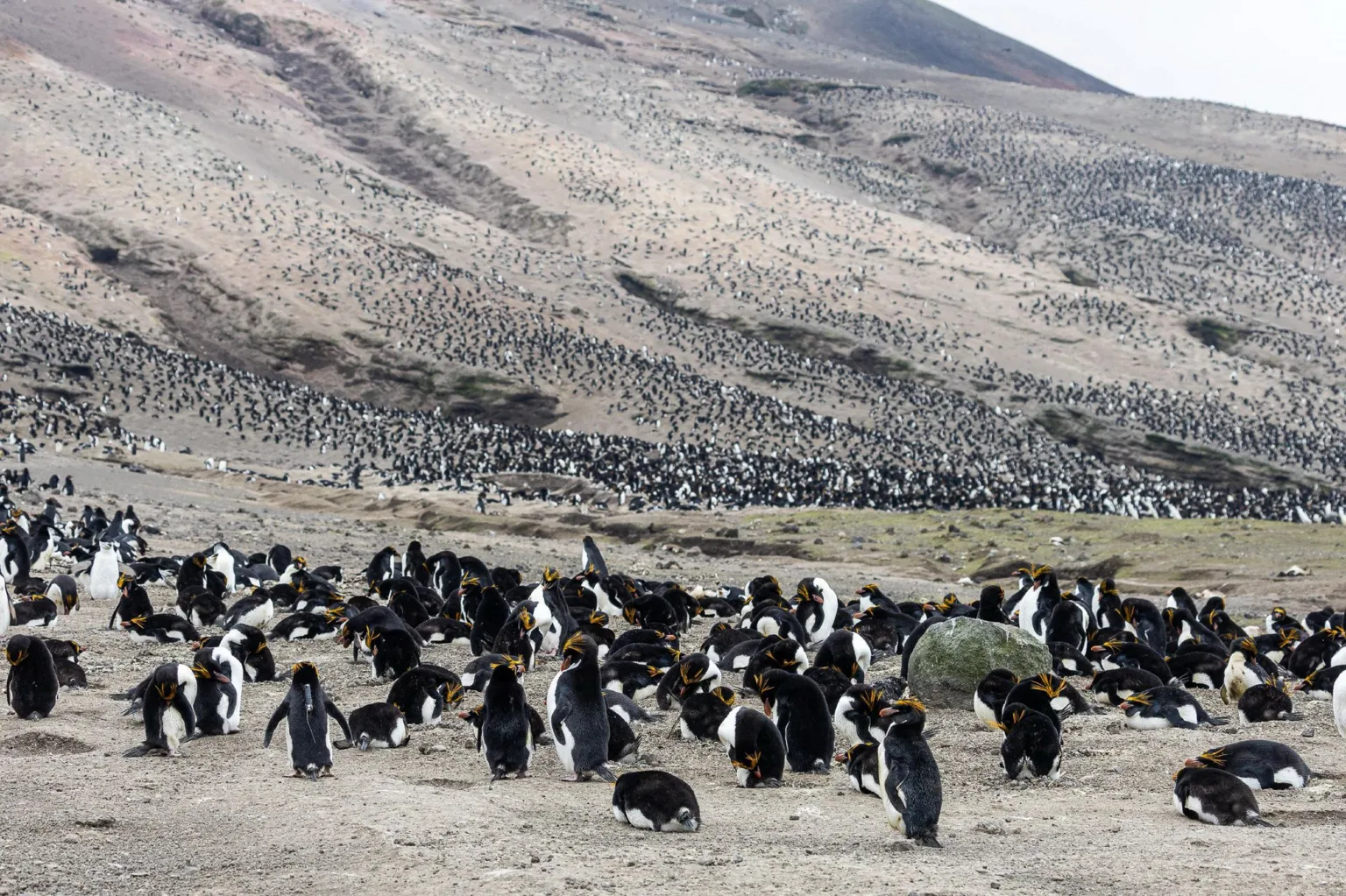
Another species of penguin, the macaroni, also nests on the island and is thriving, which scientists believe is linked to their more varied diet.
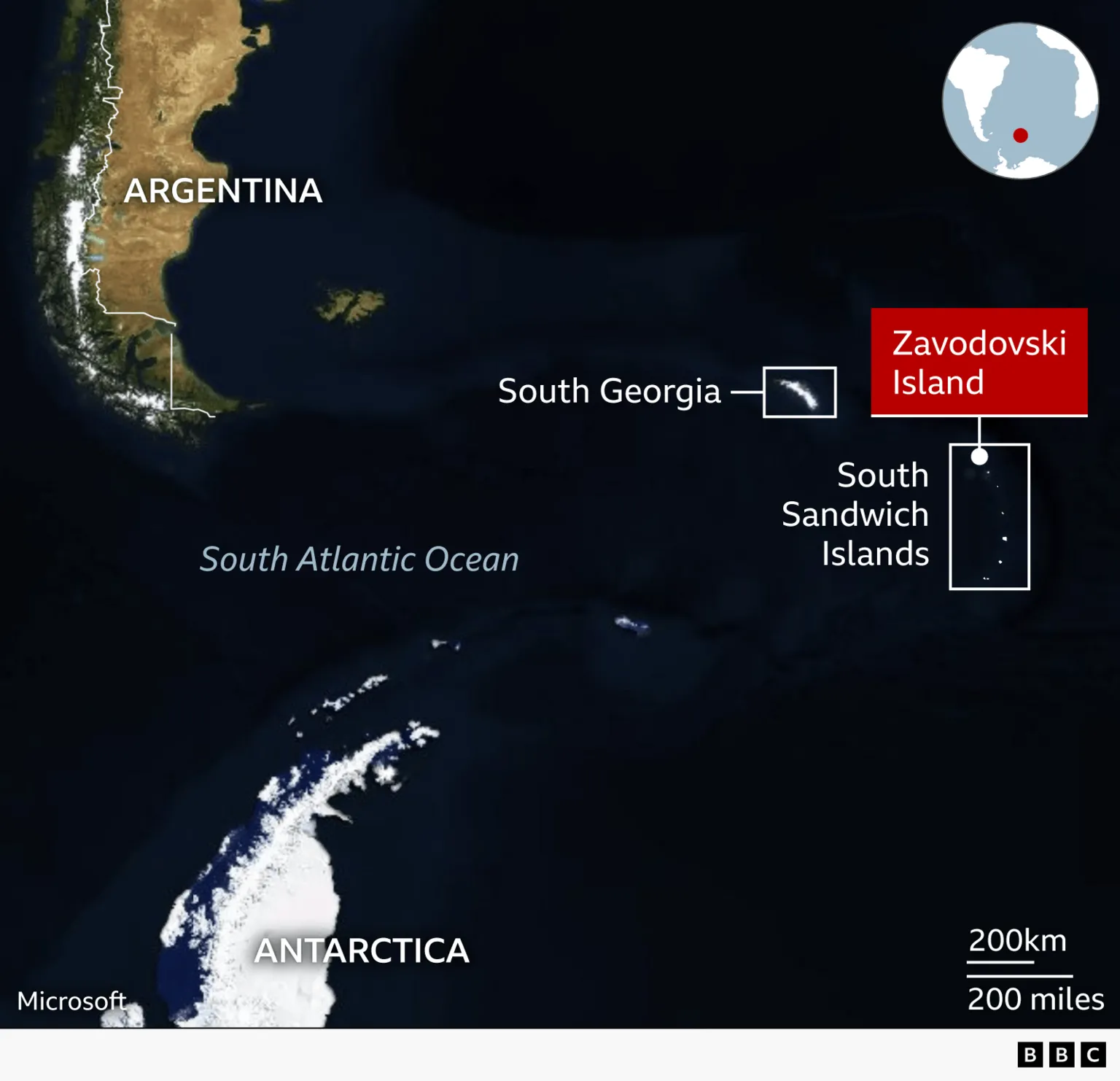
扎沃多夫斯基岛隶属于南桑威奇群岛,这是一个位于南极大陆以北、属于英国海外领地的偏远群岛。
Zavodovski is part of the South Sandwich Islands, a remote archipelago north of the Antarctic continent which is a UK overseas territory.
2011年时,英国南极调查局曾称该岛为全球最大的企鹅聚居地——据估计,当时有约60万只帽带企鹅和9万只长冠企鹅在此荒凉多石的陆地上筑巢。
In 2011, it was hailed by the British Antarctic Survey (BAS) as home to the largest penguin colony in the world - with an estimated 600,000 chinstrap penguins and 90,000 macaroni penguins nesting on its bleak, rocky terrain.
主导此次研究的英国南极调查局称,这里堪称“世界上开展野外工作最为艰难的地点之一”。
BAS, which led this new research, says it is "one of the most extreme places in the world to undertake fieldwork".
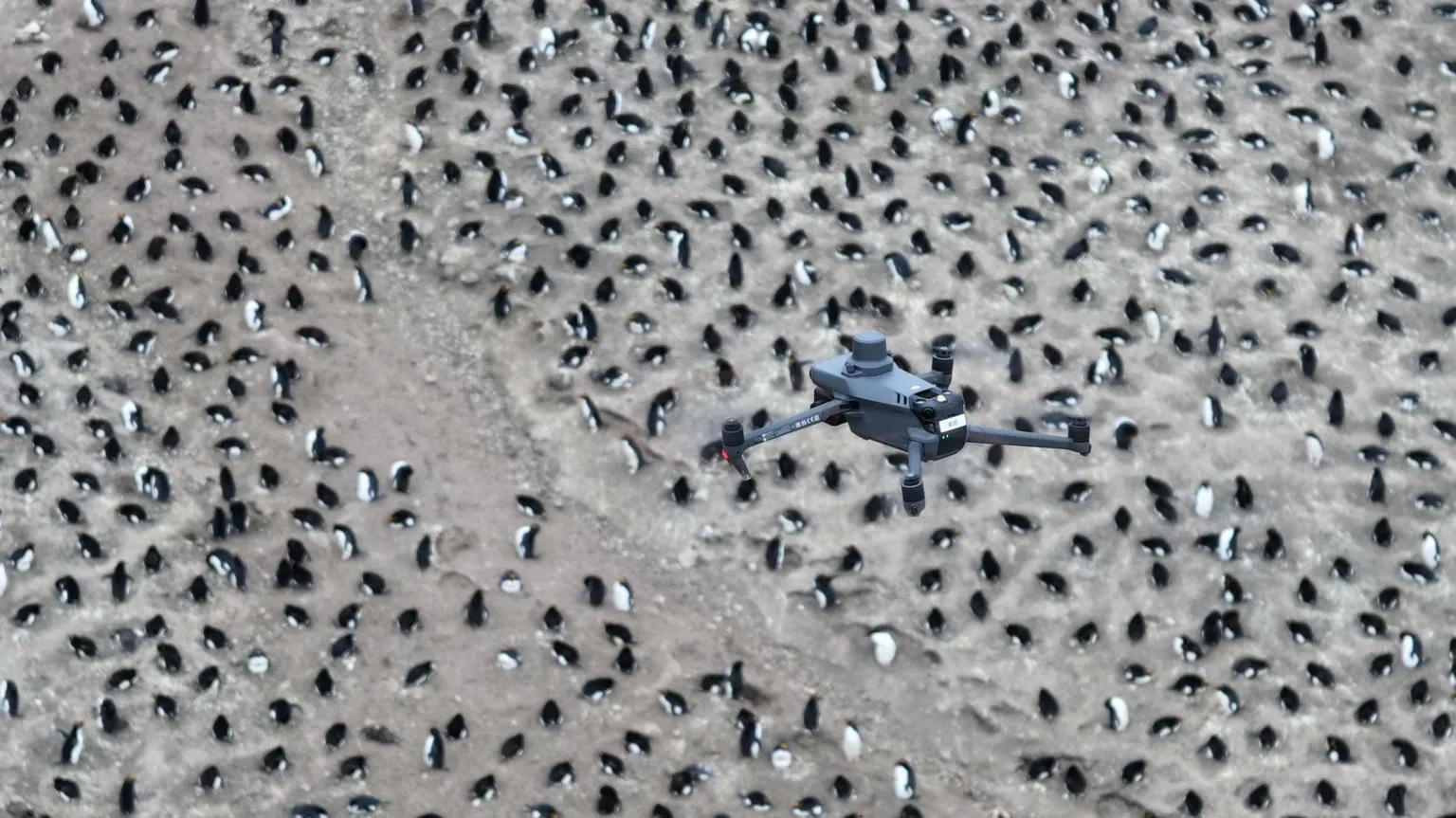
为研究岛上的鸟类种群,一支调查队历经15天航程才抵达该岛,并借助无人机、航空摄影技术,为20只企鹅安装了追踪装置。
A BAS team sailed for 15 days to reach the island and study its avian inhabitants, using drones, aerial photography and fitting tracking devices to 20 birds.
研究数据及卫星图像均显示:从2011年至2025年间,岛上帽带企鹅的筑巢数量减少了63%。
This research and satellite imagery suggested that - between 2011 and 2025 - the number of occupied chinstrap penguin nests declined by 63%.
研究人员指出,帽带企鹅种群数量的“惊人”下降主要归因于气候变化导致的食物短缺以及海水温度上升。
The researchers say the "alarming" fall in the chinstrap population is all about the food supply and rising ocean temperatures brought about by climate change.
负责此项研究的诺曼·拉特克利夫教授解释称,帽带企鹅“对食物种类要求严格”,且偏好较冷的水域,这些特性使其极易受到环境变化的影响。
Prof Norman Ratcliffe, who led the research, explained that the chinstraps' "specialist diet" and preference for cooler waters appears to have left them vulnerable.
“随着海水温度升高,帽带企鹅赖以生存的磷虾群也逐渐向南方迁移。”
"With waters warming, the krill [that the chinstrap penguins eat] have moved southwards.
“南部的海冰覆盖以及缺乏适合筑巢的岛屿,使得帽带企鹅无法追随食物来源,”他说。
"Sea-ice cover to the south and a lack of suitable islands for nesting prevents chinstraps from following the food," he said.
研究小组还考察了这座偏远岛屿上威胁到帽带企鹅生存的其他可能因素。这些企鹅在一座活火山的阴影下筑巢——那便是库里山,它还有一个贴切的别名:窒息山。
The team examined other possible threats to the penguins' precarious existence on their remote island. Birds here nest in the shadow of an active volcano - Mount Curry, also aptly known as Mount Asphyxsia.
由于火山口喷出的气体带有刺鼻气味,位于火山下风向的区域被分别命名为“恶臭角”“有毒崖”以及“窒息平原”。
Sites downwind of the volcano have been given names including Stench Point, Noxious Bluff and Asphyxia Plain, because of the smell of fumes emitted from the crater.
拉特克利夫博士对BBC新闻表示:“再加上大量企鹅粪便,这里绝对堪称世界上气味最难闻的地方之一。简直就是企鹅版的‘魔多’。”
Dr Ratcliffe told BBC News: "When you add all the penguin guano on top of that, and you really do have one of the smelliest places in the world. "It's like a penguin Mordor."
库里山最近一次大规模喷发发生在2016年,但这项研究分析显示,自2011年起帽带企鹅的数量便持续下降,这说明当时肯定还有其他因素在起作用。
Mount Curry's last major eruption was back in 2016, but the penguin declines that this study analysed have been steady and ongoing since 2011, suggesting that something else was happening.
另一个令人担忧的问题是帽带企鹅赖以生存的磷虾资源面临竞争——可能是来自迁徙途中的座头鲸。虽然座头鲸会大量捕食磷虾,但它们排出的大量粪便又能为海洋植物提供养分,进而促进磷虾的繁殖。
Another concern was competition for the krill that chinstrap penguins rely on - possibly from migrating humpback whales. But, while the humpbacks eat huge quantities of krill, they also help boost krill production by fertilising marine plants that the krill feed on (with their huge quantities of whale poo).
研究人员指出,真正导致这一局面的根本原因在于气候变化引发的海洋食物资源分布变化。
Researchers say a more fundamental, climate-driven shift in ocean food supplies is to blame.
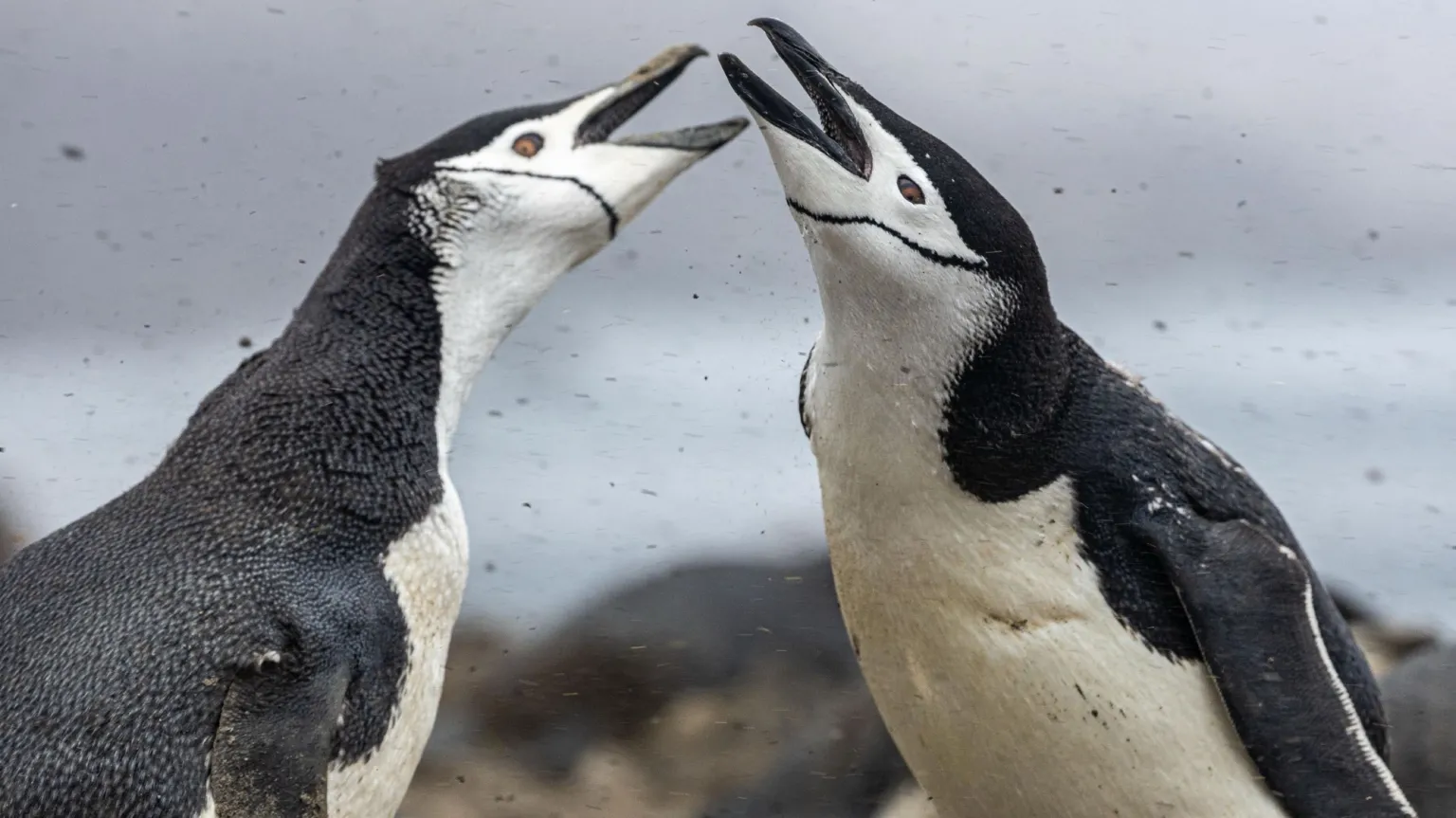
还有一个出人意料的现象也反映了该地区正在发生的变化:尽管帽带企鹅数量不断减少,岛上长冠企鹅的数量却大幅上升。
There is an unexpected element of this story that also adds to the picture of how - and why - this region is changing: While the chinstrap population has been declining, the number of macaroni penguins on the island has increased dramatically.
科学家称,长冠企鹅的适应能力更强,因为它们的食谱更为广泛且灵活。
Macaroni penguins, scientists say, are more adaptable, because they have a broader, more flexible diet.
研究中的追踪数据显示,长冠企鹅会在岛屿东北方向的温暖水域觅食,科学家推测它们在那里以鱼类及其他甲壳类动物来补充日常饮食。
Tracking data from the study showed that the macaronis foraged in warmer waters to the northeast of the island, where scientists say they were were likely to be supplementing their diets with fish and other crustaceans.
拉特克利夫博士指出,这种变化堪称“南极地区单个地点有史以来观察到的群落结构最显著的变化”。
Dr Ratcliffe said this shift was "biggest change in community composition ever observed at a single location in Antarctica".
“我们的数据显示,适应寒冷环境的南极帽带企鹅如今已无法像以前那样在亚南极地区的同类种群旁繁衍生息,”他补充道。
"Our data shows that the cold-adapted Antarctic chinstrap species are no longer thriving beside their sub-Antarctic neighbours," he added.
“这进一步证明了南极地区快速变暖正对那些独特且脆弱的生态系统产生影响。”至于全球最大企鹅聚居地的头衔,科学家们表示如今已归属于距离此处5000多公里远的另一处地点——位于罗斯海的阿代尔角,它处于南极大陆的另一端。这项研究已发表在《当代生物学》期刊上。
"It is further evidence of how rapid warming in the Antarctic is impacting unique and sensitive ecosystems." As for the title of world's largest penguin colony, scientists say that is now held by a site more than 5,000km away - on the other side of the Antarctic continent - Cape Adare in the Ross Sea. The research is published in the journal Current Biology.