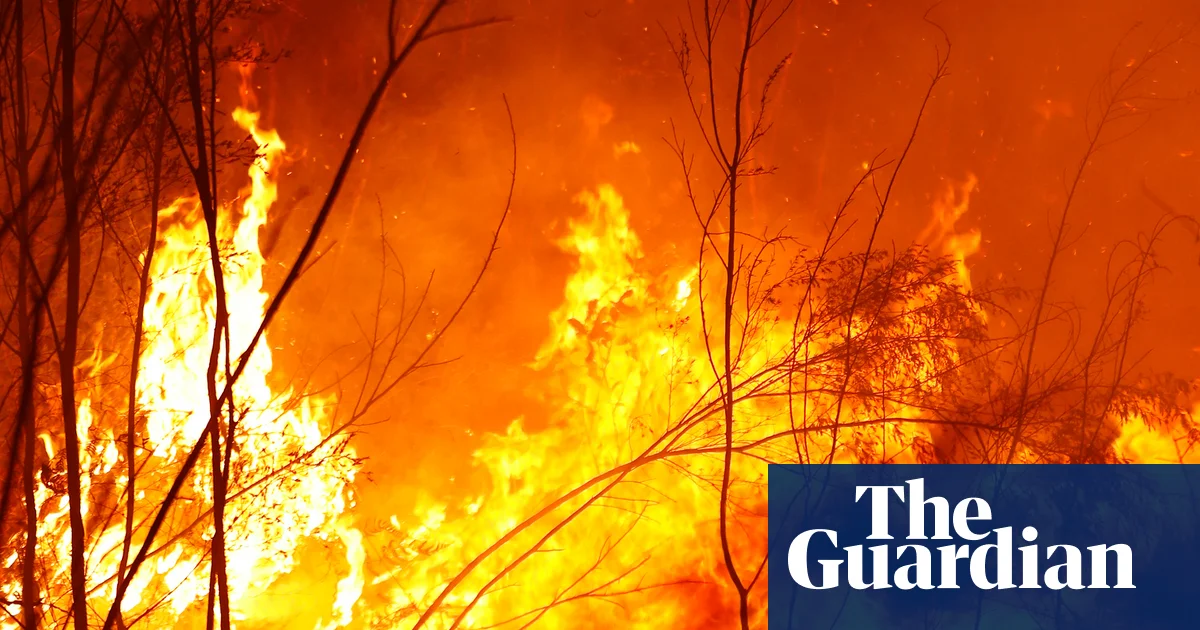
专家指出,殖民时期带来的剧烈土地利用变化引发了“灾难性野火循环”,使得澳大利亚东南部地区更容易发生由气候因素引发的丛林大火。
The drastic land use changes wreaked by colonisation created a “catastrophic wildfire loop” that rendered south-east Australia more susceptible to climate-fuelled bushfires, experts say.
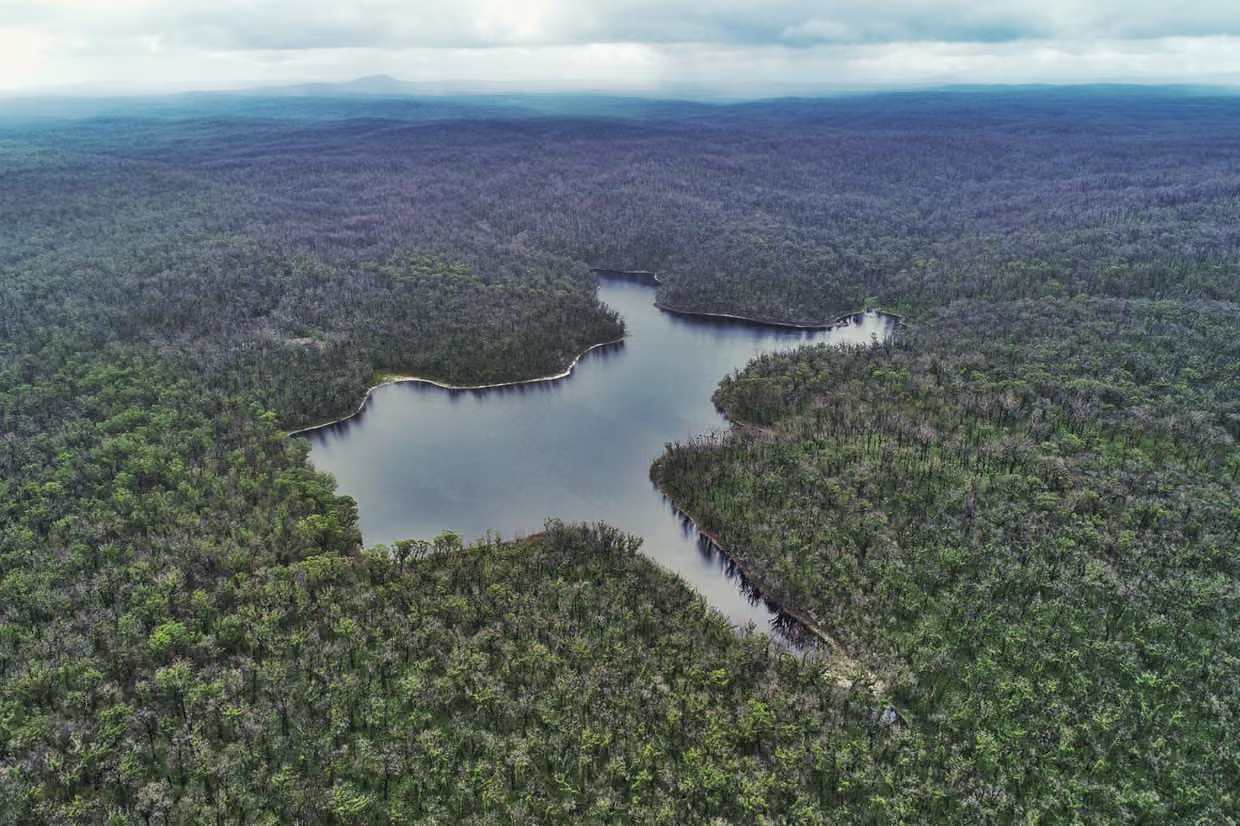
一个研究小组与代表原住民的土地权益组织——古奈库尔奈土地与水务原住民公司合作,对位于维多利亚州吉普斯兰地区克罗金戈隆国家公园内、被森林环绕的普尔加古拉湖周边1000年来的植被与火灾历史进行了复原研究。
A team of researchers, working with the Gunaikurnai Land and Waters Aboriginal Corporation, an organisation that represents traditional owners, reconstructed 1,000 years of vegetation and fire history at Purghagoolah, a lake surrounded by forest in Croajingolong national park in Gippsland, Victoria.
研究人员分析了从一米长的沉积岩芯中提取出的花粉与木炭颗粒,从而揭示了该地区地貌的历史变迁,以及天气状况、桉树分布与火灾发生频率及强度之间的相互作用关系。
They analysed pollen and charcoal particles deposited over time in a metre-long sediment core, uncovering historical changes in the landscape and the interactions between weather, eucalypt cover and fire frequency and intensity.
这项研究成果已发表于《自然》杂志。研究表明,殖民后该地区从开阔林地逐渐演变为茂密森林,导致火灾愈发剧烈;这一变化与原住民文化中的用火习俗逐渐消失、以及古奈库尔奈族原住民被迫离开故土密切相关。
The results, published in Nature, revealed the shift from open woodland to dense forest after colonisation led to more intense fires, changes consistent with the loss of cultural burning practices and the removal of traditional owners, the Gunaikurnai people, from the land.
作为该研究的主要作者,墨尔本大学教授迈克尔-肖恩·弗莱彻指出,在殖民之前,“这片土地一直受到原住民的悉心照料与管理”。
Michael-Shawn Fletcher, a professor at the University of Melbourne and the study’s lead author, said prior to colonisation “this was a cared for and managed landscape”.
他补充道:“随着古奈库尔奈族原住民被迫离开故土,当地树木与灌木的数量随之增加,进而引发了更多火灾。事实上,早在一个多世纪前,土地利用方式的改变便促使灌木大量生长、火灾愈发猛烈;这些高温火灾又反过来促使桉树不断繁衍,进而引发更多火灾。” 弗莱彻强调,这项研究为文化用火的价值提供了科学依据,也凸显了将原住民智慧融入现代火灾管理策略的重要性。
“Gunaikurnai are removed from Country and you see a change in the amount of trees and shrubs in the landscape, and that drives more fires,” he said. “It’s actually land use change, more than a century before climate changes, that has allowed shrubs to increase, fires to get hotter. Those hot fires then trigger eucalypt recruitment. And the eucalypts then increase, driving further fire.”Fletcher said the research provided scientific evidence for the value of cultural burning, and the importance of integrating Indigenous knowledge into modern fire management strategies.
“文化性用火”指的是原住民利用低温火来维持生态环境安全与生产力的方法。如今在澳大利亚部分地区,人们仍沿用这些做法。这些做法遵循“适时、适地”的原则,与政府机构为降低火灾风险而实施的常规计划性用火措施截然不同。
Cultural burning refers to the way First Nations people use low-temperature fire to maintain a safe and productive landscape. These practices, which are still used in parts of Australia today, are based on a responsive “right time, right place” approach that differs from mainstream prescribed burning practices undertaken by government agencies for hazard reduction.
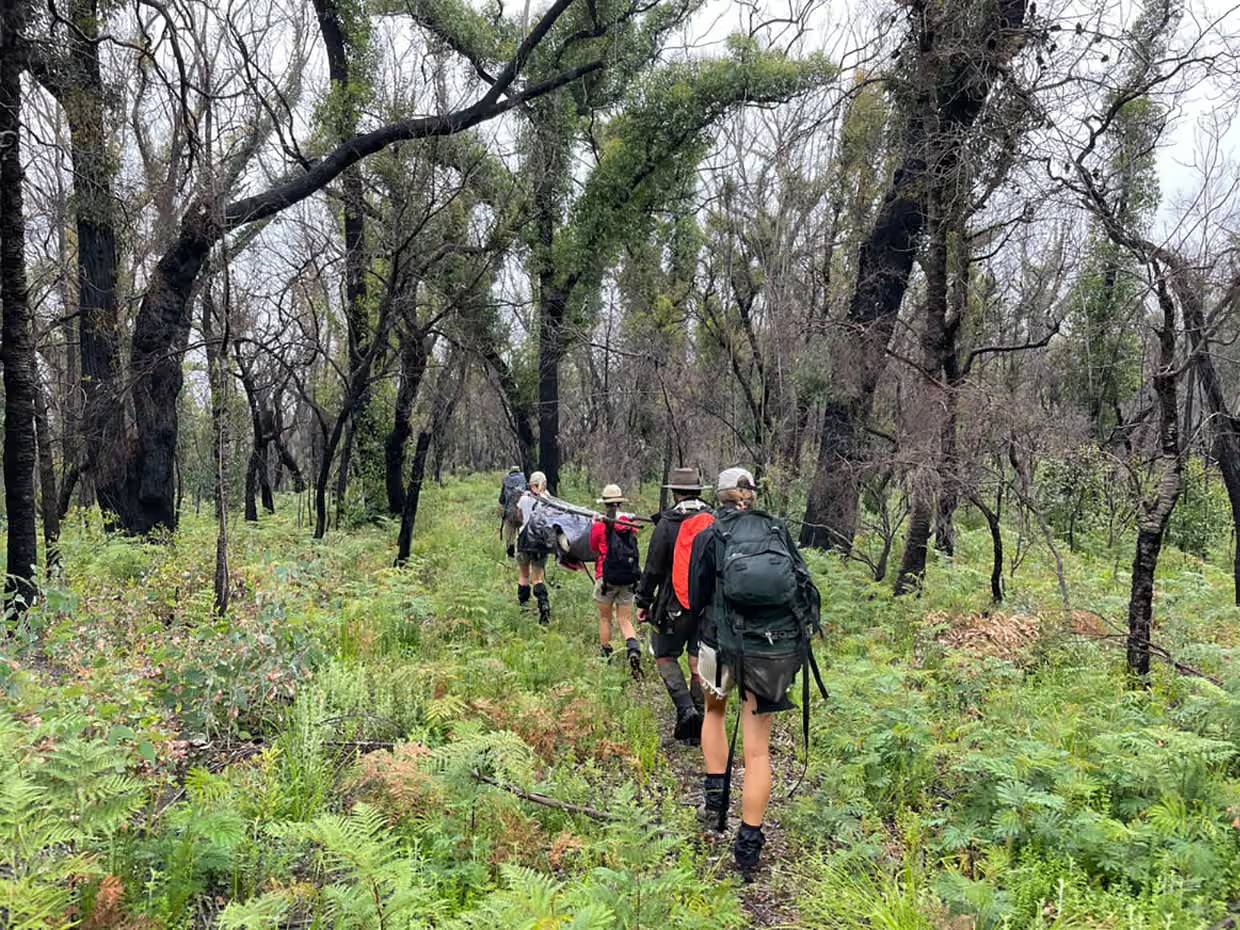
“希望这项研究能引发一场讨论,让我们看到一个新未来的可能性——我们终将有效控制那些极具破坏性的火灾。”弗莱彻说道。
“Hopefully this opens a conversation around the possibilities, into a new future where we can actually start getting control of the catastrophic fire problem,” Fletcher said.
塔斯马尼亚大学的火灾研究专家大卫·鲍曼教授并未参与该论文的撰写。他认为这项研究意义重大,有助于人们日益清晰地认识到:原住民用火管理方式的缺失对生态环境造成了深远影响。
Prof David Bowman, a fire scientist based at the University of Tasmania, who was not an author of the paper, said the research was significant and contributed to the “growing realisation” about the legacy of landscape change resulting from the loss of Indigenous fire management.
“其他因素也加剧了这种变化,比如外来物种的引入。这些都属于极为复杂的生态过程,但传统用火管理方式的缺失无疑是其中极为关键的影响因素。”鲍曼指出。
“Other factors have exacerbated these changes, [such as] the introduction of non-native animals, non-native plants in some cases. These are very complex ecological processes, but taking out traditional fire management is a very significant thing to have happened.”
他表示,这些长期记录对于梳理历史上用火模式的变迁及其对气候变化的响应具有“至关重要的意义”。“野火研究领域的一大核心问题就是:当前发生的种种现象究竟有多反常、有多史无前例?”
The long-term records were “critically important” for piecing together the historical changes in fire regimes, and how they’re responding to climate drivers, he said. “One of the big questions in wildfire science is how anomalous, or how unprecedented, is the stuff that’s happening?”
鲍曼将这项研究比作“开场序曲”。“我真心希望它能引发一场我们亟需进行的讨论——随着火灾危机日益严峻,我们该如何妥善管理生态环境。”
Bowman described the research as “like a pipe opener”. “I really hope that it opens up a conversation that we really need to have about managing our landscapes as the fire crisis is worsening.”