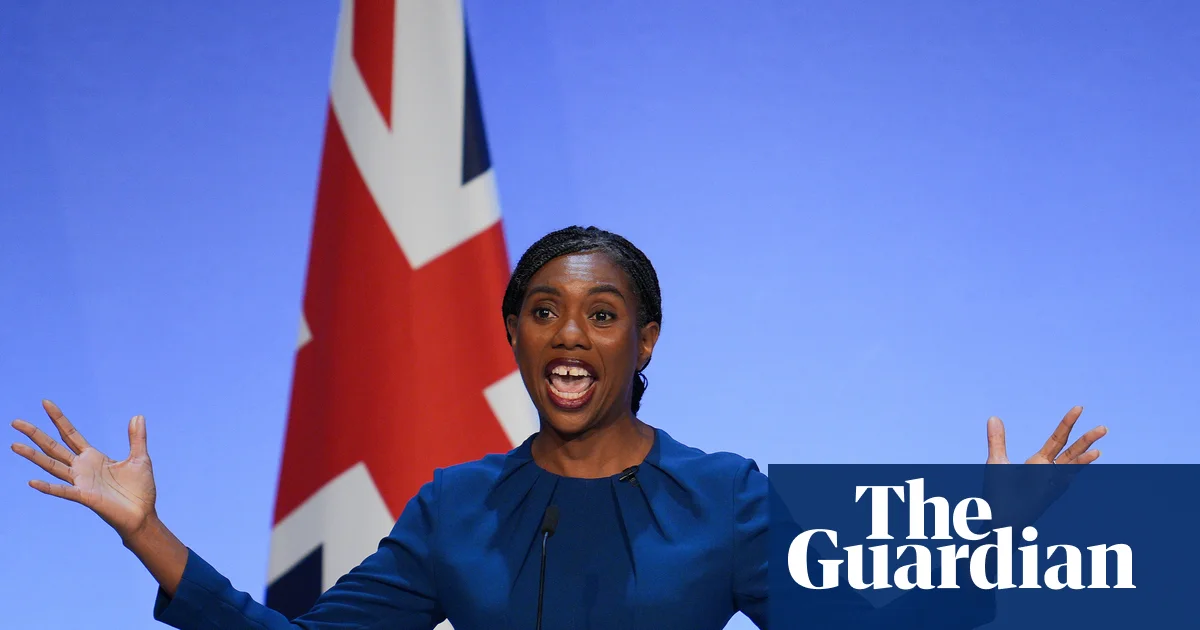
这是一份保守党的经典政策主张。毕竟,正是乔治·奥斯本在2007年高调承诺“将家庭住宅排除在遗产税之外”,才让戈登·布朗打消了提前举行大选的念头。
is a Conservative classic. After all, it was George Osborne’s high-profile pledge to “take the family home out of inheritance tax” in 2007 that put Gordon Brown off calling a snap general election.
实际上,奥斯本的计划设定了100万英镑的遗产税起征点——但到2010年保守党与自由民主党联合政府上台时,全球金融危机早已导致公共财政出现巨大窟窿,因此这一计划最终未能实施。
In practice, Osborne’s plan involved a £1m threshold for inheritance tax – and given the global financial crisis had blown a hole in the public finances by the time the Conservative-Lib Dem coalition came to power in 2010, it never came to pass.
不过,这一承诺足以引发广泛关注,改变了政治讨论的焦点,也促使布朗做出了不提前举行选举的关键决定。
But the promise was grabby enough to change the political conversation – and contributed to Brown’s fateful decision not to go to the polls early.
因此,从政治角度来看,巴德诺赫的这项核心政策或许有其价值。政策制定者所称的遗产税(IHT)向来极不受欢迎。尽管那些家庭几乎不可能被征税,他们仍然担心子女需要支付这笔税款,而大量高薪税务顾问则纷纷承诺帮助他们避税。
So politically, Badenoch’s flagship policy may have merit. IHT, as policymakers call it, is notoriously unpopular. Families never likely to be liable nevertheless fret about their kids having to paying it, while a cacophony of highly paid tax advisers offer to help them avoid it.
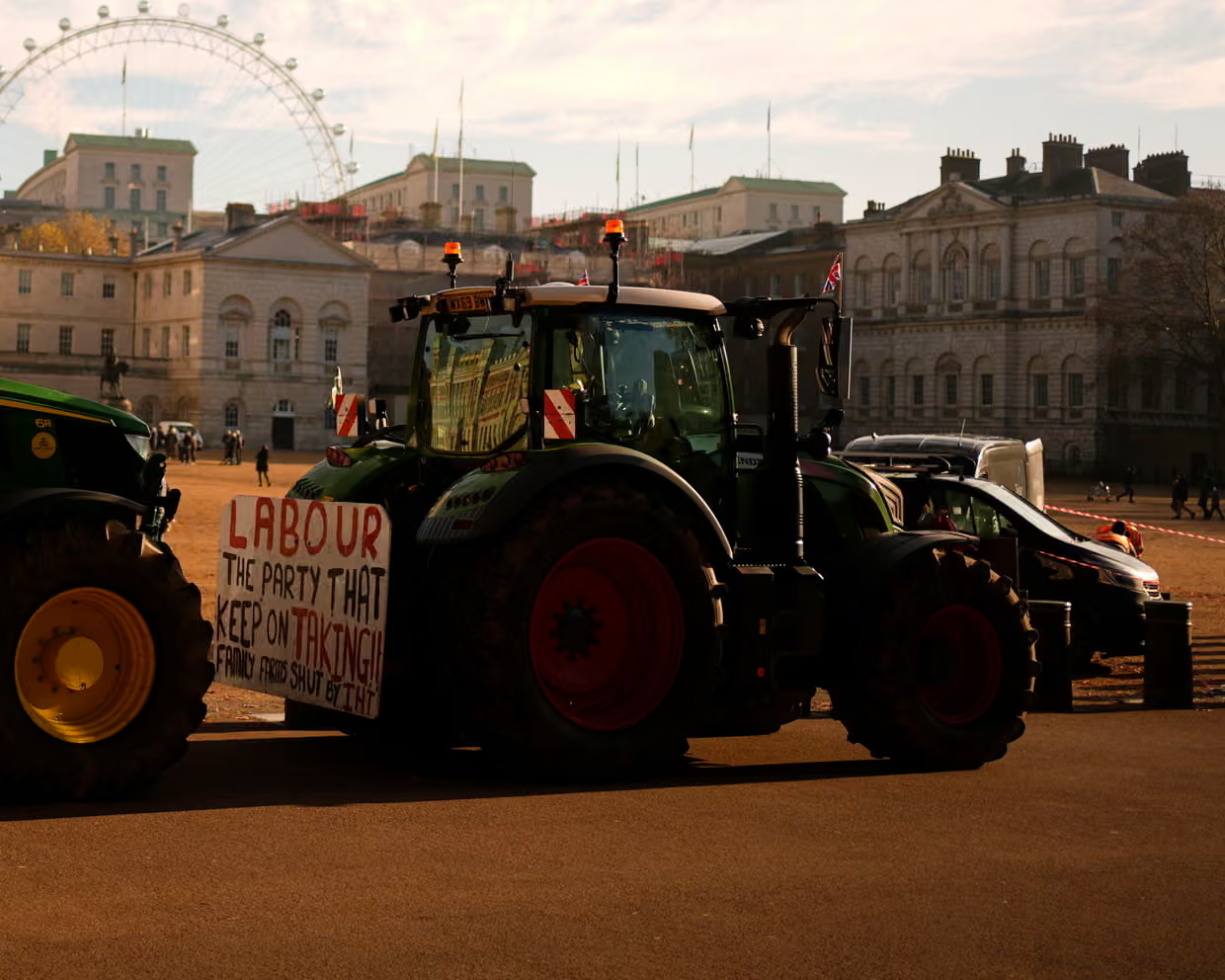
雷切尔·里夫斯对家族企业和农场遗产税制度的改革引发了强烈反应:拖拉机车队驶过怀特霍尔,凸显了这项政策的不受欢迎程度。
The furious response to Rachel Reeves’s reform of the inheritance tax regime for family businesses and farms, with tractors streaming down Whitehall underlined how unpopular it is.
然而,无论其政治逻辑如何,保守党的这一计划在经济上却缺乏合理性。首先,我们有必要停下来思考一下,这项新政策受益者可能有多么富裕。
But whatever its political logic, the Tory plan makes little economic sense. First, it’s worth pausing to underline how very wealthy the beneficiaries of this new policy are likely to be.
英国税务海关总署(HMRC)的最新数据显示,在2023/24年度,不到5%的遗产需要缴纳遗产税——也就是说,只有最富裕的5%的遗产需要缴税。
The latest data from HMRC shows that less than 5% of estates – the wealthiest 5%, that is – were liable for any inheritance tax at all in 2023/24.
而且根据现行规则,通过合并免税额度,一对已婚夫妇已经可以将价值高达100万英镑的房产传给子女或孙辈,而后者无需缴纳一分钱遗产税。
And under current rules, by combining their tax-free allowances, a married couple can already pass on a property worth up to £1m to their children or grandchildren, without them being liable to pay a penny in inheritance tax.
巴德诺赫提出的这项更加慷慨的新制度,将允许夫妇无论家庭住宅价值多少,都可以完全免税地将其传给后代;此外,还可以额外豁免100万英镑的其他资产。房产价值越高,带来的收益就越大。
Badenoch’s new, much more generous regime would permit a couple to pass on the entire family home, however valuable, without paying any tax on it at all; and for good measure an additional £1m in other assets. And the more valuable the property, the bigger the gain.
显然,在经济疲软、资源紧张的背景下,这项政策预计将耗费60亿英镑的纳税人资金,究竟是否是最优用途,值得商榷——相比之下,投资基础设施或许还有望获得回报。
Clearly, in a sluggish economy where resources are stretched, there’s a question about whether that is the best use of the £6bn of taxpayers’ money the policy is reckoned to cost – compared to, say, investing in infrastructure where there might be the prospect of a return.
今年,遗产税(IHT)的总收入预计约为90亿英镑,到2030-31年将进一步增至150亿英镑——而巴登诺克的计划将抹去其中约一半。
Total revenue from IHT is forecast to be around £9bn this year, rising to £15bn by 2030-31 – Badenoch’s plan would wipe out about half of that.
更糟糕的是,这项政策还会给年长的房主带来扭曲的激励,让他们做出经济所不希望看到的行为:因担心变卖房产所得会被税务部门征收,而选择继续持有这些高价值房产。
Worse than that though, it will create perverse incentives for older homeowners to do exactly what the economy needs them not to do, and hang on in a valuable property, for fear the proceeds of downsizing would be grabbed by the taxman.
保守党声称,他们还将废除印花税,从而促进房地产市场运转并鼓励人们出售大宅;但对于最昂贵的住宅而言,免于支付超过当前免税额后40%的遗产税所带来的好处,很可能远超过免税搬迁所能带来的益处。
The Tories claim they’ll also abolish stamp duty, helping to oil the wheels of the property market and encourage downsizing; but for the most valuable homes, the benefits of not paying 40% inheritance tax above the current threshold would be likely to more than overwhelm the boon of a tax-free move.
这很可能意味着,在新兴购房者最需要的地区,适合家庭居住的房屋将更少地流入市场。
And that would be likely to mean far fewer family-sized homes coming on to the market in the places up-and-coming buyers most need them to be available.
华威大学税收分析中心的阿伦·阿德瓦尼指出,最大的受益者将是那些住房价格高昂地区的居民。
As Arun Advani, of the Centre for the Analysis of Taxation at the University of Warwick, points out, the biggest beneficiaries would be in areas where housing is expensive.
他表示:“‘住房价格高昂’通常意味着‘许多人希望在此居住’,这往往是因为那里有优质的工作机会。减少这些地区的房屋销售,将使试图升级住房的年轻工薪家庭面临更多困难。而他们选择留居原地,反过来又会阻碍刚毕业或大学/学院毕业生为工作而迁往该地区。这对经济增长不利。”
He says: “‘Where housing is expensive’ mostly means ‘where lots of people want to live’, usually because there are good jobs. Reducing housing sales here will make it harder for young working families trying to upsize. By staying put, they will in turn make it harder for school leavers and university/college graduates to move to the area for work. This is bad for growth,” he said.
事实上,他还指出,这项政策甚至可能激励那些经济条件允许的人“升级住房”——搬到更大的房子里,从而实际上将资产保护在遗产税之外。
Indeed, he points out there would even be an incentive for those who can afford it to “upsize” – moving to a larger house, which would then effectively shelter the asset from inheritance tax.
如果巴德诺赫和她的政党想把另外60亿英镑的纳税人资金分给那些已经富得流油的人,以期在股票经纪人聚集的选区赢回选票,那也随他们去吧——但她不应声称这项政策对经济增长有任何积极影响,它只会带来负面影响。
If Badenoch and her party want to shovel an additional £6bn of taxpayers’ money to the already-wealthy in the hope of winning back votes in the stockbroker belt, so be it – but she should not be able to claim the policy would be anything but bad for economic growth.