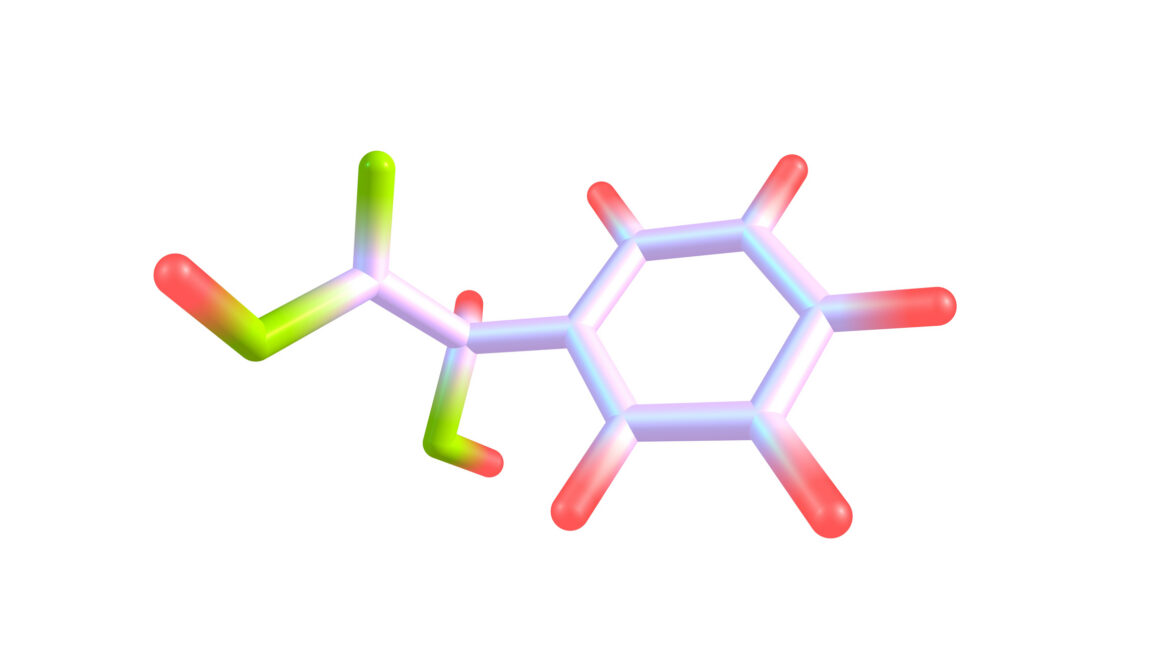
生命具有非凡的选择性。生命依赖于许多具有所谓“手性”的分子——它们的化学成分完全相同,但互为镜像。大多数化学反应会生成左手型和右手型化学物质各占一半的混合物,但生命只使用其中一种。事实上,由于左手型和右手型化学物质之间的差异,如果给生物体提供具有错误手性的化学物质,生物体使用的大多数关键酶将无法工作。
Life is remarkably selective. Life relies on many molecules with what is termed "handedness"—they're chemically identical but are mirror images of each other. Most chemical reactions will make a 50-50 mix of the left- and right-handed forms of a chemical, but life uses only one of them. In fact, because of the differences between left- and right-handed chemicals, most of the key enzymes used by organisms will fail to work if they're presented with chemicals that have the wrong handedness.
这对生命起源研究提出了一个挑战,因为我们不得不解释一个可能最初由左手型和右手型化学物质均匀混合的世界,是如何产生只使用其中一种化学物质的生物体的。
That poses a bit of a challenge for origin-of-life research, as we're forced to explain how a world that may have started with an even mix of left- and right-handed chemicals produced organisms that only used one of them.
今天的诺贝尔化学奖授予了亨利·卡甘(Henri Kagan)和曾根兴三(Kenso Soai)两人,他们发现化学反应可以具有偏向性,从而产生大量过剩的某一种化学物质形态。
Today's Nobel Prize in Chemistry goes to two individuals, Henri Kagan and Kenso Soai, who discovered chemical reactions could be biased, producing large excesses of one of the two forms of a chemical.