乌克兰的深度打击行动表明,无人机必须能够穿越高强度的电子战环境才能抵达目标,一家欧洲武器制造商向《商业内幕》透露。在乌克兰战争中,电子战已成为主导性的战场效应之一,西方军队和国防企业也日益意识到,远程打击武器即便与飞行员失去联系,仍需在现代冲突中具备实战价值。北约近期发起了一项挑战,邀请乌克兰及西方企业说明其开发的打击武器如何能够成群攻击机场,并阻止敌人在该区域行动。
Ukrainian deep-strike operations have shown that drones must be able to fly through heavy electronic warfare conditions to reach their targets, a European arms maker told Business Insider. In the war in Ukraine, electronic warfare is a dominating battlefield effect, and there is a growing realization among Western militaries and defense firms that long-range strike weapons will have to work even when disconnected from their pilots to be relevant in a modern conflict. NATO recently hosted a challenge for Ukrainian and Western firms, asking them to explain how the strike weapons they developed could swarm an airfield and prevent an enemy from operating there.
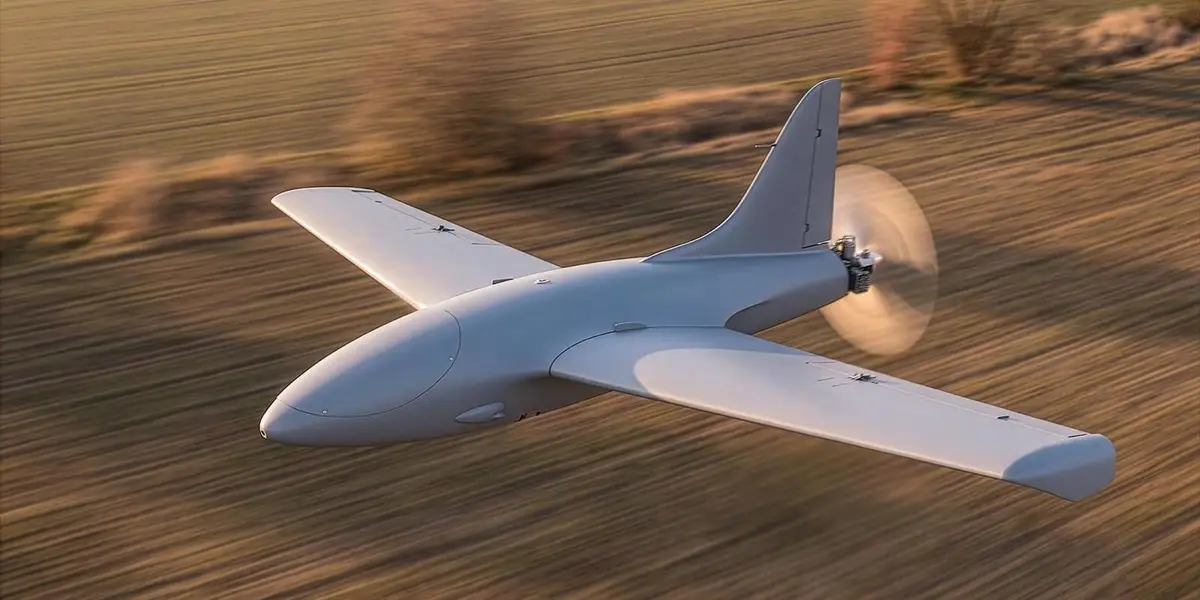
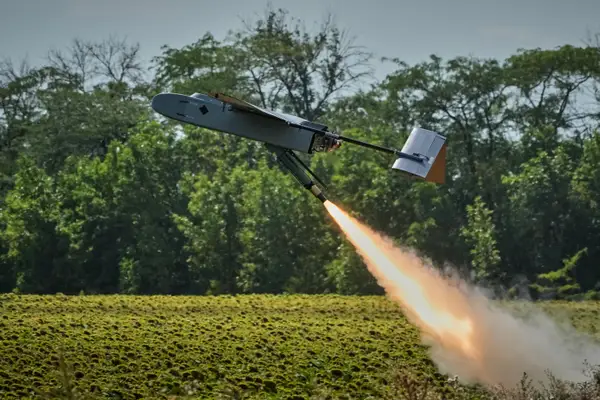
捷克国防企业LPP Holding表示,其远程无人机成功赢得了这项挑战,因为乌克兰已用这些无人机打击俄罗斯境内的目标,而该无人机能够在无GPS信号的环境中正常运作。近18个月以来,乌克兰一直在使用LPP的MTS-40型无人机对俄罗斯境内实施打击。每架无人机售价约9万美元,能够跨越边境飞行超过180英里,并借助人工智能驱动的光学导航实现自主飞行。
Czech defense firm LPP Holding said it won the challenge because its long-range drones, which Ukraine has used to strike targets inside Russia, work in a GPS-denied environment. For roughly 18 months, Ukraine has been using LPP's drone, the MTS-40, to strike inside Russia. At $90,000 apiece, the aircraft can travel more than 180 miles across the border, using artificial intelligence-enabled optical navigation to fly autonomously.
LPP政府与战略关系部门主管Martina Tauberová表示,乌克兰的战场经验表明,军队不能仅依赖那些需要与飞行员保持通信联系的打击武器,因为当这些武器穿越通信信号被阻断的区域时,往往难以发挥应有作用。她指出,北约在最近一项旨在寻找低成本且能抵御电子战干扰、适用于攻击敌方机场的系统的“创新挑战”中,将突破敌方干扰能力列为关键要求。
Martina Tauberová, the head of government and strategic relations at LPP, said the battlefield in Ukraine has shown that militaries can't rely solely on strike weapons that depend on maintaining communication links with their pilots because when they fly through areas where that access is denied, those assets often fall short. NATO, she said, made the ability to push through enemy jamming a requirement for a recent "Innovation Challenge" that sought cost-effective, electronic-warfare-resistant systems suitable for strikes against enemy airfields.
最终目标是利用这些解决方案,持续削弱敌方执行作战行动的能力。这场竞赛是北约近十年来首次聚焦打击能力的创新挑战,也正值西方国防企业广泛致力于开发低成本、远程武器之际。
The ultimate goal would be to use these solutions to persistently deny their ability to conduct operations. The contest, which marks the first Innovation Challenge focused on strike capabilities since NATO began hosting them nearly a decade ago, comes amid broader efforts by Western defense firms to develop low-cost, long-range weapons. French Navy Cdr.
北约负责监督联盟现代化进程的指挥部创新挑战项目负责人、法国海军巴斯蒂安·萨拉斯卡上校表示:“这项挑战并非旨在让北约为战争做好准备,而是为了确保,如果对手考虑采取军事行动,就必须考虑到北约对其作战系统实施持续且可信打击的能力。”萨拉斯卡在接受《商业内幕》采访时表示:“近期的冲突表明,军事力量依赖于复杂的基建、后勤和支援网络,而不仅仅是单个作战平台。这项创新挑战旨在寻找经济、可扩展且具备韧性的方法,以影响这些系统,从而在危机发生前和危机期间为盟友提供更多可信的选择,进而加强威慑力。”
Bastien Salasca, the Innovation Challenges project manager at the NATO command tasked with overseeing alliance modernization, said it "is not about preparing NATO to go to war. It is about making sure that, if an adversary is considering military action, they have to account for NATO's ability to impose persistent and credible costs on the systems that enable their operations." "Recent conflicts have shown that military power depends on complex networks of infrastructure, logistics, and support, not just individual platforms," Salasca told Business Insider. "This Innovation Challenge is about finding affordable, scalable, and resilient ways to affect those systems, thus strengthening deterrence by giving allies more credible options before and during a crisis."
北约于9月初公布了三位决赛入围者。LPP公司的无人机获得第一名;波兰航空航天初创企业Supercluster公司的高空气球项目获得第二名,该项目为远程打击部署了自主滑翔系统;一家未透露名称的乌克兰公司则凭借无人机的AI自主系统获得第三名。陶博罗娃表示,乌克兰战争表明,拥有大量廉价武器并能够系统性地对目标发动攻击至关重要。
NATO announced the three finalists in early September. LPP's drone took first place; Polish aerospace startup Supercluster's high-altitude balloon, which positions autonomous gliding systems for long-range strikes, took second; and an unnamed Ukrainian company took third with an AI-based autonomy system for uncrewed aircraft. Tauberová said the war in Ukraine has demonstrated that it's crucial to have cheap weapons in large quantities that can be systematically launched against targets.
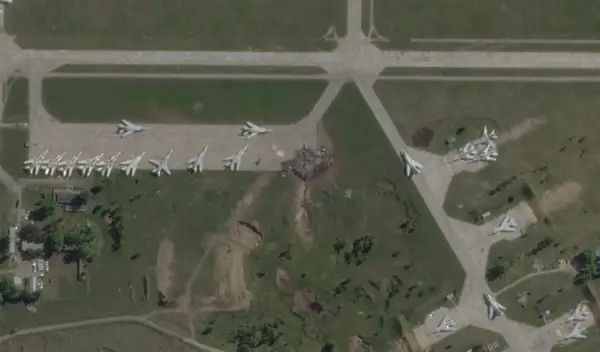
在机场这一场景中,无人机群可以追击飞机、跑道、建筑物和加油站。陶博罗娃说:“你需要具备能够大规模使用的深度打击能力。”与使用一枚价值数百万美元的“战斧”导弹等昂贵武器攻击目标不同,成本更低的无人机群可能更有效地压倒敌人的防空系统。尽管LPP公司的产品已在乌克兰的实战中证明了自己的价值,但该公司仍对其在乌克兰的大部分工作保密。陶博罗娃表示,LPP之所以参加这项创新挑战,是为了寻求北约的认可并提升自身影响力。
In the case of the airfield scenario, drone swarms can pursue aircraft, runways, buildings, and fueling stations. "You need to have a deep-strike capability that you can use on a mass scale," Tauberová said. Instead of using a single expensive missile to strike the target, like a multimillion-dollar Tomahawk, lower-cost swarms could prove more effective at overwhelming an enemy's air defenses. Although its products have already proven themselves in combat in Ukraine, LPP has kept much of its work there out of the public eye. It entered the Innovation Challenge because it is seeking NATO validation and greater visibility, Tauberová said.
LPP的下一步是在东欧与其他入围决赛的公司一同测试其无人机。陶伯罗娃表示,她希望看到该公司与北约军队签署协议,并扩大生产规模。LPP还在研发一款由涡轮喷气发动机驱动的巡航导弹,与该公司的无人机一样,“MTS Narwhal”导弹也旨在无GPS信号的环境中运行。该公司正在测试一款原型机,并希望该导弹能于今年晚些时候首次投入实战。在欧洲和美国各地,国防企业和初创公司都在开发低成本巡航导弹,这些导弹可以大规模生产,以应对北约军队对更精密武器的替代需求探索。
The next step for LPP is to test its drone in Eastern Europe alongside the other finalists. Tauberová said she hopes to see the company sign deals with NATO militaries and scale up manufacturing. LPP is also developing a cruise missile powered by a turbojet engine, and like the company's drones, the "MTS Narwhal" is intended to operate in GPS-denied environments. The company is testing a prototype and hopes that the missile will make its combat debut later this year. Across Europe and the US, defense firms and startups are developing low-cost cruise missiles that can be mass-produced as NATO militaries explore alternatives to more exquisite weapons.