马来西亚主权投资机构国联大(Khazanah Nasional)于2022年启动了一项为期五年、规模达60亿令吉(约合15亿美元)的投资授权,重新定义了其投资策略,旨在构建具有韧性的国内风险投资、中型市场以及半导体/先进制造生态系统。
Malaysian sovereign investor Khazanah Nasional has redefined its investment strategy through a RM6 billion (around $1.5 billion), five-year mandate launched in 2022, designed to build resilient domestic venture, mid-market, and semiconductor/advanced manufacturing ecosystems.
根据该机构今日发布的报告,截至2025年12月31日,“影响力基金”(Dana Impak)计划已动员26亿令吉的投资,每投入1令吉,便吸引48仙的外部资本涌入。这一举措进而通过投资和生态系统项目支持了约130家企业。
The Dana Impak programme has mobilised RM2.6 billion in investments as at Dec 31, 2025, with 48 sen of external capital crowded in for every RM1 invested, according to its report released today. That has in turn supported about 130 firms through investments and ecosystem programmes.
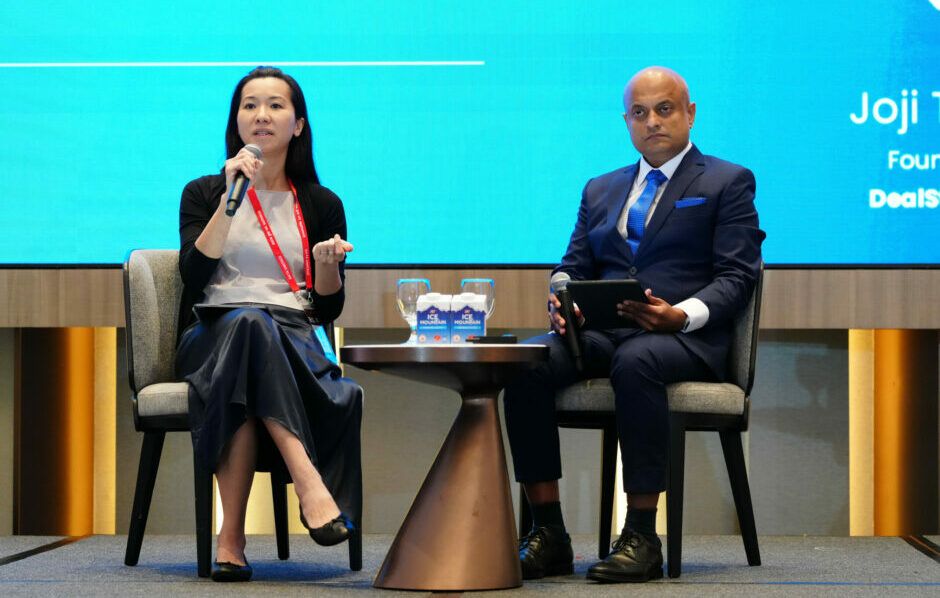
近日,在新加坡举行的DealStreetAsia 2026年亚洲私募股权-风险投资峰会上,国联大“影响力基金”负责人傅凯诗(Kayse Foo)在炉边谈话中表示,该机构投资者依然专注于商业纪律。
During a fireside chat at DealStreetAsia’s Asia PE-VC Summit 2026 in Singapore recently, the Head of Dana Impak at Khazanah, Kayse Foo, asserted that the institutional investor remains focused on commercial discipline.
“对我们而言,‘首笔风险’并不意味着盲目冒险,我们会对其进行规划,”傅凯诗说道。
“First risk does not mean blind risk for us; we chart it out,” Foo said.
“我们希望填补的空白超越了机构资本本身。我们的资本伴随着通过合作伙伴关系更有意识地构建人才和生态系统的努力。”在“影响力基金”框架下,母基金Jelawang Capital支持了广泛的基金管理人组合,从First Move和Vynn Capital等新兴公司,到Granite Asia和AppWorks等成熟的区域平台。炉边谈话编辑摘录如下:当商业资本不愿出手时,国联大准备率先行动的一个例子是什么?之后发生了什么?
“The gap we want to fill is beyond institutional capital. Our capital comes with more intentional efforts of building talent and ecosystem through partnerships.”Under Dana Impak, the fund-of-funds Jelawang Capital has backed a broad mix of fund managers, from emerging firms including First Move and Vynn Capital, to established regional platforms Granite Asia and AppWorks. Edited excerpts of the fireside chat:- What is one example where Khazanah was prepared to go first when commercial capital was not, and what happened after that?
国联大是马来西亚政府的战略投资部门。“影响力基金”是国联大投资团队的一部分。这是我们于2022年制定的一项非常新的授权,我们表示需要开始更有针对性地在马来西亚进行投资,并强调我们将以产生影响力为目标来执行这一策略。
Khazanah is the strategic investment arm for the government of Malaysia. Dana Impak is part of the investments team of Khazanah. It’s a very new mandate that we set out in 2022, where we say we need to start looking at investing more intentionally in Malaysia, and with that we say that we’ll do it with impact.
对于国联大和“影响力基金”而言,什么是“影响力”?它基于三个核心原则:第一,我们是否在转型一家马来西亚企业?第二,我们是否有可能打造一家马来西亚的领军企业?第三,我们是否正在创造或催化一个我们真正坚信的生态系统?
What is impact for Khazanah [and] Dana Impak? It is anchored on three core principles: One, are we transforming a Malaysian firm? Two, are we potentially building a Malaysian champion? Three, are we creating or catalysing a certain ecosystem that we truly believe in?
第一风险并不意味着我们盲目承担风险;我们会对其进行规划。当我们将其视为一个投资组合时,我们不仅会评估对马来西亚的影响以及经济影响,还需要评估该投资组合的财务可持续性。
First risk does not mean blind risk for us; we chart it out. When we look at it as a portfolio, we do not just weigh the Malaysian impact and the economic impact. We also need to weigh the financial sustainability of the portfolio.
我们确实希望,在努力转型马来西亚企业并培育行业冠军的过程中,能够更有意识地关注我们所取得的成果。
We do hope that in our efforts of transforming Malaysian firms [and] building champions, we actually can be more intentional about the outcome we get.
我们有两个策略,有意地更偏向“第一风险”模式。其一是在风险投资和初创企业生态系统领域。我们会投资新兴的基金管理人,甚至邀请区域性的基金管理人前来承担这种“第一风险”资本,并由我们的资本为马来西亚提供支撑。第二个我们有意承担“第一风险”的领域,是我们在马来西亚开展的半导体和先进制造计划。我们在制定策略时非常明确——聚焦于初创企业和中型市场。
We have two strategies that are intentionally more of the ‘first-risk’. One is in the VC and startup ecosystem. That’s when we actually invest in emerging fund managers, or even bring regional fund managers to come and take that first-risk capital, with our capital anchoring it for Malaysia. The second one, where we take more intentional first risk, is in our programme in semiconductor and advanced manufacturing for Malaysia. We are very intentional in terms of the strategy we build – focused on startups and the mid-market.
从你们支持的第一批管理人中获得了哪些经验?马来西亚和东南亚的基金管理人生态系统中存在哪些真正的空白?
What were your learnings from the first set of managers you backed? Where are the real gaps in Malaysia and Southeast Asia’s manager ecosystem?
我们希望填补的空白不仅限于机构资本,更在于如何更协调一致地支持基金管理人并助力初创企业。我们的资本投入伴随着更有意识的努力,通过合作伙伴关系来培养人才并构建生态系统。我们还设有针对新兴基金管理人的能力建设项目。
The gap we want to fill is beyond institutional capital. It’s about being more concerted in our efforts in backing fund managers and supporting startups. Our capital comes with more intentional efforts to build talent and the ecosystem through partnerships. We have programmes that are more capacity-building for the emerging fund manager.
此外,我们也在思考如何更广泛地利用Khazanah的网络资源,以及我们在本地和全球构建的更广泛投资组合,并有意识地将这些资源与我们支持的基金管理人、马来西亚的初创企业以及我们投资的公司连接起来,从而形成一种超越Khazanah直接投资的、更具全国性的投资方法。
It is also about how we can leverage the wider Khazanah network, the wider investment portfolio that we have built locally and globally, and intentionally connect them to the fund managers we are backing, to the Malaysian startups and companies that we are supporting and investing in, and create a more whole-nation approach to investing beyond just Khazanah investing directly.
问题的关键不在于增加更多管理人,而在于如何有意识地确保生态系统、企业、初创公司和创始人能够切实交付成果。在这方面,我们认识到马来西亚的创始人基础和初创生态系统仍处于起步阶段。因此,除了资本之外,还需要付出更多协调一致的努力。
The question is less so about adding more managers; [rather], how do you intentionally make sure that the ecosystem, the companies, the startups, the founders are able to deliver. And with that, in Malaysia, we recognise that our founder base and our startup ecosystem are nascent. Therefore, a little bit more concerted effort is needed beyond capital.
我于2006年加入国家资本(Khazanah),我们一直是马来西亚政府关联公司的大型机构投资者,对其进行重组和建设,使其更具区域影响力。这与我们在“Dana Impak”目前开展的业务截然不同。
I joined Khazanah in 2006, and we’ve been a very large institutional investor in government-linked companies in Malaysia, restructuring and building them to be more regional. That’s a totally different play versus what we are doing in Dana Impak today.
您同时在推进两种模式:培育新兴管理人和与规模更大的区域平台合作。这两种方式如何相互强化,而不是争夺相同的资本和企业?
You are pursuing two models at the same time: Building emerging managers and partnering with much larger regional platforms. How do those two approaches reinforce one another rather than compete for the same capital and companies?
“Dana Impak”还利用私募股权和私募信贷来解决马来西亚中型企业面临的融资缺口。为什么国家资本需要解决这一缺口?
Dana Impak is also using private equity and private credit to address the financing gap facing Malaysian mid-tier companies. Why does Khazanah need to solve that gap?
我们的投资以项目化方法为基础;我们推出了三个项目,表明我们愿意投入时间、精力和资本。初创企业和风险投资生态系统是我们的第一个项目,第二个项目是针对中型企业的项目。
We’re anchored by a programmatic approach to investing; we have three programmes that we have put out there to say that we want to put time, effort, and capital at play. The startup and VC ecosystem is our first and the second is our mid-tier company programme.
观察马来西亚,人们熟悉可投资的机会。在起步阶段——种子轮、种子前轮、早期阶段——你很少看到新兴公司,但在私募股权阶段,你会看到许多消费、医疗和教育领域的资产——它们已相当成熟,具备可投资性。因此,在初创和风险投资阶段以及中型市场阶段存在明显的缺口,我们的长期催化资本应致力于推动这两个细分领域的发展。
If you look at Malaysia, one is familiar with the investible opportunities. At the start – seed, pre-seed, early stage – you don’t see many companies emerging, but at the PE stage, you see a lot of the consumer, healthcare, and education assets – quite ready to be investible. So there’s a clear gap in the startup and VC stage and in the mid-market stage, so our long-term catalytic capital should be put to catalysing these two segments.
第三个项目是[针对]半导体[行业]的,这更多是关于催化一个生态系统。
The third programme is [for the] semiconductor [sector], and that’s more about catalysing an ecosystem.
在马来西亚,中型企业对经济做出了非常显著的贡献。它们占我国企业总数的比例不到2%,但却贡献了约40%的GDP和20%的就业。
In Malaysia, mid-tier companies are a very significant contributor to the economy. They make up about less than 2% of oured businesses, but about 40% of our GDP and 20% of our employment.
马来西亚的中型企业通常具有盈利能力。它们大多是出口导向型公司,通常由家族经营,正是我所说的马来西亚真正的瑰宝。
Mid-tier companies in Malaysia are generally profitable. They are exporting companies, usually family-owned, and are what I call the true gems of Malaysia.
这与初创企业截然不同——有时,它们实际上需要价值创造方面的支持。这时,我们就会与私募股权基金管理人合作,对中型企业进行投资。
It’s quite different from the startups – and sometimes they actually need value-creation support. That’s when we partner with private equity fund managers to invest in mid-tier companies.
但有时,这些家族经营的中型企业对股权资本也非常敏感。它们不希望股权被稀释,只需要短期或期限较短的信贷,而银行可能并不愿意轻易提供。这时,私人信贷基金就派上了用场。
But sometimes some of these family-owned mid-tier companies are also very sensitive to equity capital. They do not want dilution. They just need short-term or shorter duration of credit that the bank may not be readily available to lend. That’s when private credit funds [come in].
马来西亚正在吸引大量资本进入半导体、人工智能和数据中心领域。然而,仅仅拥有工厂、服务器和基础设施,并不等同于掌控其背后的经济价值。你认为马来西亚企业应该在哪些方面更多地掌握价值——芯片设计、知识产权、供应链、软件,还是基于这些基础设施建立的公司?
Malaysia is attracting enormous capital into semiconductors, AI and data centres. But hosting factories, servers and infrastructure isn’t the same as owning the economics around them. Where do you think Malaysian companies need to own more of the value – chip design, IP, suppliers, software, or companies built on top of that infrastructure?
我们的半导体计划不仅限于风险投资,还包括与合作伙伴的联合投资以及直接投资。
Our approach for our semiconductor programme spans beyond VC investing. It’s also co-investment with partners and direct investments.
要推动马来西亚的半导体和先进制造业发展,需要采取多管齐下的方法。马来西亚在半导体领域已经具备相当成熟的基础。我们在组装和测试封装公司方面实力雄厚,这些企业为全球客户提供服务,但附加值相对较低。对马来西亚半导体企业而言,挑战在于如何向上游价值链攀升,承担更高价值的工作。
Catalysing a sector like semiconductors and advanced manufacturing in Malaysia takes a multi-pronged approach. Malaysia has quite an established base in semiconductors. We’re strong in assembly and test packaging companies that are serving global clients, but it is of lower value. The challenge for Malaysian semiconductor companies is about moving up the value chain and doing higher-value work.
我们拥有一个相当独特的定位——不仅具备成本优势,还拥有通过跨国企业培养起来的人才库,更围绕该行业构建了一个相当完善的本地供应链生态系统。作为马来西亚的战略投资机构,我们面临的问题是:如何超越单纯的资本投入,联合我们的姊妹机构,共同审视这一行业,在投资方面形成更协同的努力,同时与政策制定者密切合作?
We have quite a unique proposition – not just a cost base, not just the talent pool that we have developed through the MNCs, but also an ecosystem, a local supply chain that’s built quite well around this sector. The question for us as the strategic investment arm for Malaysia: How do we pull in beyond just our capital, working across our sister institutions, to look at this sector and have a more concerted effort in investing, while working with policymakers as well?
你们会支持一位基金经理多久?当国策局(Khazanah)不再需要作为锚定投资者时,一位成功的基金经理应该具备怎样的特质?你最希望看到哪些资本池在你身后提供支持:马来西亚本土机构、家族办公室和企业,其他亚洲机构,还是全球有限合伙人?
For how long will you back a manager? What does a successful manager look like on the day Khazanah is no longer needed as an anchor? Which pools of capital do you most need to see coming behind you: Malaysian institutions, family offices and corporates, other Asian institutions, or global LPs?
我们自称为“催化性资本”。我们能够承受超过通常预期的三到五年退出周期。我们合理预期,新兴的基金经理需要时间来建立能力。我们会作为其第一支、第二支和第三支基金的锚定投资者。这是否意味着在那之后我们就不再支持该基金经理?
We call ourselves catalytic capital. We’re able to weather through beyond the three, four, or five years of exits that typically one would expect. We are reasonable in expecting that managers who are emerging take time to build. We will anchor the first time, second time, and third time fund. Does that mean that after that we stop backing the manager?
接下来,我们会从商业纪律的角度审视:该基金经理是否展现出进步?我们是否应继续支持其第二次募资?对于初创企业,我们是否应继续支持其后续融资?
Then what we will do is to ask ourselves from a commercial discipline standpoint: Is the fund manager showing progress? Should we continue to support the second fundraise, and when it comes to startups, should we continue to support the follow-on funding?
我们正在关注一家集成电路设计公司——SkyeChip。当时,它只是一家拥有二三十名工程师的公司。我们相当确信,这家公司拥有合适的创始人和正确的技术能力,但需要时间和资本来发展壮大,因此我们通过几支风险投资基金对其进行了支持。我们总共投入了约5000万林吉特,并持续进行监控和管理。[此后],SkyeChip成功实现了首次公开募股(IPO),认购非常踊跃,最终成为一个成功案例。
re looking at one IC [integrated circuit] design company – SkyeChip. At that time, they were just a 20- or 30-strong engineering firm. We were quite certain that this company had the right founder and the right technical capability, but needed that time and capital to build it up, so we backed it through a few of our VC funds. We invested about 50 million [ringgit] across a few VC funds, and continued to monitor and manage it. [Since then] SkyeChip has been able to IPO, was quite widely oversubscribed, and then a success case was built.
首先,我们从影响力入手。其次,我们还必须关注为国库控股(Khazanah)打造可持续投资组合的商业纪律。归根结底,我们是一家机构投资者。这种耐心的催化性跑道使我们能够提供推动国家经济发展所需的差异化支持。但说到底,商业可持续性仍然是关键所在。
First, we start with impact. Second, we must also look at the commercial discipline of generating a sustainable portfolio for Khazanah. Ultimately, we’re an institutional investor. Having that patient catalytic runway allows us to have that differentiated support needed to drive economic development for the country. But at the end of the day, commercial sustainability still comes back into play.