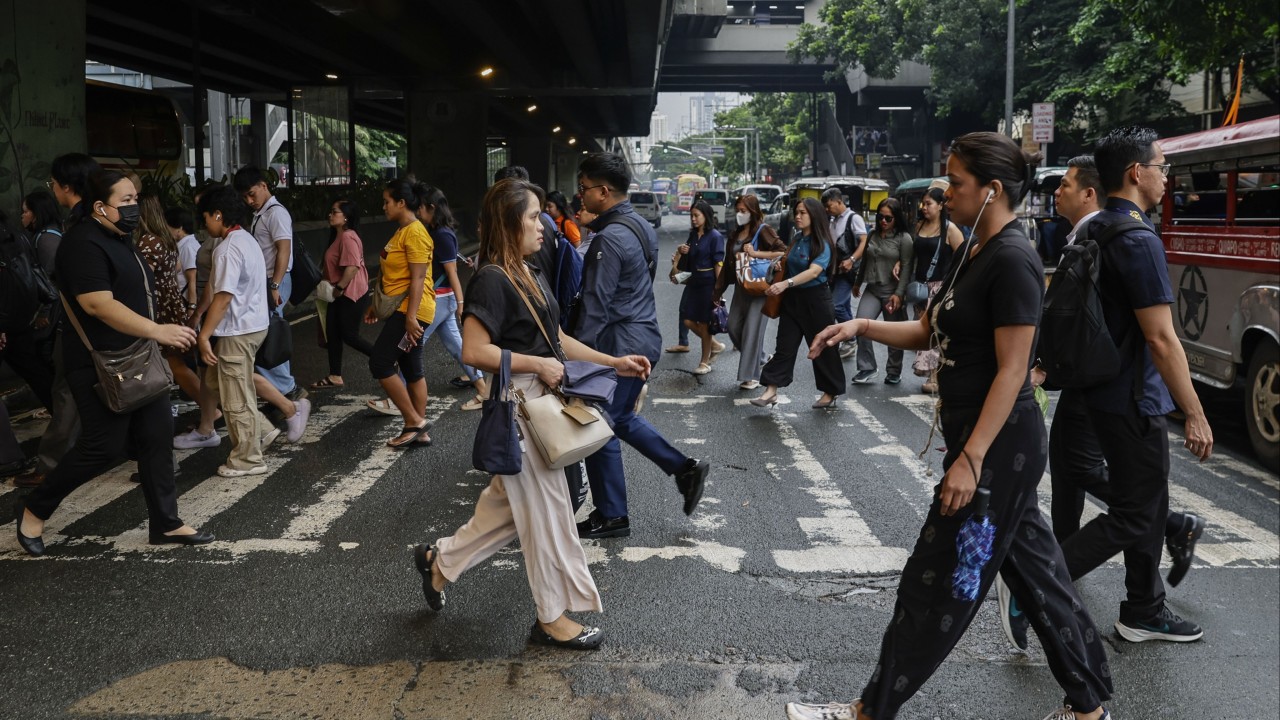
随着东南亚各国家庭面临物价上涨、借贷成本上升和就业不稳定,分析人士指出,政府应采取更多措施保护中产阶级。中产阶级是消费支出的主要驱动力,但往往难以纳入主要为贫困家庭设计的社会保障体系。
As households across Southeast Asia face rising prices, higher borrowing costs and insecure jobs, analysts say governments should do more to protect a middle class that drives consumer spending but can fall between the cracks of social protection systems designed primarily for poorer households.
这一问题在菲律宾尤为突出。亚洲开发银行研究院(ADBI)于9月敦促菲律宾政府向中产阶级提供针对性支持,以保护其购买力,避免拖累经济增长。
The issue has come into sharper focus in the Philippines, where the Asian Development Bank Institute (ADBI) urged the government in September to provide targeted support for the middle class to protect its purchasing power and avoid a drag on economic growth.
亚洲开发银行研究院院长兼首席执行官班邦·布罗佐内戈罗表示,菲律宾官员应将工作重点放在中产阶级身上,因为他们是家庭消费的主力。
Bambang Brodjonegoro, ADBI dean and CEO, said Philippine officials should focus their efforts on the middle class, which made up the bulk of household consumption.
布罗佐内戈罗在9月17日一场论坛的间隙接受当地媒体采访时表示:“为了重振菲律宾的经济增长,必须关注如何提高中产阶级的购买力,并防止中产阶级规模萎缩。”
“For the Philippines to revive its economic growth, the attention needs to be on how to increase the purchasing power of the middle class and to not let the middle class shrink,” Brodjonegoro told local media on the sidelines of a forum on September 17.
9月,菲律宾通胀率升至四个月来的高点7.2%,进一步加剧了家庭财务压力。
The Philippines’ inflation rose to a four-month high of 7.2 per cent in September, adding to pressure on household finances.
东南亚研究院尤索夫伊萨克研究所媒体、科技与社会项目经济学家兼研究员玛丽亚·莫妮卡·维哈贾表示:“由于高度依赖经霍尔木兹海峡运输的石油进口,且同时存在能源和经常账户双重赤字,霍尔木兹海峡的关闭使菲律宾成为东盟地区受冲击最严重的国家之一。”
“The Philippines is one of the most affected countries in the Asean region from the closure of the Strait of Hormuz due to its high oil import dependence that goes through the Strait and its twin energy and current account deficits,” said Maria Monica Wihardja, an economist and fellow of the ISEAS – Yusof Ishak Institute’s media, technology, and society programme.
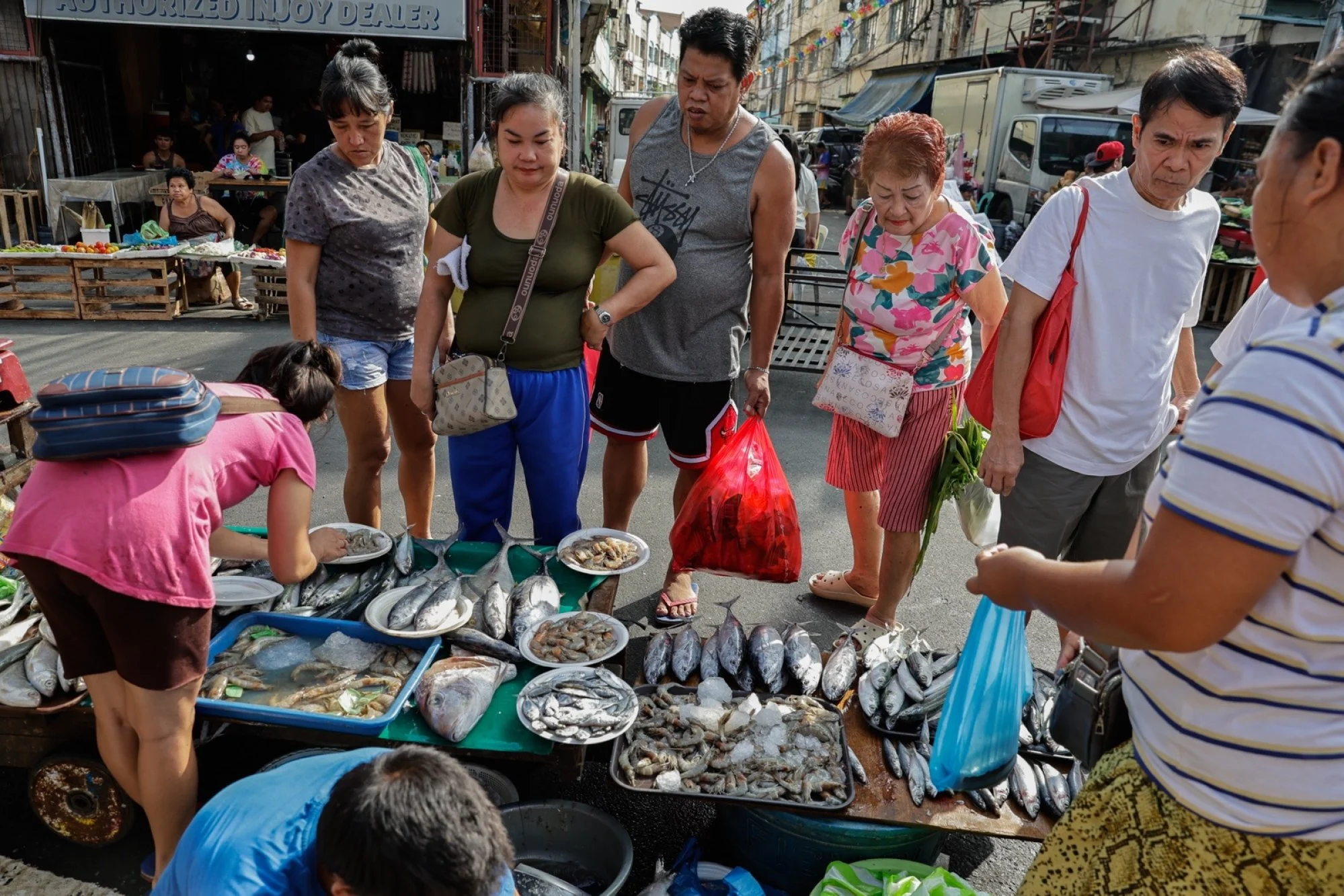
维哈贾指出,菲律宾反映了更广泛的区域性问题,即各国政府在财政约束与扩大社会保障之间面临艰难权衡。
The Philippines reflected a wider regional problem, Wihardja said, as governments faced difficult trade-offs between fiscal constraints and expanding social protection.
她表示:“近期的冲击对中产阶级影响巨大,因为他们是燃料支出较高、依赖贷款且从事受一系列外部冲击影响行业的收入群体。然而,与贫困和弱势群体不同,他们并未被任何安全网项目所覆盖。”
“Recent shocks have significantly affected the middle class because they are the income class that spend a lot on fuel, take loans and work in sectors that have been affected by a series of external shocks, but at the same time they are not covered by any safety net programmes unlike the poor and the vulnerable,” she said.
这个问题的重要性不仅在于家庭福祉,因为中产阶级的消费是经济增长的重要来源。
The problem matters beyond household welfare because middle-class consumption is an important source of economic growth.
“当中产阶级家庭不得不大幅削减消费时,经济增长可能会受到冲击,”菲律宾发展研究所的高级研究员何塞·拉蒙·阿尔伯特表示。
“When middle-class households have to cut back sharply on consumption, growth can suffer,” Jose Ramon Albert, a senior research fellow at the Philippine Institute for Development Studies, said.
阿尔伯特指出,菲律宾已启动名为“Uplift”的社会援助计划以缓解近期的物价飙升,但该计划主要是为贫困和低收入家庭设计的。
Albert said the Philippines had launched a social assistance programme called Uplift to ease recent price spikes, but it was designed for poor and low-income households.
“我们没有专门针对中产阶级的计划……受到冲击的中产阶级家庭或许能获得帮助,但必须主动申请援助并接受评估,”他说。
“We do not have a programme designed for the middle class as such … a middle-class family hit by a shock may obtain help, but must seek assistance and undergo assessment,” he said.
根据维哈德贾的说法,这一问题在印度尼西亚尤为明显,因为该国中产阶级正在萎缩。
The issue is particularly visible in Indonesia, where the middle class has been shrinking, according to Wihardja.
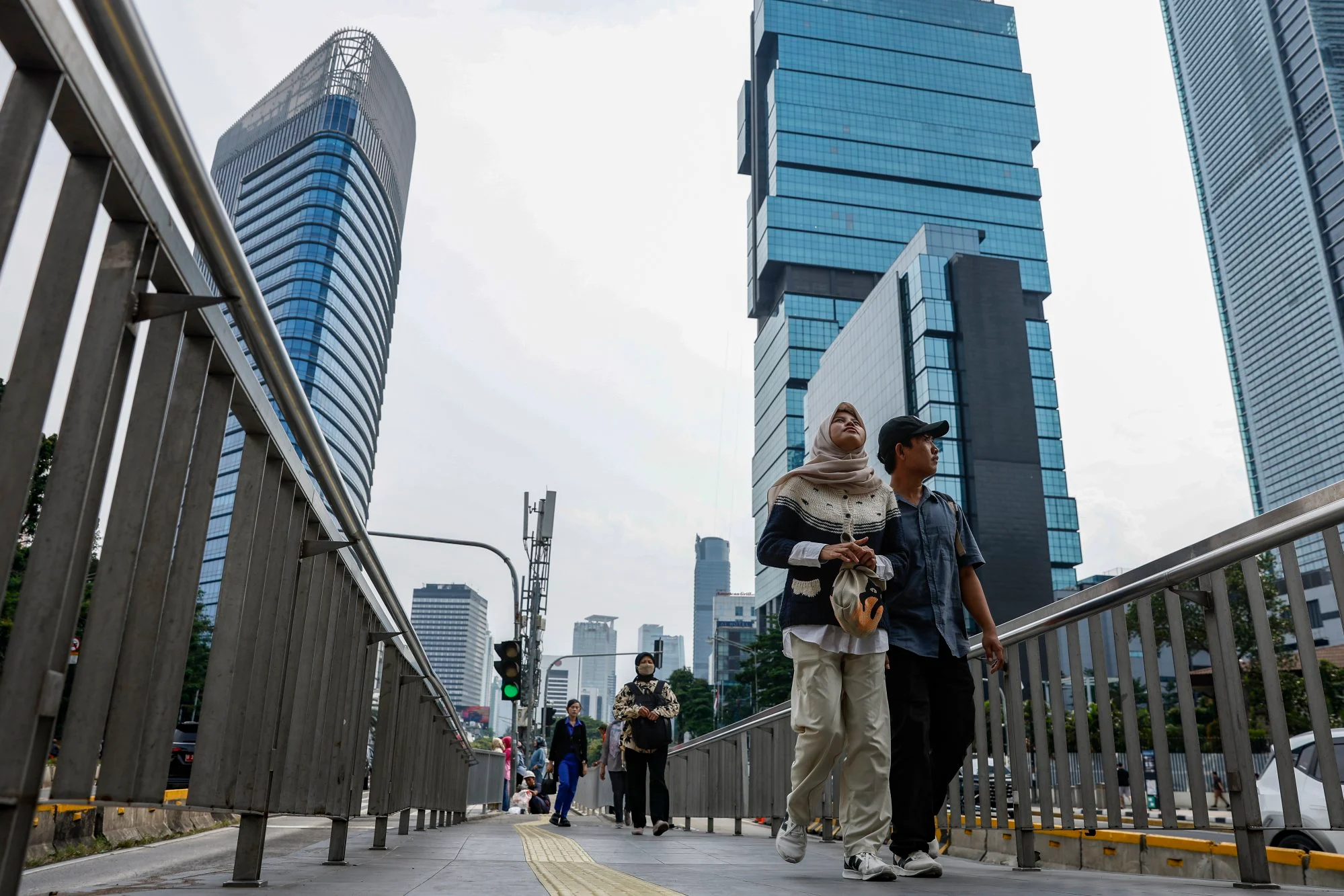
卡内基基金会去年10月的一项分析也指出,有抱负加入中产阶级的群体在保护方面存在空白,包括无法获得现金转移支付、奖学金和补贴性健康保险。分析发现,在2019年至2022年间,处于第50至第80百分位数的家庭实际消费有所下降,而获得社会保护支持的最低20%家庭则实现了增长。
Analysis by the Carnegie Endowment last October also pointed to protection gaps for the aspiring middle class, including exclusion from cash transfers, scholarships and subsidised health insurance. It found that households between the 50th and 80th percentiles saw real consumption fall between 2019 and 2022, while the bottom 20 per cent, supported by social protection, gained.
这一经历凸显了一个更广泛的问题:援助是否真正惠及那些虽高于贫困线但仍容易受到冲击的家庭。
The experience highlights a broader question over whether assistance reaches households that are above the poverty line but remain vulnerable to shocks.
阿尔伯特表示,印度尼西亚和菲律宾存在一个共同的基本脆弱性:两国大部分中产阶级都属于新兴阶层,每天的收入在8至16美元之间,仍面临跌回低收入水平的风险;而越南的中产阶级中,处于更高收入门槛的比例则更大。
According to Albert, Indonesia and the Philippines share a basic vulnerability in that much of their middle class sits in the emerging segment, living on between US$8 and US$16 each day and remaining at risk of falling back into low income, while Vietnam’s middle class has a larger share at the higher end of the threshold.
“但仅凭收入或消费水平并不能决定抗风险能力。资产、债务、保险和就业稳定性同样重要,”他说。
“But income or consumption levels alone do not establish resilience. Assets, debt, insurance and job security also matter,” he said.
“差异在于风险敞口的组合:家庭收入中来自非正规就业或小型企业的比例、对侨汇的依赖程度、受食品和燃料价格波动的影响,以及获取保险和其他保障的渠道。”因此,对政府而言,问题并不简单在于是否为中产阶级设立新的福利类别,而在于当家庭面临脆弱性风险时,如何使现有体系更具响应能力。
“The contrasts lie in the mix of exposures: how much household income comes from informal work or small enterprises, reliance on remittances, exposure to food and fuel prices, and access to insurance and other protection.”For governments, the question is therefore not simply whether to create a new welfare category for the middle class, but how to make existing systems more responsive when households are pushed towards vulnerability.
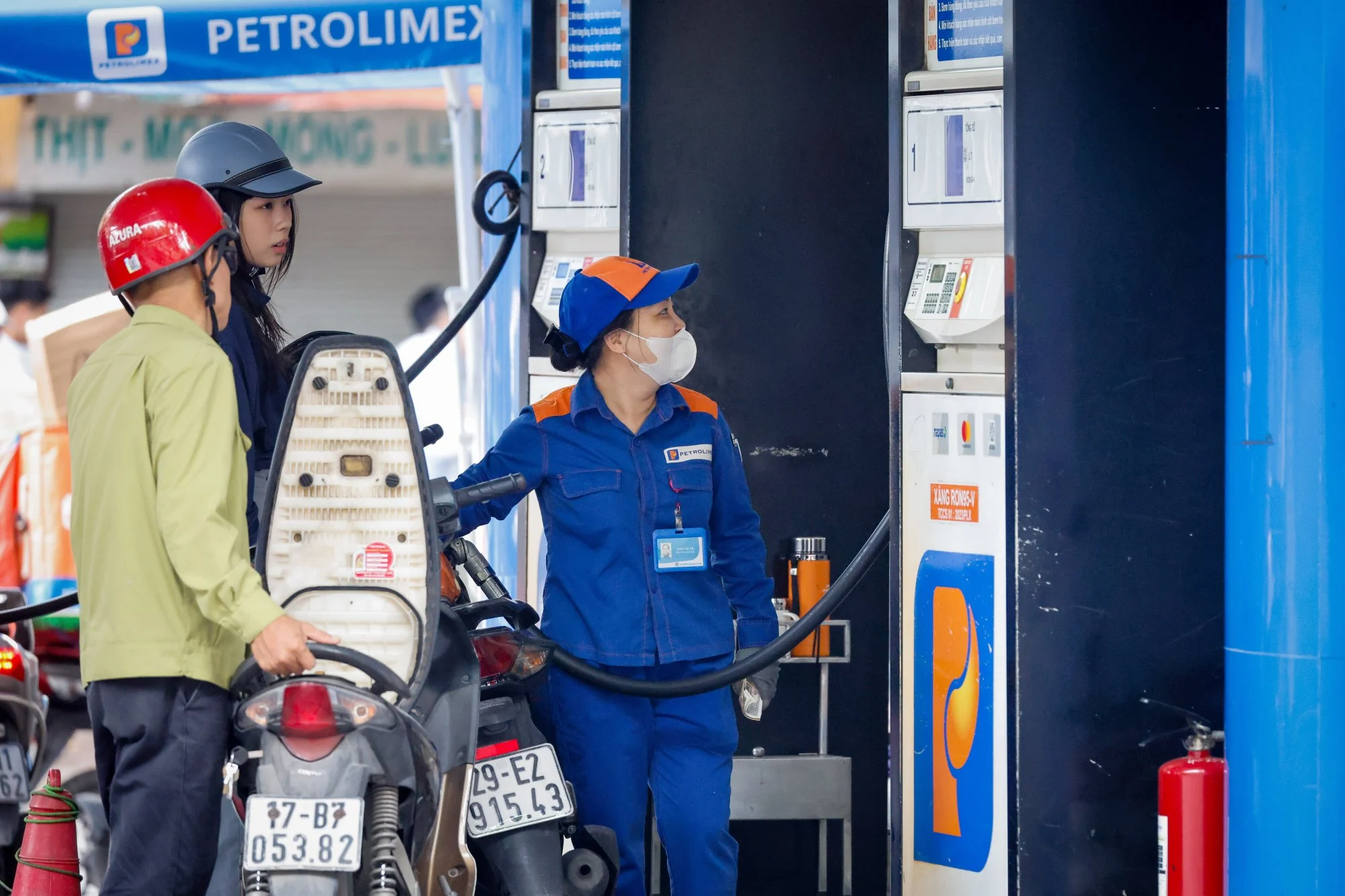
维哈贾表示,通过精准手段保护中产阶级的购买力是明智之举,因为该群体是商品和服务消费需求的重要来源。但援助不一定非要通过直接补贴来实现。
Wihardja said protecting middle-class purchasing power through targeted means would be wise because this group was a key source of consumer demand for goods and services. But assistance does not necessarily have to come through direct subsidies.
她表示:“可以通过确保公共交通、教育等公共基础设施和服务的质量、可及性和可负担性得到提升,使中产家庭无需选择更昂贵的私人服务来实现这一目标。”
“It can be done by making sure that the quality, accessibility and affordability of public infrastructure and services, from transport to education, are improved so the middle-class households don’t have to opt for more expensive private services,” she said.
越南提供了一个范例,展示了广泛性措施同样可以惠及中等收入家庭。
Vietnam offers an example of how broad-based measures can also benefit middle-income households.
政府暂时将大多数商品和服务的增值税维持在8%,而非10%;同时,自2025年9月起,全国范围内从学前到高中的公立学校学费已实现免费。个人所得税扣除额也得以提高,为符合条件的工薪家庭提供了税收减免。然而,不同国家面临的脆弱性各不相同。
The government has temporarily kept VAT at 8 per cent on most goods and services instead of 10 per cent, while public school tuition from preschool through high school became free nationwide from September 2025. Personal income tax deductions have also been raised, providing relief to eligible salaried families. Different countries, however, face varying vulnerabilities.
维哈贾指出:“中产阶级日益面临不安全感存在共同的全球和区域模式或成因,但也存在各国特有的差异。”
“There are common global and regional patterns or causes of increasingly insecure middle class but there are also country-specific differences,” Wihardja said.
她表示,在泰国,许多中产家庭背负着高额债务;而在菲律宾,经济仍高度依赖海外侨汇。
In Thailand, many middle-class households were burdened by high debt, while the Philippines remained heavily dependent on remittances from abroad, she said.
对区域政府而言,增强韧性意味着让更广泛的人群,而不仅仅是低收入家庭,能够获取基本服务并抵御重大风险。
For regional governments, strengthening resilience means making access to basic services and protection against major risks available to larger groups beyond low-income households.
“当危机来临时,政府应能够迅速向有需要的人群提供临时支持,包括那些在正常情况下并不贫困的中产阶级家庭,他们可能因突发冲击而陷入困境,”阿尔伯特表示。
“When a crisis hits, governments should be able to extend temporary support quickly to those who need it, including middle-class households that are not poor in normal times but are pushed to the edge by a shock,” Albert said.
他称,这意味着需要建立广泛的社会登记制度、明确的资格认定规则、在条件恶化时能够扩大的福利体系,以及针对医疗、失业和养老的更强大的社会保险。但短期保护只是解决方案的一部分。
That meant broad social registries, clear eligibility rules, benefits that could expand when conditions deteriorated, and stronger social insurance for health, unemployment and old age, he said. But short-term protection is only part of the answer.
维哈贾表示,政府还需要关注高质量就业创造、产业升级、与人工智能相关的供应链以及绿色转型,因为技术变革可能会影响那些过去被认为稳定的工作,包括高价值服务行业中的白领工作。
Wihardja said governments also needed to focus on quality job creation, industrial upgrading, AI-related supply chains and the green transition, as technological change could affect jobs previously considered secure, including white-collar work in high-value services.
“在宏观层面,中等收入国家需要制定能够支持向高价值、高生产率行业和岗位进行结构性转型的政策,包括技能和知识密集型产业,”她说。
“At the macro level, middle-income countries need to have policies that can support structural transformation towards higher-value, higher-productivity sectors and jobs including skill- and knowledge-intensive industries,” she said.