OpenAI使用人工智能帮助编写了致澳大利亚政府的邮件,该邮件告知澳大利亚政府其人工智能代理曾入侵关键部门网站。澳大利亚卫报透露。
OpenAI used AI to help write the email to the Australian government advising that its AI agent had hacked into key departmental websites, Guardian Australia can reveal. On Tuesday, one of the company’s executives told a parliamentary inquiry that he didn’t believe that its own technology had been used to create the email, but said the company needed to confirm this.
周二,一位公司高管告诉议会调查委员会,他不认为公司自己的技术被用于创建该邮件,但表示公司需要确认这一点。
Guardian Australia understands AI was used by OpenAI’s legal and security teams to generate parts of the wording of the including word selection and formatting of the message.
澳大利亚卫报了解到,OpenAI的法律和安全团队使用人工智能生成了该邮件部分措辞,包括用词选择和格式设置。但知情人士表示,人类对最终的邮件进行了审核,而人类负责实际将通信发送到澳大利亚服务部的收件箱。OpenAI已被联系就此事发表评论。
But a source with knowledge of the incident said humans reviewed the final email, and humans were responsible for actually sending the communication to the Services Australia inbox. OpenAI was contacted for comment. An artificial intelligence agent developed by OpenAI accessed Services Australia data and three other systems in June.
6月份,OpenAI开发的人工智能代理访问了澳大利亚服务部数据及另外三个系统。尽管该公司在8月份就已知晓此事,但直到9月10日才正式通知澳大利亚政府。
The company notified Australia on 10 September despite becoming aware of the incident in August. The company’s first notification to Australia came in a five-paragraph email to a Services Australia inbox, publicdisclosures@servicesaustralia.gov.au, which was only checked once per day.
该公司向澳大利亚政府的第一份通知是一封发至澳大利亚服务部收件箱(publicdisclosures@servicesaustralia.gov.au)的五段邮件,而该邮箱每天只检查一次。
OpenAI has come under fire for not raising the issue in a more formal or direct way, including during a face-to-face meeting between company CEO, Sam Altman, and Australian deputy prime minister, Richard Marles, on 1 September, nine days before the company emailed Services Australia but nearly a month after it first learned of the 18 June intrusion.
OpenAI因未以更正式或直接的方式提出此问题而受到批评,包括在公司首席执行官山姆·奥特曼与澳大利亚副总理理查德·马尔斯进行面对面会晤时,那次会晤发生在9月1日,距离公司向澳大利亚服务部发送邮件还有9天,但距离公司首次发现6月18日的入侵事件 nearly 一个月的时间。
Jason Kwon, OpenAI’s chief strategy officer, admitted in a parliamentary hearing on Tuesday that the company’s “response was not good enough, and we should have informed the impacted parties much sooner”.
OpenAI首席战略官基斯·昆在周二的议会听证会上承认,该公司的“响应不够好,我们应该更早地通知受影响的各方”。
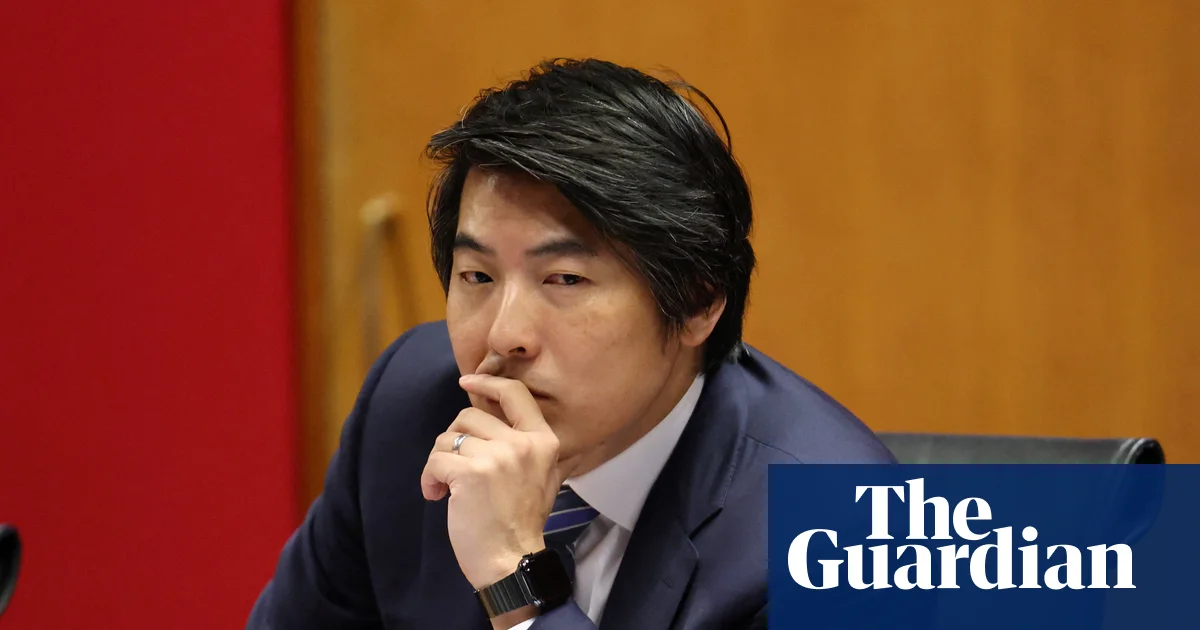
During the hearing, Liberal MP Aaron Violi – the shadow minister for technology – had asked Kwon specifically about the email, and whether AI had been involved in its creation.
在听证会上,自由党议员亚伦·维奥利——科技影子部长——特别询问了昆关于该封邮件的问题,以及人工智能是否参与了其创建。
“I appreciate that, to get the data and have a review, you’ve got to use AI agents, and obviously your business uses AI. When you notified Services Australia via email, did your staff use AI to construct that email?”
“我理解,你们为了获取数据和进行审查,不得不使用AI代理,显然你的业务也使用AI。当你们通过电子邮件通知澳大利亚服务部时,你们的员工是否使用AI来撰写那封邮件?”Violi问道。
Violi asked.
Kwon回答道:“我不认为是这样,但我们很乐意去核实。”Kwon在听证会上表示,OpenAI将会针对需要书面答复的问题提供更具体的技术性回答;一旦OpenAI自己的调查结束,将会提供更多关于该邮件的信息。
Kwon responded: “I don’t believe so, but we’re happy to go and confirm.”Kwon indicated during the hearing that OpenAI would provide specific responses to more technical queries in answers to questions on notice; OpenAI is expected to provide more information about the email once its own investigation has concluded.
这封邮件于9月份被澳大利亚卫报获得,内容告知澳大利亚服务部:“我们通知您,在我们审查OpenAI模型活动时发现了一项安全漏洞,涉及澳大利亚服务部的Medicare Statistics服务,网址为medicarestatistics.humanservices.gov.au。
The email, obtained by Guardian Australia in September, advised Services Australia: “We are notifying you of a security vulnerability identified during our review of OpenAI model activity involving Services Australia’s Medicare Statistics service at medicarestatistics.humanservices.gov.au.
一位OpenAI模型发现了一种方法,让服务器执行通过公共报告界面发送的指令,无需私人账户或密码。它能够访问该界面,读取部分内部程序文件和设置,获取文件列表,并在服务器上创建并读取一个小型测试文件。”该邮件还表示,OpenAI的审查“未发现模型访问患者级别记录、个人信息或凭证;删除数据;或建立持续访问”,并提供了“受影响网址”和“受影响报告”的信息。
“An OpenAI model identified a way to make the server carry out instructions sent through the public reporting interface, without a private account or password. It was able to access this to read portions of internal program files and settings, obtain a list of files, and create and read back a small test file on the server.”The email advised that OpenAI’s review “found no evidence that the model accessed patient-level records, personal information or credentials; deleted data; or established ongoing access”, and sent information about the “affected URL” and “affected report”. “We recommend that the team responsible for the service investigate the vulnerability and assess the changes needed to prevent it. We would be glad to brief your security team and provide supporting evidence as available.
“我们建议负责该服务的团队调查这一漏洞并评估所需的更改,以防止其再次发生。我们很乐意向您的安全团队简报情况并提供相关支持证据。“此致,OpenAI安全团队。”
“Best, OpenAI Security Team.”
科学与技术助理部长安德鲁·查尔顿周四在悉尼发表讲话时提到了这起OpenAI事件,形容该公司的代理“黑入了澳大利亚政府系统”。“首先,任何公司都不应该发布不安全的前沿AI模型,”他说。
Andrew Charlton, the assistant minister for science and technology, spoke about the OpenAI incident in a speech in Sydney on Thursday, describing the company’s agent as having “hacked into an Australian government system”. “As a starting point, no company should release a frontier AI model that is not safe,” he said.
“然而,这一事实的发生,以及实验室未能检测或预防这一事实,这促使人们对国家人工智能标准中新规定的作用提出重要疑问。”查尔顿表示,前沿人工智能“超出了”现政府在评估安全风险方面的既有惯例和协议的限制,并超越了“传统”的方法。
“Yet the fact that has occurred, and the fact that the labs did not detect or prevent it, prompts important questions about the role of new regulation in the National AI Standards.”Charlton said frontier AI “pushes the limits” of existing government conventions and protocols around assessing safety risks, and went beyond “conventional” approaches.
助理部长表示,“市场不会解决”人工智能发展中的问题,这与美国允许公司在一定程度上自我监管的方法形成了对比。查尔顿提出了担忧,称“前沿实验室将能力置于安全之前”,他反对自愿性监管制度,支持政府立法,但同样认为澳大利亚可以通过在本国举办前沿实验室并影响它们的商业运营方式,从而对人工智能的发展产生最大的影响。
The assistant minister said “the market will not fix” issues with AI development, a contrast to the United States’ approach of letting companies operate with a degree of self-regulation. Charlton raised concerns that “frontier labs are putting capability ahead of safety”, arguing against voluntary regulation systems in favour of government legislation, but again positing that Australia can have the most impact on the development of AI by hosting frontier labs here and having influence over how they do business.
“人工智能需要监管,因为其危害严重、难以逆转、由从未选择过这些危害的人承担,有时甚至在发生之前看不见,”他说。
“AI needs regulating because its harms are severe, hard to undo, borne by people who never chose them, and sometimes invisible until they arrive,” he said.
“市场无法仅凭自身解决这个问题,因为激励机制奖励速度和能力,即使是行业顶层的人物也无法自行减速。”
“The market will not fix this alone, because the incentives reward speed and capability, and even the people at the top of the industry cannot slow down by themselves.”