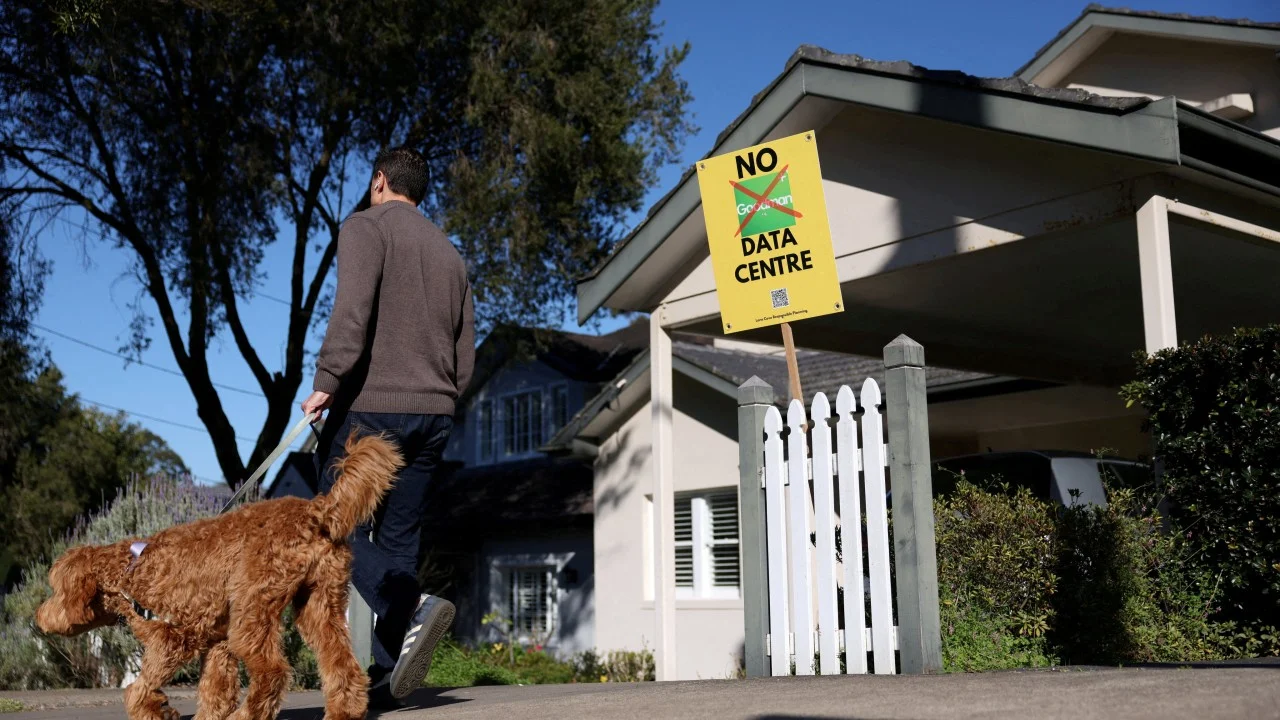
澳大利亚虽然拥有广阔的土地和支持人工智能行业发展的政治意愿,但为这项技术提供动力的数据中心建设却面临更多的挑战。
Australia may have vast tracts of land and political will to support the growth of the artificial intelligence industry, but the development of data centres to power the technology is proving more challenging.
上个月,地产开发商盖曼集团(Goodman Group)撤回了其在悉尼北岸下北岸Lane Cove地区建设90兆瓦数据中心的申请,此举是在数月来居民们对其可能对电力和水供应的影响、噪音污染及其他问题的强烈反对之后做出的。
Last month, property developer Goodman Group withdrew its application for a 90-megawatt data centre in Lane Cove, on Sydney’s lower north shore, after months of opposition from residents about the potential impact on their electricity and water supplies, noise pollution and other concerns.
盖曼在一份声明中表示,该公司考虑了政策和监管环境的变化,以及来自居民的反馈意见。
In a press statement, Goodman said it had considered changes in the policy and regulatory environment, as well as feedback from residents.
今年以来,这并不是第一个开发商因数据中心项目终止计划的案例。
It is not the first time that a developer has pulled the plug on a proposed data centre in Australia this year.
5月份,GreenSquareDC公司搁置了其在珀斯东郊Hazelmere地区建设120兆瓦数据中心的计划。6月份,MAK Urban集团也撤回了其在新南威尔士州蓝山Katoomba地区建设的较小型数据中心项目。
In May, GreenSquareDC shelved its plan for a 120MW data centre in Hazelmere, in Perth’s eastern suburbs. A much smaller proposed data centre in Katoomba, in New South Wales’ Blue Mountains, was also withdrawn by MAK Urban Group in June.
尽管这些项目位于两个不同的州,但居民们提出了类似的担忧——这些耗资源量大的设施将建在离他们的家和学校太近的地方,可能会造成环境破坏。
Although the projects were in two different states, residents had raised similar concerns – that the large resource-hungry facilities would be located too close to their homes and schools, and could potentially cause environmental damage.
悉尼大学高级研究助理罗布尼科尔斯(Rob Nicholls)最近就数据中心发展问题向新南威尔士州立询问会作证时表示,这些设施的发展已经超越了当前的土地利用分类。
Rob Nicholls, a senior research associate at the University of Sydney, who recently gave evidence to a New South Wales legislative inquiry on the development of data centres, said these facilities had run ahead of current land-use categories.
尼科尔斯表示,开发商通常会寻找便于接入高容量电网、光纤连接、水和污水设施的地点。他补充说,这些要求有利于选择已开发的工业区。
Developers typically look for sites with convenient access to high-capacity electricity networks, fibre-optic connections, water and sewerage, according to Nicholls. These requirements favoured established industrial estates, he added.
尼科尔斯指出,这样的工业用地往往被指定用于仓库和轻工业用途,位于居民区、学校和水道附近。
Such industrial space had often been designated for warehouses and lighter industrial uses, located near residential neighbourhoods, schools and waterways, Nicholls said.
然而,他补充说,如果规模缩小,现有的电信基础设施可能会融入数据中心开发商的计划中。
Existing telecommunications infrastructure, however, could potentially fit into the plans of data centre developers if they were scaled down, he added.
“我一点也不奇怪会看到很多澳洲电信公司的电话交换楼将改造成小型推理级数据中心。”来自Lane Cove负责规划的团体的Sasha Titchkosky向This Week In Asia解释了为什么居民对数据中心计划感到愤怒,她表示该数据中心将建在离最近的房子仅20米远的地方,同时靠近一个幼儿园和自然保护林。
“I wouldn’t be at all surprised to see lots of Telstra telephone exchange buildings hosting small inference-level data centres.”Sasha Titchkosky, from the Lane Cove Responsible Planning group, explained to This Week In Asia why residents were up in arms over the data centre plan, saying it would be built just 20 metres away from the nearest house as well as being close to a nursery and conservation bushland.
Titchkosky表示,居民们担心柴油发电机组持续的噪音、火灾隐患、空气污染和用水问题。
Residents were concerned about constant noise from diesel backup generators, fire hazard, air pollution and water use, Titchkosky said.
她还补充说,虽然社区并非完全反对建数据中心,但Goodman计划的规模使得它不适合Lane Cove。
While the community was not totally opposed to having a data centre, the scale of the Goodman plan meant it was not suitable for Lane Cove, she added.
“我们认为数据中心属于重工业的分类,因为它们的影响。”在Hazelmere,社区成员和澳大利亚万亿之树组织反对GreenSquareDC计划的设施,该设施将建在学校、居民区和海伦河附近,海伦河是一个重要的环境和文化地标。
“We would say that data centres fit into the heavy-industry kind of classification because of their impact.”In Hazelmere, community members and Trillion Trees Australia objected to GreenSquareDC’s planned facility, which would have been located near a school, residential areas and Helena River, a major environmental and cultural landmark.
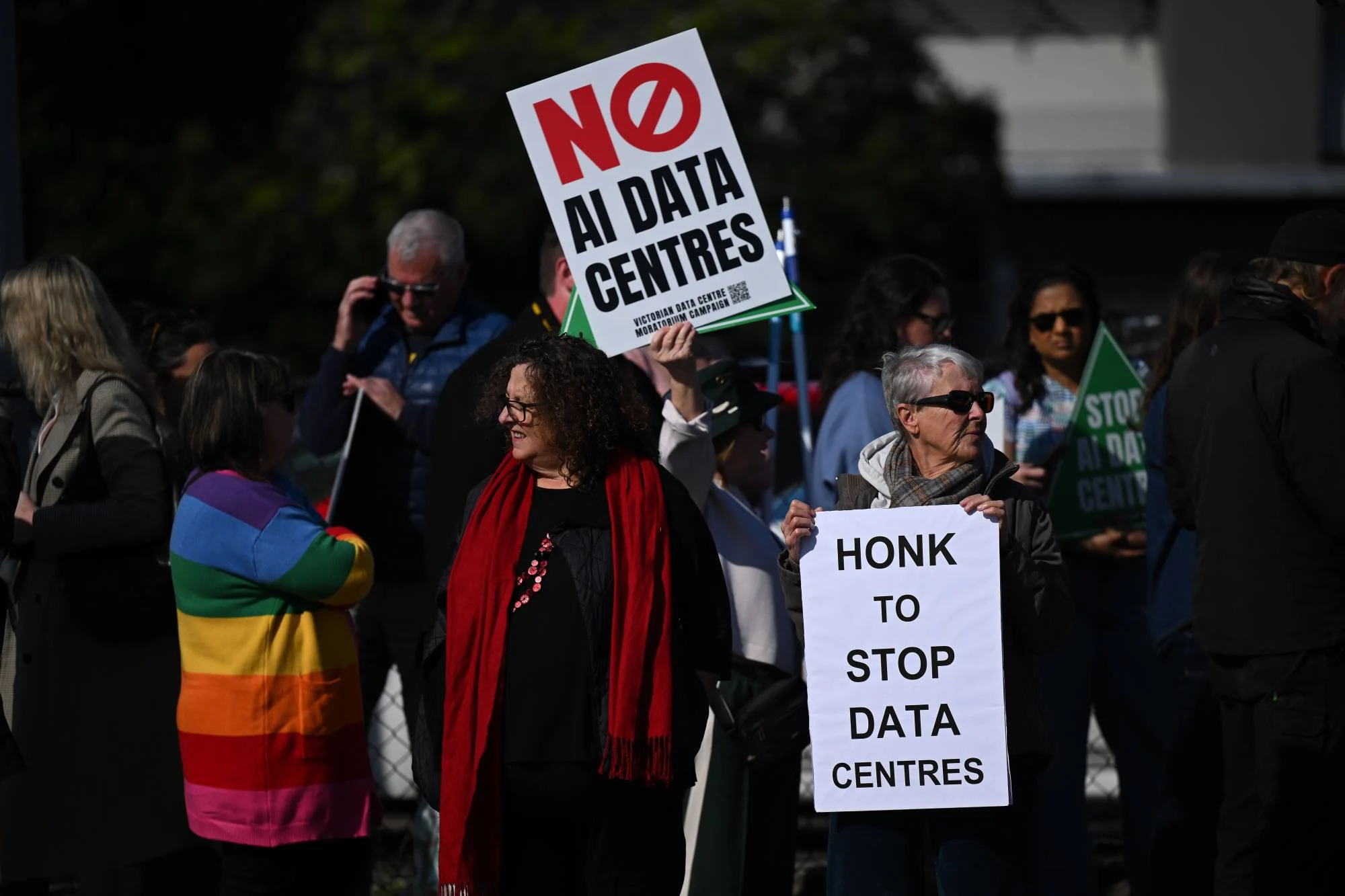
澳大利亚万亿之树组织的Kate Herren表示,该保护慈善组织并非完全反对数据中心的发展。
Kate Herren of Trillion Trees Australia said the conservation charity was not wholly against the development of data centres.
“我们理解其必要性,但必须非常慎重地考虑这些开发项目对环境和当地社区的影响,”她说。
“We understand the need for it, but there needs to be very careful consideration of the impact of these developments on the environment and the local community,” she said.
Herren表示,来自Perth当地政府辖区City of Swan的规划人员建议反对GreenSquareDC计划,因为夜间运行柴油发电机组可能会超过居民噪音限制。在当地政府能够评估数据中心的可行性之前,开发商撤回了该提案。
Herren said planning staff from the City of Swan, the local government area in Perth, had recommended objecting to the GreenSquareDC plan as operating diesel backup generators overnight could exceed the residential noise limit. The developer withdrew the proposal before local authorities could assess the data centre’s feasibility.
Titchkosky和Herren表示,他们所服务的社区是澳大利亚负责任数据中心联盟的一员,该联盟是一个非正式网络,旨在分享有关此类设施提案的信息和策略。
Titchkosky and Herren said the communities they served were part of the Australian Community Alliance for Responsible Data Centres, an informal network sharing information and strategies on proposals for such facilities.
该联盟呼吁在地方政府制定更强有力的社区和环境保护措施之前,对新的批准实行暂停。
The alliance has called for a moratorium on new approvals while local governments develop stronger safeguards for communities and the environment.
Nicholls及其悉尼大学同事Deanna D'Alessandro提出了一种“双门”数据中心审批流程,其中设定了电力使用门槛。在他们的提案中,条件性规划许可和施工开始也须受到电力和水务供应商提供足够供应的约束。
Nicholls and his University of Sydney colleague Deanna D’Alessandro have proposed a “dual-gate” approval process for data centres that sets a threshold for power usage. Under their proposal, conditional planning consent and start of construction are also subject to electricity and water providers providing adequate supply for data centre operators.
此外,研究人员还提议使用回收水,并在水源低于一定水平时限制饮用水供应。澳大利亚联邦政府及部分州政府已采取措施应对社区的担忧。
In addition, the researchers have proposed using recycled water and capping potable water supply when its levels are low. Australian federal and some state governments have been taking steps to address the concerns of communities.
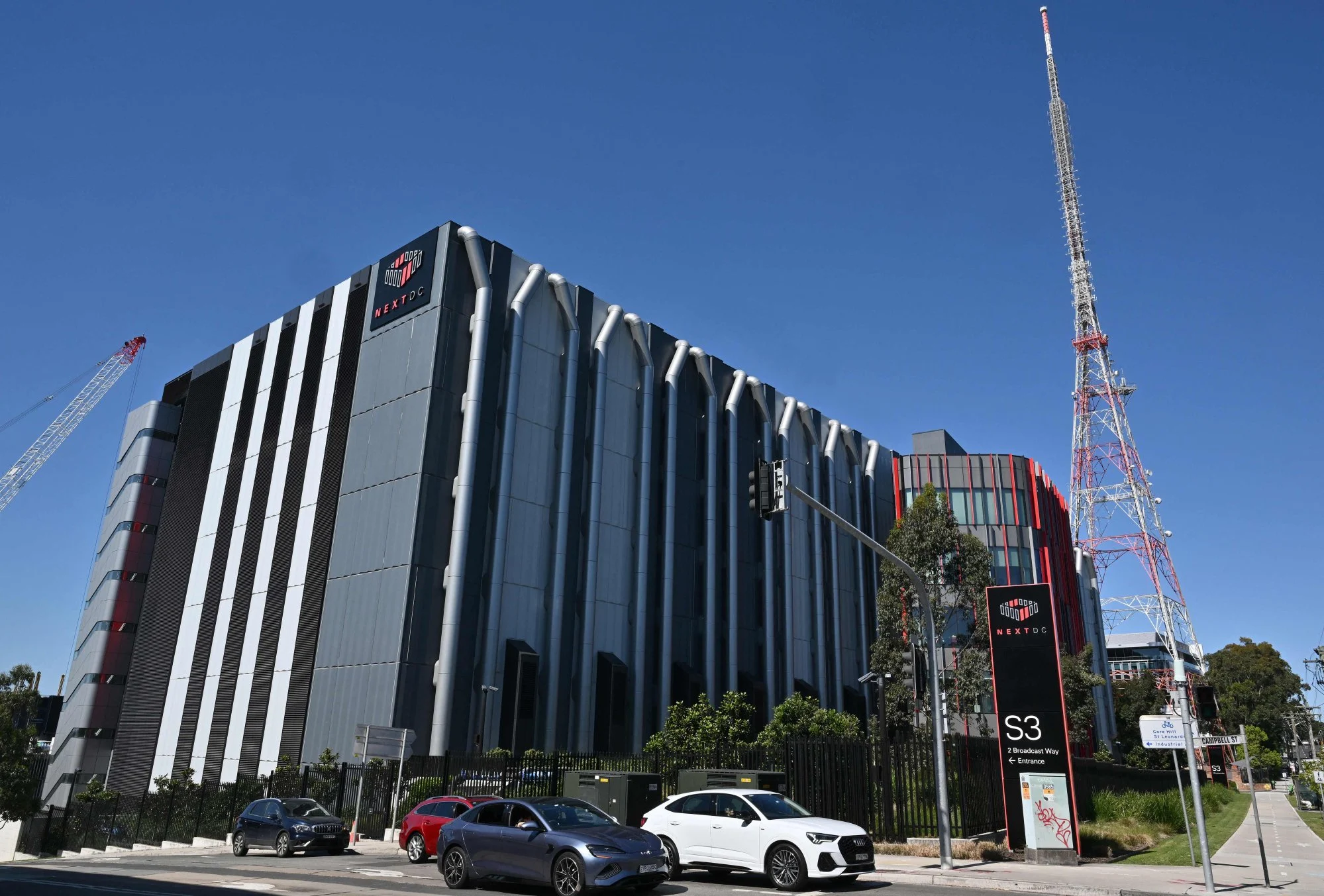
3月份,联邦政府工业、科学与资源部发布了一份文件,指出数据中心的扩张必须满足某些国家层面的期望要求,否则运营商将无法保持其“社会许可”。
In March, the federal government’s Department of Industry, Science and Resources published a document stating that data centre expansion must meet certain national expectations for operators to retain their “social licence to operate”.
该文件还指出,新设施应提升清洁能源的发电或存储能力,最大限度减少用水,尽早在选址过程中与社区及第一民族群体进行沟通,并承担基础设施升级的相应费用。
The document also states that new facilities should enhance clean-energy generation or storage, minimise water use, engage communities and First Nations groups early in site selection and pay their share of infrastructure upgrades.
该文件表示:“新的数据中心和人工智能基础设施不应推高能源价格,并应对澳大利亚的能源转型做出积极贡献。”
“New data centres and AI infrastructure should not place upward pressure on energy prices and should make a positive contribution to Australia’s energy transition,” it said.
新南威尔士州引入了一项独立的政策框架,要求开发商在获得项目所需能源和水基础设施的批准时,必须满足环境和效率标准,并避免将成本转嫁给 households and small businesses.澳大利亚数据中心协会(DCA)表示,该行业已受到广泛的监管。
New South Wales has introduced a separate policy framework requiring developers seeking approval for the energy and water infrastructure their projects need to meet environmental and efficiency standards and avoid shifting costs to households and small businesses.
丹娜·登特(Belinda Dennett),这家行业游说组织的首席执行官拒绝了有人称数据中心的建设和运营缺乏监管的说法,她引用了现有的规划、建筑、环境、水资源、电力和关键基础设施法律。
Data Centres Australia (DCA) has said the sector is already subject to extensive regulation.
她在9月份的社交媒体帖子中写道:“令人失望的是,有些人仍在继续传播这个谎言,即这个行业是不受监管的。”
Belinda Dennett, CEO of the industry’s lobbying organisation, has rejected claims that data-centre construction and operation are unregulated, citing existing planning, building, environmental, water, electricity and critical-infrastructure laws.
在同月,DCA发布了一份媒体声明,欢迎联邦政府就人工智能基础设施的全国统一标准进行咨询。
“What is disappointing is that some continue to perpetuate the myth that this sector is unregulated,” she wrote in a social media post in September.
登特在声明中呼吁在国家层面建立一套统一的规则,并表示:“一个清晰且确定的框架对于社区和投资来说都比全国各地一片杂乱的不同规则要更好。”
In the same month, DCA issued a media statement welcoming the federal government’s consultation on nationally consistent standards for AI infrastructure.
DCA还表示,其成员已采纳了关于能源、水资源、社区咨询和透明度的自愿承诺。这些承诺包括在土地使用、噪音、交通和生活设施方面的审批前后与社区进行沟通,最小化用水量,在可能的情况下选择 recycled 或非饮用水,以及自行承担能源和水资源的连接费用。
Calling for one set of rules at the national level, Dennett said in the statement that “a clear and certain framework is better for communities and better for investment than a patchwork of different rules across the country”. DCA also said its members had adopted voluntary commitments on energy, water, community consultation and transparency.
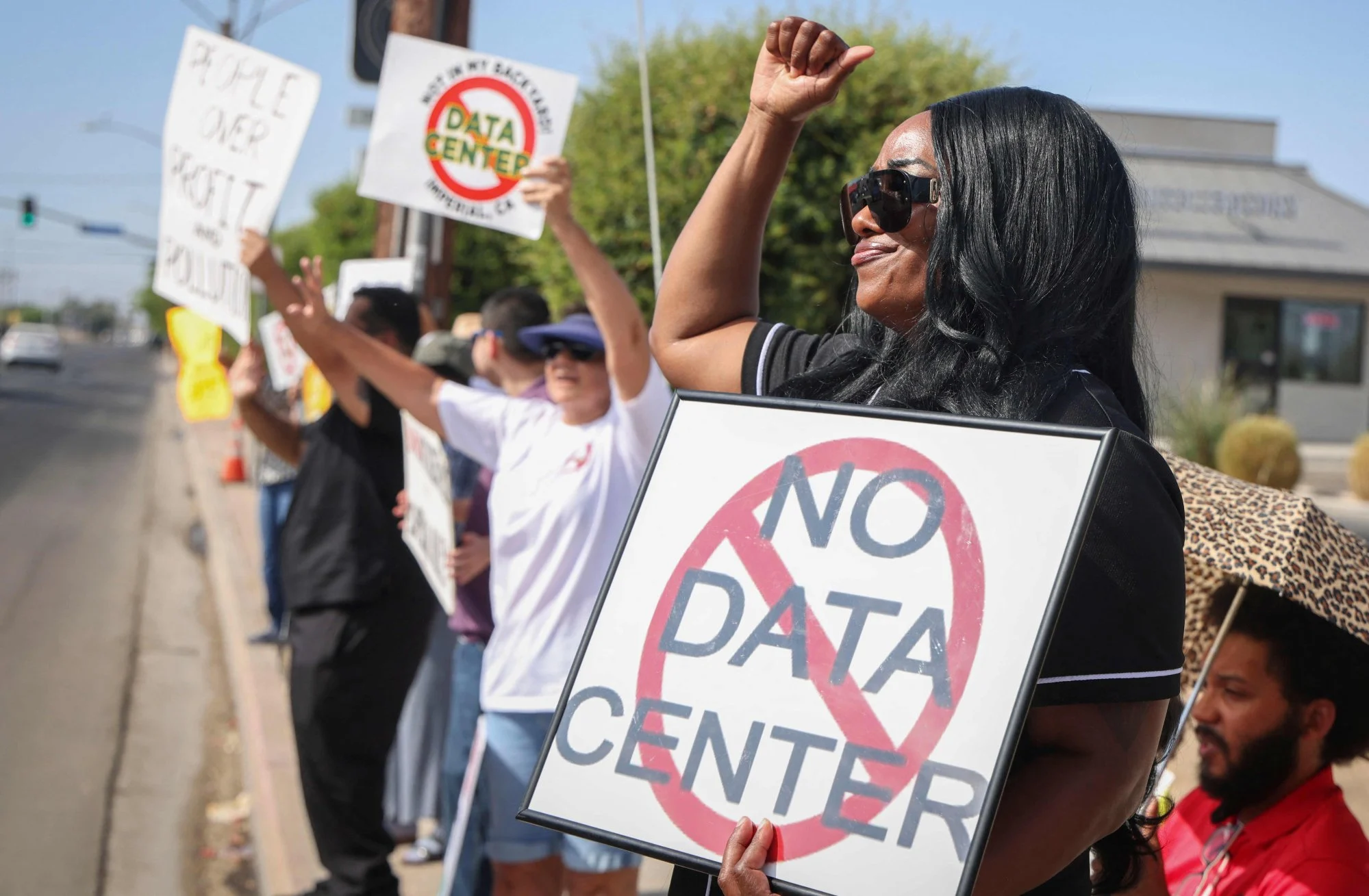
包括DCA在内的多家行业参与者指出,澳大利亚针对数据中心的反对似乎在美国境外也引发了类似的强烈反弹。
These include pledges to engage communities before and during approvals on land use, noise, traffic and amenities, minimise water use, choose recycled or non-potable water where available, and fund their own energy and water connections.
7月份,黑石公司拥有的QTS公司在经历多年的规划和监管审查后终止了其在弗吉尼亚州的数字之门项目。一个月后,开发商斯蒂尔沃特撤回了其在乔治亚州拟建10亿美元设施的许可申请。
Several industry players, including the DCA, have noted that objections against data centres in Australia appear to mirror the backlash in the United States. In July, Blackstone-owned QTS terminated its Digital Gateway project in Virginia after years of planning and regulatory review.
美国还在7月18日举行了针对数据中心的多起抗议活动,遍及42个州,反对者对用水和用电问题以及审批过程的透明度表达了担忧。
A month later, developer Stillwater withdrew its permit application for a proposed US$1 billion facility in Georgia.
尽管两国在数据中心问题演变过程中的看法存在分歧,但根据丁索斯基的观点,社区的关注点是相同的。
The US also saw multiple protests against data centres across 42 states on July 18, as opponents expressed concerns over water and energy use and transparency in approvals.
“它在柴油发电机、污染、光污、热影响以及水和噪声问题方面具有相同的影响,”她说。
Despite differences over how the data centre issue has evolved in the two countries, the communities’ concerns are the same, according to Titchkosky.
“美国的情况告诉了我们,如果你只允许无限制的数据中心发展,未来可能会是什么样子。”文:陀明士
“It’s the same impact in terms of diesel generators, the pollution, light, the heat impact, and the water and noise issues,” she said. “What the US situation showed us was what the future could look like if you just allowed unfettered data-centre development.”