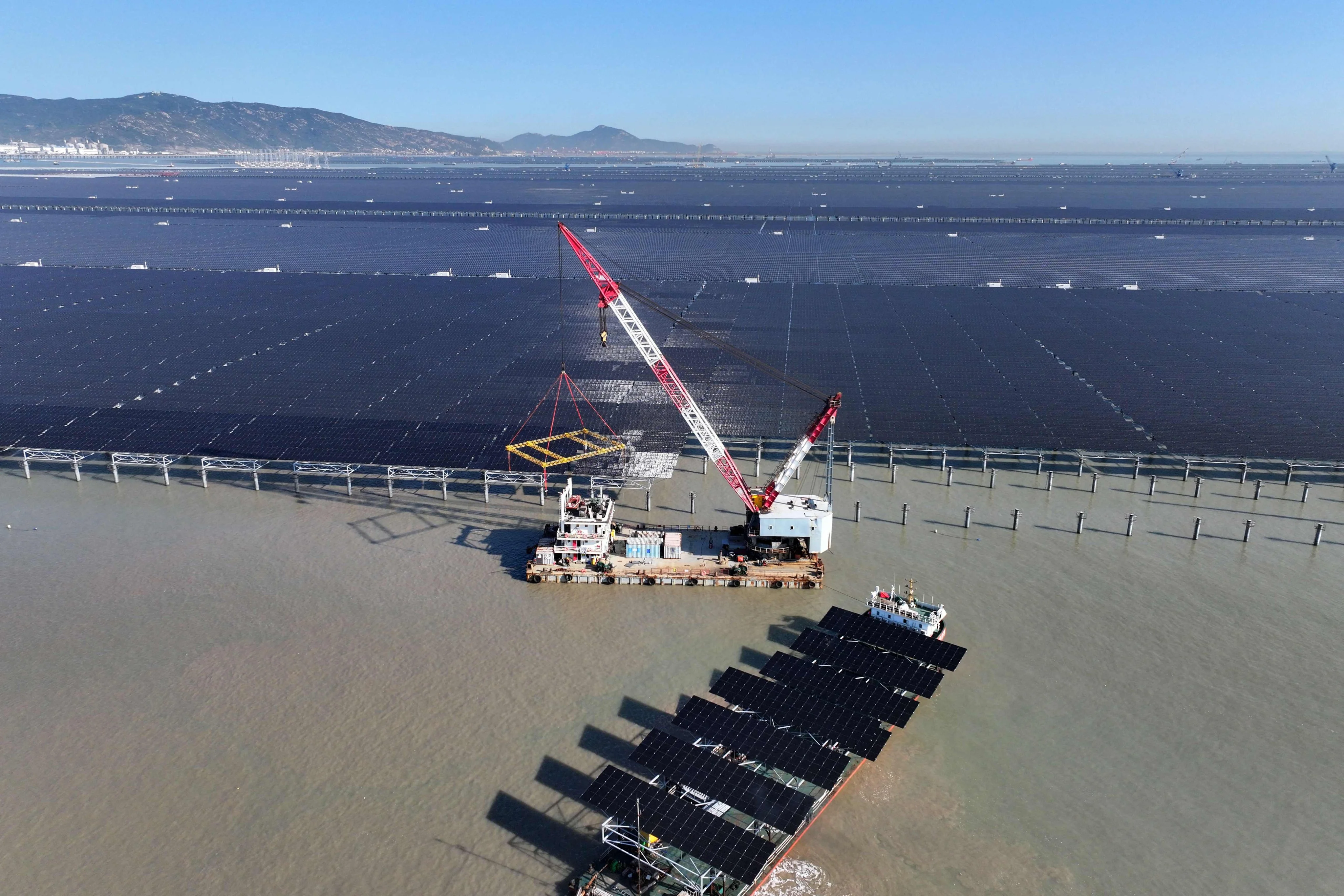
根据近期发布的全球能源转型报告,中国及其他能源进口国发展清洁能源的速度是能源出口国的三倍。
China and other energy-importing countries are expanding clean energy capacity three times faster than energy-exporting nations, according to a recent report on the global energy transition.
风险管理公司DNV于周三发布的《能源转型展望》指出,这一趋势反映出各国政府减少对进口石油和天然气依赖的决心日益增强。霍尔木兹海峡作为全球关键航运通道,其运输秩序近期屡遭扰乱,进一步推动了这一趋势。
The shift reflects growing determination among governments to reduce reliance on imported oil and gas, a trend reinforced by disruption of shipping via critical chokepoint the Strait of Hormuz, according to risk-management firm DNV’s Energy Transition Outlook released on Wednesday.
报告称,过去五年间,中国、印度及欧洲地区非化石能源在一次能源消费结构中的占比提升了2.2个百分点;而中东、北美及俄罗斯地区的增幅仅为0.7个百分点。
Over the last five years, the share of non-fossil energy in the primary energy mix across China, India and Europe has increased by 2.2 percentage points, compared with a gain of just 0.7 percentage points across the Middle East, North America and Russia, the report said.
DNV首席执行官克努特·厄贝克-尼尔斯森表示:“当前,能源转型战略与各国国家利益的联系愈发紧密。进口化石能源的国家正加速推广清洁能源技术以降低对波动剧烈的能源市场的依赖,而许多化石能源出口国的转型步伐则相对缓慢。”自2月份爆发以来,美以联合打击伊朗的战争始终陷入僵局:谈判毫无进展,霍尔木兹海峡的航运安全也持续受到威胁。
“Transition strategies are now more heavily linked to national interests,” said DNV CEO Knut Ørbeck-Nilsen. “Fossil-importing nations are accelerating the adoption of clean energy technologies to reduce exposure to volatile fuel markets, while many fossil-exporting countries are transitioning more slowly.”The US-Israel war on Iran that started in February remains stuck in a costly stalemate of deadlocked talks and ongoing threats to shipping through the strait.
对于中国而言,DNV的这份报告具有特殊意义。作为中东及其他地区石油天然气的主要进口国,中国正致力于通过提升国内能源产量及大力发展可再生能源来保障能源安全。
The DNV findings carry particular significance for China, a major buyer of oil and gas from the Middle East and other regions, as it prioritises energy security through domestic production and renewable deployment.
报告指出,中国本就是清洁能源制造业的领军者,如今更与其他依赖能源进口的经济体一道,以远超出口国的速度推进能源转型。
Already a dominant player in clean energy manufacturing, it is now, along with other import-reliant economies, accelerating its transition at a pace far exceeding that of exporters, according to the report.
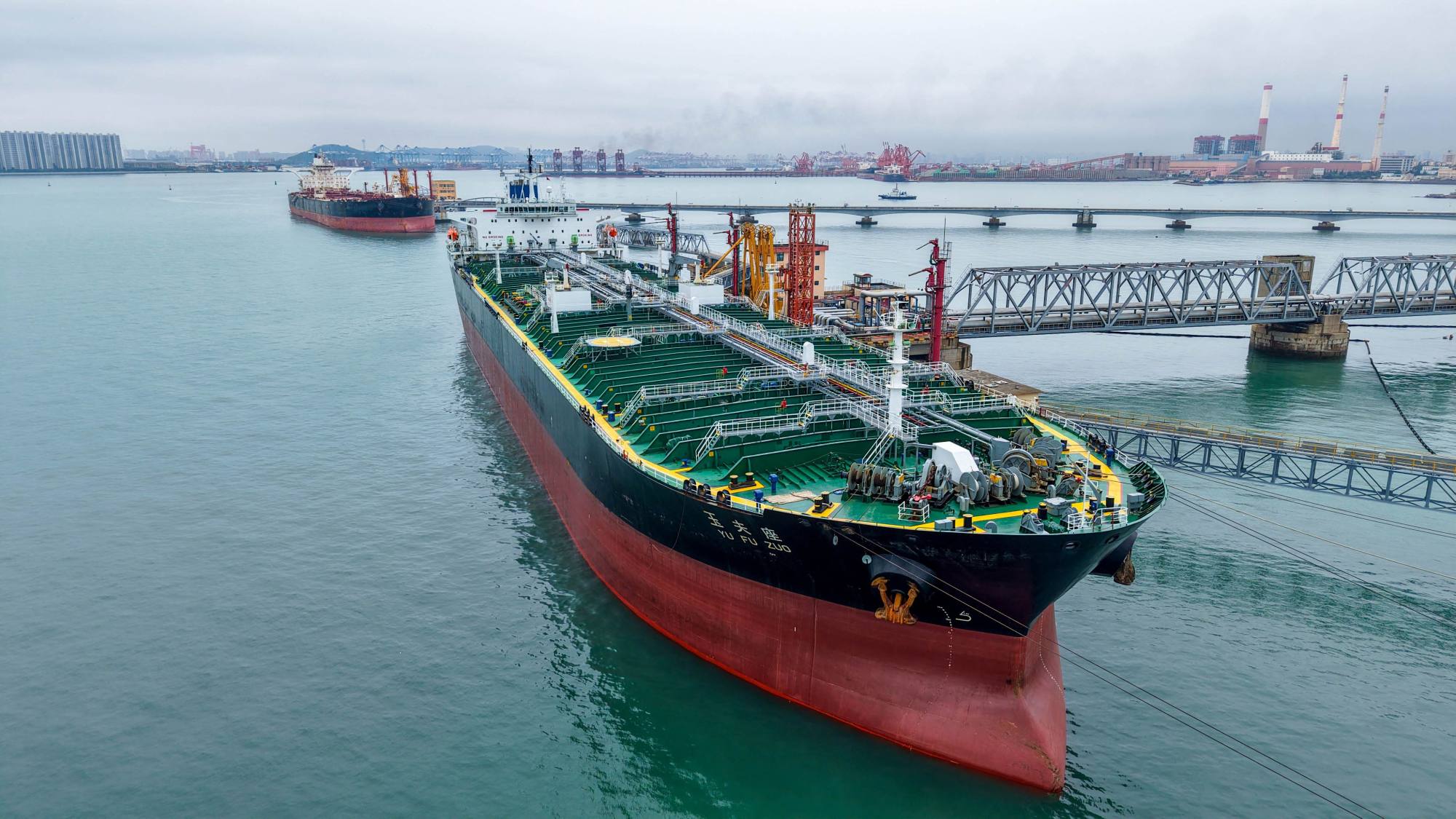
DNV同时指出,尽管中东地区的冲突“堪称史上最严重的能源供应干扰事件之一”,但“中国的战略能源储备起到了缓冲作用,有效降低了其负面影响”。
While the disruption from the war in the Middle East was “among the most severe in history”, its impact had been “moderated by strategic reserves, particularly in China”, DNV said.
该机构发布的报告预测,到2050年,中东地区在全球石油产量中的占比将降至约40%,低于去年预测的50%。
The report predicted that the Middle East’s share of global oil production would drop to around 40 per cent in 2050, down from a 50 per cent projection made last year, according to the firm.
中国既是化石燃料的主要进口国,又是太阳能板、风力涡轮机及电池等清洁能源技术的全球供应国,在这一不断变化的能源格局中占据独特地位。
China’s dual role as both a major importer of fossil fuels and a global supplier of clean energy technologies – solar panels, wind turbines and batteries – positions it uniquely in this shifting landscape.
报告预计,未来20年内,欧洲、中国和印度的电力需求平均增幅将达62%。而根据DNV的预测,出于能效提升与成本优势的考量,北美、中东及俄罗斯也将逐步推进电气化进程,但增速相对较慢——同期电力需求增幅预计为47%。
In Europe, China and India, absolute electricity demand would grow by 62 per cent on average over the coming two decades, the report projected. North America, the Middle East and Russia would also electrify due to efficiency gains and cost advantages, but at a slower pace – a 47 per cent increase over the same period, according to DNV.
报告指出:“中国正引领全球电气化进程。”据预测,到2060年中国终端能源需求中电力占比将超过50%,较目前的27%提升85%。
“China is setting the pace for electrification,” the report said, estimating electricity would supply more than 50 per cent of the nation’s final energy demand by 2060, an 85 per cent increase from 27 per cent currently.
报告还预测,到2050年全球排放量将较当前水平减少44%。不过这一数值仍远未达到实现净零排放所需的标准。
The report projected that by 2050, the world would reduce emissions by 44 per cent from today’s levels. But that will not even be halfway to net-zero emissions, it added.
出于保障能源安全的考量,中国政府已定下目标:力争在2030年前实现碳排放达峰,2060年前实现碳中和。
Beijing has stated goals of peaking carbon emissions before 2030 and achieving carbon neutrality before 2060, driven in part by energy security concerns.