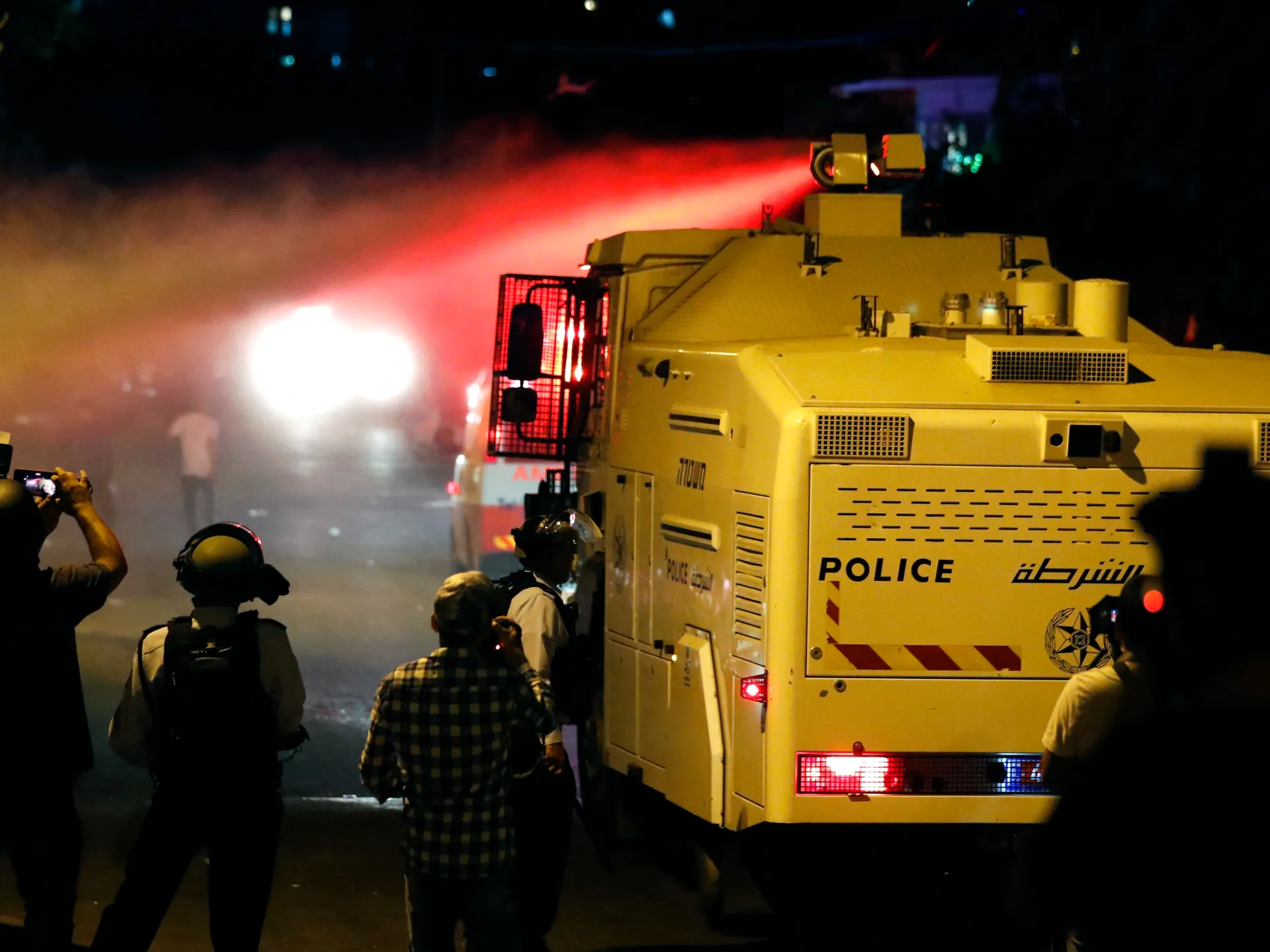
以色列这种散发恶臭的武器,竟将他们对巴勒斯坦人的压迫行为变成了一个“营销手段”(即:通过制造恶劣环境来达到压迫目的)。
Israel’s foul-smelling weapon turns Palestinian repression into a sales pitch.
在以色列当局看来,加沙地带的巴勒斯坦人“过得太好了”。自从以色列开始对巴勒斯坦人实施种族灭绝政策以来,幸存者们已被逼迫生活在越来越狭小的区域内,周围满是废墟、垃圾和疾病;他们甚至连基本的住所和卫生设施都缺乏。显然,对他们来说,这样的生活环境已经“太过分”了。
In the eyes of Israeli authorities, Palestinians in Gaza have it “too good”. Three years into Israel’s genocide, the survivors have been pushed into ever smaller areas of land amid rubble, rubbish and disease, without adequate shelter or sanitation. Apparently, even that is too much.
9月底,一股难闻的气味在加沙城迅速蔓延开来。起初,居民们四处寻找气味的来源,怀疑这股气味是否来自某个厕所,或是他们正在睡觉的孩子身上。随后,类似的报告从城市的其他地区也不断传来:据称以色列军用无人机向人口密集的地区投下了数百包含有这种恶臭物质的包裹。
In late September, a foul smell spread across Gaza City overnight. At first, residents searched for its source around them, wondering whether it was coming from a toilet or even one of their sleeping children. Then reports of the same stench began coming in from across the city.
“今天,加沙城的所有人都闻到了那种真正意义上的‘腐烂气味’……以色列的无人机正在喷洒这种恶臭物质,目的是污染空气。”一位目击者告诉AJ+电视台。
Israeli aircraft had reportedly dropped hundreds of packets containing a foul-smelling substance over populated areas. “Today, all of us in Gaza City woke up to a foul, rotten smell in the truest sense of the word … Israeli occupation drones were spraying this foul stench to pollute the air. Even the air?” said one witness to AJ+.
事实上,以色列已经将这种恶臭物质作为武器使用了近二十年。这种名为“Skunk Water”的气味性武器,是由以色列公司Odortec与以色列警方的技术开发部门共同研发的,首次被用于2008年对尼林地区的巴勒斯坦抗议者的镇压行动中。它被归类为一种“基于气味的非致命性武器”,可以通过水炮发射或由无人机投放。
Israel has, in fact, spent nearly two decades weaponising foul smells against Palestinians. Skunk water, the leading Israeli olfactory ordnance now believed to be in use in Gaza, was developed in 2004 by the Israeli company Odortec in partnership with Israel Police’s Technological Development Department, and first deployed against Palestinian protesters in Nilin in 2008. It is classified as a “scent-based non-lethal weapon” for crowd control and can be fired from water cannon or dropped from drones.
从尼林开始,其使用蔓延至被占领的约旦河西岸各地。它成为比林、卡弗尔·卡杜姆和纳比·萨利赫示威活动的常态,以色列军队反复用它对抗抗议定居点、土地被夺和行动受限的巴勒斯坦人。2011年,以色列军队向手无寸铁的示威者发射催泪瓦斯和臭鼬水,这些人参加了在纳比·萨利赫举行的、一名28岁青年被以色列军队打死的葬礼,随后前往被“邻近定居点哈拉米什占用”的村庄水源地。2012年和2013年,当地也报告了类似事件。
From Nilin, its use spread across the occupied West Bank. It became a regular feature of demonstrations in Bilin, Kafr Qaddum and Nabi Saleh, where Israeli forces repeatedly used it against Palestinians protesting settlements, land seizures and restrictions on movement. In 2011, Israeli forces fired tear gas and skunk water on unarmed demonstrators who had attended the burial of a 28-year-old killed by the Israeli army in Nabi Saleh and were then making their way to the village spring that had been “appropriated by the neighbouring settlement, Halamish”. Similar incidents were reported there in 2012 and 2013.
这种做法很快蔓延至那些西岸村庄之外。2013年,抗议希伯伦舒哈达街封闭的活动人士和报道抗议的记者被喷洒了这种恶臭液体。次年,以色列警方驾驶臭鼬车穿过东耶路撒冷的巴勒斯坦社区,喷洒房屋、街道和学校。在图尔,四所学校遭殃,迫使约4500名学生因气味难闻而留在家中。
The practice soon spread beyond those West Bank villages. In 2013, activists demonstrating against the closure of Shuhada Street in Hebron and journalists covering the protest were sprayed with the putrid liquid. The following year, Israeli police drove skunk trucks through Palestinian neighbourhoods in East Jerusalem, spraying homes, streets and schools. In at-Tur, four schools were hit, forcing some 4,500 pupils to stay home because of the smell.
到2018年,以色列也开始从空中部署。在“伟大回归游行”期间,以色列军队使用“Shoko”无人机,从装有塑料袋的载荷中向加沙的巴勒斯坦抗议者倾泻这种恶臭液体。
By 2018, Israel was also deploying it from the air. During the Great March of Return, the Israeli military used the Shoko drone to douse Palestinian protesters in Gaza with the foul-smelling liquid from a payload of plastic bags.
对以色列当局而言,其用处远不止于控制人群。当然,喷在抗议活动上会让人群四散。但喷洒在街道、房屋和社区上,它就成为一种让巴勒斯坦生存空间本身变得不宜居住的工具。
For Israeli authorities, its usefulness goes well beyond crowd control. Sure, spray it on a protest and people scatter. But spray it over streets, homes and neighbourhoods, and it becomes a tool for making Palestinian space itself unliveable.
这在一定程度上解释了以色列对臭鼬水持久的热衷。还有另一个原因:以色列向世界出售其开发出的控制巴勒斯坦人的方法。
That goes some way towards explaining Israel’s enduring enthusiasm for skunk water. There is another reason, too: Israel sells to the world the methods it has developed to control Palestinians.
2008年,“臭鼬水”首次投入使用时,有报道称以色列警方“寄望于将其发展为商业项目,进而出售给海外的执法机构”。警司大卫·本·哈罗什甚至在电视上抱着一瓶“浑浊发绿的液体”夸耀道:“这东西完全无害,甚至可以直接饮用。”将这种液体用于对付巴勒斯坦人——以色列长期将他们视为“极端邪恶的象征”——也进一步巩固了以色列作为反叛乱及警务技术先驱的国际形象。每一次使用都是以色列展示其管控能力的一次机会,而以色列始终将巴勒斯坦人描绘成极具危险性的人群。
When skunk water was first deployed in 2008, it was reported that Israeli police had “high hopes of turning it into a commercial venture and selling it to law-enforcement agencies overseas”. Superintendent David Ben Harosh even went on air hugging a “litre bottle of dirty, green liquid” and boasting: “It’s totally harmless, you can even drink it.”Its use against Palestinians – whom Israel has long characterised as a symbol of pathological evil – also feeds the country’s global reputation as a pioneer of counterinsurgency and policing technologies. Every deployment offers another demonstration of Israeli expertise in controlling the population it presents as uniquely dangerous.
当时,以色列已经开始出口这种液体。2007年,贝特阿尔法技术公司向南非警察署提供了“臭鼬水”以及“高压水炮和防暴装备”。这些装备后来在2015年的“学费必须降低”抗议活动中被用来驱散示威人群。
By then, Israel had already begun exporting it. In 2007, Beit Alfa Technologies supplied skunk water to the South African Police Service along with “water cannons and riot-control gear”. These were later used against demonstrators during the Fees Must Fall protests in 2015.
2017年,印度中央后备警察部队在查谟和克什米尔等地测试了“臭鼬水”的控场效果。“Who Profits”研究中心还称,曾有一家公司联系他们,希望协助联系Odortec公司以购买该液体,供哥伦比亚警方使用。
In 2017, India’s Central Reserve Police Force tested skunk water for crowd control in places including Jammu and Kashmir. The Who Profits Research Center has also said it was approached by a company seeking help contacting Odortec to buy the liquid for sale to Colombian police.
在美国,Mistral Security公司负责供应“臭鼬水”,并宣称:“‘臭鼬水’的恶臭能迅速迫使个人及人群停止行动,从而让执法部门以最小的伤亡代价恢复秩序。”
In the United States, Mistral Security supplies skunk water, claiming that “the stench of Skunk immediately causes individuals and crowds to cease their activities while allowing Law Enforcement to gain control with minimum injuries and casualties”.
该公司的营销宣传中明显将产品与巴勒斯坦联系在一起:其官网使用了以色列军队在约旦河西岸向巴勒斯坦人喷洒“臭鼬水”的照片。那些遭受该武器攻击的巴勒斯坦人,便成了这种液体确实有效的“证据”。
The company’s marketing makes the connection to Palestine unusually explicit: its website uses a photograph of Israeli forces deploying skunk water against Palestinians in the West Bank. The Palestinians subjected to the weapon become part of the proof that it works.
在2014年弗格森抗议活动之后,米斯特拉尔公司向多个美国警察部门供应了臭水。其中包括密苏罗州的圣路易斯大都会警察局,该局在弗格森抗议活动之后于2015年购入了这种液体。
Following the 2014 Ferguson protests, Mistral supplied skunk water to several US police departments. This included the St Louis Metropolitan Police Department in Missouri, which acquired the liquid in 2015 following the protests in Ferguson.
《石英报》对运往密苏罗州的这批货物的报道捕捉到了这种武器的吸引力。它指出:"对一个地方的投毒"可能会破坏人们对"居住、聚集、抗议,甚至记录该地点"的意愿,直到该地被清洗干净。它将臭水描述为潜在的"维持新的种族隔离制度的一种系统"。
A Quartz report on the shipment to Missouri captured what makes the weapon attractive. “The poisoning of a place”, it observed, can destroy people’s willingness to “reside, congregate, protest, or even document a location” until it is cleaned away. It described skunk water as potentially “a system for maintaining new apartheids”.
那么以色列出售的东西远不止一瓶难闻的液体。臭水附带着以色列通过数十年来控制巴勒斯坦人的建立的声誉:一个被呈递为在镇压骚乱、对付叛乱以及应对被视为危险人群方面拥有独特经验的国家。巴勒斯坦人是这种品牌的核心。他们的镉压展示了这项技术;对他们的诋毁则有助于为围绕控制他们的专业知识进行辩护。
What Israel sells, then, is more than a foul-smelling liquid. Skunk water comes wrapped in the reputation Israel has built through decades of controlling Palestinians: a state presented as uniquely experienced in suppressing unrest, countering insurgency and dealing with populations cast as dangerous. Palestinians are central to that brand. Their repression demonstrates the technology; their demonisation helps justify the expertise built around controlling them.