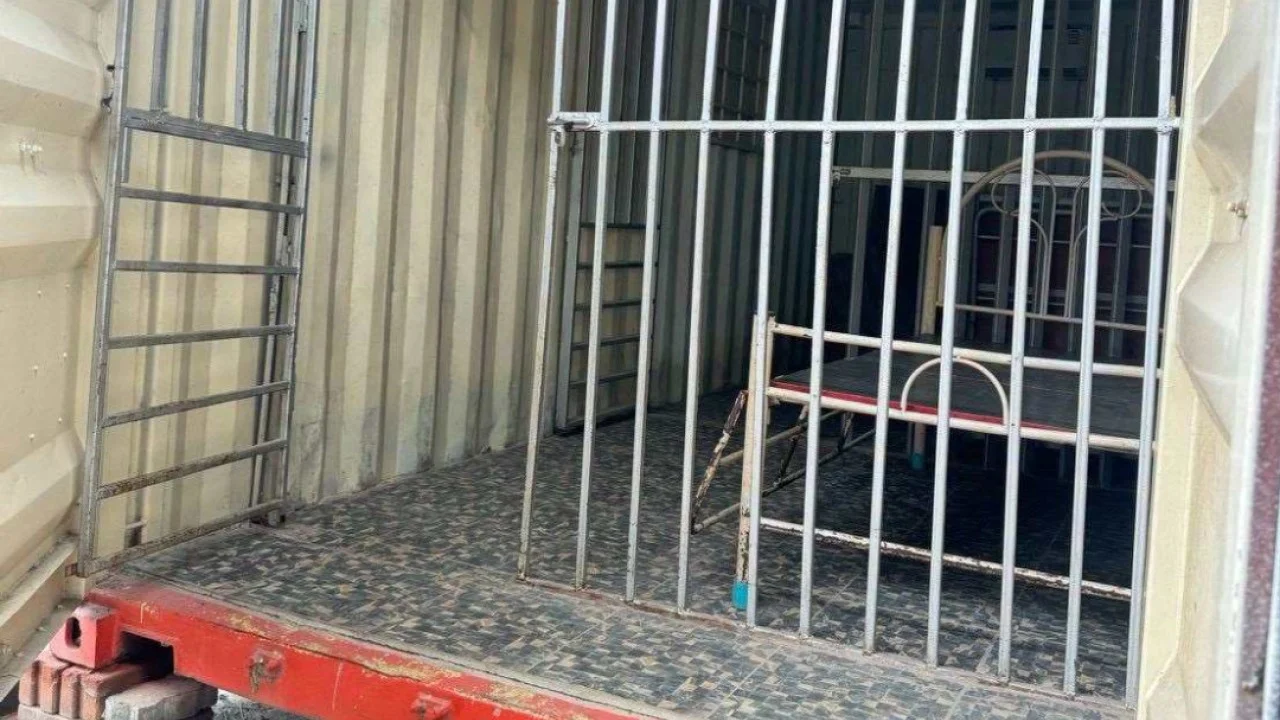
泰国近日爆发一起养老院丑闻:一家位于北碧府的养老院被曝光将年迈且患病的老人囚禁在床上,这些床铺上方仅有一英尺左右的空隙,周围还加装了铁笼加以限制。
A care scandal has erupted in Thailand after a nursing home was exposed for confining old and sick residents in beds covered by iron cages with barely a foot of space above their heads.
本周早些时候,一段拍摄于索通猜养老院的视频在泰国一档时事电视节目中播出,画面中卧床不起的老人令全国民众震惊不已。
Images of bedridden patients at the Sothornchai Nursing Home in Kanchanaburi, western Thailand, have shocked Thais since they were shared earlier this week on the television current affairs show .
预计今后几年泰国将步入超老龄化社会,当局警告称该国可能面临养老危机,且资金短缺难以满足老年人的复杂需求。
Thailand is projected to be a super-ageing society in the coming years, with authorities warning of a care crisis and a shortage of money to meet the complex needs of the elderly.
一名63岁的举报人向媒体透露,她的儿子与儿媳为夺取她的化妆品生意控制权,违背她的意愿将她强行送入该养老院。此后两年多时间里,她一直被囚禁于此。
A 63-year-old whistle-blower who spoke to said she was held for over two years at the facility after she was taken there against her will by her son and daughter-in-law, both of whom were seeking control of her cosmetics business.
此事促使卫生部门对这家养老院展开调查。周二,卫生服务支持局发布声明称,该养老院存在严重违规现象,当局将责令其关闭,并考虑对院方负责人提起法律诉讼。
It prompted an inspection of the nursing home by health officials who issued damning findings about standards in the overcrowded home, saying they would close down the facility and consider bringing charges against the owner.
据悉,该养老院的许可收容人数为50人,但实际收容人数却超过这一数字的两倍。院内有大量患有身体疾病、痴呆症以及复杂精神疾病的老人。
The home was licensed to house 50 beds but had more than double that number and kept residents with physical ailments, dementia and complex psychiatric needs, according to a statement by the Department of Health Service Support released on Tuesday.
声明还描述了骇人听闻的恶劣环境:部分房间装有可从外部上锁的铁栅栏;床铺上还加装了类似笼子的铁制结构,进一步将老人禁锢其中。此外,该养老院本为普通医疗机构,却违规接收了多名精神病患者,根本无力满足他们的治疗需求。
Describing horrific conditions including “rooms with iron bars that could be locked from the outside”, the statement said beds “had been modified with additional iron structures resembling cages to enclose and confine the service recipients in another layer”. Psychiatric patients had been illegally admitted to the nursing home, which was noted as a medical facility and ill-equipped to deal with their needs, it added.
该养老院的负责人、曾为护士的英·蓬瑟姆西为使用铁笼的做法辩护,她周三对记者表示,此举是为了保护老人的安全。
Ying Pornsermsiri, the facility’s owner and a former nurse, defended the use of the bed cages, telling reporters on Wednesday that it was for the protection of the residents.
“要不是我在他们的床上安置了这种围栏,这些病人早就摔下去了。他们神志不清,完全不知道自己在做什么,整天都试图爬起来,”据当地媒体报道,她这样说道。
“Had I not put up the cage on their bed like this, these patients would have fallen. They’re incoherent, they don’t know what they’re doing, they would climb all day long,” she said, according to local media reports.
在随后的言论中,她坚称使用这种围栏是养老护理领域的“创新之举”,似乎完全无视泰国民众在看到体弱老人被关在围栏中的画面后所表现出的愤怒情绪。
In later comments, she doubled down on the use of the cages as an “innovation” in the care sector, seemingly impervious to the anger felt among the Thai public upon seeing the images of frail elders inside the cages.
泰国是东南亚地区老龄化速度仅次于新加坡的国家。据世界银行预测,到2035年,泰国60岁及以上的老年人口比例预计将达30%;不过泰国官方认为这一比例可能提前达到。
Thailand is the second-fastest ageing nation in Southeast Asia after Singapore. Thirty per cent of Thais are expected to be elderly – or aged 60 and over – by 2035, according to the World Bank, although Thai authorities say that marker could be reached earlier.
面对劳动力短缺与养老护理成本不断攀升的困境,历届政府都制定了多项应对人口结构危机的策略,但用于支付养老金、临终关怀服务、长期护理及医疗服务的资金始终不足。
Facing a labour crunch and spiralling care costs, successive governments have outlined various strategies to cope with the demographic crisis. But they have faced a shortage of funds to pay for pensions, hospices, long-term nursing and medical care.
与此同时,泰国正试图吸引来自中国、日本、欧洲及美国的富裕外国人。凭借训练有素的医疗队伍、现代化的护理设施与医院,泰国正努力将自己打造为全球养老与护理中心。
At the same time, Thailand is trying to draw wealthy foreigners from China, Japan, Europe and the US as it positions itself as a global hub for retirement and nursing homes with its trained medical staff, modern care facilities and hospitals.
“如今越来越多的优质养老院涌现出来,但普通民众却难以负担,”反对党人民党议员兼临终关怀专家埃卡波普·西蒂万塔纳对《亚洲周刊》说道。“我们拥有足够的护理人员,却缺乏相应预算;目前也没有完善的长期护理体系。所需的额外资金只能依靠税收或设立专项基金来筹集——可历届政府都因担心失去选票而不敢这么做。”据西蒂万塔纳介绍,在这种情况下,长期护理的重任不可避免地落到了家庭成员身上,而不少老人只能住在缺乏基本保障的普通养老院中。
“We’re seeing more quality nursing homes for the elderly emerging, but ordinary people can’t access them,” Ekkapop Sittiwantana, a palliative care expert and an MP for the opposition People’s Party, told This Week in Asia. “We have the personnel, but we don’t have the budget. We don’t have a long-term care system. The additional funding would have to come from taxes or a fund – something no government has ever dared to do because they’re afraid of losing votes.”Inevitably, the responsibility of long-term care falls on family members, while some elderly people have to stay in basic nursing homes with a lack of protection, according to Sittiwantana.
“因此,全社会需要共同思考:我们是否准备好集体出资设立保险机制——为弱势群体提供保障——这样当我们需要他人照料时,才会有专业人员来照顾我们。”
“So society has to think together about whether we’re ready to invest collectively in insurance – in guaranteeing protection for the vulnerable – so that when we’re in a state of dependency, we’ll have professionals to care for us.”