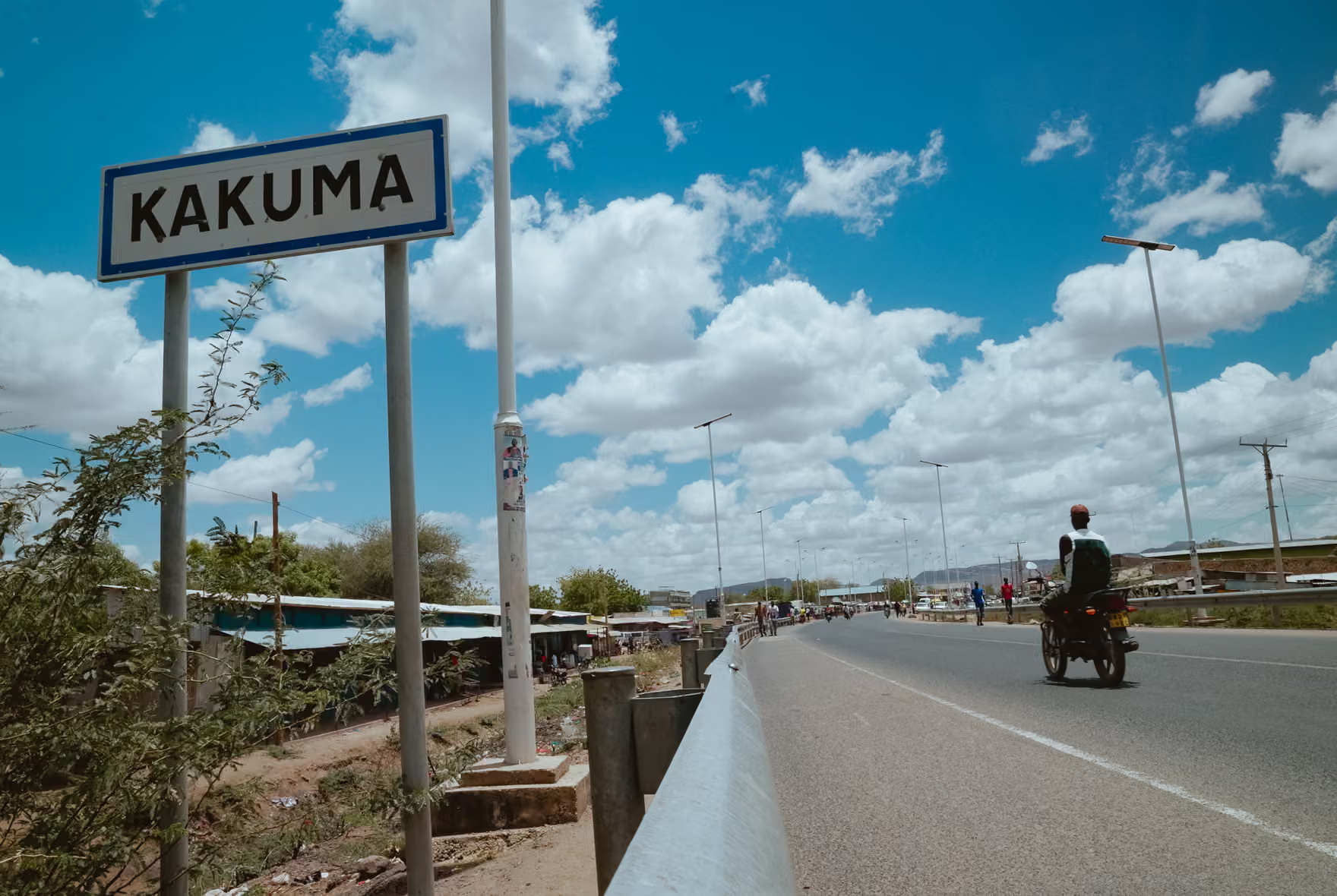
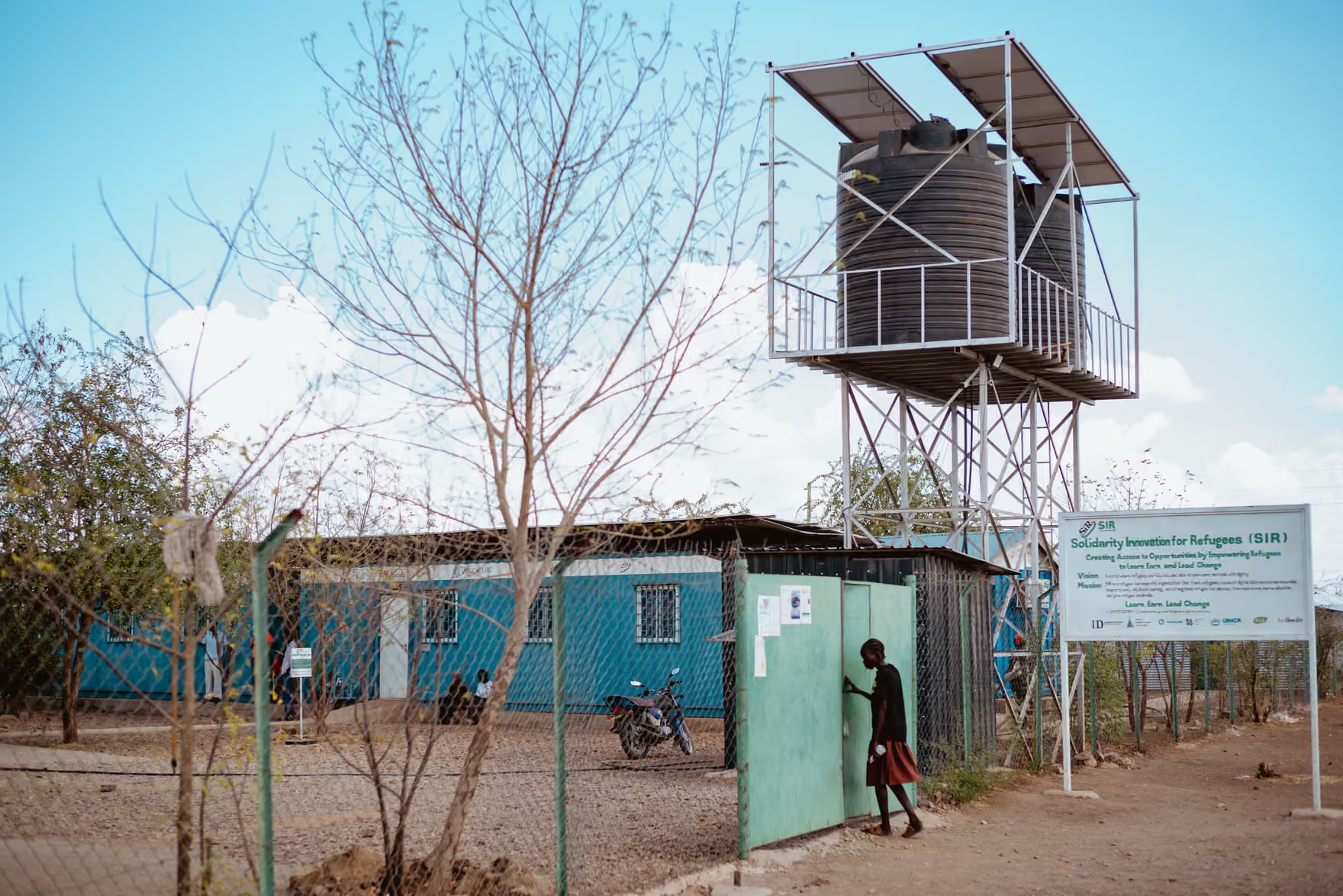
为科技公司从事零工工作的难民不知道自己能获得多少报酬——前提是AI还没有取代他们的工作。在卡库马难民营的一座活动板房里,该营地位于肯尼亚北部与南苏丹的边境附近,Grace使用ChatGPT研究她不懂的语言的基督教赞美诗翻译。她不知道客户是谁、工作的目的是什么,也不确定是否会获得报酬,但作为无法在肯尼亚合法工作的难民,她抓住任何能获得的机会。
Refugee gig workers for tech companies don’t know how much they’ll be paid – if AI hasn’t already taken their jobs In a portable building in Kakuma, a refugee camp near Kenya’s northern border with South Sudan, Grace used ChatGPT to research translations of Christian hymns in languages she doesn’t speak. She didn’t know the client, the purpose of her work or whether she would be paid, but as a refugee unable to legally work in Kenya, she needed any opportunity she could get.
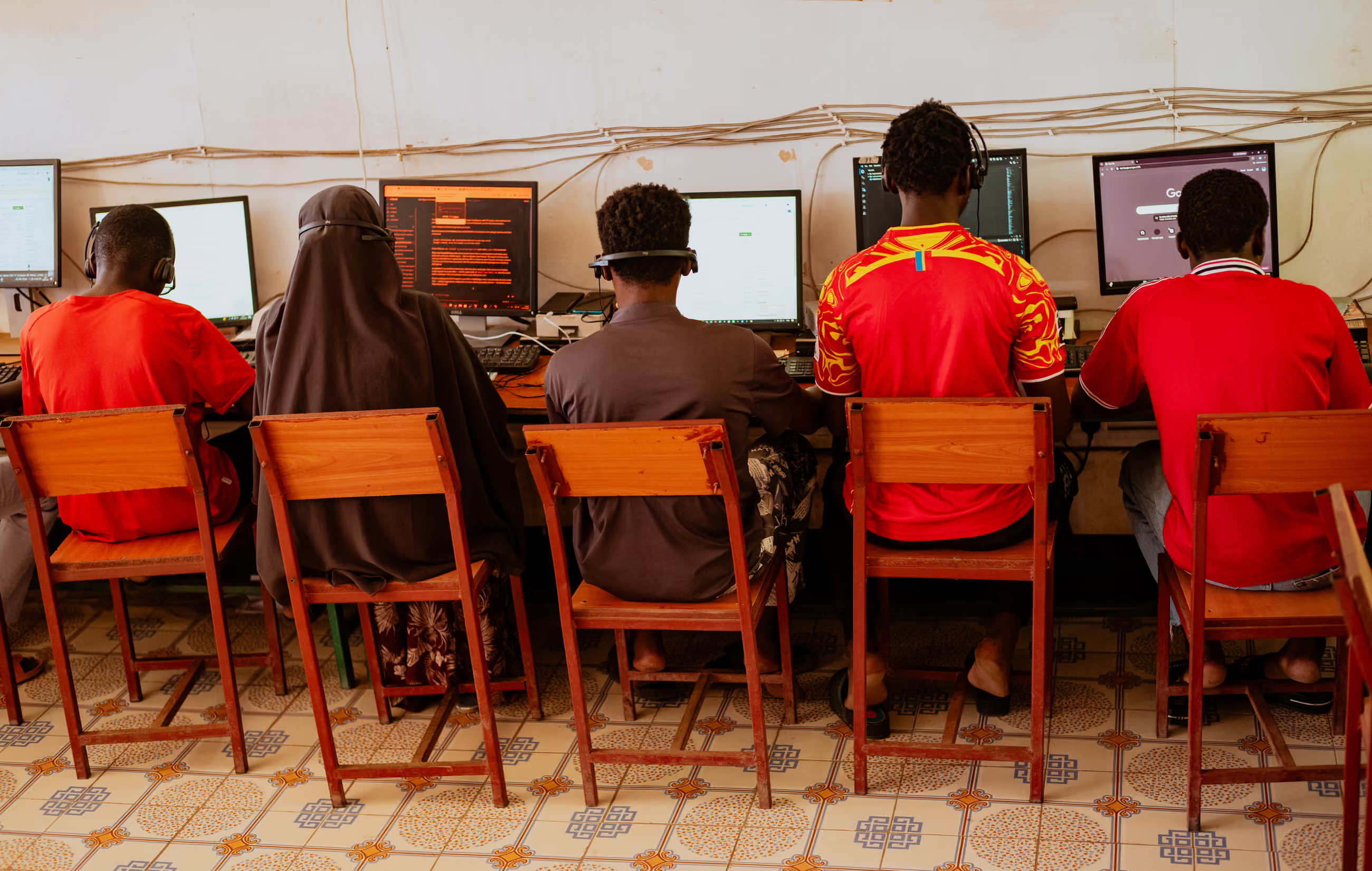
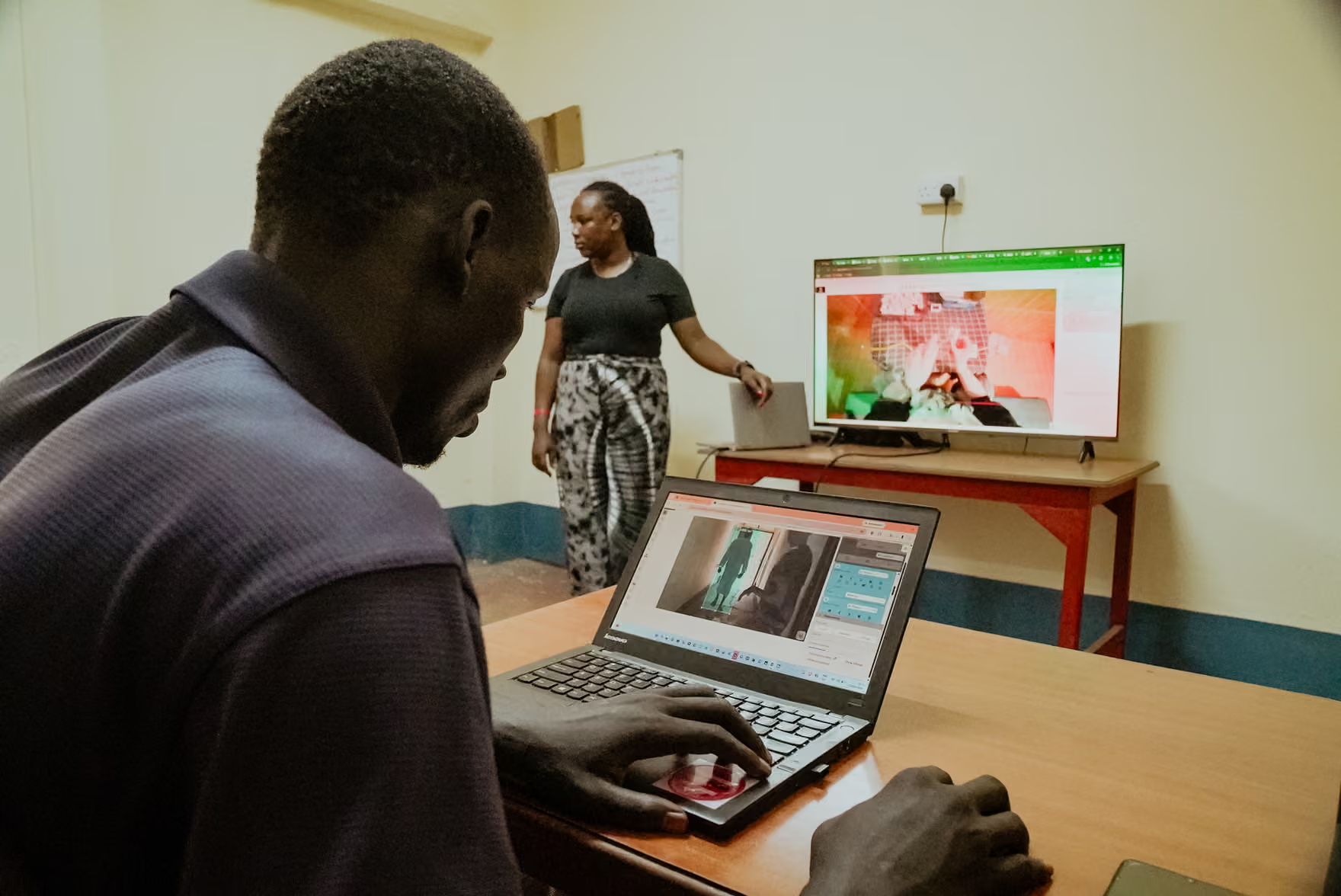
由于签署了保密协议,Grace要求匿名。她让ChatGPT将赞美诗的英文文本翻译成指定的东亚语言。然后她利用该翻译搜索现有版本,并查找其译者、作者和基督教教派的信息。她将这些细节输入AOP Connect,这是一个由英国AI企业软件公司RWS拥有的众包研究平台。
Grace, who requested anonymity due to a nondisclosure agreement, prompted ChatGPT to translate the hymn’s English text into the assigned east Asian language. She then used the translation to search for existing versions and find information about its translator, author and Christian denomination. She fed those details to AOP Connect, a crowdsourced research platform owned by British AI enterprise software company RWS.