艾莉森·施拉格 撰文信奉自由市场的经济学家如今可能正陷入持续的绝望之中。左右两派的政客和选民都在转向反对市场。民调显示,公众广泛支持那些经济学家早已摒弃的干预主义政策,因为他们认为这些政策弊大于利。
Free-market-oriented economists probably live in a state of perpetual despair these days. Politicians and voters on both the left and right are turning on markets. Polls suggest widespread support for interventionist policies that economists long discarded for causing more harm than good.
我们可以将原因归咎于无知,无论是民众的无知,还是经济学家对人们不断变化的需求和挑战缺乏认知。但我怀疑,支持民粹主义背后的原因,与每一次金融灾难背后的原因如出一辙——那就是人们渴望相信,自己既能享受低风险甚至零风险,又能获得收益。
We can blame ignorance, either of the population or of economists naive to people’s changing needs and challenges. But I suspect what’s behind the support for populism is the same thing that is behind every financial blow-up — the desire to believe we can have both low, or no, risk and upside, too.
这种想法极具诱惑力。然而,它也是几乎每一个最终酿成灾难的金融骗局或草率金融创新背后的空洞承诺。事实证明,这行不通。我们从20世纪80年代的储蓄和贷款危机、1998年长期资本管理公司的崩盘、2008年抵押贷款支持证券的崩溃以及伯尼·马多夫骗局中汲取了教训,而接下来会发生什么,谁也无法预料(潜在的风险比比皆是)。
The idea is seductive. It’s also the hollow promise unpinning almost every financial scam or ill-considered financial innovation that’s ended in calamity. It never works out, as we learned from the savings and loan crisis in the 1980s, the blowup of Long-Term Capital Management in 1998, the meltdown of mortgage-backed securities and the Bernie Madoff scandal in 2008, and who knows what next (there are many candidates).
金融的基本法则在于,更高的回报必然伴随着损失的风险。我将对这一事实的持续否认称为“风险幻觉”,即便是金融界最顶尖的头脑也一再对此深信不疑。
The fundamental law of finance is that higher returns only come with the risk of loss. I call the persistent denial of this fact the risk delusion, and even the best minds in finance fall for it time and again.
当涉及政策时,同样的把戏同样具有吸引力,这并不令人意外,尤其是在通胀令部分人预算吃紧,而另一些人则担心新技术可能使他们失业的当下。
It should not be a surprise that the same schtick is appealing when it comes to policy, too, particularly at a time when inflation has stretched budgets for some while others fear new technology may leave them unemployable.
据《华尔街日报》近期的一项调查显示,两党中的大多数美国人都支持对托儿服务、处方药和信用卡利息实施价格管制。其他民调也发现,限制租金上涨的措施在政治光谱的两端都颇受欢迎。这些想法违背了基本的经济学原理,并忽视了价格管制长期导致短缺、且在取消上限后价格反而更高的历史。然而,这些想法之所以具有说服力,是因为其负面后果在初期并不明显。
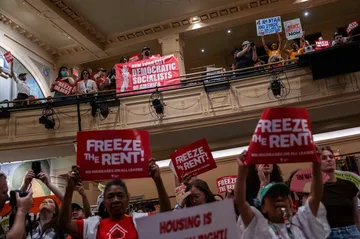
A majority of Americans in both parties support price controls on childcare, prescription drugs and credit card interest costs, according to a recent Wall Street Journal survey. Other polls have found that measures cap rent increases are popular on both sides of the political divide. These ideas violate basic economics and ignore the long history of price control producing shortages and even higher prices once the ceiling is lifted. Yet, they are compelling because the negative consequences aren’t apparent at the outset.
例如,通货膨胀对消费者来说是一个巨大风险;每次去超市购物时,人们都会对自己的收入能买到多少东西感到不确定。价格管制看似能确保稳定,听起来很不错。就连诺贝尔奖得主、现代经济学之父保罗·萨缪尔森也曾认为这是一个好主意。问题在于,安全意味着收益减少;在这种情况下,就是当你需要商品时,市场上却供应不足。你可能知道市场的价格,但不知道货架上是否空空如也;同样,在房租管制下,你也无法确定是否有足够的公寓供应。
Inflation, for example, is a big risk to consumers; it leaves people uncertain about how much their income will buy every time they go to the grocery store. Price controls seem to assure stability, which sounds great. Even Paul Samuelson, the Nobel laureate and father of modern economics, thought they were a good idea. The problem is safety means less upside; in this case, a paucity of goods available when you need them. You may know the price at the market, but you don’t know if you will find empty grocery shelves or, with rent controls, a sufficient supply of apartments.
在税收问题上,民粹主义也与经济逻辑相悖。对亿万富翁征收财富税在选民中很受欢迎,也得到了一些经济学家的支持,他们认为有可能规避风险与回报的规律。这种税收之所以具有吸引力,很大程度上是因为它伴随着更多政府福利的承诺,例如加利福尼亚州的医疗保健,或者以他人支付保障收入形式提供的安全感。
Populism is also at odds with economic reasoning when it comes to taxes. A wealth tax on billionaires is popular among voters and has also garnered support from some economists, who believe it’s possible to outsmart the law of risk and reward. A big part of the appeal is the levy being paired with the promise of more government benefits, such as healthcare in California, or safety in the form of a guaranteed income that someone else pays for.
然而,大多数经济学家都反对财富税,因为财富比收入更难估值,也更容易转移。因此,任何针对财富的税收都很容易逃税。此外,财富税对人们行为的影响更大,进而也会抑制经济增长。
Most economists, however, hate wealth taxes because wealth is harder to value and easier to move around than income. Any tax on it, therefore, is easy to evade. Wealth taxation also has a greater impact on people’s behavior and, consequently, on economic growth.
大多数富裕人士会将资金投资于自己的公司或市场。而税收会激励他们将资金从生产性投资中撤出,转向那些更难估值且潜在生产力更低的资产。例如,2.5%的财富税,如果假设投资回报率为5%,就等同于50%的资本利得税。降低风险行为的回报通常意味着人们会承担更少风险,从而导致企业数量减少、就业岗位减少,经济增长放缓。经济学家更倾向于采用累进消费税或设计合理的所得税。
Most wealthy people invest their money in their own companies or the market. A tax incentivizes them to move money out of productive investments and into assets that are harder to value and potentially less productive. A 2.5% wealth tax, for example, is the equivalent of a 50% capital gains tax if you assume a 5% return. Reducing the returns to risk-taking generally means less risk is taken, translating into fewer companies and jobs created, and slower growth. Economists prefer progressive consumption or well-designed income taxes instead.
“零风险、高回报”的承诺也解释了为什么我们为了扩大福利而背负了如此沉重的债务,以及为什么政客们不断抛出更多诱饵,包括向选民发放5000美元支票、为全职母亲提供津贴或进一步减税。没有人提及利率上升或痛苦的金融清算所带来的下行风险。
The promise of no risk and a high return also explains why we have run up so much debt to expand benefits, and why politicians keep dangling more, including $5,000 checks to voters, an allowance for stay-at-home mothers or further tax cuts. No one mentions the downside risk of higher interest rates or a painful financial reckoning.
两党对政府持有私营企业和产业政策的兴趣,也出自同一套剧本。这些政策承诺实现由政府精心管控的增长与创新,这意味着更少的失业、没有企业倒闭或个人亏损。但其结果往往是浪费与停滞。
The bipartisan interest in government ownership of private corporations and industrial policy comes from the same playbook. These policies promise growth and innovation that is carefully controlled by the government, which means less job loss, no firms failing or people losing money. The result is often waste and stagnation.
对于我们这些毕生致力于研究经济运行规律并向公众普及经济学知识的人来说,现在是黑暗的日子。感觉我们都失败了。但一个无法回避的严酷事实是:追求安全却又期待高回报,往好了说会导致增长停滞,往坏了说则会导致你毫无准备的糟糕后果。我们总以为这一次会有所不同,认为我们现在足够聪明,能够设计出超越风险的政策或金融算法。唉,事实从来并非如此。
These are dark days for those of us who dedicated our lives to both learning how the economy works and educating people about it. It feels like we all failed. But there is no getting around the hard fact that pursuing safety with the expectation of high return leads, at best, to no growth and, at worst, to a bad result you didn’t prepare for. We always believe this time is different, that we are now smart enough to have a well-designed policy or financial algorithm that can outsmart risk. Alas, it is never true.