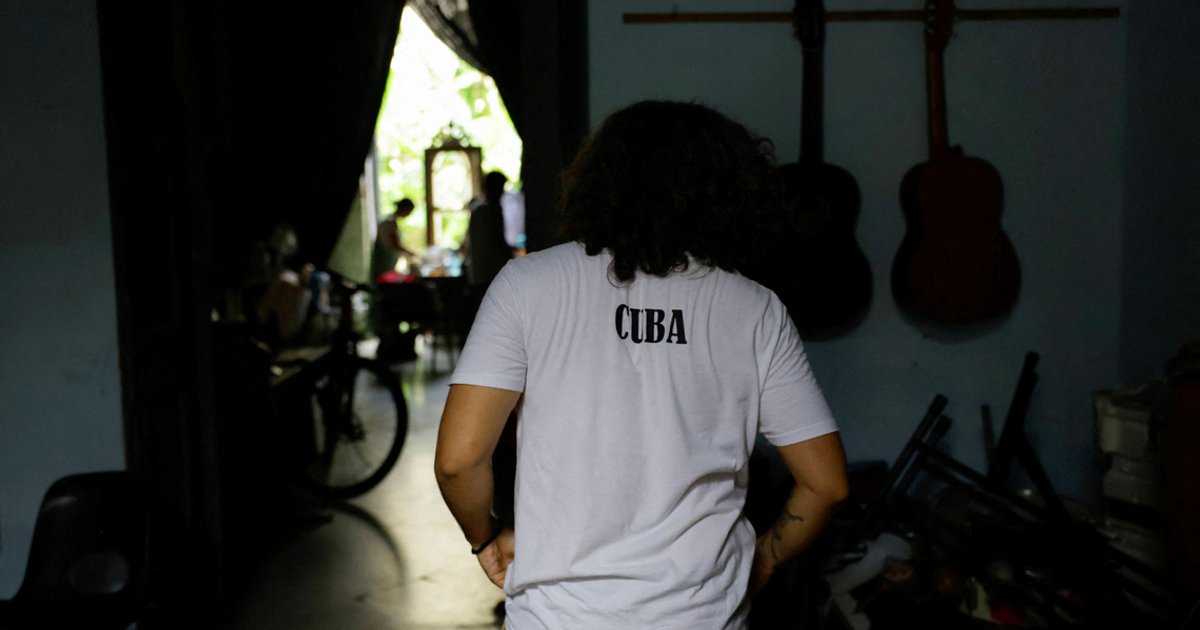
哈瓦那,10月8日——当哈瓦那一处高档住宅区的停电时间逐渐接近每天24小时时,这座古巴首都众多独具特色且备受赞誉的剧团之一的士气也跌至谷底。
HAVANA, Oct 8 - When blackouts in an upscale neighborhood of Havana began approaching 24 hours a day, morale plummeted at one of the Cuban capital's many niche but celebrated theater groups.
“演员们根本无法准时赶到排练现场;大家都疲惫不堪,难以为继,”剧团‘Impulso Teatro’的导演琳达·索里亚诺说道,“我告诉他们可以随意离开。”然而,剧团成员们却决定无论如何都要继续演出——于是他们依然准时出现。
"It became impossible for the actors to arrive on time; they were exhausted and struggling to cope," said Linda Soriano, director of theater group Impulso Teatro. "I told them they were free to leave." But the group's members decided the show must go on — and they kept turning up.
长期以来,古巴的戏剧艺术与音乐、芭蕾舞一道,一直被视为这个有着数百年艺术传统的岛国的文化标志。
Cuban theater, alongside music and ballet, has long been hailed as a cultural hallmark of an island with a tradition of promoting the arts that spans centuries.
然而自新冠疫情爆发以来,大量古巴青年——包括演员、艺术家和音乐家——纷纷离开祖国,形成了前所未有的移民潮。
However, many of the island's youth — actors, artists and musicians — have left the country in a record-breaking exodus since the COVID-19 pandemic.
今年1月,美国对古巴实施燃料封锁,试图迫使这个由共产党执政的国家发生政权更迭。此后,留在岛上的民众不得不面对持续数日的停电、食品与燃料短缺、水资源匮乏以及公共交通瘫痪等困境。
Since January, when the US imposed a fuel blockade on Cuba in a bid to upend the communist-run government, those who remain have had to contend with blackouts spanning days, food, fuel and water shortages, and a lack of public transportation.
最近一个周五的夜晚,演员们满头大汗地在舞台上翩翩起舞,他们的歌声回荡在哈瓦那韦达多商业区一座改建后的豪宅内。剧院外,蜡烛摇曳生辉;室内则依靠各种形状各异的可充电灯照明——这些灯具在如今的古巴家庭中十分常见。
On a recent Friday evening, actors dripping with sweat pranced about the stage, voices echoing across a large room in a converted mansion in Havana's Vedado business district. Candles flickered outside the theater hall, while the inside was lit by an array of rechargeable lights in all shapes and sizes — similar to those found in many Cuban homes.
现场没有电力、没有空调,也没有音响设备。整场演出的成败完全依赖于演员们的表演。
There was no electricity, no air conditioning, and no sound system. All the drama was dependent on the acting.
“支撑我们坚持演戏的动力,就是绝不能让戏剧艺术就此消亡,”88岁的卡洛斯·佩雷斯说道。他是古巴国家级戏剧奖的获得者,也是这个由14名演员组成的小剧团中年纪最大的一位。“不过这样做也要付出代价。”佩雷斯指出,在这个本币比索大幅贬值、物价飞涨的国家,许多演员和剧务人员不得不身兼数职才能维持生计。
"What keeps us making theater is the determination to ensure ... that it does not die out," said 88-year-old Carlos Perez, a winner of Cuba's national theater prize and by far the oldest of this small company of 14 actors. "But it comes at a cost." Many actors and stagehands work multiple jobs to make ends meet in a country where prices have soared alongside the plummeting local peso currency, Perez said.
“如果换作25岁的我,不知道能否做到像他们这样坚持下来,”他感慨道。
"I don't know if I could have managed if I had been in their shoes at 25," he said.
阿曼达·费霍在最近一场临时搭建的剧院演出中表示,这场演出在重重黑暗之中,带来了一抹属于自己的光明。
Amanda Feijo, attending a recent performance at the makeshift theater, said the show had provided its own snippet of light amid all the darkness.
“看到尽管眼下局势确实令人痛惜,但仍有一群观众渴望滋养自己的灵魂,”她说,“这令人鼓舞。” 路透社
"To see that there is an audience seeking to nourish their souls, despite the truly lamentable situation unfolding right now," she said. "It is heartening." REUTERS