在以色列,一座保存极为完好的2000年历史的犹太仪式浴池被发掘出来,其年代可追溯至耶稣生活的时期。一位畅销书作家兼电影制作人表示,这一发现不仅有助于了解基督的生平,也“照亮了《圣经》所描述的世界”。
A remarkably intact 2,000-year-old Jewish ritual bath dating to around the time of Jesus has been unearthed in Israel — shedding light not only on Christ's life but also "illuminating the world of the Bible," according to a bestselling author and filmmaker.
这座米克veh(mikveh)建于大约2000年前的第二圣殿时期,最近从以色列城市基里亚特加特(Kiryat Gat)被完整出土,该城位于耶路撒冷西南约35英里处。
The mikveh, which dates to the Second Temple period roughly 2,000 years ago, was recently extracted from Kiryat Gat, an Israeli city roughly 35 miles southwest of Jerusalem.
该建筑是在一次考古发掘中被发现的。以色列文物局(IAA)于9月宣布了这一完整移除工程。
The structure had been uncovered during an archaeological excavation. The operation to remove it intact was announced by the Israel Antiquities Authority (IAA) in September.
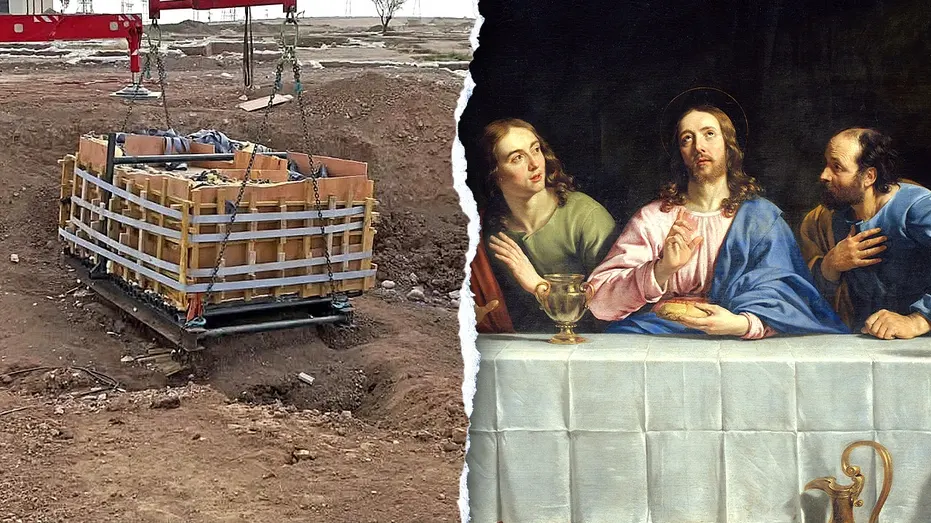
在将一枚与彼拉多相关的古戒指重新解读后,人们对耶稣受难的记载有了新认识。官方发布的照片显示,一台大型起重机正将重达25吨的米克veh完整地从考古遗址中吊起。米克veh,即犹太仪式浴池,传统上用于净化仪式。
JESUS' CRUCIFIXION ACCOUNT GETS FRESH LOOK AFTER ANCIENT RING TIED TO PILATE IS REINTERPRETED Pictures released by officials show a massive crane lifting the 25-ton mikveh intact from the archaeological site. Mikvehs, or Jewish ritual baths, are traditionally used for purification.
这座浴池的年代大致与耶稣基督的生平及传道时期相符。作为生活在第二圣殿时期的犹太人,耶稣很可能使用过米克veh,尽管《圣经》并未明确提及这一点。
The bath dates roughly to the time of the life and ministry of Jesus Christ, who, as a Jew living during the Second Temple period, likely used mikvehs, though Scripture does not explicitly say that he did.
据官方称,这座米克veh证明,此前学者们并不知晓的第二圣殿时期犹太聚落曾存在于该地区。
The mikveh is evidence that a Second Temple-period Jewish settlement, previously unknown to scholars, once existed in the area, according to officials.
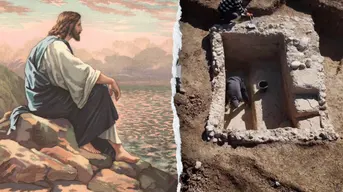
一名学生的意外发现揭示了耶稣加利利传道时期的一处罕见微小石制器物。官方还指出,此次发掘出土了石制量器,这些量器在第二圣殿时期被广泛使用,因为根据犹太律法,它们不被视为容易沾染仪式性污秽的物品。这座古代建筑最终预计将回归到它被发现的那个社区。
JESUS’ GALILEE MINISTRY SITE REVEALS RARE, TINY STONE AFTER STUDENT'S SURPRISING FIND Officials also noted that the excavation uncovered stone measuring vessels, which were widely used during the Second Temple period because, under Jewish law, they were not considered susceptible to ritual impurity. The ancient structure is eventually expected to return to the community where it was found.
以色列文物局在一份声明中表示:“此次行动旨在保护这座古代建筑,避免其在周边区域开发过程中受到损坏。”
"The operation was carried out with the aim of protecting the ancient structure from damage during the neighborhood's development work," the IAA said in a statement.
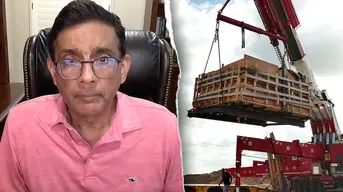
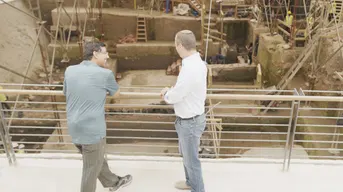
考古学家发掘出与尼西亚公会议相关的秘密教堂——基督教发展史上的决定性时刻。“施工完成后,mikveh(犹太洁浴池)将被重新安置于此,并融入一个开放式的公共空间,成为新社区的核心。”据向福克斯新闻数字版讲述此次发现的作家、评论员兼基督教护教者迪内什·D·苏扎称,这一发现有助于让《圣经》中的世界变得生动起来。
ARCHAEOLOGISTS UNEARTH SECRET CHURCH TIED TO COUNCIL OF NICAEA, CHRISTIANITY'S DEFINING MOMENT "When construction is completed, the mikveh will be returned to the site, and integrated into an open public space that will stand at the heart of the new neighborhood." The discovery helps bring the biblical world to life, according to Dinesh D'Souza, an author, commentator and Christian apologist who spoke to Fox News Digital about the find.
“这相当令人惊叹,因为我见过这些仪式浴池,也就是mikveh,”苏扎说。“它们通常都相当小。”
"It’s quite remarkable because I’ve seen these ritual baths, these mikveh[s]," D'Souza said. "They’re usually pretty small."
他补充道:“这让我们能够形成一幅生动的画面。从某种意义上说,它让《旧约》和《新约》都变得鲜活起来,因为这个mikveh反映了耶稣时代前后的历史背景。”
He added, "It gives you a vivid picture. In some ways, it brings the Bible to life, both the Old Testament and the New, because this mikveh reflects the times right around the time of Jesus."
点击此处……他还说:“这证实、描绘并阐明了《圣经》所描述的世界。这正是《圣经》考古学所能实现的事情之一:它能够验证《圣经》的历史真实性——不是其神学内容,也不是奇迹,而是其历史真实性。”苏扎的新书《石头在呼喊》以及同名纪录片,正是他长期研究《圣经》考古学的成果。他将西罗亚池作为具有《圣经》关联的古代仪式浴池的重要范例。
He added, "This is confirming, describing, illuminating the world of the Bible. That’s one of the things that biblical archaeology can do. It can authenticate the historicity of the Bible — not the theology, not the miracles, but the historicity of it." D’Souza's new book, "The Stones Cry Out," as well as his documentary of the same name, were the result of extensive research into biblical archaeology. He pointed to the Pool of Siloam as a significant example of an ancient ritual bath with biblical connections.
“西罗亚池通过朝圣之路与圣殿相连,而耶稣几乎可以肯定曾走过这条路,”苏扎说。
"The Pool of Siloam connects to the temple by the Pilgrimage Road, a road on which almost certainly Jesus walked," D'Souza said.
点击此处查看更多生活方式新闻。“作为一名信徒,站在这里,观察这些遗迹,沿着朝圣之路行走,确实令人震撼,因为从某种意义上说,你正以一种非常具象化的方式,与这些来自远古时代的深刻历史遗存建立联系。”苏扎表示,他认为《圣经》考古学的意义远不止于揭示古代以色列的历史。
CLICK HERE FOR MORE LIFESTYLE NEWS "For me as a believer, it is chilling to sort of stand in these locations, observe them, walk the Pilgrimage Road, because in a sense you are connecting in a very experiential way with these profound artifacts of ancient times." D'Souza said he sees a broader significance in biblical archaeology beyond what such discoveries reveal about ancient Israel.
“西方文明和美国都建立在雅典和耶路撒冷这两大支柱之上,”他说。“在我看来,耶路撒冷的考古发现正印证了耶路撒冷作为雅典与耶路撒冷两大支柱之一的地位。”
"Western civilization and America are based on the sort of anchors or twin pillars of Athens and Jerusalem," he said. "To me, the archaeology of Jerusalem is supporting that Jerusalem pillar of Athens and Jerusalem."
“换言之,这不仅对以色列具有重要意义,对整个西方文明,尤其是对美国也同样重要。”
"In other words, there is a relevance not just to Israel, but to Western civilization as a whole and specifically to America."