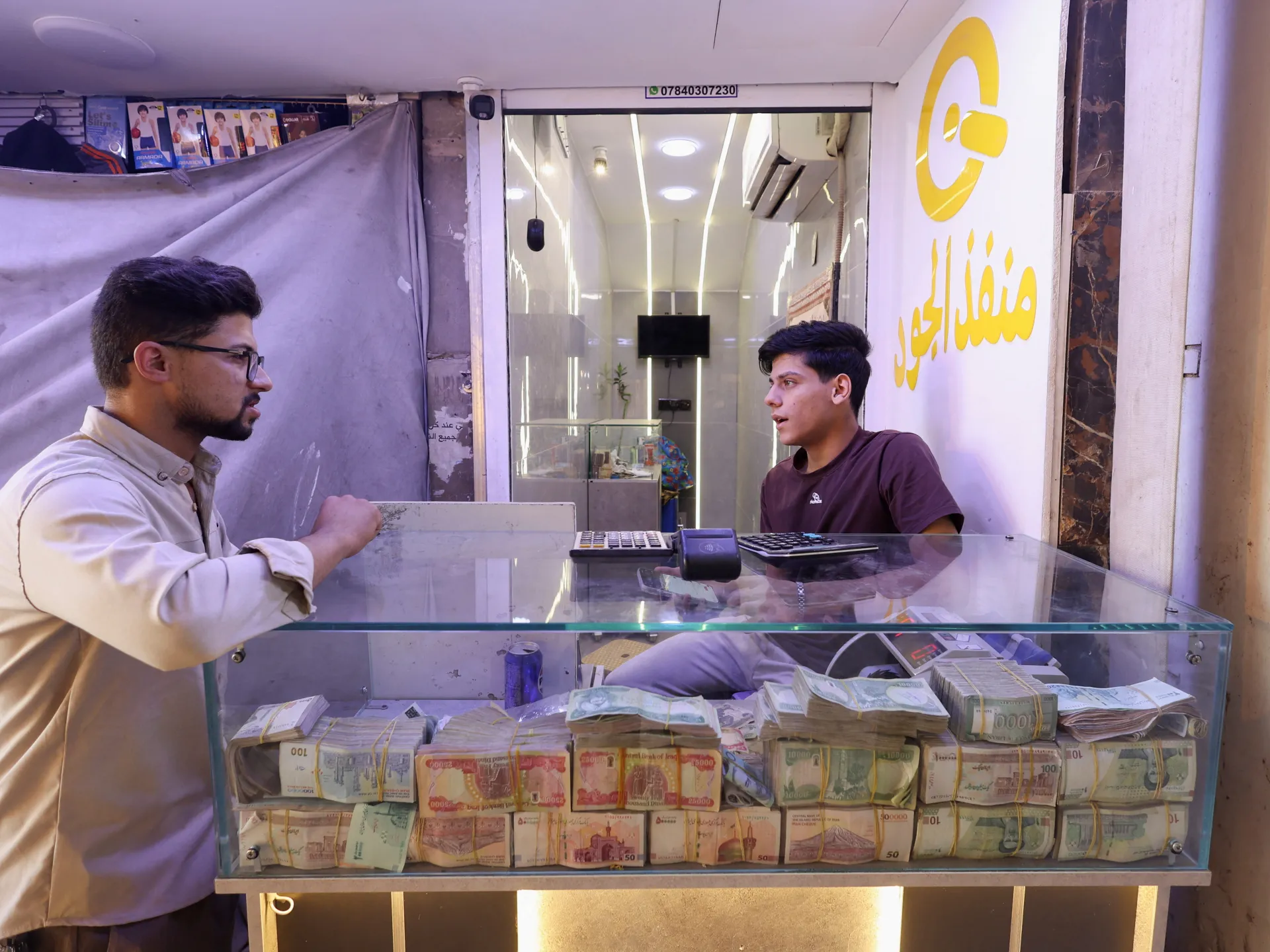
伊拉克再次贬值其本国货币,推翻了前政府加强伊拉克第纳尔的决定,并引发议会要求撤销该决定的呼声。
Iraq has devalued its national currency again, undoing the previous government’s move to strengthen the Iraqi dinar and prompting calls in parliament to reverse the decision.
周二,在财政部长法利赫·萨里和伊拉克中央银行(CBI)行长的紧急建议下,内阁批准了第纳尔的新汇率。
The cabinet approved new exchange rates for the dinar on Tuesday, following an emergency recommendation from Finance Minister Falih al-Sari and the governor of the Central Bank of Iraq (CBI).
从周三开始,银行和兑换公司开始以每美元1520第纳尔的价格向公众出售美元,比此前价格高出200第纳尔。
From Wednesday, banks and exchange companies have been selling dollars to the public at 1,520 dinars each, 200 higher than the previous price.
反对这一举措的议员们促使议会原定于周三的会议议程被取消,以便专门对此进行辩论。
MPs who opposed the move had the agenda for Wednesday’s session of parliament cancelled in order to debate it instead.
财政部长和中央银行行长预计将于周四在议会作证,讨论此次货币贬值问题。以下是我们目前了解的情况。为何伊拉克此时要贬值第纳尔?
The finance minister and the central bank governor are due to appear before parliament on Thursday to discuss the devaluation. Here is what we know. Why has Iraq devalued the dinar now?
在实施货币贬值之前,伊拉克政府刚刚通过了2027年度预算。该国计划明年支出217万亿第纳尔(约合1660亿美元),并预计将出现超过40万亿第纳尔(300亿美元)的赤字。
Right before instituting the devaluation, Iraq’s government adopted its annual budget for 2027. It plans to spend 217 trillion dinars (about $166bn) next year, and expects a deficit of more than 40 trillion dinars ($30bn).
这一巨额赤字反映了伊拉克因美国对伊朗发动战争而面临的严峻财政困境。自二月底冲突爆发以来,霍尔木兹海峡的航运活动遭到严重干扰。
The massive shortfall reflects the difficult financial situation Iraq faces as a consequence of the US war on Iran. Since fighting began in late February, shipping through the Strait of Hormuz has been severely disrupted.
伊拉克的石油出口——其中大部分必须经过霍尔木兹海峡才能进入全球市场——在整个战争期间波动不定,一度暴跌90%,仅剩微乎其微的流量。八月份,伊拉克的日石油出口量为234万桶,远低于战前平均360万桶的水平。
Iraq’s oil exports – the majority of which must transit Hormuz to reach global markets – have fluctuated throughout the war, at one point falling by 90 percent to a trickle. In August, they were at 2.34 million barrels a day, far lower than their pre-war average of 3.6 million.
上个月,总理阿里·扎伊迪表示,由于运输中断,该国已损失约600亿美元的石油收入,正“面临前所未有的经济挑战”。
Last month, Prime Minister Ali al-Zaidi said his country was “facing extraordinary economic challenges”, having lost about $60bn in oil revenue as a result of the disruption.
石油收入占伊拉克联邦预算的90%以上。收入损失使得支付国家雇员工资变得更加困难,而伊拉克中央银行的外汇储备也从战前的约1060亿美元降至八月底的大约800亿美元。
Oil revenues pay for more than 90 percent of Iraq’s federal budget. The lost income has made it harder to pay state salaries and the CBI’s foreign currency reserves fell from about $106bn before the war to roughly $80bn by late August.
在接受路透社采访时,伊拉克分析人士穆罕默德·萨法尔指出,这一举措“虽然能让政府用更少的第纳尔换取同等数额的石油美元收入,但也会推高进口成本并削弱民众的购买力”。为何部分议员反对货币贬值?
Speaking to the Reuters news agency, Iraqi analyst Mohammed al-Saffar said the measure “gives the government more dinars for each dollar of oil revenue, but raises import costs and reduces households’ purchasing power”. Why are some MPs opposing devaluation?
伊拉克中央银行将这一决定称为稳定国家财政的“战略性举措”。然而,众多议员则敦促政府撤销该决定,称其将加重伊拉克民众的生活负担。
Iraq’s Central Bank described the decision as a “strategic step” to steady the country’s finances. But many MPs have urged the government to reverse the change, saying it will raise the cost of living for Iraqis.
周三,数十名反对该举措的议员发表联合声明称,他们并未获知这一决定是如何做出的、出于何种原因——伊拉克央行本应在决策前向议会作出说明。
In a joint statement on Wednesday, dozens of MPs opposed to the move said they had not been told how or why the decision came about – and that the CBI should have explained it to parliament before it was taken.
作为发言代表,隶属于伊拉克议会廉政委员会的议员阿齐兹·纳赛尔·沙马里谴责了这一举措,称议员们对此决定感到“十分意外”。他直言道:“如此针对普通民众的做法是错误的。”
Speaking on their behalf, MP Aziz Nasser al-Shammari, who sits on the Iraqi parliament’s integrity body, denounced the move, saying that they had been “surprised” by the decision. “Waging war on the poor like this is wrong,” he declared.
“纳赫杰民族联盟”派别领袖哈桑·阿萨迪也反对这一措施,并提议通过削减非必要开支等替代方式来平衡预算。
Hassan al-Asadi, leader of the al-Nahj National Alliance bloc, rejected the measure and suggested alternative methods to balance the budget, such as cutting unnecessary spending.
议员萨巴·萨迪同样反对借助货币贬值来填补预算缺口。她指责财政部与央行存在财务管理不善的问题,并誓言会将此事提交议会审议。对普通伊拉克民众而言意味着什么?
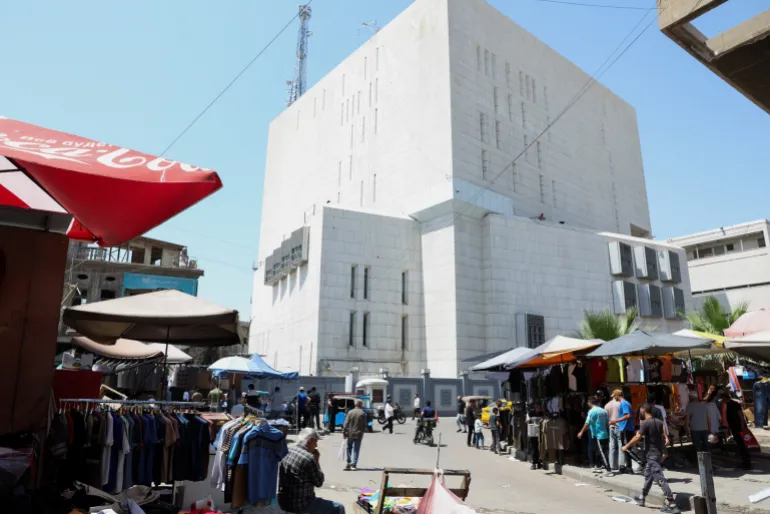
MP Saba al-Saadi was also among those who rejected using a weaker dinar to plug the budget gap. She blamed the Finance Ministry and the CBI for what she called financial mismanagement and vowed to bring the matter before parliament for review. The Central Bank of Iraq [File:Ahmed Saad/ Reuters] What does it mean for ordinary Iraqis?
第纳尔对美元汇率的下跌意味着进口商品对伊拉克民众来说将变得更加昂贵,而该地区局势动荡早已推高了各类物价水平。
A weaker dinar against the dollar means that imports will become more expensive for Iraqis, raising costs that have already been elevated by regional instability.
伊拉克的各类消费品大多依赖进口,从食品、药品到工业原材料均如此。上个月,伊拉克的消费者与企业主向半岛电视台表示,自伊朗战争爆发以来,物价已大幅上涨,同时海上进口也遭遇了延误与中断。
Iraq relies on imports for much of what it consumes, from food and medicines to raw materials for industry. Last month, Iraqi consumers and business owners told Al Jazeera that prices had already risen significantly since the Iran war began, on top of delays and disruption to seaborne imports.
反对派议员批评称,在伊拉克民众已然面临物价上涨、进口费用增加、税收加重、失业率上升以及政府薪资与福利发放延迟的困境时,政府仍推出这一措施。
Opposing MPs criticised the adoption of the measure at a time when Iraqis were already facing rising prices, import fees, taxes, unemployment and delays in government salary and welfare payments.
阿尔-阿萨迪指出,伊拉克国内美元的官方汇率与黑市汇率之间的差距正日益扩大,并警告称这可能“给贫困及弱势群体带来严重伤害”。
Al-Asadi called attention to a growing gap between the official and parallel price of dollars in the country, warning it could “inflict severe harm on the poor and vulnerable”.
自周三新的官方汇率实施以来,黑市上的美元汇率也随之上涨,两者之间的差距进一步拉大。
After the new official rate took effect on Wednesday, the rate of the dollar on the parallel market rose as well, with the gap between them widening.
实际上,大多数伊拉克民众无法以官方汇率购买美元,只能支付黑市价格。
In practice, most Iraqis cannot get dollars at the official rate and pay the parallel market price instead.
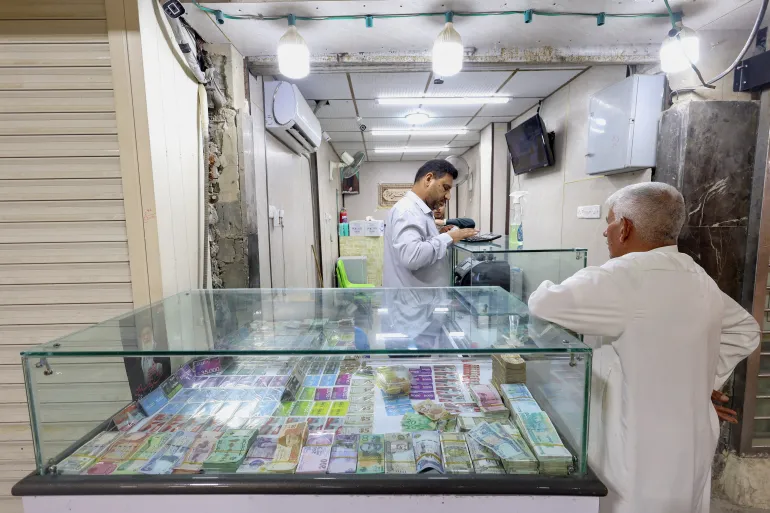
2026年10月7日,纳杰夫的一家货币兑换店内陈列着各种面额的纸币。[阿拉·马尔贾尼/路透社] 伊拉克以前也做过类似的事吗?
Bank notes on display at a currency exchange shop in Najaf, October 7, 2026 [Alaa Al-Marjani/ Reuters] Has Iraq done this before?
确实如此。2020年12月,由于油价暴跌导致政府资金短缺,伊拉克将第纳尔兑美元汇率从约1,182下调至1,450。此前泄露的预算草案中便提及这一举措,同时还计划削减公职人员薪资,引发了广泛抗议。
Yes. In December 2020, Iraq devalued the dinar to 1,450 per dollar from about 1,182, after a crash in oil prices left the government short of cash. leaked draft budget had set out the move alongside salary cuts, prompting an outcry from state employees.
当时,议会财政委员会成员穆罕默德·阿尔-达拉吉表示,汇率下调有助于弥补预算缺口,但也警告称除非政府对贫困家庭提供援助,否则物价将大幅上涨。
At the time, Mohammed al-Daraji, a member of parliament’s finance committee, said the weaker rate would help cover the budget gap but warned of steep price rises unless the government helped poor families.
回顾当年的汇率贬值事件,阿尔-阿萨迪指出,真正从中央银行与私人银行所定汇率差价中获利的其实是私人银行及货币投机者,而非国家。
Recalling that devaluation, al-Asadi said private banks and currency speculators, not the state, had profited from the difference between what the CBI and private banks charged for dollars.
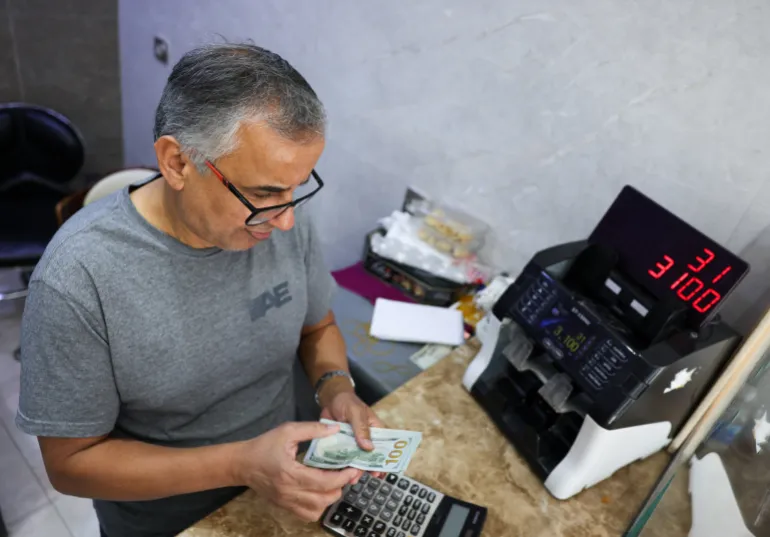
2026年10月7日,巴格达的一家货币兑换店内,工作人员正在清点美元。[艾哈迈德·萨德/路透社] 2023年1月,受美国限制美元流动政策影响,第纳尔兑美元汇率跌至约1,670。时任总理穆罕默德·希亚·苏达尼随即撤换了中央银行行长。此后其政府采取措施稳定第纳尔汇率,将面向公众的官方汇率定为1,320。
Counting US dollars at a currency exchange shop in Baghdad. October 7, 2026 [Ahmed Saad/Reuters] In January 2023, after the dinar slid to about 1,670 per dollar amid US curbs on dollar flows, then-Prime Minister Mohammed Shia al-Sudani replaced the central bank governor His government later strengthened the dinar, setting the rate for the public at 1,320.
周三发表联合声明的议员们还质询道:在前任政府先下调后又上调美元汇率的情况下,普通民众将受到怎样的影响?
The MPs who issued Wednesday’s joint statement also asked how citizens would be affected by the dollar rate being cut under the previous government, only to be raised again.