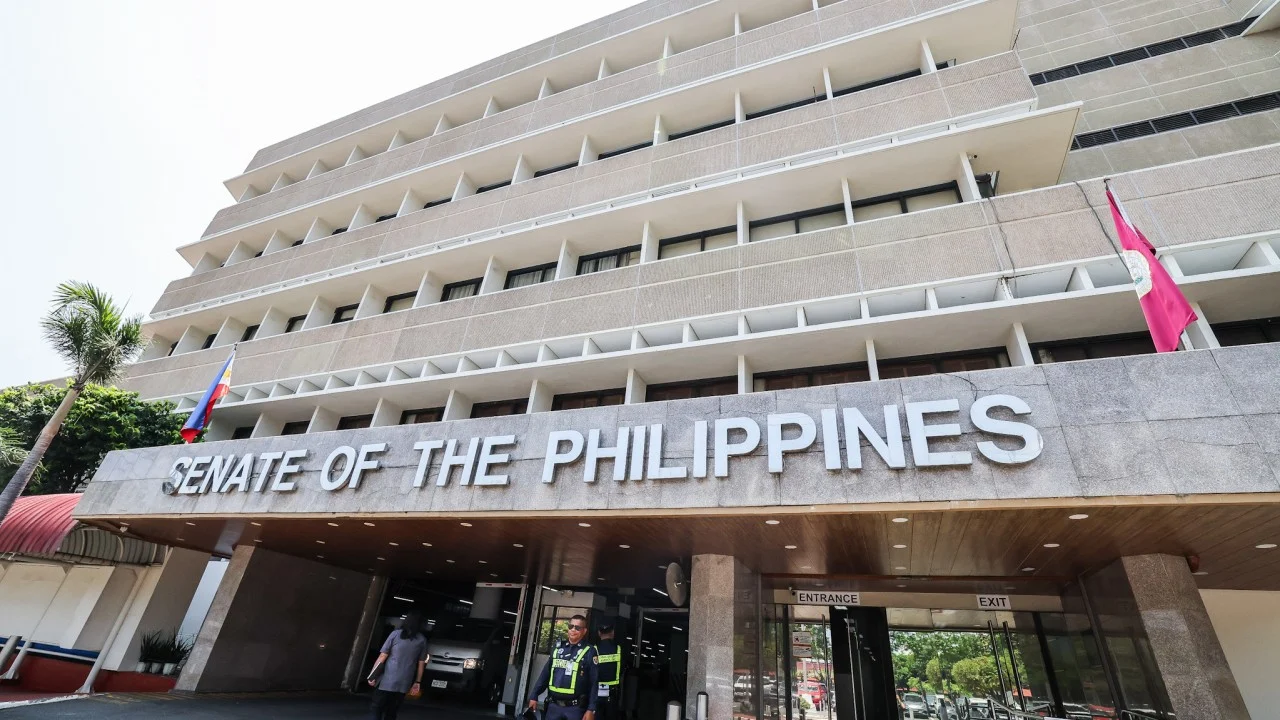
菲律宾一项旨在将该国间谍法扩展至涵盖和平时期活动的法案,引发了记者和法律专家的担忧。他们警告称,该法案宽泛的条款可能会压制言论自由,并限制公众对国家事务的监督。
A Philippine bill expanding the country’s espionage law to cover peacetime activities is raising concerns among journalists and legal experts, who warn that its broad provisions could stifle free expression and restrict public scrutiny of national issues.
众议院于9月17日批准了这项措施,为将间谍行为的定义扩大至现行法律之外铺平了道路。现行法律可追溯至1941年,主要聚焦于战时间谍活动。参议院也正在审议一个类似版本的法案。
The House of Representatives approved the measure on September 17, paving the way for a broader definition of espionage than under the current law, which dates to 1941 and focuses on wartime spying. The Senate is considering a similar version.
参议员潘菲洛·拉克森(Panfilo Lacson)在成为国家警察总长之前曾是一名军事官员,他还起草了备受争议的2020年《反恐怖主义法》。他支持制定这项新法律,认为现行法律未能应对现代和平时期的间谍活动。
Senator Panfilo Lacson, a former military official before becoming the national police chief who also crafted the controversial 2020 Anti-Terrorism Act, has defended the need for the new law, arguing that current statutes did not address modern peacetime espionage.
拉克森在其参议院第33号法案的说明中指出,当局去年逮捕了五名涉嫌间谍活动的人员,其中包括在巴拉望岛使用无人机拍摄军事设施的案件,以及2025年4月一名中国公民在选举委员会办公室附近被捕的事件。据称,该男子携带了一种用于拦截手机通信和追踪位置数据的设备。
Lacson said in an explanatory note for his Senate Bill No 33, which will form the basis of the Senate version, that authorities arrested five people for spying last year, including cases involving aerial drones photographing military facilities on Palawan island, as well as the detention of a Chinese national near the Commission on Elections office in April 2025, allegedly with a device used to intercept mobile phone traffic and track location data.
该拟议法律还将大幅加重处罚。目前,非法拍摄或绘制国防设施的最高刑罚为一年监禁或最高2000比索(约合32美元)的罚款。而拟议的修正案将刑罚提高至无期徒刑且不得假释或减刑,并处以1000万至2000万比索(约合15.9万至31.7万美元)的罚款。
The proposed law would also sharply increase penalties. Unlawfully photographing or sketching defence installations currently carries a maximum penalty of one year in prison or a fine of up to 2,000 pesos (US$32). The proposed amendments would raise the penalty to life imprisonment without parole or good conduct allowances, alongside fines ranging from 10 million to 20 million pesos (US$159,000 to US$317,000).
但批评人士认为,该法案不仅仅是为了更新法律以应对现代间谍形式,还可能赋予政府权力,而这些权力可能被用来压制合法的异议和公众监督。
But critics say the bill does more than merely update the law to deal with modern forms of espionage, potentially giving the state powers that could be weaponised against legitimate dissent and public scrutiny.
代表“青年党”(Kabataan)参选的蕾妮·科(Renee Co)表示,该法案将授权反洗钱委员会不仅调查并冻结涉嫌间谍活动者的资产,还可直接将其没收。
Renee Co, representing the Kabataan (Youth) Party List, said the bill would authorise the Anti-Money Laundering Council to not only investigate and freeze the assets of suspected spies, but to forfeit them outright.
根据现行的《反恐怖主义法》,该委员会可以暂时冻结资产,但在没收程序结束后,仍需法院命令才能正式查封。然而,众议院和参议院起草的间谍法案版本均赋予该委员会直接没收资产的权力。
Under the current Anti-Terrorism Act, the council can temporarily freeze assets but requires a court order to seize them following forfeiture proceedings. However, both the House and Senate draft versions of the espionage bill would grant the council direct forfeiture powers.
“加布里埃拉妇女党”(Gabriela Women’s Party)的莎拉·埃拉戈(Sarah Elago)警告称,这项措施可能为压制合法批评打开大门。
Sarah Elago of the Gabriela Women’s Party warned the measure opened the door to suppressing legitimate criticism.
埃拉戈表示:“该法案还扩大了‘关键基础设施’的定义,将电信、能源和粮食安全纳入间谍活动保护范畴,从而保护私营企业的利益。”她补充说,这“实际上禁止公众对最影响他们生活的行业进行监督”。
“The bill also expands the definition of ‘critical infrastructure’ to shield private corporate interests by including telecommunications, energy and food security under the umbrella of espionage protection,” Elago said, adding that it “effectively bans the public from scrutinising the industries that most affect their lives”.
代表“ACT教师党”(ACT Teachers Party List)的少数派副议长安东尼奥·蒂尼奥(Antonio Tinio)表示,尽管提出修正案的努力值得欢迎,但“我们的核心批评在于,部分定义和覆盖范围仍然过于宽泛……这可能会被用作压制公民言论自由和异议权利的工具,而这一切都是以国家安全为名的”。对新闻业产生“寒蝉效应”菲律宾经济记者协会主席、GMA新闻报记者约翰·泰德·科尔德罗(John Ted Cordero)表示,他个人认为,“这项拟议法律可能会因担心被监禁和处以巨额罚款,而对经济记者的报道产生寒蝉效应”。
Antonio Tinio, deputy minority floor leader representing the ACT Teachers Party List, said that while efforts to introduce amendments were welcome, “our essential critique is that some definitions and the scope of coverage remain so overly broad … that this can be used as an instrument to suppress the fundamental rights of our citizens to free expression – the right to dissent – in the name of national security”. ‘Chilling effect’ on journalism John Ted Cordero, president of the Economic Journalists Association of the Philippines and a reporter for GMA News, said that he personally believed “the proposed law would have a chilling effect on economic journalists’ coverage amid fear of being jailed and slapped with huge fines”.
科尔德罗重点指出参议院版本中的条款,该条款将损害包括银行和金融在内的“关键基础设施”的行为归类为间谍活动。
Cordero highlighted provisions in the Senate version that classified harming “critical infrastructure”, which includes banking and finance, as spying.
“将‘未经授权的’持有机密或敏感国家金融信息的行为定为犯罪——例如泄露的贷款协议、内部财政或债务重组文件以及反洗钱警报——可能会对记者核实、处理和发布此类信息的方式产生负面影响,”科尔德罗说道。
“The criminalisation of ‘unauthorised’ possession of classified or sensitive state financial information – such as leaked loan agreements, internal fiscal or debt restructuring documents and anti-money-laundering alerts – could negatively affect how journalists verify, handle and publish such information,” Cordero said.
他警告称,记者可能仅仅因为持有敏感金融文件的实体或数字副本而面临间谍罪指控,无论其目的是否是为了公共利益报道。
He warned that reporters could face espionage charges simply for possessing physical or digital copies of sensitive financial documents, regardless of whether the intent was for public interest reporting.
“新闻机构最终可能会因恐惧而拒绝刊登基于泄露文件撰写的关于公共债务或主权风险的深度报道,”他补充道。“这可能会使有关国家财政状况的报道沦为国家新闻稿的被动传播工具……并损害市场透明度,因为投资者依赖自由媒体来评估国家真实的财政健康状况。”《商业世界报》退休出版人兼自由媒体倡导者韦尔赫尔·桑托斯表示,他认为菲律宾仍有足够的法律保护来保障媒体自由。
“News outlets might ultimately refuse to run critical scoops based on leaked documents about public debt [or] sovereign risks out of fear,” he added. “This could turn reports on the financial situation of the country into passive amplifiers of state press releases … [and] damage market transparency as investors rely on the free press to gauge the true fiscal health of the country.”Vergel Santos, a retired publisher of BusinessWorld and free press advocate, said he felt there were still enough legal protections to guarantee freedom of the media in the Philippines.
“当然,由于对各种‘假想敌’高度警惕,像拉克森这样的人倾向于采取极端保守的措施,这可能导致压制——这就是为什么他总希望加重条款和处罚,”桑托斯说。“严苛的《恐怖主义法》就是一个例子。”菲律宾大学刑法教授巴里·古铁雷斯区分了这两个版本,他表示自己对众议院提出的法案不太担心,认为该法案主要只是对1941年法律的更新。
“Of course, being oriented to all sorts of bogeymen, the likes of Lacson are inclined towards ultraconservative measures that can lead to repression – that’s why he always wants stiffer terms and penalties,” Santos said. “The draconian Terrorism Act is an example.”Barry Gutierrez, a criminal law professor at the University of the Philippines, distinguished between the two versions, saying he was less concerned about the House bill, viewing it mainly as an update to the 1941 law.
他说,两个版本中的大多数条款只是重申了现有的法律框架,例如《修订刑法典》中关于法律域外适用的规定,以及不忠条款严格限于公务员的规定。
Most provisions in both versions simply restated existing legal frameworks, he said, such as the extraterritorial application of the law under the Revised Penal Code and that disloyalty provisions were strictly confined to public employees.
但古铁雷斯警告称,参议院草案中的定义“存在极其严重的问题”,并指出该草案扩大了“不忠行为或言论”的适用范围,将其适用于“任何人”,而不仅仅是公职人员。
But Gutierrez warned that the Senate draft contained “extremely problematic” definitions, highlighting its expanded use of “disloyal acts or words” to apply to “any person”, not simply public employees.
“因此,这是一项必须接受最高程度审查的言论自由法规,因为它可能使任何批评政府的人因‘不忠’而面临法律责任,”他说。
“This is therefore a free speech regulation that must be subjected to the highest degree of scrutiny, as it potentially exposes any person who may express criticism of the government to liability for ‘disloyalty’,” he said.
古铁雷斯还表示,“干涉”的定义同样涵盖“任何人”,其范围之广甚至足以对普通的政治评论进行惩罚。
The definition of “interference” similarly covered “any person”, Gutierrez said, and was broad enough to penalise ordinary political commentary.
他补充道,参议院版本“明显存在过度宽泛适用以及滥用法律压制批评者和媒体的风险”。
The Senate version “has the clear potential for overbroad application and abuse of the law to clamp down on critics and the media”, he added.