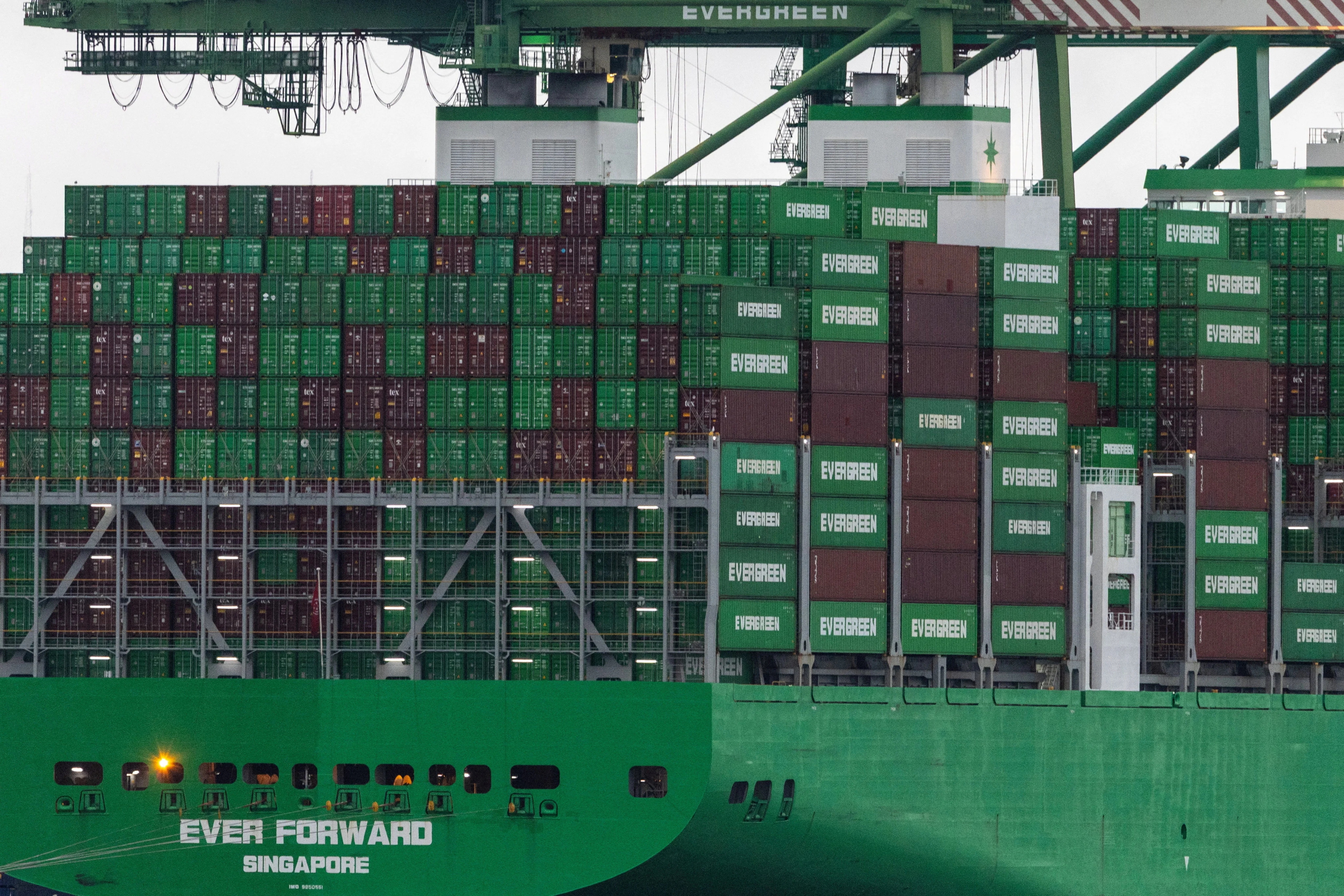
世界贸易组织(WTO)在周四发布的全球贸易展望报告中表示,由于人工智能相关资本投资激增强于预期,该组织将今年商品贸易量增长预测较此前预测值近乎翻倍。该组织将预测值从早先的1.9%上调至3.9%。
The World Trade Organization (WTO) has nearly doubled its forecast for merchandise trade volume growth this year amid a stronger than anticipated surge in artificial intelligence-related capital investment. The group raised the forecast to 3.9 per cent from an earlier prediction of 1.9 per cent, it said in its global trade outlook report published on Thursday.
WTO首席经济学家罗伯特·斯泰格表示:“商品贸易增长对所有正在发生的冲击表现出如此强的韧性,这多少令人感到意外。”
“It is somewhat surprising that [merchandise trade growth] is so resilient to all the shocks that have been going on,” said WTO chief economist Robert Staiger.
除了加速的AI投资热潮外,贸易对中东冲突的韧性也支撑了这一扩张,因为供应被转移,新供应商介入帮助全球经济缓解了贸易的下行压力。
Besides the accelerating AI investment boom, the expansion was also supported by trade resilience to the Middle East conflict as supplies were diverted and new suppliers stepped in to help the global economy mitigate downward pressure on trade, he said.
与此同时,WTO将今年服务贸易量增长预测从4.8%下调至3.3%,理由是旅游业低迷,以及冲突导致的全球燃料投入成本上升。
Meanwhile, the WTO lowered its forecast for growth in services trade volume this year to 3.3 per cent from 4.8 per cent, citing depressed travel and tourism, as well as higher global fuel input costs stemming from the conflict.
根据报告,待战争“及时解决”,2027年商品和服务贸易量预计将分别增长4.1%和6.4%。
In 2027, trade volumes in merchandise and services were expected to grow by 4.1 per cent and 6.4 per cent, respectively, pending “a timely resolution” of the war, according to the report.
报告称,尽管AI赋能商品在世界贸易中占比不足15%,但按价值计算,2026年上半年全球商品贸易增长中有47%来自该类商品,抵消了石油、天然气和化肥出货量的下降。
While making up less than 15 per cent of world trade, AI-enabling goods accounted for 47 per cent of the growth in global merchandise trade, in value terms, in the first half of 2026, offsetting declining shipments of oil, natural gas and fertiliser, the report said.
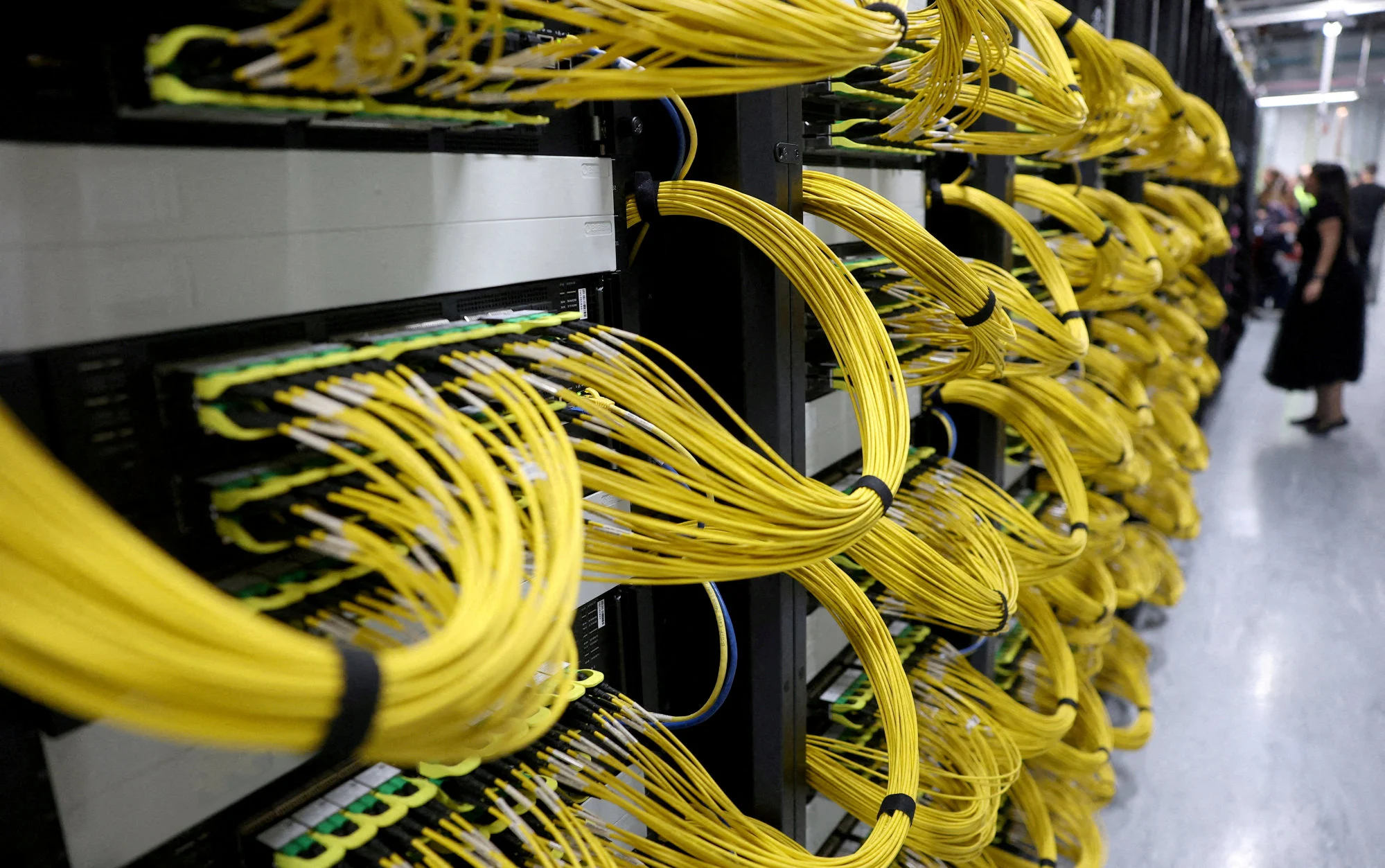
AI赋能类别涵盖范围广泛,从用于电路板的原材料到成品芯片和系统,以及数据中心所需的电力和冷却设备等。
The AI-enabling category includes a broad range of items, from raw materials that go into circuit boards to finished chips and systems, as well as data-centre needs such as power and cooling equipment.
此类商品的出口由东亚(不含中国)主导,2025年占总出口价值的40.4%,其次是东南亚的23.2%。中国、北美和欧洲分别占13.6%、11.5%和10.6%。
Export of such goods is dominated by East Asia excluding China, which represented 40.4 per cent of total export value in 2025, followed by Southeast Asia at 23.2 per cent. China, North America and Europe accounted for 13.6 per cent, 11.5 per cent and 10.6 per cent, respectively.
除中国外的东亚地区在人工智能相关产品的进口方面也位居首位,所占份额达27.4%;中国与北美地区分别位列第二、第三位,占比分别为20.1%和19.9%。欧洲的占比则为12.3%。
East Asia excluding China also held the top spot for imports of AI-enabling goods at 27.4 per cent, with China and North America in second and third place with 20.1 per cent and 19.9 per cent, respectively. Europe’s share was 12.3 per cent.
报告指出,随着中国国内相关产品的生产能力不断提升,2015年至2025年间,中国在人工智能相关产品进口方面的份额出现下降。
China’s share of AI-enabling goods imports fell between 2015 and 2025 as the country’s domestic production of the relevant items grew, according to the report.
据施泰格介绍,排名前十的经济体占据了人工智能相关产品贸易总量的约80%,这一领域的增长是否具有韧性尚存疑问;不过他也指出,目前该领域的贸易尚未出现放缓迹象。
With the top 10 economies representing roughly 80 per cent of all trade in AI-enabling goods, the resilience of the category’s growth was an open question, according to Staiger, though he added that the trade showed no signs of slowing down yet.
“我认为确实存在值得担忧的因素;即便称不上担忧,至少人们会希望确保人工智能热潮不会掩盖其他潜在问题,”他说道。
“I think there is a valid concern, or if not concern, at least a thought that one would want to make sure that the AI boom is not going to drive other concerns under the rug, so to speak,” he said.
“由于该领域的界定范围在行业及地域层面都较为狭窄,它往往会掩盖整体数据所反映的情况……也会掩盖某些地区正在发生的切实变化。”报告还指出了其他风险,包括中美“脱钩”进程不断加速——世贸组织称这已成为各经济集团出现分化的主要驱动力;不过以经济集团为单位的碎片化趋势并未进一步加剧。
“And given that it is narrowly defined in terms of both its sector and also regions, it does tend to mask the headline numbers … to mask the very real disruptions that are occurring in certain regions.”The report also identified other risks, including the accelerating US-China decoupling, which the WTO said had become the main driver of bloc divergence, while the broader pattern of bloc-based fragmentation had not continued to intensify.
在主要经济体间的贸易摩擦日益增多的背景下,施泰格还强调了世贸组织的重要价值以及基于规则的贸易体系的韧性。
Amid growing trade frictions among major economies, Staiger also made a case for the WTO’s continued utility and the resilience of the rule-based system.
他提到,1989年在达沃斯论坛上,麻省理工学院经济学家莱斯特·瑟罗曾宣称世贸组织的前身《关税与贸易总协定》已经“寿终正寝”;但几年后世贸组织正式成立,这一论断便不攻自破,施泰格说道。
He cited MIT economist Lester Thurow’s famous declaration in Davos in 1989 that The General Agreement on Tariffs and Trade – the WTO’s predecessor – was dead. The pronouncement was contradicted several years later when the WTO was founded, Staiger said.
“过去人们常认为基于规则的贸易体系已奄奄一息,但它却持续发挥着作用,”他说道。“这些基本原则具有某种超越时代的经济意义,能够帮助各国解决国际贸易政策层面的各类问题。”
“There was often a view that the rules-based system was on its last leg, and yet it continues,” he said. “Those basic principles do have an economic line that is, in some sense, timeless, to help economies solve problems that they have in the international arena on trade policy.”