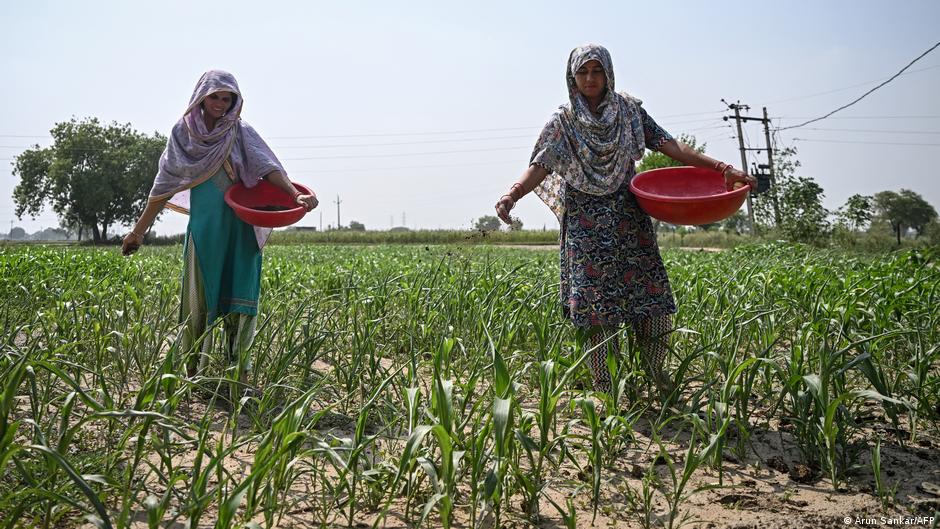
穆拉利·克里希南 2026年10月8日 季风降雨量不足正冲击着农民、水资源以及印度的电力系统,同时也引发了人们对日益不稳定的降雨及其经济代价的广泛担忧。
Murali Krishnan October 8, 2026 A weak monsoon is hitting farmers, water supplies and India's power system, while raising wider questions about increasingly erratic rainfall and its economic costs.
季风降雨不足带来的经济影响可能远超农业范畴。44岁的拉梅什·雷迪在6月将自己全部身家投入了3.5英亩的番茄种植园。这位来自卡纳塔克邦南部科拉尔地区的农民投资了32万卢比(约合3000欧元、3357美元),其中25万卢比是以每年24%的利率借来的,并以妻子的结婚首饰作为抵押。
The economic impact of a poor monsoon can extend well beyond agriculture Ramesh Reddy, 44, put everything he had into his 3.5 acres of tomato farm in June. The farmer from Kolar district in southern Karnataka state invested 320,000 rupees (€3,000, $3,357), borrowing 250,000 rupees at 24% annual interest and pledging his wife's wedding jewelry as collateral.
本应通过收成偿还贷款并支付儿子拖欠的学费。然而,他的灌溉井却干涸了。不到三周,作物便变黄枯萎,他连一箱番茄都未能挽救。
The harvest was meant to repay the loan and cover his son's overdue college fees. Then his irrigation well ran dry. Within three weeks, the plants had turned brown and he could not salvage a single crate.
“我投入的一切全都赔光了,”雷迪告诉德国之声(DW),“我已经没有钱种下一季作物了,也不知道该怎么还贷款。”如今,他正在邦首府班加罗尔寻找保安工作,准备彻底离开自己的农田。
"I have lost everything I invested," Reddy told DW. "I have no money left for the next crop and I don't know how I will repay the loan." He is now negotiating for a job as a security guard in the state capital, Bengaluru, preparing to leave his farmland behind.
过去11年来最干旱的季风季 对印度而言,季风远不止是持续四个月的雨季。它补充水库、支撑农业,并维系着全国大部分地区的水资源和电力供应。
Driest monsoon in 11 years India, the monsoon is more than just a four-month rainy season. It replenishes reservoirs, supports agriculture and helps sustain water supplies and power generation across much of the country.
更重要的是,印度近一半的劳动力依赖农业谋生,从事着既辛苦又缺乏经济保障的工作。
More importantly, nearly half of India's workforce depends on farming for their livelihood, doing jobs that are both tough and economically insecure.
今年6月至9月期间,印度全国降雨量为759.4毫米,远低于长期平均的868.6毫米。这一12.6%的降雨缺口使其成为该国过去11年来最干旱的季风季,也是本世纪第四干旱的季风季。
This time, the country received 759.4 millimeters of rain between June and September, against a long-term average of 868.6 millimeters. The 12.6% deficit made it the country's driest monsoon in 11 years and the fourth driest this century.
季风为水库补水,支撑农业,并有助于维持印度大部分地区的水资源和电力供应。气候科学家、前地球科学部秘书马达万·奈尔·拉吉万表示,季风表现不佳的主要原因是严重的厄尔尼诺现象。他此前曾警告称,这一现象对降雨构成严重风险。
The monsoon replenishes reservoirs, supports agriculture and helps sustain water supplies and power generation across much of India Madhavan Nair Rajeevan, a climate scientist and former secretary in the Ministry of Earth Sciences, said the main factor behind the poor monsoon was a severe El Nino He had warned earlier that it posed a serious risk to rainfall.
“就印度季风而言,厄尔尼诺是最重要的影响因素,我们必须对此予以高度重视,”拉吉万接受德国之声(DW)采访时表示。
"As far as the Indian monsoon is concerned, El Nino is the most important influencing factor, which we should consider very seriously,” Rajeevan told DW.
水资源和电力面临压力。目前,其影响正冲击着印度的水电系统。该国主要水库在季风结束后储水量低于往年,导致农民和电力部门在未来几个月可用的缓冲资源减少。
Water and power under pressure The effects are now hitting India's water and energy systems. The country's major reservoirs ended the monsoon with less water than usual, leaving both farmers and the power sector with less of a buffer going into the months ahead.
中央水利委员会监测的178座水库总蓄水量为1327亿立方米,低于过去10年的平均水平1511亿立方米。
Combined storage in the 178 reservoirs monitored by the Central Water Commission stood at 132.7 billion cubic meters, below the 10-year average of 151.1 billion cubic meters.
这一短缺已经反映在电力生产上。根据印度电网公司(Grid India)的数据,9月份水力发电量较上年同期下降近16%。与此同时,电力短缺达到5.6亿千瓦时,为三年多以来最高的月度短缺量。日落之后,太阳能发电量下降,电网弥补缺口的选择也变得更加有限。
That shortfall is already being felt in electricity generation. Hydropower output fell nearly 16% in September from a year earlier, according to Grid India data. At the same time, electricity shortages reached 560 million kilowatt-hours, the highest monthly shortfall in more than three years. After sunset, when solar generation drops off, the grid has fewer options to make up the difference.
因此,燃煤发电厂不得不承担更多负荷,但它们自身也面临问题。中央电力局的数据显示,约40%的燃煤发电厂库存处于极低水平,储备量不足所需水平的四分之一。
Coal-fired plants have therefore had to shoulder more of the load, but they face a problem of their own. Data from the Central Electricity Authority showed that around 40% of coal-fired plants had critically low stocks, with supplies below a quarter of the required level.
政府已命令部分私营工业发电厂满负荷运行,并将多余的电力输送至电网。制造商已经感受到了这种压力。
The government has ordered some private industrial power plants to operate at full capacity and feed surplus electricity into the grid. Manufacturers are already feeling the strain.
“不间断的电力供应对制造企业至关重要,因为停电会扰乱生产周期,”莫哈利工业协会主席阿肖克·古普塔表示。该协会代表了近600家中小制造商。
"Uninterrupted power supply is of paramount importance for manufacturing units, as power cuts disrupt production cycles," said Ashok Gupta, president of the Mohali Industries Association, which represents nearly 600 small and medium-sized manufacturers.
“此类中断不仅会给制造商带来损失,还会导致原材料浪费。”德里的新一代城市农业 要观看此视频,以及 对农村收入的冲击 季风降雨不足带来的经济影响可能远远超出农业领域。农业产量下降可能打击农村收入、就业和消费,而食品价格上涨则会进一步给家庭预算带来压力。
"Such disruptions not only cause losses to manufacturers but also result in wastage of raw materials." Urban farming for a new generation in Delhi To view this video , and A hit to rural incomes The economic impact of a poor monsoon can extend well beyond agriculture. Weaker farm output can hit rural incomes, employment and consumption, while higher food prices put further pressure on household budgets.
经济学退休教授阿伦·库马尔表示,其影响可能比表面经济数据所显示的更为广泛,尤其是因为印度农村经济的大部分活动都发生在非正规部门之外。
Arun Kumar, a retired professor of economics, said the effects could be wider than the headline economic numbers suggest, particularly because much of India's rural economy operates outside the formal sector.
“经济发展需要通过更广泛的指标进行评估,”库马尔对德国之声表示。他说,农业产量下降可能导致食品价格上涨,同时给收入和消费带来压力。
"Economic development needs to be assessed through a wider set of indicators," Kumar told DW. He said weaker agricultural output could push up food prices while putting pressure on incomes and consumption.
德里贾瓦哈拉尔·尼赫鲁大学的发展经济学家希曼舒将这一情况描述为农村家庭的“双重冲击”:农业收入下降的同时,食品价格却在上涨。
Himanshu, a development economist at Delhi's Jawaharlal Nehru University, described the situation as a "twin shock" for rural households, with weaker farm incomes coming alongside higher food prices.
“当农业收入下降而食品价格上涨时,农村家庭的购买力就会受到挤压,”他告诉德国之声。
"When agricultural incomes fall and food prices rise, rural households face a squeeze on their purchasing power," he told DW.
这位经济学家表示,降雨分布不均可能会使问题更加严重,一些农业地区的损失将远超全国降雨数据所显示的程度。“对农村消费的影响也可能十分显著,因为收入下降、食品成本上涨的家庭可用于购买其他商品和服务的钱会减少。”随着气候变暖,前景越来越难以预测。城市家庭也感受到了这种压力。印度中央银行9月份的一项调查显示,由于食品和燃料价格持续影响民众情绪,家庭普遍预计通货膨胀将会上升。
The economist said the uneven distribution of rainfall could compound the problem, with some farming regions suffering much heavier losses than the national rainfall figure indicates. "The impact on rural consumption could also be significant, as households facing lower incomes and higher food costs have less money to spend on other goods and services." Outlook increasingly difficult to predict as climate warms The pressure is also being felt in urban households. A survey in September by India's central bank found that households were expecting inflation to rise as food and fuel prices increasingly affected sentiment.
蔬菜园如何滋养社区与心灵新德里的家庭主妇苏妮塔·夏尔马表示,她平时的购物清单如今比几个月前多花了几百卢比。
How vegetable gardens feed communities and minds Sunita Sharma, a homemaker in New Delhi, said her usual shopping list now costs hundreds of rupees more than it did a few months ago.
夏尔马对德国之声(DW)表示:“为了负担基本的日常餐食,我们别无选择,只能削减非必需开支。”
"We have no option but to cut down on discretionary expenses just to afford basic, everyday meals," Sharma told DW.
近期一些主食的价格大幅上涨。ISignal利用消费者事务部数据进行的一项分析发现,9月份洋葱的价格比一年前高出93%,糖价上涨28%,大米价格则上涨约8%。
The prices of some staples have risen sharply recently. An analysis by ISignal using Department of Consumer Affairs data found that onions were 93% more expensive in September than a year earlier, while sugar prices rose 28% and rice about 8%.
接下来的考验将是拉比季作物,也就是冬季作物。农民们目前正准备种植小麦、芥菜和鹰嘴豆,但收成能否成功,很大程度上取决于季风降雨量不足后土壤中还能保留多少水分。拉吉万表示,随着气候变暖,长期前景也变得越来越难以预测。
The next test will be the rabi, or winter, crop. Farmers are now preparing to plant wheat, mustard and chickpeas, but success will depend largely on how much moisture remains in the soil after the weak monsoon. Rajeevan said the longer-term outlook was also becoming increasingly difficult to predict as the climate warms.
他说:“在气候变暖的背景下,更长的干旱期和更大的降雨波动性都可能出现。未来,除了厄尔尼诺事件的影响外,我们还应考虑到更温暖气候带来的影响。”来自卡纳塔克邦的农民雷迪目前正等待班加罗尔安保工作的结果,同时准备离开自己的农场。编辑:斯里尼瓦斯·马宗达鲁
"In a warming climate, longer dry spells and greater rainfall variability is a possibility," he said. "In future, in addition to the influence of El Nino events, we should expect the influence of a warmer climate." Reddy, the farmer in Karnataka state, is now waiting to hear whether he has got the security job in Bengaluru, and preparing to leave his farm behind.