AI或许可以构建在软件之中,但其规模化发展正逐渐演变为一个现实世界中的物理问题。每一个新模型、新智能体以及新的AI应用都需要一个运行环境,以及将它们全部连接起来的基础设施。
AI may be built in software, but scaling it is becoming a physical-world problem. Every new model, agent, and AI application needs somewhere to run, and an infrastructure connecting them all.
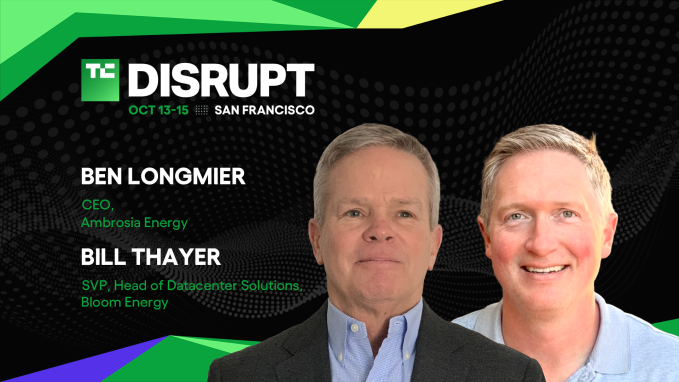
在TechCrunch Disrupt 2026大会上,Ambrosia Energy首席执行官Ben Longmier与Bloom Energy数据中心解决方案高级副总裁兼负责人Bill Thayer将齐聚“智能系统”舞台,围绕“AI基础设施热潮正在创造哪些赢家”展开对话。本场行业舞台会议将探讨哪些限制因素正在催生可持续的商业机遇,哪些新类别正在逐渐浮现,以及随着AI进一步深入物理世界,创业者可以构建出怎样的产品。
TechCrunch Disrupt 2026 Ben Longmier, CEO of Ambrosia Energy, and Bill Thayer, SVP and Head of Datacenter Solutions at Bloom Energy, come together on the Smart Systems Stage for a conversation on “Where the AI Infrastructure Boom Is Creating Winners This industry stage session will examine which constraints are creating durable business opportunities, where new categories are beginning to emerge, and what founders can build as AI moves further into the physical world.
立即获取通行证,即可在10月13日现场涨价前节省高达100美元。购买第二张通行证还可享受五折优惠。
Get your pass now to save up to $100 before rates go up at the door on October 13. Grab a second pass at 50% off.
AI竞赛正在演变为基础设施竞赛。关于AI的讨论大多集中在模型、芯片和应用上,但这些要素都无法孤立运行。AI的规模化发展依赖于不断扩展的物理基础设施:发电、电网连接、数据中心、冷却系统、电气设备,以及维持所有系统正常运转所需的各种设施。
The AI race is becoming an infrastructure race Much of the AI conversation has focused on models, chips, and applications. But none of them operate in isolation. Scaling AI depends on an expanding physical stack: power generation, grid connections, data centers, cooling, electrical equipment, and the systems required to keep everything running.
这带来了一种截然不同的挑战:当计算需求的增长速度超过电力和基础设施的供应能力时,会发生什么?哪些短缺只是暂时性的,哪些可能在未来数年重塑市场?在何种情况下,限制因素会从一个问题转变为独立的市场类别?这些问题正是本场会议将要探讨的核心。
That creates a different kind of challenge. What happens when demand for compute grows faster than power and infrastructure can be delivered? Which shortages are temporary, and which could reshape the market for years? Where does a constraint stop being a problem and start becoming a category of its own? Those are the questions this session will tackle.
Bill Thayer和Ben Longmier不会仅从软件层面看待AI,而是将深入分析其背后的基础设施,以及这些压力可能对创业者、投资者和规划AI下一阶段发展的企业意味着什么。真正的机遇究竟在哪里?
Rather than looking at AI solely through the software layer, Bill Thayer Ben Longmier will examine the infrastructure underneath it — and what those pressures could mean for founders, investors, and companies planning for the next phase of AI growth. Where do the real opportunities sit?
基础设施的爆发带来了机遇,但其收益却很少能均匀分配。真正的挑战在于,识别出哪些环节确实需要新的解决方案,哪些领域的投入可能会持续,以及哪些新兴类别能够支撑起可持续发展的企业,而不仅仅是短期的需求。
Infrastructure booms create opportunity, but the benefits are rarely distributed evenly. The challenge is identifying which parts of the stack genuinely need new solutions, where spending is likely to persist, and which emerging categories can support durable businesses rather than short-term demand.
将能源、数据中心解决方案和市场情报领域的领导者汇聚一堂,有助于从更广阔的视角探讨这一问题。本次讨论将聚焦于当前出现的瓶颈、市场的应对方式,以及随着更多资本流入人工智能基础设施,创始人应重点关注哪些领域。
Bringing together leaders across energy, data center solutions, and market intelligence gives the discussion a wider view of that question. Expect the conversation to explore where constraints are appearing, how the market is responding, and which areas founders should be watching as more capital flows into AI infrastructure.
对创始人而言,这意味着要超越显而易见的人工智能应用本身;对投资者而言,则需要理解基础设施需求可能在哪些领域催生出具有防御性的市场;对科技领导者而言,这则提供了更清晰的视角,帮助他们了解那些日益决定人工智能部署地点和扩展方式的物理系统。
For founders, that means looking beyond the obvious AI application. For investors, it means understanding where infrastructure demand could create defensible markets. For tech leaders, it offers a clearer view of the physical systems increasingly shaping where and how AI can scale.
下一家人工智能公司或许会解决一个现实世界中的问题。人工智能带来的下一个重大机遇,可能根本不像一家传统的人工智能公司。它可能出现在能源、数据中心、冷却技术、电网技术、电气设备、基础设施软件,甚至是一些尚未有明确名称的全新区域。
The next AI company may solve a physical-world problem The next major opportunity created by AI may not look like an AI company at all. It could emerge in energy, data centers, cooling, grid technology, electrical equipment, infrastructure software, or entirely new categories that don’t yet have established names.
这些领域的共同点只有一个:人工智能正在对现实世界产生新的需求,而这些需求亟需解决方案。这也正是本次讨论超越单纯基础设施议题的原因——我们关注的是下一个市场可能在哪里出现,以及谁已经具备进入这些市场的条件。
The common factor is the same: AI is creating new demands on the physical world, and those demands need solutions. That is what makes this session broader than an infrastructure discussion. It’s about understanding where the next markets could emerge — and who is positioned to build for them.
欢迎加入 Ben Longmier 和 Bill Thayer 在“智能系统舞台”的讨论,探索人工智能基础设施热潮正在创造哪些新的机遇。此外,还有 250 多位演讲者将带来 200 多场精彩会议,不容错过。
Join Ben Longmier and Bill Thayer at the Smart Systems Stage and explore where the AI infrastructure boom is creating its next opportunities. Don’t forget about the 250+ speakers leading 200+ sessions.
在太平洋时间 10 月 13 日上午 8 点 Moscone West 会场开放前,预订门票可节省高达 100 美元。携带联合创始人、合作伙伴、同事或同行一同参加,即可享受第二张同类型门票五折优惠。
Save up to $100 before doors open at Moscone West on October 13 at 8 a.m. PT. Bring a co-founder, partner, colleague, or peer and get 50% off a second pass of the same ticket type.