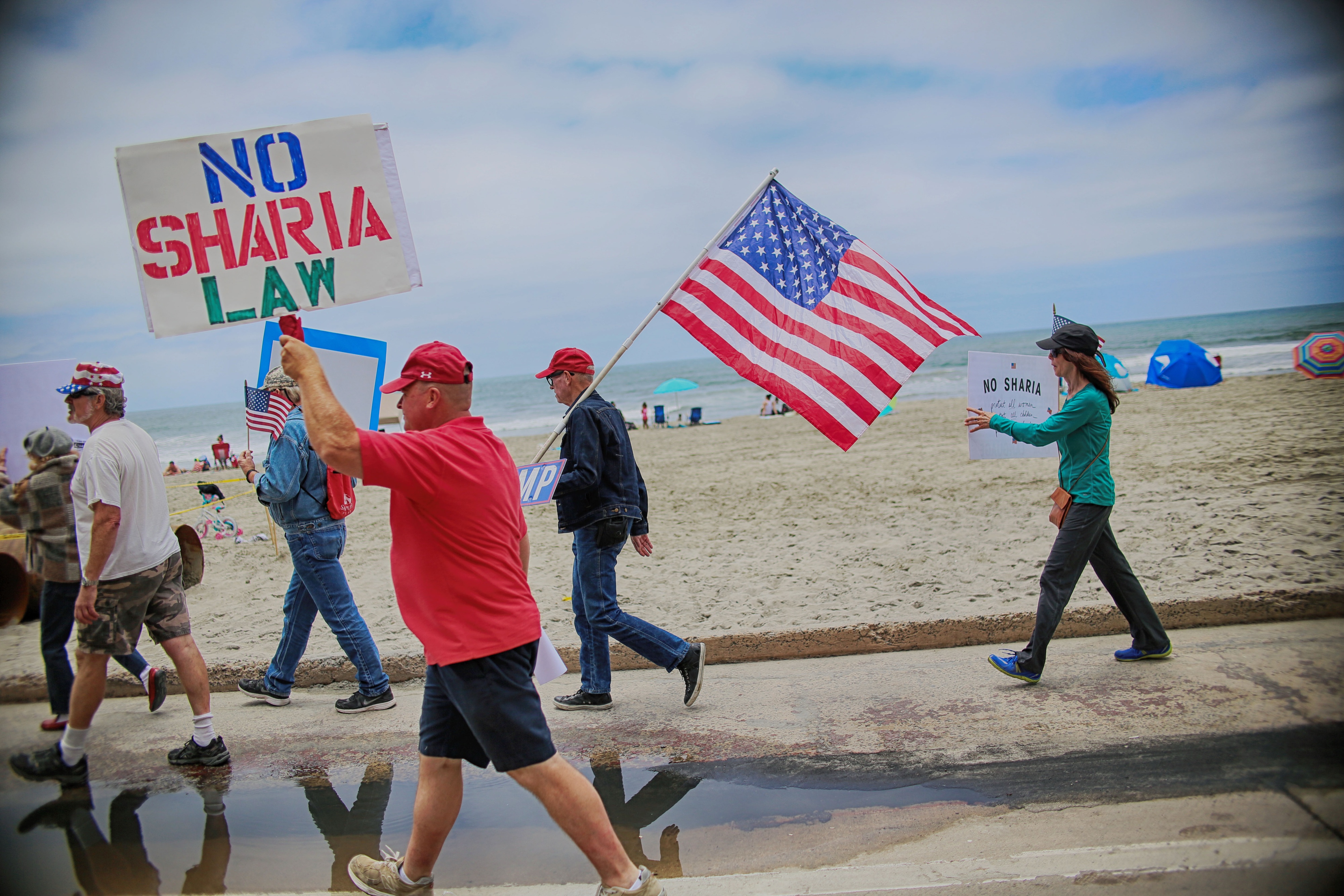
《华盛顿邮报》的一项分析显示,过去两年间,反对伊斯兰教法(沙里亚法)的立法和公众言论大幅激增。
A Washington Post analysis shows a big jump in anti-sharia legislation and public commentary in the past two years.
过去两年里,州议员蒂米·拉德纳(Timmy Ladner)多次提出法案,“旨在禁止在密西西比州法院适用伊斯兰教法”。他计划在下一届立法会期开始时再次尝试推动该法案。
For the past two years, state Rep. Timmy Ladner has put forward bills “to prohibit the application of Sharia in Mississippi courts.”He plans to try again when the next legislative session opens.
这位共和党议员表示,尽管他无法举出任何试图将伊斯兰教规或伊斯兰宗教法律强加于本州法律体系的具体案例,而且他认为根据美国法律,这种情况本就不可能发生,但他仍决定提出这项立法。
The Republican lawmaker says he is proposing the legislation even though he can’t name any examples of people trying to impose an Islamic precept or Islamic religious law on his state’s legal system, and he suspects that wouldn’t be possible under U.S. law, anyway.
“这是一种预防性措施,”拉德纳在谈到他所说的选民对这项法案的推动时说道,“我们希望在其出现之前就将其扼杀。”《华盛顿邮报》的分析发现,过去两年间,类似拉德纳法案的提案在美国数量激增。这一趋势与民意调查的结果相呼应:某些指标显示,反穆斯林情绪几乎是9/11袭击事件刚发生后水平的两倍。此外,与20年前相比,共和党人和民主党人对穆斯林群体的正面态度差距也扩大了一倍。
“It’s preventative maintenance,” Ladner said of what he described as a push from his constituents for the bill. “We want to stop it before it has a chance.”Bills like Ladner’s have soared in number across the United States in the past two years, a Washington Post analysis found. The trend comes as polls show anti-Muslim sentiment by some measures is nearly double what it was just after the 9/11 attacks. Also, compared to 20 years ago, the gap between Republicans and Democrats in how positively they feel toward Muslims has doubled.
《华盛顿邮报》对Legiscan数据的分析显示,2025年和2026年,州及联邦议员提出了至少39项针对伊斯兰教法的法案和决议。其中,六个州的六项措施获得通过,许多提案陷入停滞,还有一些仍在待议中。相比之下,2010年至2024年间,此类提案总数仅为48项。
State and federal lawmakers introduced at least 39 bills and resolutions targeting sharia in 2025 and 2026, The Post’s analysis of data from Legiscan found. Six measures in six states passed, many stalled and some remain pending. In contrast, a total of 48 such proposals were introduced from 2010 to 2024.
《华盛顿邮报》的分析还发现,公众言论中出现了类似的激增现象。2025年和2026年,右翼政治家、评论员和政治意见领袖开始在社交媒体帖子、播客及其他媒体中更频繁地谴责伊斯兰教法。电视新闻网络上的相关提及量也出现了类似增长。《华盛顿邮报》发现,共和党候选人中期选举广告中提及伊斯兰教法的支出超过1400万美元,尤其是在得克萨斯州和俄克拉荷马州的共和党初选期间。
The Post analysis found a similar spike in public rhetoric. In 2025 and 2026, right-wing politicians, pundits and political influencers began decrying sharia much more often in social media posts, podcasts and other media. There was a similar jump in mentions on TV news networks. GOP candidates spent more than $14 million on midterm ads that mention sharia, particularly during Republican primaries in Texas and Oklahoma, The Post found.
在许多情况下,这些立法提案将禁止政府——包括法院、执法机构和移民程序——在违反民法的情况下承认或适用伊斯兰教义。田纳西州众议院共和党人在“打击田纳西州跨国镇压法案”通过后发布的一份新闻稿中称,“新法保护田纳西州居民免受伊斯兰教法(一种限制个人自由和人权的伊斯兰法律体系)的实施。”
The legislative proposals in many cases would bar the government — including courts, law enforcement agencies and immigration processes — from recognizing or applying Islamic precepts in violation of civil law. A Tennessee House GOP press release issued after theg of the “Crush Transnational Repression in Tennessee Act” said “the new law protects Tennesseans from the enforcement of Sharia Law, an Islamic legal system that restricts individual freedoms and human rights.”
安特普利说:“伊斯兰教法不是一本书、一部法典或一套普遍公认的法律。基督徒在做出道德决定之前,可能会询问圣经对他的要求。穆斯林可能会从伊斯兰教法中寻求指导。这对美国宪政秩序构不成威胁。”安特普利表示,伊斯兰教指示穆斯林无论生活在何处,都必须遵守当地的规章和法律。他还指出,一些穆斯林占多数的国家的政府或极端主义运动曾以伊斯兰教的名义颁布了“压迫性法律”。
“Sharia is not one book, one code or one universally agreed upon set of laws,” Antepli said. “A Christian may ask what the Bible requires of him before making an ethical decision. A Muslim may seek guidance from sharia. That is not a threat to the American constitutional order.”Antepli said Islam instructs Muslims to follow the rules and laws of the land wherever they live. He also noted that governments or extremist movements in some Muslim-majority nations have enacted “oppressive laws” in the name of Islam.
安特普利说,尽管这些体制的领导人将这些法律称为伊斯兰教法,但这些体制违背了伊斯兰教关于慈悲和正义的教义。
While the leaders of those systems refer to them as sharia, Antepli said the systems violate Islamic precepts of mercy and justice.
“穆斯林不应否认或淡化这些虐待行为。我们应该正视它们,”他说。
“Muslims should not deny or minimize those abuses. We should confront them,” he said.
《华盛顿邮报》联系的美国议案起草者并未指出任何将伊斯兰法强加于美国民事机构的事件。《华盛顿邮报》联系了21位议案提案人,其中只有4人愿意接受采访。他们中有3人解释其立法努力时,提到了伊玛目激进的网络演讲、中东发生的事件,以及美国穆斯林政治人物(如纽约市长佐赫兰·马姆达尼和密歇根州美国参议院民主党候选人阿卜杜勒·赛义德)的言论。
Authors of the U.S. bills contacted by The Post did not point to any incidents of Islamic law being imposed on U.S. civil institutions. The Post reached out to 21 bill sponsors, only four of whom were willing to be interviewed. Three of them explained their legislative efforts by pointing to fiery online speeches by imams, incidents in the Middle East and comments from Muslim-American politicians like New York Mayor Zohran Mamdani and Michigan U.S. Senate candidate Abdul El-Sayed (D).
美国佛罗里达州共和党议员兰迪·费恩(R-Florida)曾在过去一年共同发起两项反伊斯兰教法(anti‑sharia)法案,他表示对埃尔‑赛义德将今年密歇根州的一起犹太教堂袭击描述为“受伤的人伤害他人”的暴力循环感到冒犯。埃尔‑赛义德还称该教堂袭击“极其残忍”,并表示这将“呼应犹太人几个世纪的创伤”。他最近为“受伤的人伤害他人”的言论道歉。
U.S. Rep. Randy Fine (R-Florida), who co-sponsored two anti-sharia bills in the past year, said he was offended that El-Sayed described a synagogue attack in Michigan this year as part of a cycle of violence when “hurt people hurt people.”El-Sayed also called the synagogue attack “heinous” and said it would “echo centuries of trauma among Jews.”He recently apologized for the “hurt people hurt people” comment.
“这不是温和的说法,”费恩对埃尔‑赛义德的原话说。“我不想把所有好穆斯林都涂黑,但他们是例外。”法院此前已判定多项反伊斯兰教法法案无效,认为这些措施非法针对特定信仰群体。
“That’s not moderate,” Fine said of El-Sayed’s original remarks. “I don’t want to paint the brush over the many good Muslims, but they are the exception.”Courts have previously invalidated several anti-sharia bills, saying the measures illegally target a specific faith group.
在亚利桑那州——该州与密苏里州和密西西比州一起拥有最多的反伊斯兰教法立法——一位当地穆斯林领袖表示,这一激增可能导致对社区的欺凌和威胁增加。三月份,有人向菲尼克斯一座清真寺外的穆斯林投掷彩弹。本周,一则网络帖子威胁图森地区的伊斯兰中心,并公布了这些中心的地址。
In Arizona, which along with Missouri and Mississippi has seen the most anti-sharia legislation, one local Muslim leader said the spike may be contributing to increased bullying and threats to the community. In March, someone shot paintballs at Muslims outside a Phoenix mosque. This week, an online post threatened Tucson-area Islamic centers and named the centers’ addresses.
“由于社交媒体的影响,这波浪潮可能比以往更严峻、更残酷,但我们的社区比以往更有准备,也不愿坐以待毙,”她说。“今天我们有许多穆斯林在公共生活中取得成功的例子。”当前数据显示,反穆斯林情绪在美国相当普遍。华盛顿邮报‑沙尔学院上月发布的民调显示,密歇根州超过四成的潜在选民表示不愿支持穆斯林总统候选人。
“This wave is probably harder and harsher than ever before because of social media, but our community is more prepared than ever, and not willing to just sit down and take it,” she said. “Today we have so many examples of Muslims who are succeeding in civic life.”Current data shows anti-Muslim sentiment is widespread in the United States by some measures. A Washington Post-Schar School poll released last month found more than 4 in 10 likely voters in Michigan say they’re unwilling to support a Muslim candidate for president.
皮尤研究中心今年发现,51%的美国人认为伊斯兰教比其他宗教更容易鼓励暴力——这一比例是自2002年皮尤开始提问以来的最高,并且在共和党人和民主党人之间的分歧也达到了前所未有的程度。
Pew Research found this year that 51 percent of Americans say Islam is more likely than other religions to encourage violence — higher than it’s been since Pew started asking in 2002, and more divided than ever between Republicans and Democrats.
根据美国国家选举研究(ANES)的调查,民主党人和共和党人对穆斯林好感度的差距已经从2004年的不到7个百分点扩大到2024年(ANES有数据可查的最近一年)的15个百分点。ANES调查发现,在2024年,民主党人在冷暖好感度量表上给穆斯林的评分是65分,而共和党人给穆斯林的评分是50分。
According to the American National Election Studies (ANES) survey, the gap between how warmly Democrats and Republicans rate their feelings about Muslims has grown from less than 7 percentage points in 2004 to 15 in 2024, the last year for which the ANES has data. Democrats in 2024 ranked Muslims as a 65 on a cool-to-warm feelings scale, while Republicans ranked Muslims a 50, the ANES survey found.
她表示,这种情绪如今以反伊斯兰教法(sharia)立法和言论的形式再度出现,其原因与过去如出一辙:这是选举时期的政治燃料。
Now that sentiment has resurfaced — in the form of anti-sharia legislation and rhetoric — for the same reasons it did in the past, she said: It’s fuel during election times.
她说:“有一群人正着眼于一场他们知道将会非常胶着的中期选举,他们试图按照一套屡试不爽的剧本,来激发选民采取行动。”
“There is a group of people looking to a midterm election that they know will be very close, and they are trying to galvanize voters into action using a tried and true playbook,” she said.
美国的第一波反伊斯兰教法浪潮出现在“9·11”恐怖袭击之后的十年里。其中包括各项法案,以及旨在阻止在曼哈顿下城归零地(Ground Zero)几个街区外建造穆斯林社区中心的团体和筹款活动。据南方贫困法律中心(Southern Poverty Law Center)的数据,在2010年代曾提出过大约200项法案——其中大多数使用的是关于“外国”法律的措辞,而不是“伊斯兰教法”。大多数法案未能获得通过。
The first anti-sharia wave in the United States came in the decade after the Sept. 11 attacks. It included bills as well as groups and fundraising centered on blocking a Muslim community center from being built a few blocks from Ground Zero in Lower Manhattan. Some 200 bills were filed in the 2010s — most of which used wording about “foreign” laws, rather than “sharia,” according to the Southern Poverty Law Center. Most did not pass.
这一运动曾一度消退,随后在唐纳德·特朗普总统第二任期开始时又重新积聚了势头。
The movement faded, then gained steam at the start of President Donald Trump’s second term.