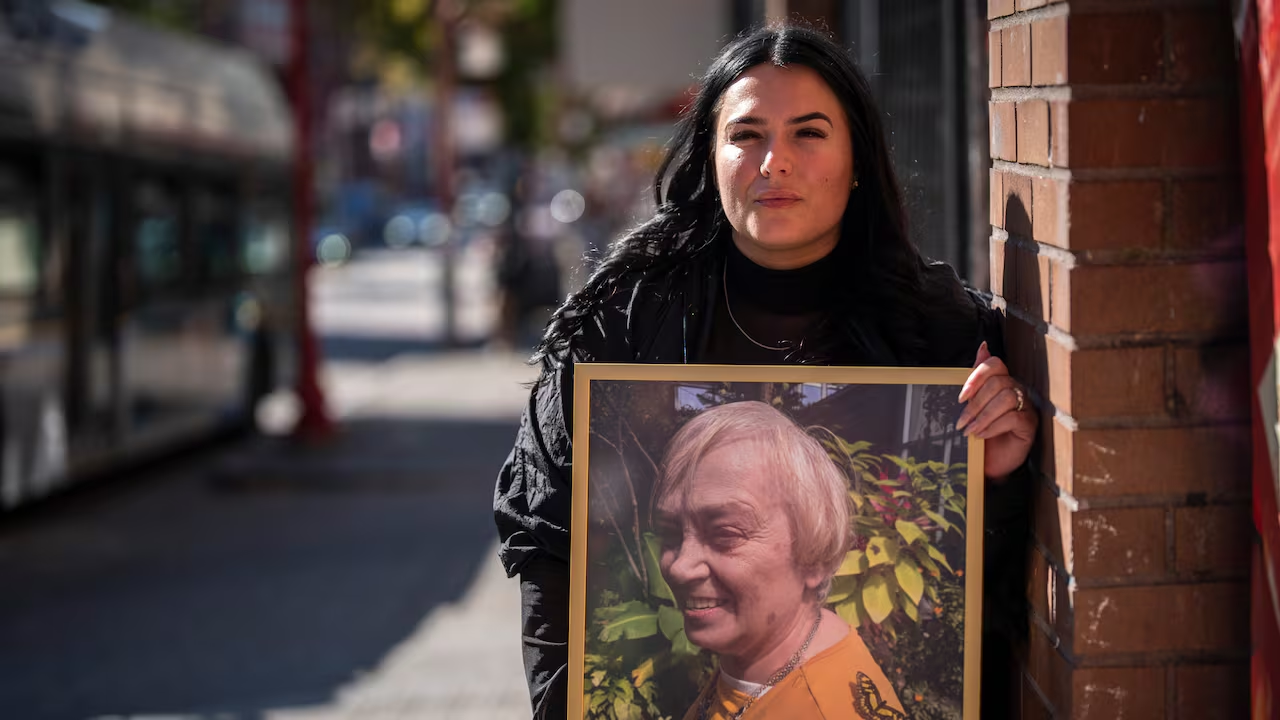
2025年7月24日,在我母亲去世九天后,一群对阿尔伯塔省未来有着截然不同看法的人们,在埃德蒙顿一家教堂的地下室里齐聚一堂。他们切柠檬蛋糕、倒果汁,还一起洗碗。
On July 24, 2025, nine days after my mother died, people with very different ideas about Alberta’s future stood together in a church basement in Edmonton. They cut lemon cake, poured punch and washed dishes.
有些人认识我父母几十年了。有些人看着我长大。我曾在Facebook上见过他们中的一些人发帖支持阿尔伯塔分离主义,而另一些人则坚决反对。但在那天,没有人先停下来把分离主义者和联邦主义者区分开来,然后再决定谁来收拾桌子。
Some had known my parents for decades. Some had watched me grow up. I had seen some of them post in support of Alberta separatism on Facebook. Others were firmly against it. But on that day, nobody stopped to sort the separatists from the federalists before deciding who would clear the tables.
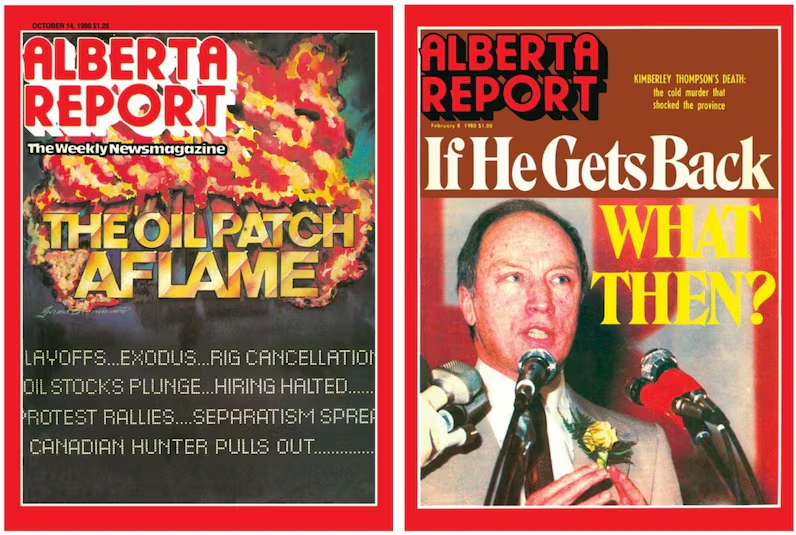
我父母是阿尔伯塔省的保守派。我父亲曾在《》工作,这是由泰德·拜菲尔德创办的保守派埃德蒙顿新闻杂志,几十年来一直为西方的疏离感发声。拜菲尔德一家也是我们的朋友。
My parents were Alberta conservatives. My father worked for , the conservative Edmonton newsmagazine founded by Ted Byfield that gave voice to Western alienation for decades. The Byfields were also family friends.
我父亲去世后,泰德和他的妻子弗吉尼亚一直和我们保持密切联系。他们带我骑自行车去教堂,还考问我拼写单词。多年后,他们的儿子文森特也来参加我母亲的葬礼。因此,当我思考那个政治世界时,我首先想到的不是意识形态。我想到的是人。
After my father died, Ted and his wife, Virginia, stayed close to us. They took me on bike rides to church and quizzed me on spelling words. Years later, their son Vincent came to my mother’s funeral. So when I think about that political world, I do not think first about ideology. I think about people.
我母亲一生都保持保守派立场,但她从未把阿尔伯塔省视为脱离加拿大的存在。阿尔伯塔是她的家,加拿大是她的国家。对她来说,两者本就属于同一整体。
My mother remained conservative her whole life, but she never thought of Alberta as something apart from Canada. Alberta was her home and Canada was her country. To her, they belonged together.
在我还没大到能决定哪些信念属于自己之前,我就已经继承了父母许多政治观点。小时候,我曾和他们一起参加反堕胎游行;成年后,我则支持选择权。随着年龄增长,我的许多信念都发生了变化。我也搬到了温哥华。
I inherited many of my parents’ political beliefs before I was old enough to decide which ones were my own. As a child, I marched with them in anti-abortion rallies. As an adult, I became pro-choice. As I grew older, many of my beliefs changed. I moved to Vancouver, too.
但这一切都没有让我停止去爱那些塑造了我的人,以及那个塑造了我的地方。
None of it stopped me from loving the people or the place that had shaped me.
多年来,我目睹政治分歧变得越来越尖锐,也越来越个人化。人们很容易只通过某人发布过的最极端言论来认识他们。一个人最终变成了网络迷因、一句口号,或是头像旁的一面旗帜。
Over the years, I watched political disagreements become harsher and more personal. It is easy to only know someone through the worst thing they have posted. A person becomes a meme, a slogan, a flag beside a profile picture.
在网上,矛盾很快就会变得难堪。我读到过一些评论,说那些反对分裂的阿尔伯塔人如果那么热爱加拿大,就该离开这里,搬到东部去;而分裂主义者则被要求离开他们似乎憎恨的这片土地。人们互相指责对方是叛徒,争论谁才真正属于这里。后来,我母亲去世了,我们突然又都回到了同一个地下室。
Online, it gets ugly fast. I have read comments telling Albertans who oppose separation to leave and move east if they love Canada so much, while separatists are told to leave the country they seem to hate. People call each other traitors and argue who truly belongs. Then my mother died and suddenly we were all back in the same basement.
照顾我的一些人认为,阿尔伯塔独立会过得更好。另一些人则认为分裂意味着拆散他们热爱的国家。他们的善意并没有让我们的政治分歧变得无关紧要,也没有让我认同他们的观点。但我同样无法假装他们只是陌生人。有时,你强烈反对的人,恰恰是在你母亲葬礼后帮你洗碗的人。这让把人们简单归入某一类变得更加困难。
Some of the people taking care of me believed Alberta would be better off on its own. Others saw separation as breaking apart a country they loved. Their kindness did not make our political differences unimportant. It did not make me agree with them. But I could not pretend they were strangers either. Sometimes the person you strongly disagree with is also the person washing dishes after your mother’s funeral. That makes it harder to flatten people into categories.
葬礼之后,母亲的房子和遗产又不断把我带回埃德蒙顿。我在温哥华和阿尔伯塔之间来回奔波,一边带着悲伤,一边带着各种文件。
After the funeral, my mother’s house and estate kept bringing me back to Edmonton. I went back and forth between Vancouver and Alberta, carrying grief one way and paperwork the other.
当我告诉温哥华的人我曾在埃德蒙顿长大时,有时还没等我开口,阿尔伯塔就已经先出现在对话里了:石油、皮卡、牛仔、保守派,以及对渥太华的不满。人们有时会感到惊讶,因为我的政治立场和在温哥华的生活,并不符合他们对阿尔伯塔人的刻板印象。但对我来说,阿尔伯塔从来都不是那么简单的地方。
When I tell people in Vancouver that I grew up in Edmonton, I sometimes feel Alberta enters the conversation before I do: oil, pickup trucks, cowboys, conservatives, anger at Ottawa. People are sometimes surprised that my politics and my life in Vancouver do not fit their idea of an Albertan. But Alberta has never been that simple to me.
阿尔伯塔给予了我许多值得骄傲的东西。工作很重要,邻居也很重要。如果缺少什么,人们就会去创造。他们建立了教堂,在有人困难时送来食物,他们总会出现。
Alberta gave me things I am proud of. Work mattered. Neighbours mattered. If something was missing, people built it. They started churches. They brought food when someone was struggling. They showed up.
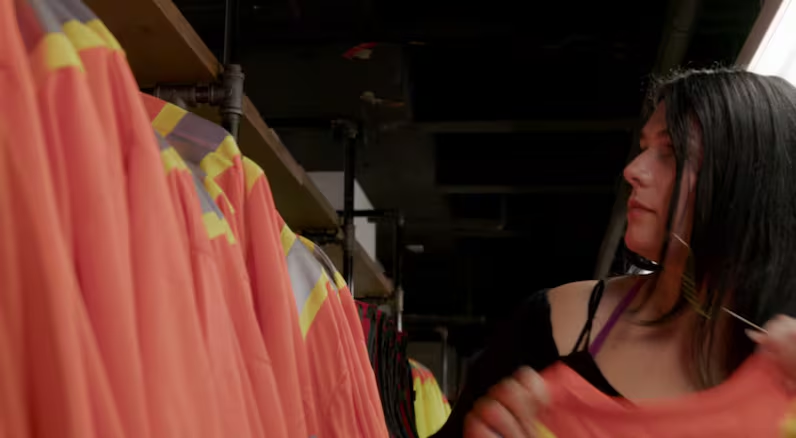
我把这些带到了温哥华。这也是我职业生涯中投入大量精力帮助人们就业的原因之一。我相信工作能带来的自豪感,也相信人们需要社区的支持才能重新站起来。
I carried that with me to Vancouver. It is part of why I have spent so much of my working life helping people get employment. I believe in the pride that can come with work and the community people need to get back on their feet.
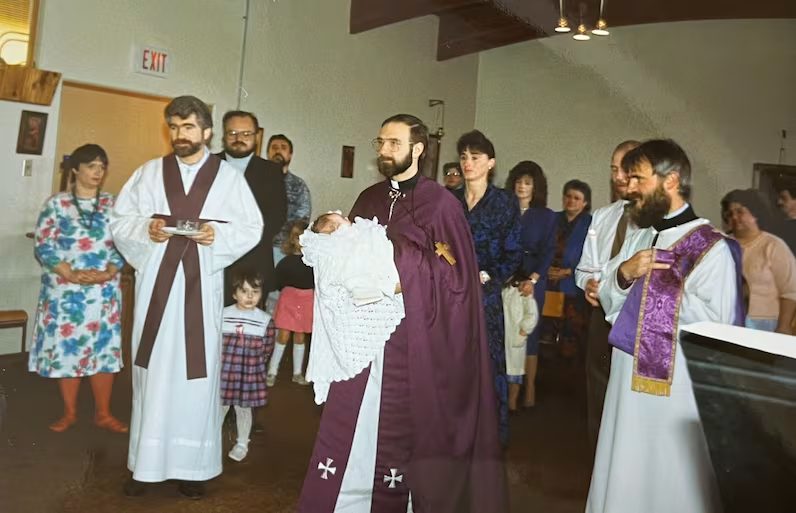
我所在的阿尔伯塔省有一座东正教教堂,由移民家庭建造,其中包括我父亲的乌克兰家庭。那里曾挤满了社区聚会,弥漫着香火味,举行着漫长的礼拜,古老的传统也由此延续到加拿大的新生活之中。那里的人们虽然可能在政治上有分歧,却仍然会彼此支持。
My Alberta was an Orthodox church built by immigrant families, including my father’s Ukrainian family. It was crowded community gatherings, incense, long services and old traditions carried into a new life in Canada. It was people who could disagree about politics and still show up for one another.
我的大家庭中还有原住民亲属。这使得“阿尔伯塔的未来完全由埃德蒙顿和渥太华决定”这一观念变得复杂。第一民族拥有自己的权利、历史以及与加拿大的关系,而这些都早于这个省份本身。
My extended family also includes Indigenous relatives. That complicates the idea that Alberta’s future is simply something for Edmonton and Ottawa to decide on. First Nations have their own rights, histories and relationships with Canada, ones that predate the province itself.
当我听到关于“谁属于阿尔伯塔”的争论时,我感受到的并非一场抽象的宪法辩论。我会想到我自己的家人:原住民和移民、保守派和非保守派,他们在阿尔伯塔的历史截然不同,但彼此的生活却紧密相连。
When I hear debates about who belongs in Alberta, I do not hear an abstract constitutional debate. I think about my own family: Indigenous and immigrant, conservative and not, people whose histories in Alberta are very different but whose lives are intertwined.
在我母亲去世一周年纪念日不久后,阿尔伯塔选举委员会宣布,一份独立请愿书已达到该省公民倡议程序所要求的签名门槛。这一消息让我立刻回到了那座教堂的地下室。
Shortly after the one-year anniversary of my mom's death, Elections Alberta announced that an independence petition had met the signature threshold required under the province’s citizen-initiative process. That announcement brought me right back to that church basement.
当时房间里的一些人支持分离,另一些人则不支持。但他们全都属于那里。视频:70%的阿尔伯塔人希望该省留在加拿大:调查视频视频:在分离公投前,阿尔伯塔旗帜被赋予新的含义从阿尔伯塔之外看,人们很容易将这座省简化为保守主义、石油和不满情绪。而在分离主义政治内部,加拿大也可能被刻板化:渥太华成了一个遥远的政府,只从阿尔伯塔索取,却从不理解它。我并不认为阿尔伯塔应该脱离加拿大,但我理解这种不满为何能够持续存在,并且对某些人来说,甚至演变成了分离主义。
Some of the people in that room supported separation. Others did not. All of them belonged there. Video70% of Albertans want province to remain in Canada: survey VideoAlberta flags take on new meaning ahead of separation referendum From outside Alberta, it is easy to reduce the province to conservatism, oil and resentment. From inside separatist politics, Canada can become a stereotype, too: Ottawa as a distant government that takes from Alberta and does not understand it. I do not believe Alberta should leave Canada, but I understand how that resentment has endured and, for some, hardened into separatism.
无论独立运动最终如何发展,我都担心,当关于阿尔伯塔未来的争论变成一场“谁属于这里”的考验时,将会发生什么。
Whatever happens with the independence movement, I worry about what happens when a debate about Alberta’s future becomes a test of who belongs there.
我所认识的阿尔伯塔省从来都不那么简单。这里既有分离主义者和联邦主义者,也有移民家庭和原住民家庭,还有那些信念与历史无法被简单归入政治类别的人们。让邻居反目成仇,并不是我所认识的阿尔伯塔省。
The Alberta I knew was never that simple. It held separatists and federalists, immigrant families and Indigenous families, and people whose beliefs and histories did not fit neatly into political categories. Turning neighbours against one another is not the Alberta I know.