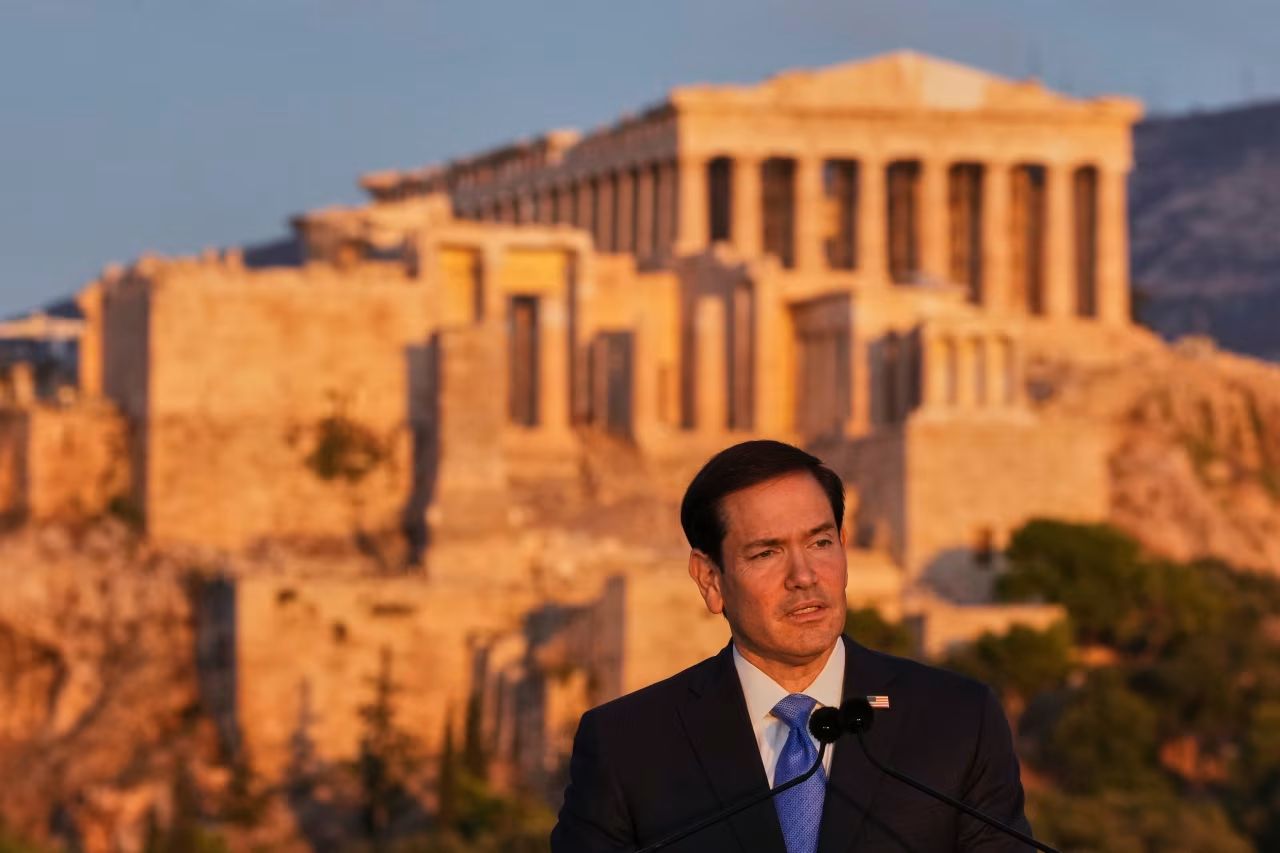
以下是国务卿马尔科·卢比奥在雅典于10月7日发表的演讲节选:在这里,雅典,我们发现了所有后来定义西方的基本特质的首次完整实现:强烈的个性和不懈的野心;敢于探索和发明;对发现、冒险、风险和荣耀的渴望。对世界及其运作原则的永不满足的好奇心,渴望了解自然的奥秘并掌握宇宙的秘密。对“不可能”这一概念的不耐烦,对所有界限和限制感到不满,努力深入未知的深处。
The following are excerpts from a speech Secretary of State Marco Rubio delivered in Athens on Oct. 7: Here, in Athens, we found the first full realization of all the essential traits that would come to define the West: fierce individuality and relentless ambition; daring exploration and invention; a yearning for discovery, for adventure, risk and glory. An insatiable curiosity about the world and the principles by which it operates, a hunger to know the mysteries of nature and grasp the secrets of the cosmos. An impatience with the notion of impossibility, chafing at all boundaries and limits, straining to peer into the depths of the unknown. . . .
. . .这就是西方思想的基础:我们的数学、科学、医学。我们的哲学、伦理和宗教。它为耶稣基督的福音在欧洲找到肥沃土壤、繁荣发展为基督教帝国铺平了道路。它是基督教神学丰富性的基础——奥古斯丁、阿奎那以及整个自然法传统。 . . .我知道,对现代人的耳朵来说,我刚才描述的这种生活方式可能听起来很奇怪;甚至可能听起来残酷。
This was the foundation of the Western mind: our math, our science, our medicine. Our philosophy, ethics and religion. It paved the way for the gospel of Jesus Christ to find fertile soil in Europe and flourish into the empire of Christendom. It was the foundation of the riches of Christian theology—of Augustine and Aquinas and the whole tradition of natural law. . . . I know that to modern ears, what I just described, this way of life, may sound odd; it may even sound cruel.
我们这个时代许多意识形态的理想,坦率地说,已经变成了一个没有风险或失败的绝对安全世界,既没有胜利的荣耀,也没有失败的羞耻。如今,我们常常在向下建设。我们制定标准,以确保没有人会输;我们更关注最坏情况的舒适,而不是最好情况的潜力。我们将我们中间最卓越的东西人质化于平均、普通和平庸之中。
The ideal of many ideologies in our time has, frankly, become a world of perfect safety, devoid of risk or failure, with neither the glory of victory nor the shame of defeat. Too often these days, we build downwards. We design our standards to ensure no one will lose; we preoccupy ourselves more with the comfort of the worst than the potential of the best. We hold the most exceptional things among us hostage to the average, the ordinary, the mediocre.
建造帕特农神庙的人们,他们向上建造。他们认为,人生最高且最崇高的追求,就是超越一切,在所有事物中努力成为最优秀。古希腊城邦充满了激情。它们充满了激烈的激情、竞争、派系和冲突。但正是这种对卓越的持续追求——正是从这种追求中,诞生了艺术、哲学、政治和思想能量的伟大繁荣,使地中海城市的集合体转变为世界上最伟大文明的发源地。
The men who made the Parthenon, they built upwards. They held that the highest and most noble aspiration in life was to surpass all others, to strive to be the best in all things. The ancient Greek city-states were filled. They were filled with intense passion and rivalry and faction and conflict. But from that constant struggle for distinction—from that came the great flowering of art and philosophy and political and intellectual energy that would transform a collective of Mediterranean cities into the birthplace of the greatest civilization in the world.
古希腊人所称的“thumos”——激情、力量、勇气、骄傲的火焰——是伟大文明的核心。而没有它?没有它,民族就会失去战斗的意志、奋斗的意志、生存的意志。
The thumos, as the ancient Greeks called it—the fire of passion, strength, courage, pride—is the heart of great civilization. And without it? Without it, nations lose their will to fight, the will to strive, the will to survive.