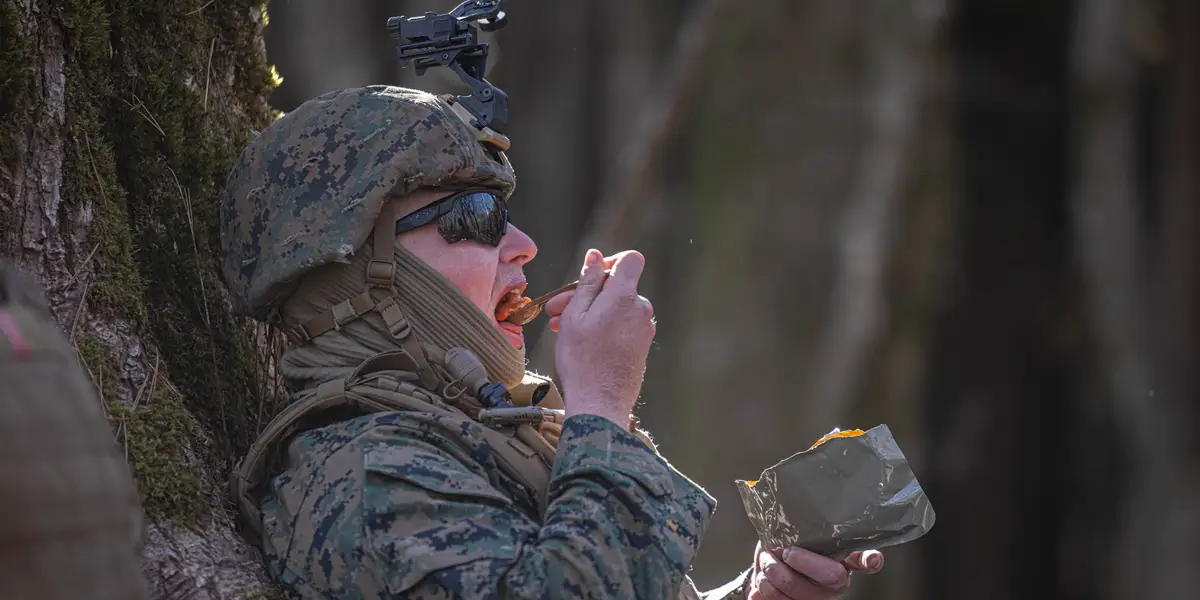
海军陆战队员正在配备一种新的战斗口粮——也就是食物——专为战争初期几天而设计。自去年投入服役以来,“近距离战斗突击口粮”(Close Combat Assault Ration,简称C-CAR)现已开始随一线海军陆战部队一同部署。这种新口粮将原本需要三个即食餐包(Meal, Ready-to-Eat,MRE)的份量整合到每日的单份包装中,从而减轻士兵的负重,为弹药、电池和其他任务必需装备腾出空间。
Marines are deploying with a new combat ration — that is, stuff to eat — built for the first days of war After entering service last year, the Close Combat Assault Ration, or C-CAR, is now deploying with frontline Marine units. The new ration condenses what would normally be three Meal, Ready-to-Eat packets into a single daily package, reducing the weight troops carry to free space for ammunition, batteries, and other mission-essential gear.
负责管理和发展口粮的国防后勤局向《商业内幕》表示,C-CAR专为冲突最初的72小时设计,此时部队需要一种比传统MRE更轻便、更不占空间的选择。携带更少的食物意味着海军陆战队员能腾出更多空间。第13海军陆战远征部队的后勤官马特·伯迪克上尉告诉《商业内幕》,这还能减少冲突初期几天内执行高风险补给任务的需求。
The Defense Logistics Agency, which manages and develops the rations, told Business Insider that the C-CAR is intended for use during the first 72 hours of a conflict, when troops need a lighter, less bulky alternative to traditional MREs. Carrying less food gives Marines more room. It reduces the need for risky resupply missions during the first few days of a conflict, Capt. Matt Burdick, a logistics officer with the 13th Marine Expeditionary Unit, told Business Insider.
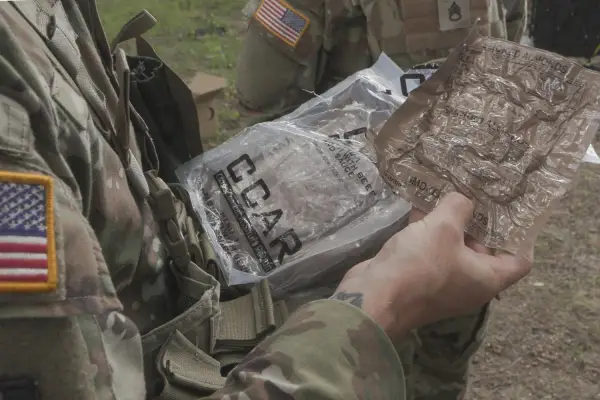
去年C-CAR投入服役后,第13海军陆战远征部队最近已携带这种新口粮部署至中东。今年夏天,《商业内幕》在加利福尼亚海岸外的“马金岛”号军舰上,与第13海军陆战远征部队共同度过了三天,观察他们为部署所做的准备。伯迪克表示,与传统MRE不同,后者设计用于在较长的休整期间加热食用,而C-CAR则是为行动中的士兵打造的。
The 13th MEU recently deployed to the Middle East with the new rations after they entered service last year. Business Insider spent three days on the USS Makin Island with the 13th MEU off the coast of California this summer as they prepared for their deployment. Unlike traditional MREs, which are designed to be heated and eaten during longer pauses, C-CARs are built for troops on the move, Burdick said.
每餐都采用挤压袋包装,无需加热或使用餐具即可食用,也省去了准备食物所需的水(尽管大多数服役人员通常也不会加热MRE)。目前仅提供三种菜单选择:意大利面、鸡肉卷饼碗和牛肉炖菜。士兵们在训练前经常会对MRE进行“精简”,丢弃不需要的额外物品或较重的餐包,以便更紧凑地打包并减轻负重。伯迪克表示,C-CAR的配备方式则更为简洁实用。
Meals come in squeeze pouches that can be eaten without heating or utensils, eliminating the need for water to prepare them (though most service members rarely heat MREs). There are just three menu options— spaghetti, chicken burrito bowl, and beef stew. Troops have frequently stripped MREs ahead of training, throwing away unwanted extras or heavier food packets to pack more compactly and carry less weight. The C-CAR, Burdick said, arrives in a more bare-bones fashion.
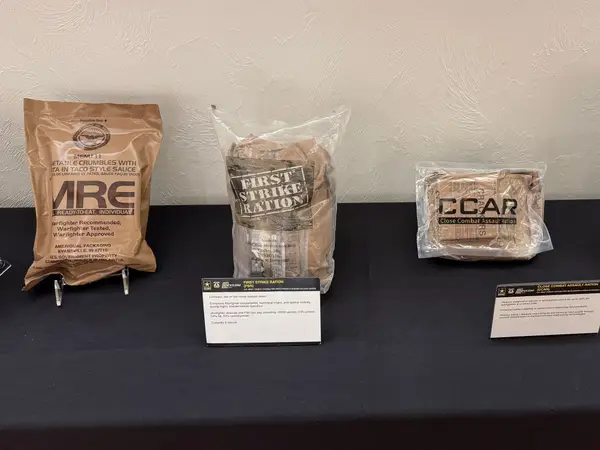
伯迪克表示,他的部队是在去年的一次演习中首次接触到这种口粮的——由于他负责供餐的近300名海军陆战队员从一开始就携带了足够的食物,后勤人员因此减少了补给任务,从而减轻了供应负担,也降低了其在战场上的暴露痕迹,他解释道。这种新型口粮不会取代MRE口粮,伯迪克称,MRE的设计适用于大规模分发和长期行动;不过,它确实取代了旧版的“第一打击口粮”,后者同样旨在以更小的包装为部队提供更多食物。
Burdick said his unit first encountered the rations during an exercise last year— because each of the nearly 300 Marines he was responsible for feeding carried enough food from the outset, logisticians conducted fewer resupply missions, reducing both the supply burden and its signature in the field, he explained. The new ration won't replace the MRE, which Burdick said is designed to be distributed at scale and for longer-term operations, though it does replace the older "First Strike Ration," which was also meant to provide troops more food in a smaller package.
伯迪克表示,这种口粮目前仍处于初步列装阶段,海军陆战队员正在将其与传统MRE口粮一同使用,以便海军陆战队从各部队收集反馈,指导未来口粮的研发。
The rations remain in the early stages of fielding, Burdick said, with Marines using them alongside traditional MREs as the Corps gathers feedback from units to guide future ration development.