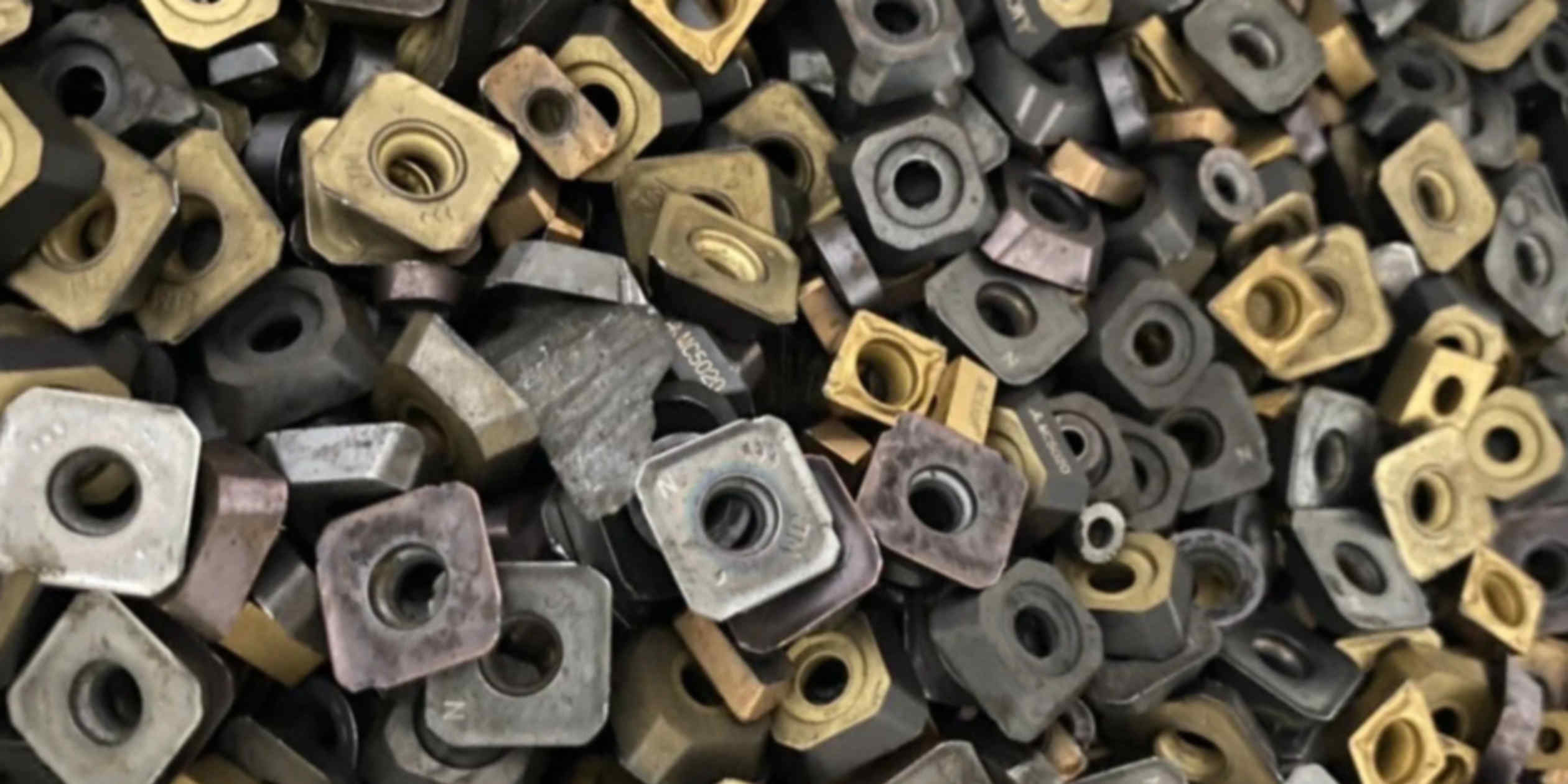
东京——据《日本经济新闻》获悉,三菱材料正从越南采购回收钨用于硬质合金工具,以规避中国的出口限制,转向成本更高的来源。
TOKYO -- Mitsubishi Materials is sourcing recycled tungsten from Vietnam for carbide tools, turning to a costlier source for the industrial metal to sidestep Chinese export restrictions, Nikkei has learned.
从越南采购使这家日本制造商能够为国内生产设施储备原料,但也迫使其大幅提高自身价格,这一趋势可能在限制仍然存在的情况下,使日本企业面临严峻的竞争局面。
Buying from Vietnam has let the Japanese manufacturer stock its domestic production facilities, but also forced it to increase its own prices drastically, part of a trend that could leave Japanese players in a tough competitive position if the curbs remain in place.
钨用于超硬硬质合金刀片和机床刀具,这些是制造汽车发动机和飞机零部件所必需的精密金属加工材料。今年,三菱材料开始大规模从越南进口钨,包括从硬质合金废料中回收的产品。
Tungsten is used in ultra-hard carbide blades and bits for machine tools, which are essential to the precision metalwork needed for auto engines and aircraft parts. This year, Mitsubishi Materials began full-scale imports of tungsten from Vietnam, including products recycled from carbide scrap.
截至2024年,该日本公司持有其采购的回收设施运营商的股份。资本关系结束后,三菱材料仍与该供应商保持部分业务往来,但此前更倾向于从中国采购更便宜的钨,直至出口限制迫使其改变。
Until 2024, the Japanese company held a stake in the recycling facility operator from which it is buying. Mitsubishi Materials continued doing some business with the supplier after the capital relationship ended, but it favored cheaper tungsten from China until the export curbs forced a change.
三菱材料目前已不再从中国进口钨,但有消息称其已确保所需钨的供应量。
Mitsubishi Materials now imports no tungsten from China, but a source said it has secured the amount of the metal it needs.
北京于2025年2月限制了钨制品及其他四类金属的出口。日本对受此措施影响的三种钨相关产品的进口量在2026年8月比两年前下降约90%。
Beijing restricted exports of tungsten products and four other categories of metals in February 2025. Japan's imports of three tungsten-related products covered by these measures were down roughly 90% in August 2026 from two years earlier.
日本企业正争相寻找替代来源。2024年同期至2026年8月的八个月内,日本钨进口中来自中国的比例从47%降至13%。与此同时,越南的比例翻了四倍,达到20%,美国的进口也有所增加。
Japanese companies have been scrambling for alternative sources. The share of Japan's tungsten imports coming from China dropped to 13% in the eight months through August from 47% in the same period of 2024. Meanwhile, Vietnam's share quadrupled to 20%, and imports from the U.S. rose as well.
问题在于成本。商品信息提供商Argus Media的数据显示,自今年年初以来,钨的市场价格大约上涨了三倍。
The problem is cost. Market prices for tungsten have roughly tripled since the start of this year, data from commodity information provider Argus Media shows.
三菱材料已回应,通过从6月订单起提高硬质合金工具及相关部件的价格,其中一些产品的价格甚至翻了三倍。日本竞争对手住友电气工业最近也在今年第三次上调价格。“三菱材料社长田中哲也表示,‘我们仍需进一步提价’。”
Mitsubishi Materials has responded by hiking prices for carbide tools and related parts starting with June orders, with some items more than tripling in price. Japanese rival Sumitomo Electric Industries recently increased prices for the third time this year. "We still need to raise prices further," Mitsubishi Materials President Tetsuya Tanaka has said.
据阿格斯报道,截至8月,钨的国际价格是中国市场价格的三倍。随着日本制造商提价,他们面临被中国硬质合金工具制造商抢占市场的风险。小型制造商的处境更为艰难。
As of August, international prices for tungsten were three times higher than Chinese market prices, Argus reports. As Japanese manufacturers raise prices, they risk losing ground to Chinese carbide tool makers. Smaller manufacturers are having an even harder time.
拥有采购实力的大公司仍能获取所需材料,尽管成本更高。但“一些小规模的硬质合金工具制造商买不到昂贵的材料,可能会难以运营,”一位行业内部人士说。
Big companies with buying power can still source the materials they need, even if at a higher cost. But "small-scale carbide tool makers can't get their hands on expensive materials, so they'll probably struggle to operate," an industry insider said.
“一些材料的价格比出口限制前高出十倍以上,”大阪一家小型硬质合金工具公司的代表说。“价格飙升导致客户流失。我们的订单下降约20%。公司六个常规供应商中有三家已被切断供应。”
"Prices for some materials are over 10 times where they were before the export restrictions," a representative of a small carbide tool company in Osaka said. "With prices soaring, customers are leaving. Our orders are down around 20%." Supply from three of the company's six usual suppliers has been cut off.