今年夏天,第一次被B-1轰炸机震耳欲聋的轰鸣声吵醒时,我曾在一瞬间疯狂地以为我们遭到了袭击。到第二次时,我已经能分辨出美国飞机从费尔福德皇家空军基地起飞的这种声音究竟意味着什么:一个提醒——尽管英国不想卷入这场与伊朗的战争,但我们却难以完全摆脱其后果。
The first time the window-rattling roar of a B-1 bomber woke me up this summer, I thought for one crazed second we were under attack. By the second time, I’d learned to recognise the sound of US planes taking off from their base at RAF Fairford for what it was: a reminder that although Britain wants no part in this war with Iran, we cannot quite escape the consequences.
今年秋天,我们或许会在加油站、超市感受到这些影响,或者体现在今年冬天的取暖账单上。但生活在飞机航线之下,则让这一切更具压迫感。上周,天空终于恢复了宁静,但这只是因为轰炸机被紧急召回了本土——此前据称有一起针对费尔福德基地的恐怖袭击阴谋,而(根据首相的说法)“有强烈迹象表明伊朗参与其中”。如果费尔福德如今已成为战争目标,那么当美军撤离后,这种威胁是否也随之消失了?无人知晓。
We’ll feel them at the petrol pump, or in the supermarket this autumn, or in this winter’s heating bills. But living under the flight path adds an extra edge to it. The skies finally fell silent last week, but only because the bombers have been hastily summoned home after an alleged terrorist plot to attack Fairford, in which (according to the prime minister) there are “strong indications that Iran played a part”. If Fairford is now a target of war, did that threat disappear when the Americans did? Nobody knows.
牛津郡的农村地区遍布军事基地,在这里生活了15年后,直升机进行低空飞行训练、学生上学路上穿着军装,甚至我们当地超市过去为思乡心切的美国人储备的荧光色棉花糖麦片,这些景象都再也不会让我感到惊讶。但费尔福德事件发生前,布莱兹诺顿皇家空军基地去年曾出现过严重的安全漏洞——尽管那次事件涉及的是亲巴勒斯坦抗议者而非俄罗斯人,却并未让人产生多少安全感。
Rural Oxfordshire is peppered with military bases, and after 15 years here I don’t bat an eyelid at helicopters practising low-flying drills, uniforms on the school run, or the stash of Day-Glo marshmallow cereal our local supermarket used to keep for homesick Americans. But the Fairford incident follows a serious security breach at RAF Brize Norton last year – and though this involved pro-Palestinian protesters rather than the Russians, it didn’t inspire confidence – and news this summer that the Manchester synagogue attacker had scoped out the security arrangements for the nearby Shrivenham defence academy.
此外,今年夏天还有消息传出,曼彻斯特犹太教堂袭击者曾事先考察过附近什里文汉姆国防学院的安全安排。全国各地的军事基地均已进入高度戒备状态:周四,两名拉脱维亚人因涉嫌擅闯位于剑桥郡的莫尔斯沃思皇家空军基地而被捕,该基地是北约的情报中心。而在费尔福德,是一名农民拉响了警报,这也引发了一些棘手的问题:在陌生人往往显得格格不入的小型农村社区,究竟该保持多高的警惕?
Bases nationwide are on high alert, with two Latvians arrested on Thursday on suspicion of trespass inside RAF Molesworth in Cambridgeshire, home to a Nato intelligence hub. At Fairford, it was a farmer who sounded the alarm, raising some difficult questions about how vigilant to be in small rural communities where strangers tend to stand out.
我并不想对每个路过的遛狗者都变得疑神疑鬼,也不想在听到俄语口音时便草率得出荒谬的结论。但自9/11事件后搬到伦敦生活以来,我从未像现在这样对任何看似不寻常的事物如此警觉。
I don’t want to become paranoid about every passing dog walker, or leap to ridiculous conclusions on hearing a Russian accent. But not since living in London in the aftermath of 9/11 have I felt more alert to anything seemingly out of the ordinary.
当然,恐怖主义正是如此运作的。它不仅仅是袭击本身,更在于这些袭击所引发的恐惧与不信任。在7月7日爆炸案发生后的很长一段时间里,人们宁愿换乘其他车厢,也不愿站在某个背着背包的可怜孩子旁边。在北爱尔兰“骚乱”最严重的时期,居住在英国的爱尔兰移民也遭遇了敌意。遗憾的是,通常被怀疑的总是少数族裔;而在那些容易爆发极右翼抗议或反犹袭击的地区,他们甚至不得不猜测,自己的哪位邻居可能参加了游行,或者在犹太裔店主经营的商店上喷涂涂鸦。
And that, of course, is how terrorism works. It’s not just the attacks themselves, but the fear and distrust they engender. For a while after the 7/7 bombings, people would change train carriages rather than stand next to some poor kid with a rucksack. At the height of the Troubles in Northern Ireland, Irish émigrés in Britain faced hostility. Sadly, it’s usually minorities who are singled out for suspicion or – in areas prone to far-right protests or antisemitic attacks – forced to wonder which of their neighbours might have joined the marches, or daubed graffiti on Jewish-owned shops.
这一次,尤其存在针对寻求庇护者的强烈反扑风险:改革党(Reform)抓住未经证实的报道大做文章,称德黑兰可能利用小船越境,将秘密特工偷渡到英国。(需要说明的是,与所谓的费尔福德阴谋案有关、已被逮捕并获准保释的人员均为英国国籍。不过,最近一名因策划针对以色列大使馆的恐怖袭击而被定罪的科威特公民,以及两名被控密谋在曼彻斯特针对犹太人实施袭击的伊朗公民,据称正是乘小船抵达英国的。)无论真相如何,德黑兰一定乐于看到这种破坏稳定的思想蔓延。
This time, there’s a particularly grim risk of a backlash against asylum seekers, with Reform pouncing on unproven reports that Tehran may be using small boat crossings to smuggle covert operatives into Britain. (For the record, those arrested and released on bail in connection with the alleged Fairford plot have British nationality. However, a Kuwaiti citizen recently convicted of a terror plot against the Israeli embassy and two Iranian nationals recently charged with allegedly plotting to target Jews in Manchester reportedly got here in dinghies.) Whatever the truth, Tehran must be delighted to see such destabilising ideas spread.
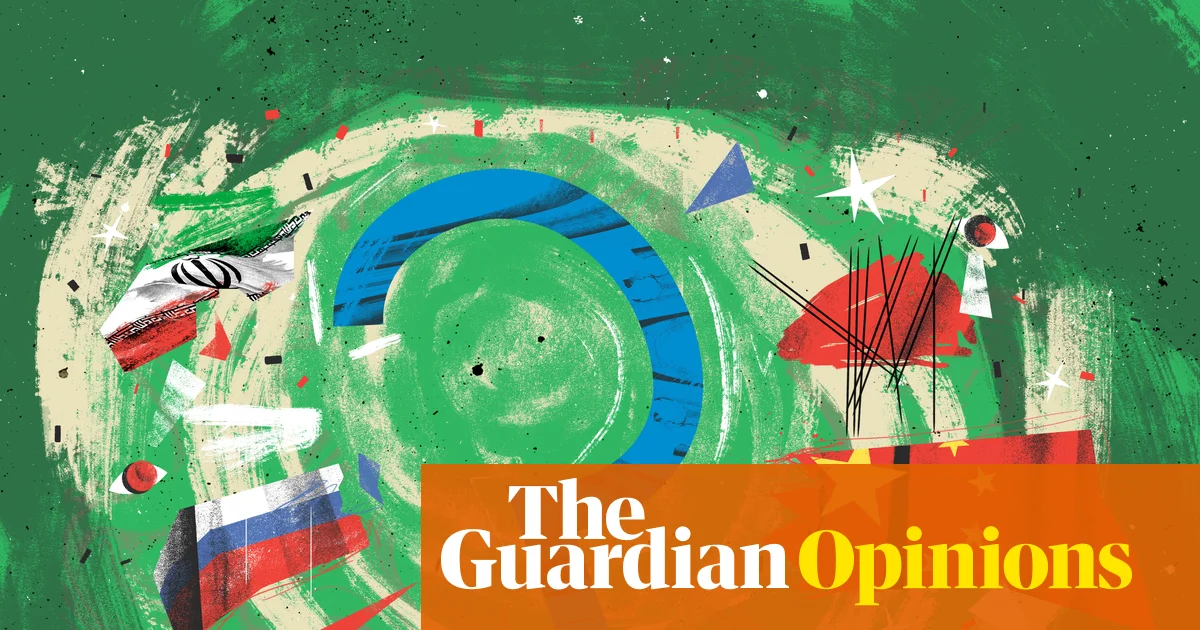
自9·11事件以来,英国第二次面临一个两难抉择:面对日益加剧的威胁,它究竟应该多大程度上变成一个“安全官僚制”国家——即一个被安全事务主导、公民始终处于高度焦虑状态的国家?正如安迪·伯纳姆(Andy Burnham)所记得的,“反恐战争”曾迫使他所隶属的上一届工党政府,在国内痛苦地削减公民自由。而这一次的威胁更多并非来自某种意识形态,而是来自三个具有国内影响力的敌对国家——即俄罗斯、伊朗和中国——因此,未来需要应对的难题可能更多涉及技术、资产和人员的流动问题。
For the second time since 9/11, Britain faces a dilemma over how much of a securocracy – a country dominated by security concerns, whose citizens live at a pitch of constantly heightened anxiety – it should become in response to increasing threats. As Andy Burnham will remember, the “war on terror” forced the last Labour government, of which he was part, into a painful rolling back of civil liberties at home. Since the threat this time is less from an ideology than from three hostile nation states with domestic reach – namely Russia, Iran and China – the coming dilemmas may be more over the movement of technology, assets and people.
从历史上看,英国经济一直相对开放,即使在脱欧之后也是如此。我们允许海湾国家收购我们的足球俱乐部,允许俄罗斯寡头支撑伦敦的顶级房地产市场,也允许中国资本救助我们资金紧张的高校并建设我们的发电站,尽管存在间谍活动、审查制度以及干涉国内政治的担忧。(影子外交大臣、长期主张强硬对华立场的汤姆·图根哈特上周透露,他至今仍会收到寄往其家族住所的北京来信,“信里基本上写着‘我们知道你住在哪里’。”)
Historically, Britain’s economy has been a relatively open one, even after Brexit. We let Gulf states buy our football clubs, Russian oligarchs prop up the prime London real estate market, and Chinese money bail out our cash-strapped universities and build our power stations, despite concerns about espionage, censorship and interference in domestic politics. (Tom Tugendhat, the shadow foreign affairs minister and longstanding China hawk, revealed last week that he still gets letters from Beijing to the family home “that say, basically, ‘we know where you live’”.)
伦敦的科技初创公司扩张速度远超国内的人才招聘能力,因此迅速吸纳了那些渴望逃离战时国家的俄罗斯年轻技术程序员。尽管有人担心廉价的中国电动汽车可能摧毁本国汽车制造业,甚至其部分软件仍可能受中国控制,但我们并未像欧盟那样对中国电动汽车征收关税,因为贸易战通常对商业不利。(不过,商务大臣乔纳森·雷诺兹最近暗示,这一争论尚未完全终结。)
London’s tech startups, expanding faster than they could hire domestically, snapped up skilled young Russian coders understandably anxious to escape a country at war. We didn’t slap tariffs on cheap Chinese EVs when the EU did, despite concerns they could kill off domestic car manufacturing – or even that some of their software might still be controllable from China, because trade wars are generally bad for business. (Though the business secretary, Jonathan Reynolds, suggested recently that that debate is not entirely closed.)
我们选择不将自己变成一座堡垒,因为长期以来,开放世界的益处似乎值得承担的风险,或许这也是一种价值观的体现。然而,英国政府内部正日益激烈地争论:回顾过去,专制政权是否将这种开放视为可以利用的弱点?至少可以肯定的是,他们如今正将这种开放武器化:伊朗和俄罗斯分别通过封锁霍尔木兹海峡和黑海航线来限制航运,其引发的石油和食品价格波动,如今已让各国政府敲响警钟。
We chose not to become a fortress because for a long time, the benefits of being open to the world felt worth the risks, but perhaps also as a statement of our values. But there is an increasingly live debate in Whitehall about whether, in retrospect, autocracies saw that openness as a weakness to exploit. If nothing else, they’re certainly weaponising it now: both Iran and Russia are throttling shipping routes in the strait of Hormuz and Black Sea respectively, with consequences for oil and food prices that are now ringing serious alarm bells within governments.
尽管伯纳姆对这一切作何看法尚不完全清楚,但已有迹象表明,各方态度正在逐渐强硬。内阁办公室最近召集了关键基础设施公司的首席执行官,向他们通报俄罗斯破坏活动的威胁;而就在上周,英国安全局(MI5)罕见地向学术界发出公开警告,提醒学者不要与一家被视作间谍组织幌子的中国机构合作。上周在费尔福德周围匆忙设置的混凝土路障,或许预示着未来将要发生的变化:随着世界逐渐进入战时状态,我们如今这种轻松自在的生活方式可能不得不改变。
Though it’s not entirely clear yet what Burnham makes of all of this, there are early signs of attitudes hardening. The Cabinet Office recently summoned CEOs of critical infrastructure companies to brief them on the threat of Russian sabotage, while last week MI5 issued a rare public warning to academics against working with a Chinese organisation regarded as a front for espionage. The concrete barriers hurriedly going up around Fairford last week may be a harbinger of what is to come: a signal that as the world moves closer to a war footing, our relaxed way of life may have to change.
然而,保持警惕与陷入偏执,甚至排外,之间存在着区别。在未来几个月里,我们必须坚守这一界限。任何在英国居住的外国公民,都不应因其原籍国的过错而受到迫害:我们绝不能重蹈1939年的黑暗覆辙——当时,逃离纳粹德国和奥地利的犹太难民竟在英国被骇人地拘禁为“敌国侨民”。任何新的监控权力,都必须伴随着新的保障机制。
But there’s a difference between being vigilant and being paranoid, let alone xenophobic, and we are going to need to hold that line in months to come. No foreign national in the UK should ever be persecuted for the sins of their country of origin: there’s no going back to the dark days of 1939, when Jewish refugees fleeing Nazi Germany and Austria were shockingly interned in Britain as “enemy aliens”. New powers of surveillance should always come with new safeguards.
此外,本届政府应当牢记,“反恐战争”如果教会了我们什么,那就是安全危机往往会将自由主义原则推向崩溃的边缘。我只希望伯纳姆已经为此做好了准备。
And this government should remember that if the “war on terror” taught us anything, it’s that security crises test liberal principles to breaking point. I just hope Burnham is ready for that.
加比·欣斯利夫是《卫报》的专栏作家。您是否对本文提出的议题有自己的看法?如果您希望提交一篇最多300字的回应邮件,供我们考虑在读者来信栏目中发表,请点击此处。
Gaby Hinsliff is a Guardian columnist Do you have an opinion on the issues raised in this article? If you would like to submit a response of up to 300 words by email to be considered for publication in our letters section, please click here.