我的兄弟于2010年5月10日结束了自己的生命。几乎每一天,我都会想起他。但仅仅因为我想起了他,并不意味着我就可以谈论他。很长一段时间里,我都无法开口。
My brother took his own life on May 10, 2010. Rarely a day goes by that I don't think of him. But just because I thought about him, it didn't mean I could talk about him. For a long time, I couldn't.
有时,当话题触及自杀时,我总会想要——甚至不得不——离开当时所在的地方。但如果你从事新闻行业,这样做显然无济于事。后来我意识到,我必须谈论这件事。我们也必须谈论这件事。为什么我们必须谈论?因为我们的沉默并没有保护我们。
Sometimes when the subject of suicide came up, I would want to — or literally have to — leave wherever I was. Not helpful if you're in the news business. I've come to realize that I have to talk about it. We have to talk about it. Why do we have to? Because our silence is not protecting us.
自杀已成为这个国家一个严重的公共健康问题——而在黑人社区,这一问题正变得尤为严峻。根据美国疾病控制与预防中心的数据,黑人的自杀率正在上升,过去10年左右的时间里增长了超过50%。其中,黑人青年的自杀率更是急剧上升。2022年,黑人青年使用枪支自杀的比例已经超过了白人青年。
Suicide is a public health crisis for the country — but that crisis is becoming acute in the Black community. Black suicide rates are climbing, increasing more than 50% over about the past 10 years according to CDC data. And the suicide rates among Black youth are increasing particularly dramatically. The rate of Black youth suicides by firearms exceeded that of white youth in 2022.
在政府资助的公共健康项目逐渐回避那些对不同社区影响不均的问题之际,我们正以谨慎、敏感和坦诚的态度直面这一议题。
At a time when government-sponsored public health initiatives are retreating from issues that impact different communities differently, we're going there with care, sensitivity and honesty.
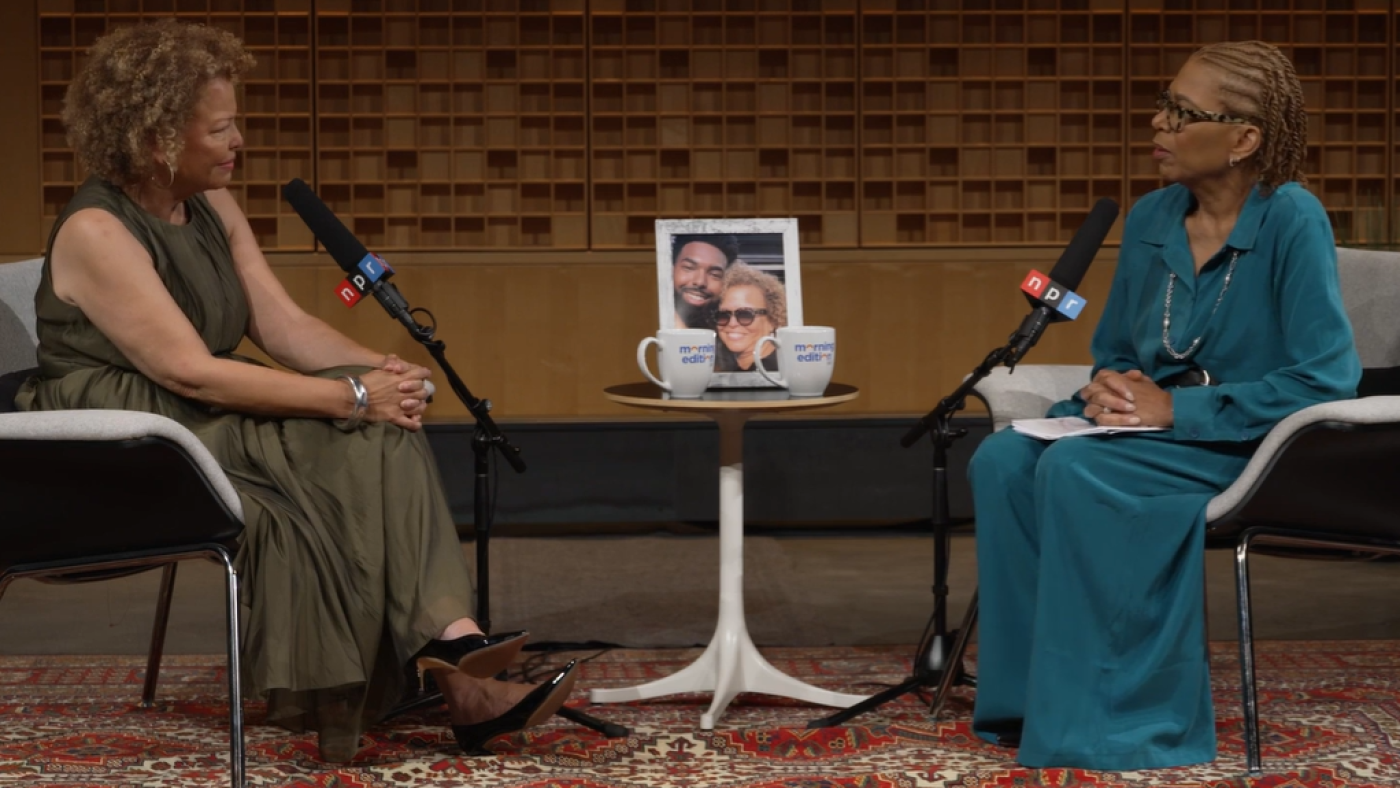
我曾主持过NPR《晨间节目》的一场名为《直面现实:生死之间》的现场活动。活动邀请了一批临床医生、立法者以及亲身经历过这种痛苦的人组成讨论小组,在同样经历过这一问题的现场观众面前,共同探讨了这场危机。演讲嘉宾包括BET公司前首席执行官德布拉·李、新泽西州民主党众议员邦妮·沃森·科尔曼、精神科医生保罗·内斯塔特博士、退役NFL冠军弗农·戴维斯、WWE超级巨星埃托雷·“大E”·尤恩,以及既是牧师又是心理咨询师的约翰尼·帕克牧师。
I hosted an NPR's Morning Edition live event called Going There: A Matter of Life and Death. It brought together a panel of clinicians, lawmakers and people who have lived with this pain to talk about this epidemic, in front of a live audience who have also experienced it. Speakers include CEO emerita of BET Debra Lee, Rep. Bonnie Watson Coleman, D-NJ, psychiatrist Dr. Paul Nestadt, retired NFL champion Vernon Davis, WWE superstar Ettore "Big E" Ewen and Rev. Johnny Parker, who is both a pastor and a counselor.
这场活动旨在尝试探究这场危机发生的原因、它如何影响着我们,以及最重要的——我们能做些什么来应对它。
It was an attempt to try to find out why this crisis is happening, how it is affecting us, and most importantly, what we can do about it.
在讨论过程中,超级碗冠军球队的内线进攻手弗农·戴维斯分享了他与惊恐发作和抑郁症抗争的经历。
During the conversation, Super Bowl-winning tight end Vernon Davis shared his struggles with panic attacks and depression.
“我会在游戏中经历这些发作,”戴维斯说,“我会坐在长椅上,大口喘气。有那么一瞬间,我真的觉得不想待在这里。我仿佛失去了活下去的意义。这一切发生得太快,太突然了。”如今,戴维斯表示,关注自己的心理健康已成为他每天的首要任务。此外,在接连失去哥哥和妹妹之后,他开始更公开地谈论自己与心理健康相关的经历。
"I would have these episodes in the game," Davis said, "I would go sit on a bench and breathe hard. I just felt like, for a split second, that I didn't want to be here. I had nothing to live for. It happened so fast, and it was just so sudden." Davis now says that focusing on his mental health is a daily priority. And, after Davis lost both his brother and sister in quick succession, he started speaking more openly about his experiences with mental health.
“外面还有很多人正在经历和我一样的事情,”他解释道,“他们只是需要知道,还有另一个人也在经历同样的困境。”保罗·内斯特阿特博士是一名精神科医生,约翰斯·霍普金斯大学自杀预防中心的医疗主任,也是全国知名的自杀问题专家。他指出,白人仍然占自杀死亡人数的多数,但美国白人的自杀率略有下降。与此同时,非裔美国人的自杀率却在上升。枪支的可及性至少部分导致了这一增长。
"There's people out there who are going through the same thing that I went through," he explained, "they just need to hear that there's someone else out there that is going through the same thing." Dr. Paul Nestadt is a psychiatrist, medical director of the Johns Hopkins Center for Suicide Prevention, and a national authority on suicide. He notes that white people still account for the majority of suicide deaths, and the suicide rate has decreased slightly among white Americans. Meanwhile, the rate has gone up among Black Americans. Access to guns accounts for at least part of that increase.
内斯特阿特博士说:“年轻非裔群体,尤其是年轻非裔男性,这一趋势开始上升的时期,也正值非裔社区中枪支拥有量急剧增加的时候。那是在2020年,当时正值疫情、乔治·弗洛伊德被谋杀事件以及其他各种事件发生之际。”
"When that trend in young Black people, especially young Black males, started to go up was also a time when we saw a dramatic increase in firearm ownership in the Black community. That was in 2020, in the context of the pandemic, the murder of George Floyd, and a variety of other things," Nestadt said.
因此,2025年的调查数据显示,美国年轻黑人中自我报告的自杀未遂率已降至多年来的最低水平。但Nestadt表示:“死亡率高出以往任何时候。这主要是因为,当有人试图自杀时,如今家中枪支数量更多,导致这些尝试最终演变成致命事件。”Nestadt强调,纠正一些关于自杀的普遍误解至关重要:最主要的误解是,只有长期患有精神疾病的人才容易自杀,以及提及自己担心某人可能自杀会“种下”这种念头。
As a result, 2025 survey data shows the lowest rate of self-reported suicide attempts among young Black people in America in years. But, Nestadt said, "the death rate has gone higher than it's ever been. And that just comes down to the fact that when an attempt is made, now with so many more guns in the house, that attempt is fatal." Nestadt emphasized that it is crucial to correct several prevailing myths about suicide: chiefly that only people with long-term mental illnesses are vulnerable and that mentioning that you are concerned that someone might take their own life plants the idea.
这两种说法都不正确。他表示,自杀往往是一种冲动行为,而打断这种思维过程是有效的。每位讨论嘉宾都分享了类似的智慧之言。其中最重要的建议包括:主动联系并支持那些看似正在挣扎的亲人,可能挽救生命。免费或低成本的资源和治疗方案确实存在,并且效果显著。
Neither is true. He says suicide is often an impulsive act, and interrupting that thought can work. Every panelist brought similar words of wisdom. Among the most important advice: Reaching out to offer support to loved ones who seem like they might be struggling can be lifesaving. Free and low-cost resources and treatment options are out there, and are effective.
将那些因自杀而离世的亲人视为完整而鲜活的人来铭记,对幸存者而言可能是一种疗愈。我们能做的还有很多,可以相互支持,也照顾好自己。
Remembering those we've lost to suicide as the full people that they were can be healing to those left behind. There's a lot we can do to support each other and take care of ourselves.
如果你或你认识的人正面临危机,请致电或发短信至988,联系自杀与危机生命线。你可以24小时随时获得帮助,无论是倾诉,还是寻求医疗援助。
And if you or someone you know is in crisis, call or text 988 to reach the Suicide and Crisis Lifeline. You can reach someone 24 hours a day, just to talk or to help get access to care.