撰稿人:编辑部“没人能预知未来,”编剧威廉·戈德曼曾这样形容电影行业。如今,人工智能领域的情况也大同小异——这项技术正以惊人的速度发展,但其最终走向却无人能料。不过与电影行业不同的是,业内部分人士认为,这些人工智能机器人有朝一日可能会反叛并消灭人类。可以说,人们对此深感担忧。
By The Editors“Nobody knows anything,” the screenwriter William Goldman famously said of the movie business. Much the same can be said today for artificial intelligence, a technology that’s moving fast, destination unknown. Unlike movies, though, the bots may one day rise up and exterminate humanity, according to some in the industry. It’s fair to say that people are worried.
就在最近几周,OpenAI因安全顾虑暂缓发布最新模型;Anthropic PBC在提交给监管机构的文件中承认,其产品可能对人类构成“灾难性甚至致命的风险”;一位前行业研究员甚至警告称,人工智能“有可能在本世纪末杀死全人类”,他的几位前同事也对此表示认同。
In just the past few weeks, OpenAI withheld its latest model due to safety concerns; Anthropic PBC conceded that its products may pose “catastrophic or existential risks to humanity” in a regulatory filing; and a former industry researcher warned that AI “could kill us all by the end of the decade,” and some of his former colleagues agreed.
因此,公众感到恐慌也在情理之中。不过我们仍需理性看待这一问题。
It’s understandable, then, that the public is alarmed. Yet a bit of perspective is in order.
首先,这类悲观预测远未获得专家们的普遍认同。诸如《国际人工智能安全报告》、美国人工智能促进协会总统委员会报告以及《斯坦福人工智能指数》等研究均显示,所谓“人类灭绝”的风险几乎不存在。大量技术分析也得出类似结论。与此同时,独立评估结果表明,随着性能不断提升,新一代模型在安全指标上的表现往往优于前代产品。
For one thing, such grim scenarios are far from an expert consensus, as shown by studies like the International AI Safety Report, the Association for the Advancement of Artificial Intelligence Presidential Panel and the Stanford AI Index. Numerous technical analyses have likewise concluded that “extinction” threats are all but implausible. Meanwhile, independent evaluations have found that newer models often outperform their predecessors on safety benchmarks even as their capabilities improve.
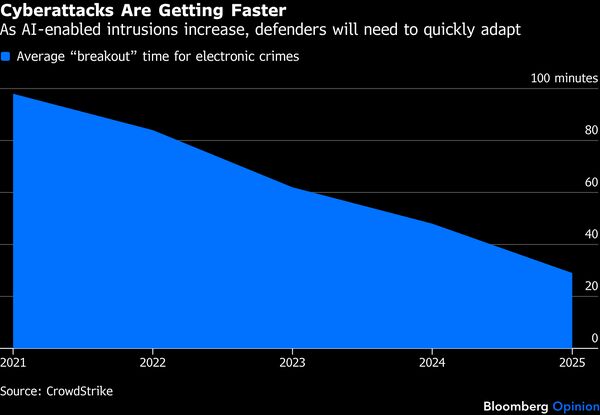
其次,近期发生的几起人工智能“失控”事件虽令人不安,但后续分析指出,这些事件更多源于监管疏漏与工程缺陷,而非人工智能本身具备了什么神秘的新能力。这些问题完全可以通过常规安全措施加以防范,比如使用标准沙盒环境控制以及持续的行为监测。同样,虽然某些借助人工智能实施的黑客攻击事件引发了媒体关注,但它们所使用的技术其实并非什么新奇或超乎常理的手段,只是传统攻击方法的运用速度更快、手段更为高明罢了。
Second, while recent “rogue” AI incidents are unsettling, follow-up analyses have found that they were less the result of enigmatic new capabilities than of oversight and engineering flaws that can be mitigated with known security practices, including standard sandbox controls and continuous behavioral monitoring. Similarly, while certain AI-enabled hacking episodes have made headlines, they haven’t involved novel or otherworldly techniques; instead, they’ve reflected faster or more sophisticated use of traditional methods. Such incidents demand careful scrutiny.
这类事件固然值得仔细研究,但至少目前而言,它们更说明我们需要谨慎行事,而非惊慌失措。
But — so far at least — they argue for prudence more than panic.
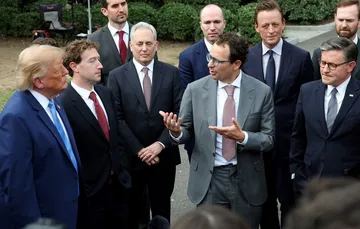
话虽如此,前沿人工智能模型确实正在飞速发展,即便发生概率极低的风险也不容忽视。正因如此,上周看到众多人工智能行业领军人物齐聚白宫并共同达成一系列自愿性预防措施,实在令人欣慰。这些措施包括建立新的内部管控机制、引入独立的外部审计以及加强董事会层面的监督。他们还承诺“定期会面以制定相关标准与最佳实践”。
That said, there’s no doubt that frontier models are advancing quickly and that risks, even unlikely ones, should be taken seriously. To that end, it was heartening to see top AI executives meet at the White House last week and agree to a voluntary set of precautions, including new internal controls, independent outside audits and broader board oversight. They also committed to “meet regularly to establish standards and best practices.”
这无疑是良好的开端。独立评估机构应助力确立人工智能开发与部署过程中的最佳实践规范。在白宫的协调下共享相关标准与做法,这比业界此前所呼吁的反垄断豁免政策更为妥当。更重要的是,此次协议确立了一项关键原则:人工智能研发机构必须为其产品及其可能造成的危害承担责任。
This is a useful start. Independent evaluators should help enshrine best practices for secure development and deployment. Sharing standards and practices under the White House’s auspices is a better approach than the antitrust exemptions the industry had previously been calling for. More important, the agreement helps establish a key principle: AI labs are responsible for their products — and for the harms they cause.
政策制定者应当在此共识基础上继续推进工作。首先,国会应强制要求相关企业如实披露其技术中存在的危险能力及安全事故;明确因模型引发外部损害时的责任认定标准;加大对可解释性研究及人工智能对齐研究的投入;为政府测试高风险模型的能力提供充足资金保障。此外,尤为关键的是,必须确保关键基础设施能够抵御借助人工智能实施的网络攻击。
Policymakers should seek to build on this consensus. As a start, Congress should require confidential disclosure of dangerous capabilities and safety incidents; clarify liability standards for models that cause external harm; invest more in interpretability and alignment research; properly fund government capacity for testing high-risk models; and, crucially, ensure that critical infrastructure is hardened against AI-enabled cyberattacks.
行政机构方面,则应致力于提升整个经济体系的抗风险能力。以今年6月设立的“人工智能网络安全信息中心”为依托,行政机构需对前沿模型进行潜在风险测试,并尽可能将防御技术普及至更多合规用户手中。同时,应运用采购政策来优化软件安全流程,加快漏洞修复与自动化防御措施的落地。此外,还需加强与包括盟友国家在内的各方在重大风险信息方面的共享机制。
The executive branch, for its part, should seek to build resilience economywide. It should test frontier models for risky capabilities and get defensive technology into as many legitimate hands as possible, building on the AI cybersecurity clearinghouse it created in June. It should wield procurement policy to improve software-security processes and accelerate patches and automated defenses. It also needs to improve information sharing, including with allied countries, about serious risks.
当然,没有任何一套政策能够确保绝对的安全,人工智能模型也必然会引发更多混乱。但任何新技术的推进都需要雄心、实验精神以及勇于承担风险的态度——甚至要敢于踏入未知领域。这便是进步的代价。
No set of policies will produce perfect safety, of course, and AI models will surely cause further havoc. But advancing any new technology requires ambition, experimentation and risk-taking — including leaps into the unknown. Such is the price of progress.
如需联系负责彭博社观点版块社论事务的高级编辑,请发送邮件至:Timothy L. O'Brien,邮箱地址为 tlobrien@bloomberg.net
To contact the senior editor responsible for Bloomberg Opinion’s editorials: Timothy L. O'Brien at tlobrien@bloomberg.net