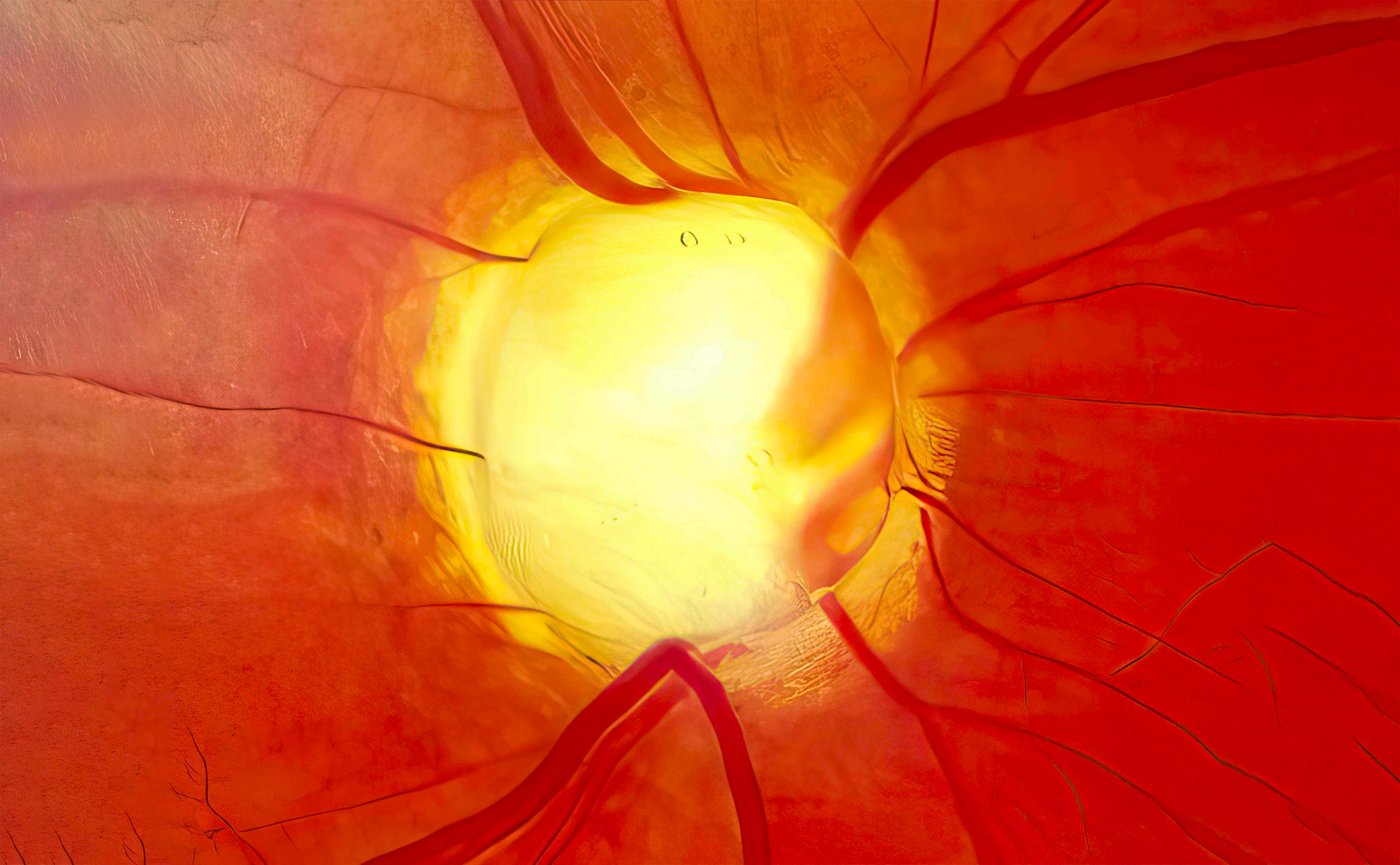
有三名患者接受了旨在恢复视力细胞活力的创新疗法。在美国眼科学会年会上,Life Biosciences 的研究人员报告称,该疗法看起来是安全的,且其中两名接受者已出现视力改善的早期迹象。
Three people have received an innovative treatment designed to rejuvenate vision cells. In a presentation at the annual meeting of the American Academy of Ophthalmology, researchers from Life Biosciences reported that the treatment appears safe, and two of the recipients show early signs of improved vision.
这项研究是美国食品药品监督管理局首批批准采用全新细胞重编程策略的研究之一,其目标是通过恢复细胞的正常功能,使其实现“返老还童”。科学家们采用了一种改良版的重编程策略,该策略曾在 2012 年因将成熟的成年细胞逆转至类似胚胎的状态而荣获诺贝尔奖——在这种状态下,细胞可以分化成身体中的任何细胞类型,包括修复受损或衰老细胞的新型健康细胞。在那项研究中,日本科学家山中伸弥利用四种基因实现了细胞的“时间逆转”。
The study is among the first approved by the U.S. Food and Drug Administration using a novel strategy of reprogramming cells to restore their normal function—essentially rejuvenating them. The scientists used a modified version of a reprogramming strategy that earned a Nobel Prize in 2012 for turning mature, adult cells back to an embryonic-like state from which they could become any of the cells in the body—including healthy new versions of diseased or older cells. In that work, Japanese scientist Shinya Yamanaka used four genes to trigger the cellular time warp.
在目前正在进行的这一期 I 临床试验中,科学家们使用了这四种因子中的三种,对患有某种青光眼患者的眼部病变视网膜神经节细胞进行了改良型重编程——并未将细胞完全逆转至胚胎状态,而是将其恢复至功能异常之前的阶段。视网膜神经节细胞拥有长长的“手臂”,将这些细胞从眼部的视网膜连接到视神经,而视神经负责将视觉信号传递到大脑。
In the current Phase 1 trial, which is ongoing, scientists used three of the four factors to perform a modified reprogramming of diseased retinal ganglion cells in the eye in people with a form of glaucoma—not returning the cells all the way back to their embryonic-like state, but to a point before they stopped functioning properly. Retinal ganglion cells have long arms that connect them from the retina in the eye to the optic nerve, which transmits visual signals to the brain.
在某些人身上,眼内液体会随着时间的推移无法正常排出,从而对视网膜神经节细胞施加压力,导致这些细胞与视神经之间脆弱的连接中断,进而引发视力丧失。虽然这些细胞并不一定会死亡,但它们传递关键视觉信号的能力会显著下降。
In some people, over time, fluid in the eye fails to drain properly, putting pressure on the retinal ganglion cells, which lose their delicate connections to the optic nerve, causing loss of vision. While the cells don’t necessarily die, they become dramatically less able to do their job of transmitting critical visual signals.
为试图恢复这些细胞的功能,研究人员在实验中将经过特殊设计的蛋白质——即能够编码三种特定基因的转录因子——注射到眼球的玻璃体中:这是位于视网膜附近、呈凝胶状的眼内腔室。这一位置非常适合进行此类疗法测试,因为它能避开人体免疫系统的攻击,避免新生成的蛋白质遭到破坏。这些蛋白质随后发挥作用,重新编程那些受损且老化的细胞,使其恢复正常功能。
To try to restore their function, in the trial, scientists injected specially designed proteins, or transcription factors, coding for three of the genes into the vitreous: the gel-like fluid cavity at the back of the eye near the retina. It’s an advantageous location to test such a therapy, since it’s protected from the body’s immune defenses which could attack the newly made proteins. The proteins then did their work to reprogram the damaged and aging cells so they became functional again.
这种实验性疗法源于哈佛医学院遗传学教授、Life Biosciences联合创始人大卫·辛克莱的实验室研究成果。该疗法旨在验证他的理论:衰老细胞之所以无法正常运作,是因为它们积累了过多混乱的指令信息,即哪些基因该开启或关闭;这些所谓的“表观遗传噪音”会扰乱细胞原本的运作规律。辛克莱认为,通过重新编程使细胞恢复到更年轻、功能更健全的状态,即可清除这些表观遗传噪音并恢复正确的遗传信息,从而治疗青光眼等与衰老相关的疾病。
The experimental therapy is based on work from the lab of David Sinclair, professor of genetics at Harvard Medical School and co-founder of Life Biosciences. It's a test of his theory that aging cells lose their ability to work properly because they accumulate too many confusing instructions for which genes they need to turn on or off—so-called epigenetic noise that disrupts the original marching orders cells follow. Sinclair believes that restoring the proper epigenetic information, and removing the epigenetic “noise” by reprogramming the cells to a younger, more functional state could address diseases associated with aging, such as glaucoma.
“我们正在从科学层面逆转表观遗传年龄,以恢复细胞的年轻功能,”辛克莱说道。
“We are scientifically reversing epigenetic age to restore youthful function,” Sinclair says.
“我们认为这是一种修复,”Life Biosciences的首席科学官Sharon Rosenzweig-Lipson在会议上展示了新数据时说道。“我们正在将细胞的编码恢复到它们健康且功能正常时的状态。”
“We think of it as restoration,” says Sharon Rosenzweig-Lipson, chief scientific officer at Life Biosciences, who presented the new data at the conference. “We’re restoring the code back to what it was when [the cells] were healthy and functional.”
使用山中四因子进行完全重编程存在细胞失控生长并形成畸胎瘤的风险,而畸胎瘤是一种可能长出部分或完全发育组织(如牙齿、肌肉和骨骼)的肿瘤。Sinclair的目标是利用这一重编程过程,帮助细胞重新获得其正确的“操作手册”。他与研究生Yuancheng Lu合作,仅使用其中三个基因启动了研究,去除了与癌症关联最密切的一个基因。
Full reprogramming with the four Yamanaka factors comes with a risk of cells growing out of control and forming teratomas, a type of tumor that can sprout partially or fully developed tissues like teeth, muscle, and bone. Sinclair’s goal was to exploit this reprogramming process to help cells regain their proper instruction manual, and together with his graduate student Yuancheng Lu, launched studies involving just three of the genes, dropping one that is most associated with cancers.
但使用三个因子能否触发重编程尚无定论,因为此前的研究都使用了全部四个因子。在长达三年的研究中,Lu逐渐明白了原因——他在研究患有青光眼等与年龄相关的视力丧失问题的小鼠时,尝试仅用三个因子重编程视网膜神经节细胞却屡屡受挫。实验接二连三地失败。心灰意冷的Lu曾想转向其他项目,于是找到了Sinclair。
There was no guarantee that using three of the factors would trigger reprogramming, since all of the previous studies employed all four. And for three years, Lu learned why—while working with mice with age-related vision loss like glaucoma, he struggled to reprogram retinal ganglion cells with only three of the factors. Experiment after experiment failed. Frustrated, Lu sought out Sinclair, hoping to move onto another project.
“他说,逆转衰老可能是世界上最难解决的生物学问题,如果这很容易,早就有人做到了,”Lu说道。不过,至少有一个因素对Lu有利。“移除第四个因子后,其余三个因子的体积足够小,能够装入我们用于将其递送至动物体内的病毒工具中,”他说。“如果这三个基因稍微大一点,我们就无法将它们装入病毒载体。”
“He said reversing aging is probably the hardest biological question in the world, and if it were easy, it would have been done already,” Lu says. But there was at least one element working in Lu’s favor. “Removing the fourth factor allowed the three other factors to be small enough to fit into the viral tool we used to deliver them into [animals],” he says. “If the three genes were a little bigger, then we couldn’t fit them into the viral vector.”
2018年,Lu终于成功了。他通过短信将第一只青光眼小鼠的图像发给了Sinclair:这只小鼠成功再生了原本受损的视网膜神经节细胞与视神经之间的精细连接。当卢问辛克莱他看到了什么时,辛克莱回答说:“未来。”
In 2018, Lu finally succeeded and texted Sinclair images of the first mouse with glaucoma that had regenerated the delicate connections between the retinal ganglion cells and the optic nerve that had been lost. When Lu asked Sinclair what he saw, Sinclair replied: “the future.”
卢和辛克莱于2020年发表了他们的研究成果,而这种疗法与Life Biosciences最终在人体试验中使用的疗法非常接近。6月试验启动的前两天,罗森茨韦格-利普森告诉卢一个好消息:他花了三年时间研究的实验已经准备好在首批青光眼患者身上进行测试了。“我当时正在实验室里,简直不敢相信。”卢说,“我知道这些患者正在承受痛苦。我自己的家族就有黄斑变性的风险基因,我自己也携带这个风险基因。所以这对我的意义非凡。我的曾姑奶奶因为看不清楚而过马路时去世了,因此我觉得,这仿佛是命运在帮助这些人。”
Lu and Sinclair published their findings in 2020, and that therapy is very close to the one that Life Biosciences ended up using in its trial in people. Two days before the trial was launched in June, Rosenzweig-Lipson gave Lu the good news that the experiment he had worked on for three years was ready to test in the first people with glaucoma. “I was in the lab, and I couldn’t believe it,” Lu says. “I know these patients are suffering. My own family has the macular degeneration risk allele, and I carry the risk allele. So it means a lot to me. My great aunt died when she crossed the street because she couldn’t see well, so I feel like it’s destiny helping these people.”
罗森茨韦格-利普森表示,虽然这项研究的主要目标是证明这种疗法的安全性,但三名参与者中有两人也出现了视力改善的早期迹象。在接受治疗之前,所有三人都进行了一项测试,通过记录他们在直视前方时能否看到有策略地放置在上方、下方、左侧或右侧的闪光灯光,来确定他们的视野范围。在接受重编程因子八周后,其中两名参与者的视野得到了改善。
While the study’s main goal is to show that the therapy is safe, two of the three participants showed early signs of improved vision as well, Rosenzweig-Lipson says. All three took a test before receiving the therapy to establish their visual field by noting when they could see strategically placed lights that flashed above, below, or to the left or right when they looked straight ahead. Eight weeks after receiving the reprogramming factors, two of the participants had improvements in their visual fields.
“在原本他们看得不太清楚或无法识别灯光的区域,我们现在看到了更明确的证据,表明他们现在能够看到了。”罗森茨韦格-利普森说。
“In places where they weren’t seeing as well, or weren’t identifying lights, we are now seeing better evidence that they can,” says Rosenzweig-Lipson.
她说,这些结果已经足够令人鼓舞,可以开始测试更高剂量的方案——是初始剂量的三倍——以确定这种治疗是否仍然安全,并最终确定哪种剂量能为患者带来最大的视力改善。
She says the results are encouraging enough to begin testing a higher dose—three times that of the initial one—to determine if the treatment remains safe, and, ultimately, what dose would bring the biggest improvement in vision to patients.
这些研究结果还可能为纳入另一种眼疾患者——NAION患者——奠定基础。NAION主要发生在50岁以上人群,其发病机制与眼部中风相似。当视网膜神经节细胞因尚不明确的原因停止功能时,NAION会导致突发性视力丧失。如果重编程因子能够恢复其中部分细胞的功能,研究人员希望患者能够恢复部分视力,并避免若不及时治疗而导致的失明。
The results could also lay the foundation for including people with another eye disease, NAION, which occurs mostly in people over 50 and is similar to a stroke in the eye. NAION causes sudden vision loss when retinal ganglion cells stop functioning for still unknown reasons. If the reprogramming factors can restore the function of some of these cells, the researchers are hopeful that people could regain some of their vision and avoid the blindness that results if left untreated.
到目前为止,研究人员尚未观察到该疗法有任何不良反应:他们表示,仅出现与注射相关的副作用,而非重编程本身引起的副作用。不过,为确保安全,这三种因子只能在抗生素多西环素存在的情况下被激活,而多西环素在此过程中充当治疗开关。在接受三种因子的注射后,参与者需服用多西环素八周,以确保这些因子保持活跃,并产生重编程视网膜神经节细胞所需的蛋白质。
So far, the researchers have not seen any adverse effects from the therapy: only side effects related to the injection, they say, and not the reprogramming itself. To be safe, however, the three factors can only be activated in the presence of the antibiotic doxycycline, which acts as an on-off switch for the treatment. After receiving the injection of the three factors, the participants took doxycycline for eight weeks, which ensured that the factors were active and produced the proteins needed to reprogram the retinal ganglion cells.
一旦停止服用该抗生素,蛋白质的生成便会停止。如果后续研究证明需要进一步的重编程来改善视力,患者可以重新开始服用抗生素,以重编程更多老化或受损的细胞。
Once they stopped taking the antibiotic, the proteins were no longer made. If further studies show that additional reprogramming is needed to improve vision, they could begin taking the antibiotic again to reprogram more aging or damaged cells.
这些初步结果将推动更多研究,探索利用相同方法使其他细胞恢复活力的可能性。辛克莱的研究团队此前已报告了动物实验中脑细胞、膝关节细胞、背部细胞和肝细胞方面的积极成果。
These initial results will fuel additional studies on using the same method to rejuvenate other cells. Sinclair’s lab has reported promising findings with brain, knee, back, and liver cells in animals.
如果这种方法能够持续保持安全并展现出疗效,那么眼疾或许只是细胞再生研究的开端。“目前我们拥有大量[动物实验数据]支持,表明这并非局限于单一器官的现象,而是一种能够跨越不同器官、并可能在多种年龄相关疾病中带来希望的技术,”罗森茨韦格-利普森说道。
If the approach continues to be safe and show benefit, eye diseases could be just the beginning of rejuvenating different cells. “We have a wide array of [animal data] support now to suggest that it’s not just a one-organ phenomenon, but that it’s something that transcends organs and potentially has opportunities across a wide range of age-related diseases,” says Rosenzweig-Lipson.