这段视频是在以色列定居者群体中流传的,画面中两名男子用长木棍猛击一棵橄榄树。他们面带笑容、互相庆贺,试图把橄榄果打落地面。他们还将此举的成果称作“纯正橄榄油”。
The video shared in Israeli settler groups shows two men bashing an olive tree with long wooden sticks. Smiling and congratulating one another, they try to knock the olives to the ground. They call the result “Pure Olive Oil”.
但正如巴勒斯坦活动人士巴沙尔·卡里乌蒂所解释的那样,这两名男子并不拥有这片土地、这些树木以及橄榄果。
But as Palestinian activist Bashar Qaryouti explained, the two men don’t own the land, the trees, or the olives.
他们是以色列定居者,在约旦河西岸北部被占领区的卡里乌特村,于一片私人土地上建立了非法的定居点。随后他们进入这片距离巴勒斯坦居民住宅约200米远的橄榄园。
They’re Israeli settlers who set up an illegal settlement outpost on private property in the village of Qaryut, in the northern occupied West Bank, and made their way into this olive grove, some 200 metres (656 feet) away from Palestinian homes.
“谢天谢地,近三年来都没人靠近过这里,”视频中其中一名男子用希伯来语说道。
“No one has come near here for about three years, thank God,” one of the two men in the video says in Hebrew.
当地的巴勒斯坦人知道这名男子的名字,而他也没有刻意隐藏身份。此人名叫阿维查伊·苏伊萨,是一名被欧盟、英国以及美国实施制裁的以色列定居者,他在该定居点经营着一家农场。这个定居点建立至今已有一年半时间,这类视频正是苏伊萨用来为农场募集捐款的工具。
Local Palestinians know the man by name, and he does little to hide. The man is Avichai Suissa, an Israeli settler sanctioned by the European Union, United Kingdom – and previously by the United States – who runs a farm on the outpost. It was established more than a year and a half ago, and videos like this help Suissa raise donations for it.
在他的募捐页面上,他称自己的目标是重建并扩建这家曾被以色列军队拆除的农场,以免其“落入敌人之手”。
On his campaign page, he says the goal is to rebuild and expand the farm, which was once dismantled by the Israeli army, to prevent it from falling “into enemy hands”.
“我们正在逐步开始在这片区域开展活动,”苏伊萨在视频中说道。
“We’re gradually starting to work our way into the area,” Suissa said in the video.
然而这片土地属于卡里乌特村的巴勒斯坦居民。自2023年10月加沙地带发生种族灭绝式战争以来,他们便再也无法进入这片土地。卡里乌蒂说:“几个月前,一些农民试图耕种自己的土地,但被军队阻止了。”
But the land belongs to Palestinians – residents of Qaryut – who have not been able to reach it since the genocidal war on Gaza began in October 2023. “A few months ago, farmers tried to plough their land, but the army stopped them,” Qaryouti said.
“今年是最糟糕的一年,”卡里乌蒂解释道,“在我们提出投诉后,几天前军队宣布该区域为军事禁区,于是这些定居者便转而去其他土地、偷摘其他地方的橄榄。”
Worst year yet“After we complained, the army declared the area a closed military zone a few days ago, so settlers are going to other lands, to other olives to steal,” Qaryouti explained.
苏伊萨等人属于日益壮大的定居者群体,他们加大了对巴勒斯坦人橄榄采摘活动的阻挠力度。这一行动是约旦河西岸定居者对巴勒斯坦人实施的暴力迫害的一部分,使得每年10月的橄榄收获季变成了充满恐惧与危险的时期。
Suissa and others are part of a growing movement of settlers who have intensified their campaign against the olive harvest The campaign, part of a settler pogrom against Palestinians in the West Bank, has turned the olive harvest season in October into a source of fear and danger.
被占领的约旦河西岸的许多巴勒斯坦人表示,就定居者袭击的频繁程度而言,今年堪称最糟糕的一年,而收获季才刚刚开始而已。
Many Palestinians in the occupied West Bank describe this year as the worst yet in terms of settler attacks, and the season has barely started.
周三,全副武装的以色列定居者驾驶拖拉机闯入约旦河西岸北部拉明村与布尔卡村之间的农田,向正前往果园的巴勒斯坦农民开火。
On Wednesday, armed Israeli settlers on tractors raided lands between the villages of Ramin and Burqa, in the northern occupied West Bank.
44岁的农民阿里·巴扎里不幸丧生。据其家人称,他唯一的“罪行”就是试图采摘自己地里的橄榄。
They opened fire on farmers heading to their trees. Ali Bazzari, a 44-year-old farmer, was killed His only “crime”, the family says, was trying to pick his olives.
目击者称,以色列军方阻止救护车靠近伤员,巴勒斯坦人只好背着伤者翻山越岭前往医院。
Witnesses say the Israeli army prevented ambulances from reaching the wounded. Palestinians had to carry the injured through the mountains to hospitals.
以色列人权组织“耶什丁”称,在9月27日至10月6日期间,该组织记录了75个巴勒斯坦社区内发生的109起与橄榄采摘相关的暴力事件,平均每天就有11起。
The Israeli Rights Group Yesh Din says it documented 109 incidents of violence directly related to the harvest in 75 Palestinian communities between September 27 and October 6, an average of 11 per day.
长期以来,橄榄采摘都是当地的传统习俗。如今,以色列定居者试图效仿这一传统仪式,同时将世代传承这些传统的巴勒斯坦人赶出家园。
Longtime tradition Israeli settlers are increasingly attempting to adopt the rituals of the olive harvest season while pushing out the Palestinians who have kept those traditions for generations.
被占领的约旦河西岸出现了多家新建立的农场。其中一些农场还发布了榨取橄榄油的视频;另一些则邀请以色列人“共同参与”这一活动。
Several new farms have been set up in the occupied West Bank. One shares videos of olives being pressed. Others invite Israelis to “join in” the experience.
巴勒斯坦人指出,这些流传开来的视频完全无视土地的真正主人——巴勒斯坦人的权益,显然是定居者企图模仿传统仪式、将整个收获季据为己有的手段。
Palestinians say the videos circulating show a disregard for the actual owners of the land taken by the settlers, and a clear attempt to appropriate the season, imitating its rituals and claiming them as their own.
这些仪式——比如集体采摘、唱歌以及在农场上共享餐食——都体现了巴勒斯坦人与这片土地之间深厚的情感联结。
Those rituals – things like collective picking, singing, and shared meals on the farms – are rooted in a deep connection to the land.
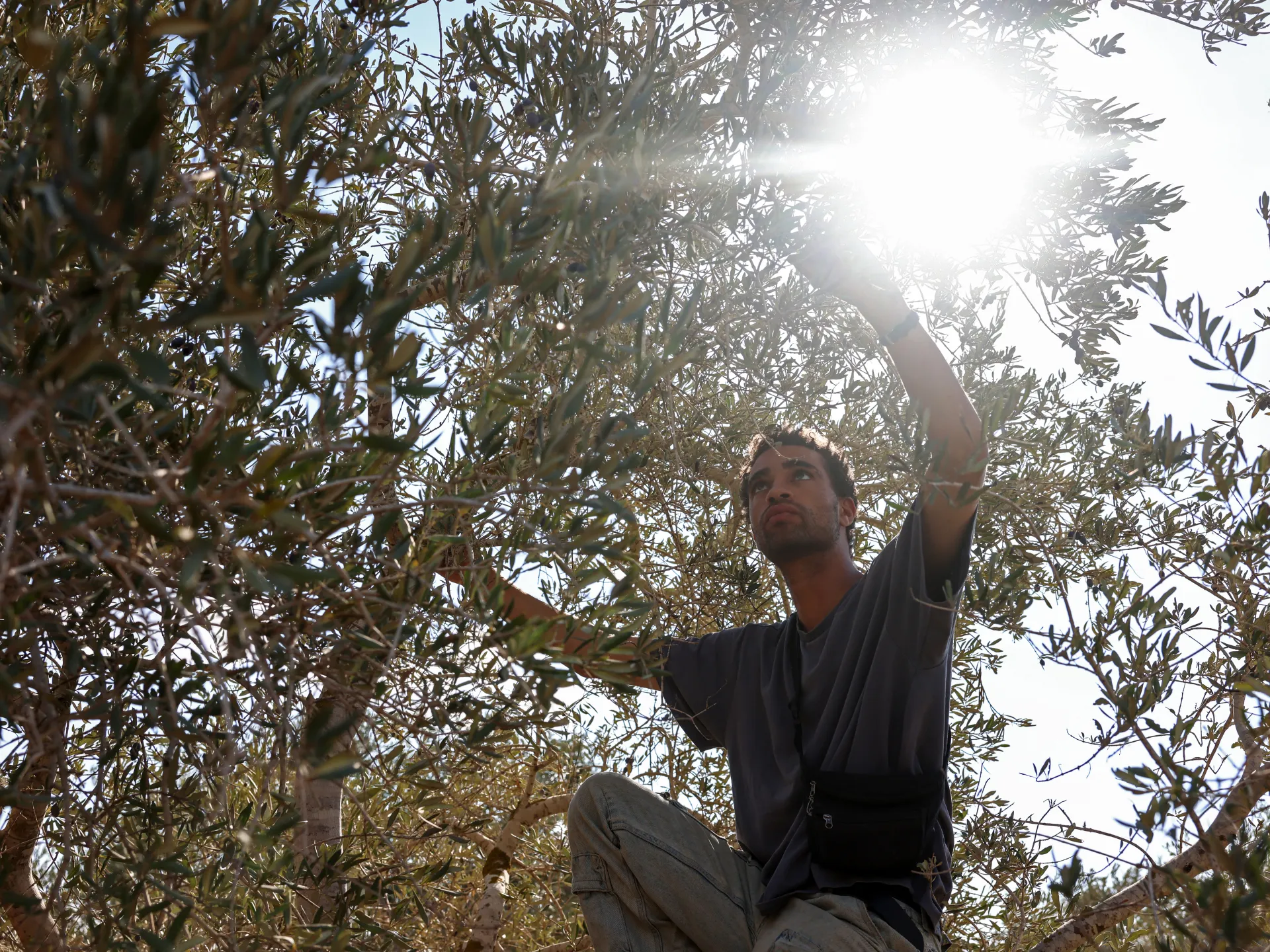
橄榄收获季对巴勒斯坦人而言或许是一段辛苦的时光——需要在烈日下长时间劳作,但收获的成果也令人欣慰。按照传统习俗,橄榄种植者们会全家团聚,邻居与朋友们也会自愿前来帮忙采摘,这种文化传统被称为“ouneh”。
The olive harvest season may be an exhausting time of the year for Palestinians, with its hard work and long hours in the sun, but it’s a rewarding one. Olive farmers traditionally gather for family get-togethers, with neighbours and friends volunteering to help one another harvest the olives, in a cultural tradition known as “ouneh”.
这个季节也充满轻松欢乐的氛围:人们会热烈讨论哪片土地产出的橄榄油品质最佳、谁该定最高的售价,还有谁能摘下最多橄榄却一颗都不掉在地上。
The season has a light-hearted element, with debates about whose land produces the best oil, who should charge the most, and who knows how to pick the most olives and not drop any to the ground.
年长者们则将历史经验代代相传,比如最佳的采摘时机以及如何照料橄榄树——这些都是关于气候、农耕与土地的宝贵知识。
Older generations pass down lessons from history, such as the best time to harvest and how to nurture the trees – an inherited knowledge of climate, agriculture and the land itself.
有句广为人知的阿拉伯谚语说道:“他们种树,是为了让我们有饭吃;我们种树,是为了让后人有饭吃。”这句话道出了这种传承的延续性,也体现了我们对后代应负的责任。最后一次收获?
“They planted so that we can eat. We plant so they [will] eat,” a well-known Arabic saying goes. It highlights the continuity of this inheritance, and the responsibility towards future generations. Last harvest?
这些本应受到保护、悉心照料并代代相传的橄榄树,如今正被夺走——不仅是以色列定居者,还有以色列士兵。
These trees, which are meant to be protected, nurtured and passed on, are being taken away – not only by settlers, but by soldiers, too.
9月下旬,61岁的哈泽姆·萨纳夫在收到以色列军方的命令后,站在贝特里马村附近的山坡上,眼睁睁看着以色列推土机毁掉了他的土地。这些推土机摧毁并连根拔起了400多棵属于哈泽姆及其邻居的橄榄树,其中不少树龄已有数十年,也是他们唯一的收入来源。
Hazem Sanaf, 61, stood on a nearby hill in the village of Beit Rima and watched as Israeli bulldozers ploughed through his lands in late September, after he had received an Israeli military order. The bulldozers destroyed and uprooted more than 400 trees belonging to Hazem and his neighbour, some of them decades old, and his only source of income.
“他们就是想把我们的橄榄树全部夺走,”他说道,眼中满是痛苦之色。
“They just want to take our olive trees from us,” he said, his eyes reflecting his pain.
哈泽姆并非个例。在被占领的约旦河西岸地区,以色列军方已下达了多项拔除橄榄树的命令。有些命令已经执行,另一些则仍在等待实施。
Hazem is not alone. Several Israeli military orders to uproot olive trees have been handed out across the occupied West Bank. Some have been carried out, while others await their turn.
过去,以色列军方常以“清除树木可防范安全威胁或伏击”为由实施此类行动。但巴勒斯坦人指出,这其实是一种剥夺土地、导致民众陷入贫困的手段。
In the past, the Israeli military has cited the need to clear land of trees to prevent security threats or ambushes on troops. But Palestinians say it reflects a pattern of dispossession and impoverishment.
据巴勒斯坦反殖民与反隔离墙委员会(CRRC)称,仅今年一年,以色列定居者和士兵就毁坏了约5万棵树。
According to the Palestinian Colonization and Wall Resistance Commission (CRRC), Israeli settlers and soldiers have destroyed approximately 50,000 trees this year alone.
来自拉马拉附近阿尔卢班阿什拉基亚村的福阿德·达拉格梅手里拿着一根粗大的断树干。
Fuad Daraghmeh, from the village of al-Lubban Asharqiya, near Ramallah, carried the thick, broken stem of a tree.
“我照料这棵树整整30年,”他说完便回家了。他没有透露打算如何处理这根树干,但其他人表示,他们的树也曾被连根拔起,后来他们又成功让树木重新存活下来。
“I took care of it for 30 years,” he said, and headed home. He did not say what he planned to do with the stem, but others said that their trees had been uprooted before, and that they had managed to nourish them back to life.
也有一些人只能无奈地与树木告别。他们拿着小工具坐在被推土机毁掉的树旁,采摘那些他们视作最后一批收成的果实。
Others are resigned to saying goodbye to the trees. They sit by the bulldozed trees with small hand tools, picking the last fruit of what they believe is their last crop.
巴勒斯坦民众一直在观看定居者收割橄榄树的视频,其中包括苏伊萨分享的那段。
Palestinians have been watching videos of settlers harvesting their olive trees, including the one shared by Suissa.
除了痛苦之外,人们反复提到的一点是:苏伊萨用力击打树木的做法既不合理,也绝非采摘橄榄的正确方式。
Beyond the pain, one remark keeps coming up: the method used by Suissa in vigorously beating the tree is no way to treat it, and no way to harvest olives.
“那些几十年来一直悉心照料土地的人都明白这一点,”一位出于安全考虑不愿透露姓名的巴勒斯坦活动人士说道。
“The people who have tended to their lands for decades know that,” one Palestinian activist, who did not wish to be identified for security reasons, said.